
The modern automobile has transitioned from a purely mechanical beast into a sophisticated, rolling piece of technology. Beneath the hood of a contemporary vehicle lies a complex network of sensors, actuators, and microprocessors that manage everything from fuel efficiency to carbon footprints. One of the most critical, yet often overlooked, components in this digital-mechanical ecosystem is the Canister Purge Valve.
Understanding what a bad purge valve sounds like is not merely a matter of mechanical intuition; it is an exercise in diagnostic technology. As vehicles become more integrated with Advanced Driver Assistance Systems (ADAS) and complex Engine Control Units (ECUs), identifying a hardware failure through its acoustic signature—and validating it with digital tools—is a vital skill for the tech-savvy car owner and professional technician alike.
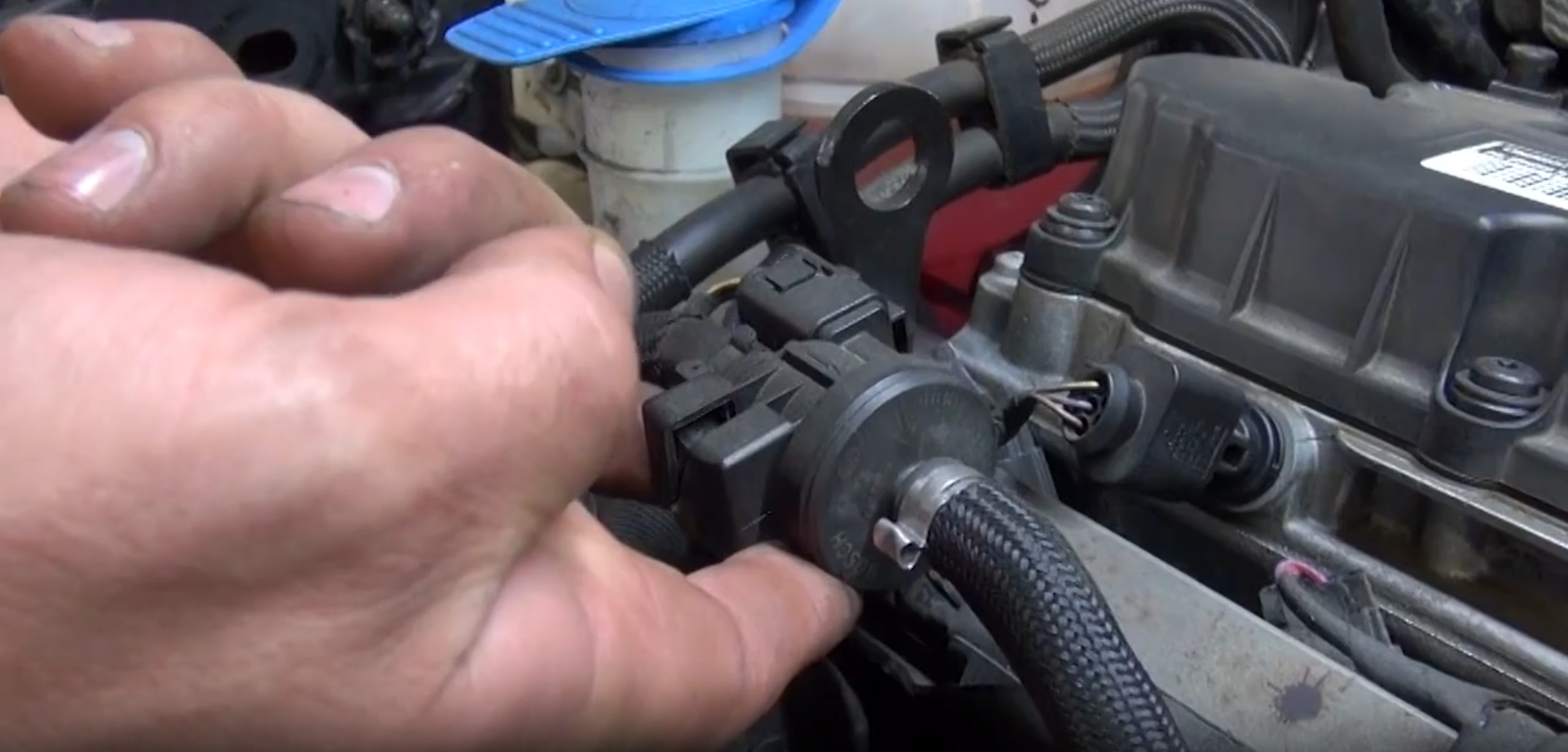
Understanding the EVAP System: The Tech Behind the Purge Valve
To understand why a purge valve makes noise, one must first understand the technology it serves. The Evaporative Emission Control (EVAP) system is a sophisticated environmental tech stack designed to prevent gasoline vapors from escaping into the atmosphere.
The Role of the Canister Purge Valve in Emissions Control
The purge valve, often referred to as the “solenoid,” acts as the gatekeeper between the charcoal canister (which stores fuel vapors) and the engine’s intake manifold. In terms of tech architecture, it functions as an electromagnetic switch. When the ECU determines that the engine conditions are optimal—usually during highway cruising—it sends an electrical signal to the valve to open. This allows the stored vapors to be drawn into the engine to be burned as fuel, rather than being vented as pollutants.
How ECU Algorithms Manage Vapor Flow
Modern engine management software uses complex algorithms to determine the “duty cycle” of the purge valve. This isn’t a simple “on/off” switch. Instead, the ECU uses Pulse Width Modulation (PWM) to open and close the valve rapidly. This precision technology ensures that the addition of fuel vapors does not disrupt the delicate air-fuel ratio required for high-performance combustion. When this digital-to-analog communication breaks down, the valve begins to behave erratically, leading to the distinct sounds associated with failure.
Identifying the Sound: Acoustic Signatures of a Failing Purge Valve
In the world of hardware diagnostics, sound is often the first indicator of a failing component. Because the purge valve is an electromagnetic solenoid, its failure modes often produce specific rhythmic or pneumatic noises that can be decoded with a little technical knowledge.
The Ticking or Clicking Phenomenon
The most common sound associated with a failing purge valve is a consistent, rapid ticking or clicking noise. To the untrained ear, this might sound like a noisy lifter or a fuel injector. However, the tech-focused diagnostic approach looks at the frequency.
Because the ECU uses PWM to control the valve, a failing solenoid may struggle to maintain its commanded position. This results in the internal plunger bouncing against its housing. If you hear a “tap-tap-tap” that changes in frequency as you fluctuate the throttle, you are likely hearing the physical manifestation of an electromagnetic struggle. The valve is failing to respond to the high-frequency digital pulses sent by the car’s computer.
Rough Idling and Hissing: Vacuum Leak Indicators
Another distinct acoustic signature is a subtle hissing sound, often accompanied by a “stumbling” engine note at idle. This occurs when the purge valve fails in the “open” position.
In this scenario, the valve creates an unintended vacuum leak. Modern engines are calibrated to precise air intake measurements via Mass Air Flow (MAF) sensors. When a purge valve stays open, unmetered air and concentrated fuel vapors flood the intake manifold. The “hiss” is the sound of air being sucked through a narrow, compromised orifice. From a technical standpoint, this causes a “lean” or “rich” condition that the ECU’s closed-loop feedback system will desperately try to correct, resulting in the erratic, “hunting” sound of a rough idle.
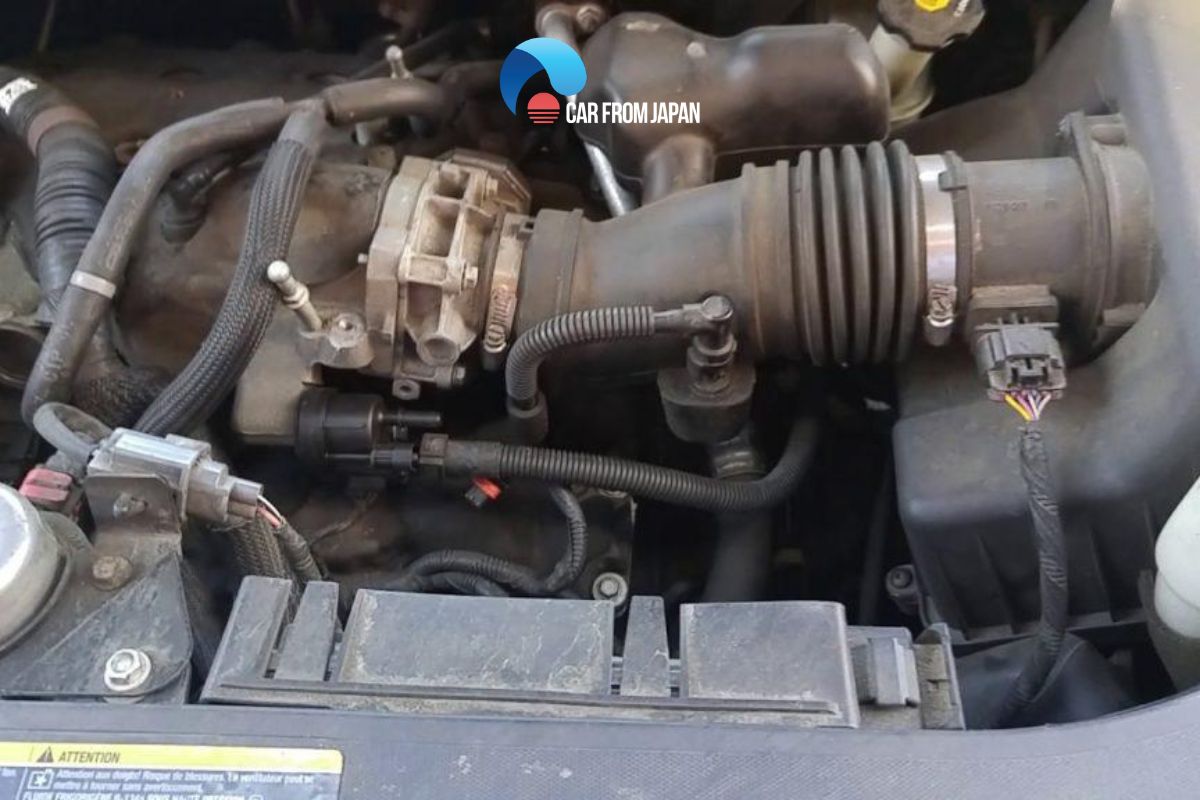
Diagnostic Tools and Digital Monitoring
Identifying a sound is the first step, but in the era of smart vehicles, we confirm hardware failure through data. The intersection of automotive hardware and digital diagnostics is where the most accurate “listening” happens.
Using OBD-II Scanners to Decipher Error Codes
When a purge valve begins to sound abnormal, the vehicle’s onboard diagnostics (OBD-II) system usually records a fault. This is the digital “log” of the hardware’s struggle. Common codes include:
- P0441: Incorrect Purge Flow. This indicates the ECU detected that the vapor flow doesn’t match the commanded state.
- P0446: EVAP Vent Control Circuit Malfunction. This often points toward the electrical side of the solenoid failing.
Using a high-end OBD-II scanner—or even a smartphone app paired with a Bluetooth dongle—allows a user to “see” what the car is “hearing.” If the acoustic ticking coincides with a P0441 code, the diagnosis is virtually confirmed.
Real-time Data Logging and Sensor Volts
For those diving deeper into the tech, professional-grade diagnostic software allows for real-time data graphing. You can monitor the “Purge Vapor Duty Cycle” as a percentage. By comparing the commanded duty cycle from the ECU to the actual vacuum pressure (using a digital vacuum gauge), you can determine if the valve is mechanically sticking despite receiving the correct electrical command. This level of data-driven troubleshooting is the hallmark of modern tech-centric maintenance.
The Intersection of Hardware and Software Failure
As we move toward a future of Software-Defined Vehicles (SDVs), the line between a mechanical failure and a software glitch becomes increasingly blurred. The “sound” of a bad purge valve might not always be a hardware defect.
Solenoid Degradation vs. Firmware Incompatibility
In some modern vehicle platforms, what sounds like a bad purge valve is actually a calibration issue within the engine’s firmware. Manufacturers occasionally release Technical Service Bulletins (TSBs) that involve reflashing the ECU to change how the purge valve is pulsed.
If the software pulses the valve at a frequency that matches the natural resonance of the component, it can cause excessive noise and premature wear. In this case, the “fix” isn’t a wrench; it’s a software update. This highlights the importance of checking for firmware updates before assuming a mechanical component has reached its end-of-life.
The Future of Smart Emissions Tech
The traditional solenoid-based purge valve is slowly being replaced by even more advanced tech. New generations of “smart valves” feature integrated pressure sensors and localized processing power. These components don’t just open and close; they report their own health status back to the central gateway of the car.
In these systems, the “sound” of a failure might be replaced by a proactive notification on the vehicle’s infotainment screen or a mobile app alert. We are moving from a reactive “hear and fix” model to a proactive “monitor and prevent” model, driven by the IoT (Internet of Things) integration in modern cars.

Conclusion: The Tech-Forward Approach to Maintenance
Identifying the sound of a bad purge valve is a bridge between the old world of mechanical “feel” and the new world of digital precision. The ticking, clicking, and hissing are the hardware’s way of communicating a breach in the system’s operational integrity.
By utilizing OBD-II diagnostic interfaces, understanding the principles of Pulse Width Modulation, and staying aware of the software-hardware interplay, modern drivers and technicians can solve these issues with unprecedented accuracy. The purge valve may be a small component, but its role in the vehicle’s tech stack is a perfect example of how modern engineering balances performance, environment, and digital control. As automotive technology continues to evolve, our methods for diagnosing these silent (or not-so-silent) gatekeepers must evolve with them, shifting from simple listening to comprehensive data analysis.
aViewFromTheCave is a participant in the Amazon Services LLC Associates Program, an affiliate advertising program designed to provide a means for sites to earn advertising fees by advertising and linking to Amazon.com. Amazon, the Amazon logo, AmazonSupply, and the AmazonSupply logo are trademarks of Amazon.com, Inc. or its affiliates. As an Amazon Associate we earn affiliate commissions from qualifying purchases.