
In the world of electrical systems, not all outlets are created equal. While the standard 120V outlets are ubiquitous in most homes, powering everything from your smartphone charger to your television, certain high-demand appliances require a more robust electrical supply. This is where the 240V outlet comes into play. Understanding what a 240V outlet looks like, why it’s different, and when you’ll encounter one is crucial for homeowners, tech enthusiasts dabbling in DIY electrical projects, and anyone looking to optimize their home’s power infrastructure.
The title “what does a 240v outlet look like” might seem straightforward, but the answer delves into the realm of electrical engineering, safety standards, and practical home appliance needs. Our exploration will not only dissect the visual characteristics of these outlets but also touch upon the underlying technology that makes them distinct, the brands and manufacturers behind them, and the financial implications of upgrading or utilizing them.

Understanding the Anatomy of a 240V Outlet
The most immediate and striking difference between a standard 120V outlet and a 240V outlet lies in their physical appearance. This distinction is not arbitrary; it’s a deliberate design choice dictated by safety regulations and the specific electrical demands these outlets are built to meet.
Visual Distinctions: More Than Just Holes
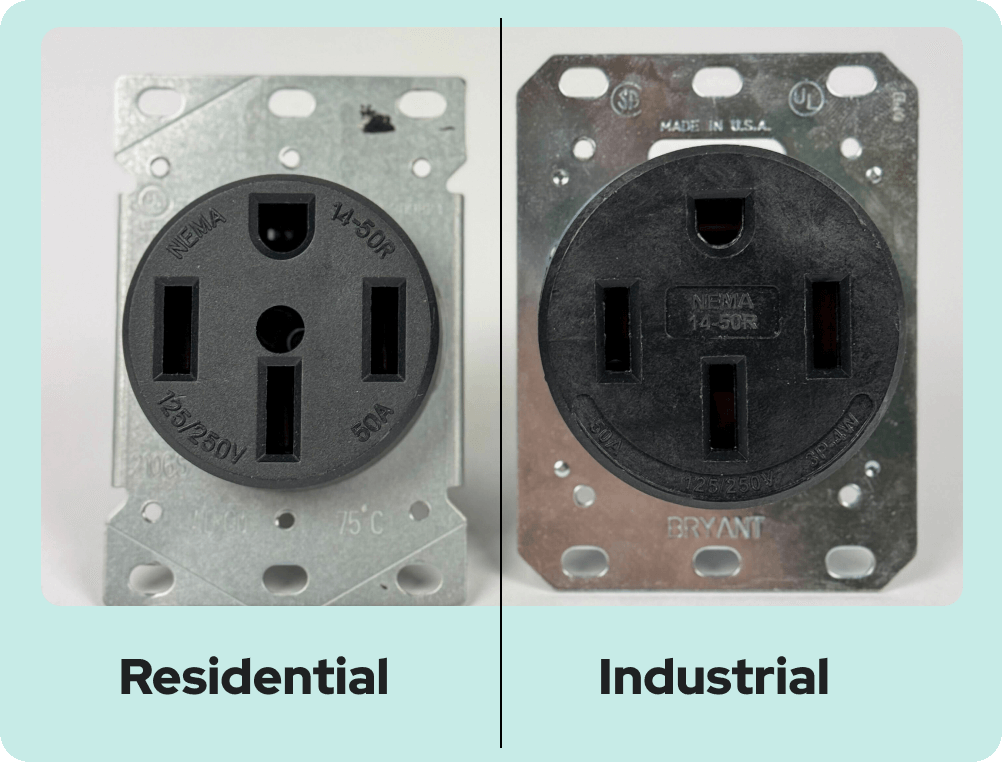
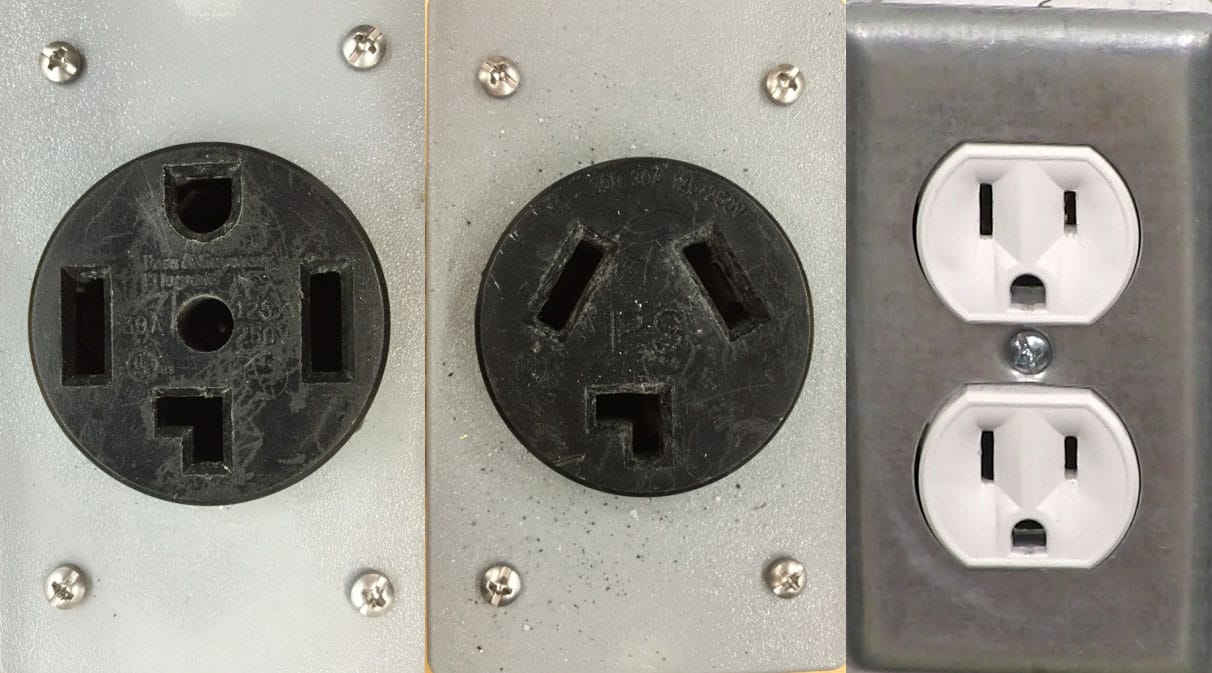
When you look at a typical 120V outlet, you’ll see two vertical slots and a third, U-shaped or round hole below for the ground pin. This configuration is standard across North America. Now, picture a 240V outlet. The first thing you’ll likely notice is that the slot configuration is different. Instead of simple vertical openings, 240V outlets often feature angled slots, or a combination of vertical and horizontal slots, or even multiple sets of slots. The exact pattern varies depending on the amperage rating of the outlet (which we’ll discuss later) and the type of appliance it’s designed to power.
For instance, a 240V outlet designed for a clothes dryer might have a distinct configuration of three or four slots, arranged in a way that prevents accidental insertion of a standard 120V plug. Similarly, an outlet for an electric range or an EV charger will have its own unique slot pattern. This physical incompatibility is a critical safety feature, ensuring that you can’t inadvertently plug a device requiring less power into an outlet that can deliver significantly more, or vice-versa, which could lead to appliance damage or even fire hazards.
The Importance of Pin Configuration and Amperage
Beyond the shape of the slots, the number of pins on the plug that mates with a 240V outlet is also a key differentiator. While most 120V outlets accommodate a plug with two flat pins (and sometimes a round ground pin), 240V outlets can have plugs with two, three, or even four pins. These additional pins often serve to carry both the hot wires and a neutral wire, or to provide a separate ground connection, depending on the appliance’s needs.
The amperage rating of the outlet is another crucial factor influencing its appearance. Amperage, or current, is the amount of electrical flow. Higher amperage outlets are designed to handle more powerful appliances. For example, a 240V outlet for a small appliance like a window air conditioner might be rated for 20 amps, while an outlet for an electric range or a large hot tub could be rated for 30, 40, or even 50 amps. As the amperage rating increases, so does the physical size and complexity of the outlet and the corresponding plug. Larger amperage outlets often have thicker, more robust connectors and a more substantial physical form factor to safely handle the increased electrical load.
Why the Need for 240V? Powering Demanding Appliances
The existence of 240V outlets stems from the fundamental electrical requirements of many common household appliances. While 120V is sufficient for most electronics, larger appliances that generate heat or perform significant mechanical work require a substantial amount of power, which is more efficiently and safely delivered at a higher voltage.
Appliances That Rely on 240V
You’ll typically find 240V outlets powering appliances such as:
- Electric Clothes Dryers: These machines use heating elements that draw a significant amount of power to generate heat, and a motor to tumble the clothes.
- Electric Ranges and Ovens: The heating elements in ovens and stovetops are high-wattage devices that necessitate a 240V supply for efficient operation.
- Central Air Conditioning Units: Larger central AC units, especially those designed for whole-house cooling, require a 240V connection to power their compressors and fans.
- Electric Vehicle (EV) Chargers: Home EV charging stations, particularly Level 2 chargers, utilize 240V to provide a faster charging experience for electric vehicles.
- Hot Tubs and Jacuzzis: The heating elements and pumps in hot tubs require a robust 240V supply to maintain water temperature and circulation.
- Large Power Tools: Some stationary power tools used in workshops, like table saws or industrial-grade compressors, are designed to operate on 240V.
The use of 240V for these appliances is not just about raw power; it’s also about efficiency. Delivering the same amount of power at a lower voltage (120V) would require twice the amperage. Higher amperage means thicker, more expensive wiring and increased energy loss due to resistance in the wires. By stepping up the voltage to 240V, the amperage is halved for the same power output, leading to thinner, more economical wiring and reduced energy waste.
The Technology Behind Higher Voltage Delivery
The 240V supply in your home originates from your electrical panel, also known as the breaker box or fuse box. Inside the panel, two separate 120V circuits are combined by a double-pole circuit breaker. This double-pole breaker connects the two “hot” wires from the utility service, effectively creating a 240V potential difference between them. The neutral wire, which is typically present in 120V circuits, may or may not be present at the 240V outlet depending on the specific appliance’s requirements. Some 240V appliances require a neutral for their internal electronics or smaller 120V components, while others operate solely on the two hot wires and a ground.
The wiring leading from the double-pole breaker to the 240V outlet is also thicker than the wiring used for standard 120V circuits. This thicker gauge wire is necessary to safely handle the increased electrical current without overheating. The outlet itself is designed with sturdier internal components to withstand the higher voltage and amperage.
Brands, Safety, and Financial Considerations
When dealing with electrical systems, particularly higher voltage outlets, understanding the brands involved, adhering to safety protocols, and considering the financial implications are paramount.
Leading Brands and Electrical Safety Standards
Several reputable brands manufacture electrical outlets, plugs, and wiring devices, including Leviton, Lutron, Eaton, Legrand, and Hubbell. These companies adhere to stringent industry standards set by organizations like the Underwriters Laboratories (UL) and the National Electrical Manufacturers Association (NEMA). When purchasing any electrical component, it’s crucial to look for the UL listed mark, which signifies that the product has been tested and meets safety requirements.
For 240V outlets, NEMA configurations are particularly important. NEMA standards define the specific physical arrangements of slots and pins for various voltage and amperage ratings. This standardization ensures that plugs and outlets are compatible within their designated specifications, preventing dangerous mismatches. For example, a NEMA 6-20R is a 240V, 20-amp receptacle, while a NEMA 14-50R is a 240V, 50-amp receptacle commonly used for EV chargers and electric ranges. Understanding these NEMA designations is key to selecting the correct outlet for your needs.
DIY vs. Professional Installation: A Financial and Safety Decision
While the curiosity about “what does a 240v outlet look like” might spark interest in DIY electrical work, it’s vital to approach such projects with caution. Installing or modifying 240V circuits carries significant risks if not done correctly. Mistakes can lead to electrical shocks, fires, appliance damage, and invalidation of your home insurance.
Safety First: Always turn off the power to the circuit at the main electrical panel before working on any electrical wiring. If you are unsure about any step, it is always best to consult a qualified electrician. They have the expertise and tools to ensure the installation is safe and compliant with local electrical codes.
Financial Implications: The cost of installing a new 240V outlet can vary. It involves the cost of the outlet itself, the appropriate gauge wiring, a double-pole circuit breaker, and potentially the labor cost if you hire an electrician. For a simple run from an existing panel, the material costs might be relatively low, but the complexity of the installation, the distance from the panel, and the specific amperage required will influence the final price.
- Outlet and Plug Cost: Basic 240V outlets and corresponding plugs can range from $10 to $50 or more, depending on the amperage and brand.
- Wiring and Breaker: The cost of heavy-gauge wire and a double-pole breaker will add to the expense.
- Electrician’s Labor: This is often the most significant cost. An electrician’s hourly rate can range from $50 to $150 or more, and the complexity of the job will determine the total time required.
For tasks like installing an EV charger outlet or upgrading your electrical panel to accommodate more 240V circuits, the investment can be substantial, often running into hundreds or even thousands of dollars. However, this investment can also add value to your home and provide long-term convenience and energy efficiency.
Conclusion: Powering Your Home Safely and Efficiently
Understanding what a 240V outlet looks like is more than just a visual identification exercise. It’s about appreciating the technology that enables our modern conveniences, recognizing the safety features built into our electrical systems, and making informed decisions about home improvement and appliance selection.
From the distinct slot configurations and pin arrangements designed for safety and compatibility, to the underlying electrical principles that deliver higher voltage for demanding appliances, 240V outlets are an integral part of a robust home electrical infrastructure. Whether you’re a homeowner planning to install a new appliance, a tech enthusiast exploring the capabilities of your home’s power, or a business owner considering commercial-grade equipment, a solid grasp of 240V outlets ensures you can harness their power safely, efficiently, and effectively. Always prioritize safety, consult professionals when in doubt, and choose reputable brands to ensure your home’s electrical system is as reliable as it is powerful.
aViewFromTheCave is a participant in the Amazon Services LLC Associates Program, an affiliate advertising program designed to provide a means for sites to earn advertising fees by advertising and linking to Amazon.com. Amazon, the Amazon logo, AmazonSupply, and the AmazonSupply logo are trademarks of Amazon.com, Inc. or its affiliates. As an Amazon Associate we earn affiliate commissions from qualifying purchases.