
In the modern corporate landscape, fiscal responsibility extends far beyond balancing ledgers and optimizing tax strategies. One of the most significant, yet often overlooked, variables in a company’s financial health is the integrity and safety of its human capital. Substance abuse in the workplace is not merely a human resources concern; it is a multi-billion dollar drain on the global economy. For business owners, CFOs, and financial analysts, understanding the mechanics and the “why” behind a 10-panel drug test is a critical component of risk management and bottom-line protection.

A 10-panel drug test serves as a comprehensive diagnostic tool designed to detect the presence of ten specific substances (and their metabolites) in an individual’s system. From a financial perspective, this test is an investment in loss prevention. This article explores the specific substances targeted by these tests and analyzes the economic rationale for why businesses must prioritize this level of screening to safeguard their financial interests.
1. Defining the 10-Panel Scope: Assessing Liability and Risk
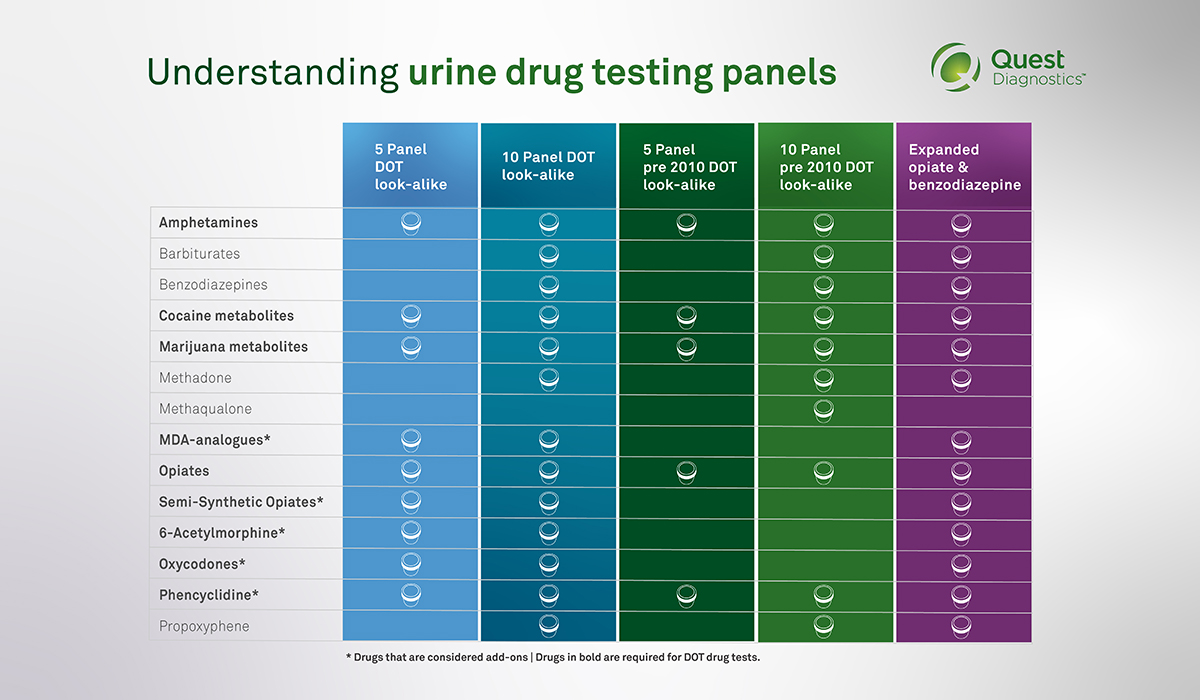
To understand the financial implications, one must first understand what a 10-panel drug test encompasses. Unlike the more basic 5-panel test, which typically covers “street drugs,” the 10-panel screen is designed to capture a broader spectrum of substances, including legal prescription medications that are frequently misused. Each substance on this list represents a specific type of financial risk to a business.
The Standard Substances and Their Economic Implications
The 10-panel test typically screens for the following:
- Amphetamines: Includes methamphetamines and speed. These pose risks related to erratic behavior and potential workplace violence.
- Cannabinoids (THC): Marijuana use can lead to cognitive impairment and delayed reaction times.
- Cocaine: High-risk for cardiovascular emergencies on-site and high turnover costs.
- Opiates: Includes heroin, codeine, and morphine. These are high-level liability risks regarding safety-sensitive positions.
- Phencyclidine (PCP): Associated with severe psychological disruptions.
- Barbiturates: Sedatives that can lead to extreme lethargy and errors in judgment.
- Benzodiazepines: Often prescribed for anxiety (e.g., Xanax, Valium) but highly impairing when misused.
- Methadone: Used for addiction treatment but can indicate high-risk medical history or ongoing dependency.
- Methaqualone: (Quaaludes) Though less common, it remains a standard for comprehensive screening.
- Propoxyphene: A narcotic pain reliever with high sedative properties.
The Financial Distinction Between 5-Panel and 10-Panel
From a budgeting standpoint, a 10-panel test is more expensive per unit than a 5-panel test. However, a financial analysis reveals that the 10-panel test offers a superior “yield” on risk detection. By including prescription drugs like benzodiazepines and barbiturates, companies protect themselves against “white-collar” impairment, which can be just as costly in terms of professional errors and legal malpractice as the more visible impairment of illicit drug use.
2. The ROI of Workplace Substance Screening
Every dollar spent on a drug-testing program should be viewed through the lens of Return on Investment (ROI). Substance abuse costs employers billions of dollars annually in lost productivity, increased healthcare costs, and excessive turnover. For a business to remain profitable, it must mitigate these invisible costs.
Productivity and Performance Metrics
Employees who struggle with substance abuse are statistically more likely to exhibit absenteeism and “presenteeism”—a state where an employee is physically present but cognitively disengaged. The financial loss associated with reduced output can be quantified by measuring the “output gap” between a high-performing employee and one hindered by substance misuse. A 10-panel test acts as a preventative filter, ensuring that the talent a company pays for is capable of delivering the expected value.
Turnover and Recruitment Costs
The cost of replacing an employee is estimated to be between 50% to 200% of their annual salary, depending on the complexity of the role. When substance abuse leads to termination, the company incurs immediate costs: recruitment fees, training hours, and the temporary loss of institutional knowledge. By implementing 10-panel pre-employment screening, companies can avoid the “sunk cost” of hiring individuals who may soon be unable to fulfill their contractual duties, thereby stabilizing the long-term personnel budget.
Workplace Safety and Litigation Expenses
For industries involving heavy machinery, logistics, or healthcare, the financial stakes of impairment are astronomical. A single accident caused by an impaired employee can lead to millions of dollars in legal settlements, property damage, and forensic investigations. From a business finance perspective, the 10-panel test is an insurance policy against catastrophic litigation. It provides a “due diligence” defense, demonstrating that the company took reasonable steps to ensure a safe work environment.
3. Insurance Premiums and Workers’ Compensation Savings
The relationship between drug testing and insurance is one of the most direct ways a 10-panel test impacts a company’s balance sheet. Insurance providers are in the business of calculating risk, and a robust drug-testing policy is a primary indicator of a low-risk client.
Discounting Workers’ Compensation
In many jurisdictions, insurance carriers offer significant discounts (ranging from 5% to 20%) on workers’ compensation premiums for “Drug-Free Workplace” certified businesses. To qualify for these financial incentives, companies often must prove they use a comprehensive screening process, such as the 10-panel test. Over a fiscal year, these premium savings can easily exceed the total cost of the testing program itself.
Liability Insurance and Premium Mitigation
General liability and professional liability premiums are also sensitive to a company’s safety protocols. When an organization can prove it conducts random 10-panel testing, it signals to the underwriter that the likelihood of an “errors and omissions” claim or a personal injury lawsuit is lower. This proactive stance allows financial officers to negotiate more favorable terms during annual insurance renewals, directly improving the company’s EBITDA (Earnings Before Interest, Taxes, Depreciation, and Amortization).
Deniability and Claims Management
From a financial recovery standpoint, if an accident occurs and the employee tests positive on a post-accident 10-panel screen, the company (and its insurer) may have grounds to deny a workers’ compensation claim. While this sounds harsh, it is a vital mechanism for protecting a company’s financial reserves from fraudulent or negligence-based payouts.
4. Budgeting for Corporate Compliance and Testing Infrastructure
Integrating 10-panel drug testing into a business’s financial plan requires a strategic approach to procurement and operational management. It is not just about the cost of the kit; it is about the total cost of ownership (TCO) for the compliance program.
Outsourcing vs. In-House Testing
Financial officers must decide whether to outsource testing to a Third-Party Administrator (TPA) or manage it via internal occupational health departments. Outsourcing typically converts a fixed cost into a variable cost, which is often preferable for smaller organizations. For large enterprises, volume discounts with national labs like Quest Diagnostics or LabCorp can reduce the per-test price point, making a comprehensive 10-panel regime financially viable at scale.
The Cost of Non-Compliance
In certain sectors, such as transportation (regulated by the DOT) or federal contracting, drug testing is a legal mandate. The financial penalties for non-compliance—ranging from hefty fines to the loss of multi-million dollar government contracts—far outweigh the administrative costs of a 10-panel program. For these businesses, drug testing is a “cost of doing business” that must be factored into the overhead projections to avoid sudden, devastating hits to the cash flow.
Investing in Digital Integration
Modern financial management involves integrating HR software with laboratory data. Investing in digital platforms that track testing results and compliance status can reduce administrative labor costs. By automating the tracking of random drug pulls and result reporting, companies can minimize the “soft costs” of human resource management, ensuring that the testing program remains lean and fiscally efficient.

Conclusion: The Strategic Value of the 10-Panel Test
While the question “what does a 10-panel drug test test for” has a clinical answer, the business answer is far more profound: it tests for fiscal stability, operational resilience, and long-term profitability. By identifying a broad range of both illicit and prescription substances, the 10-panel test provides a level of security that the 5-panel test simply cannot match.
For the modern business, the cost of implementing a 10-panel drug testing program is not an “expense” in the traditional sense; it is a capital allocation toward risk mitigation. By reducing turnover, lowering insurance premiums, and preventing the catastrophic costs of workplace accidents, a comprehensive drug testing policy becomes a cornerstone of sound financial management. In an era where margin compression is a constant threat, protecting the company from the multi-billion dollar impact of substance abuse is not just good HR—it is essential business finance.
aViewFromTheCave is a participant in the Amazon Services LLC Associates Program, an affiliate advertising program designed to provide a means for sites to earn advertising fees by advertising and linking to Amazon.com. Amazon, the Amazon logo, AmazonSupply, and the AmazonSupply logo are trademarks of Amazon.com, Inc. or its affiliates. As an Amazon Associate we earn affiliate commissions from qualifying purchases.