
The resurgence of the “handmade economy” has transformed traditional hobbies into viable financial engines. Crocheting, once viewed purely as a domestic pastime, has emerged as a high-margin side hustle and a legitimate entry point into the world of e-commerce. However, transitioning from a casual crafter to a business owner requires more than just a ball of yarn and a hook. To succeed in the modern marketplace, one must view the craft through the lens of a startup. This involves strategic capital allocation, an understanding of cost-of-goods-sold (COGS), and a robust plan for scalability.
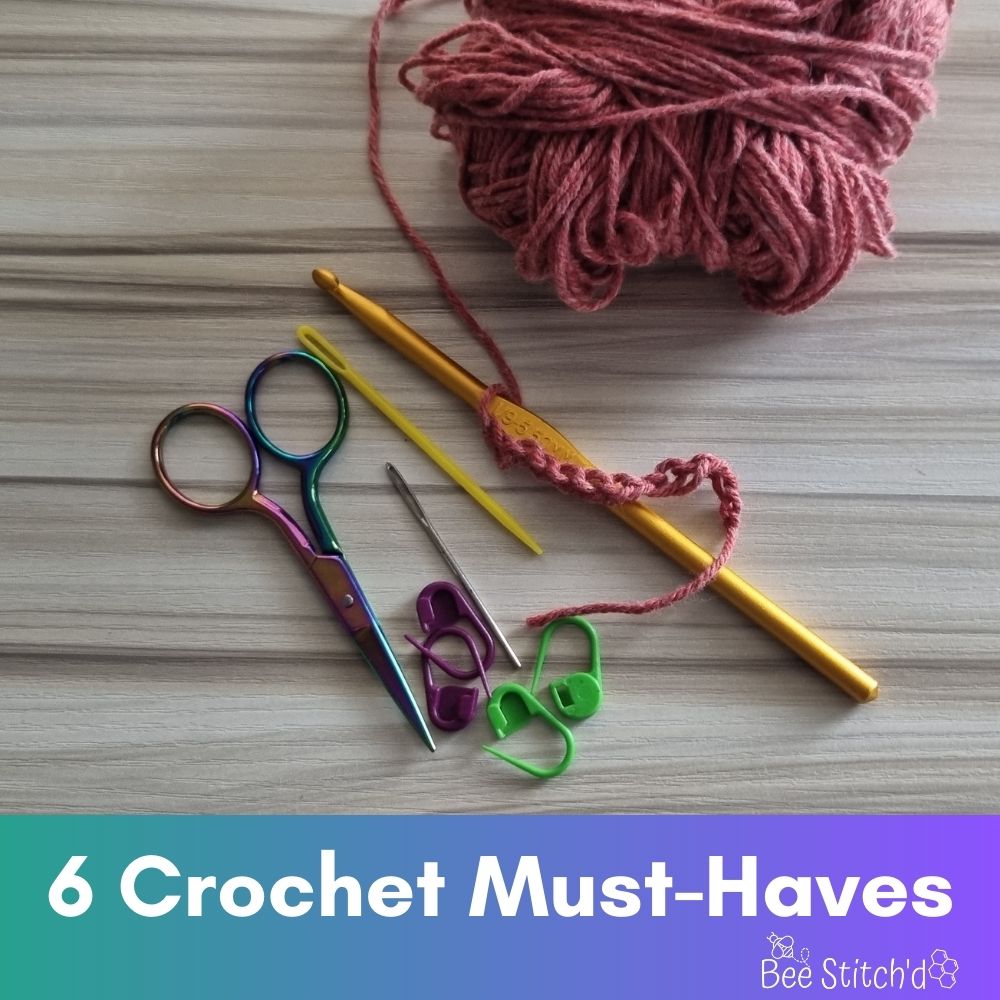
If you are looking to start crocheting with the intent of generating online income or building a small business, your “shopping list” is not just about tools—it is about assets. Here is a comprehensive breakdown of what you need to launch a financially sustainable crocheting venture.
1. Capital Allocation: The Essential Startup Inventory
Every business requires an initial investment, and in the world of fiber arts, your “seed money” goes toward raw materials and production tools. The goal is to balance quality with cost-efficiency to ensure your eventual profit margins remain healthy.
Sourcing High-Margin Raw Materials
In the “Money” niche, your yarn is your inventory. To maximize your Return on Investment (ROI), you must understand the difference between retail purchasing and wholesale sourcing. Starting out, you may be tempted to buy single skeins at a local craft store. However, for a business, this is unsustainable. You need to identify “workhorse” yarns—materials that are durable, machine-washable, and cost-effective—such as high-quality acrylics or cotton blends. By purchasing in “packs” or sourcing directly from wholesalers, you reduce your per-unit cost, which directly increases your net profit on every item sold.
Investing in Ergonomic Capital Assets
In a labor-intensive business like crocheting, your hands are your most valuable asset. Investing in a set of high-quality ergonomic crochet hooks is not a luxury; it is a preventative measure against repetitive strain injuries that could halt production. From a financial perspective, high-end hooks (such as those with silicone grips or specific tapered heads) are capital expenditures that improve efficiency. The faster you can produce a unit without fatigue, the higher your hourly “wage” becomes.
Notions and Peripheral Costs
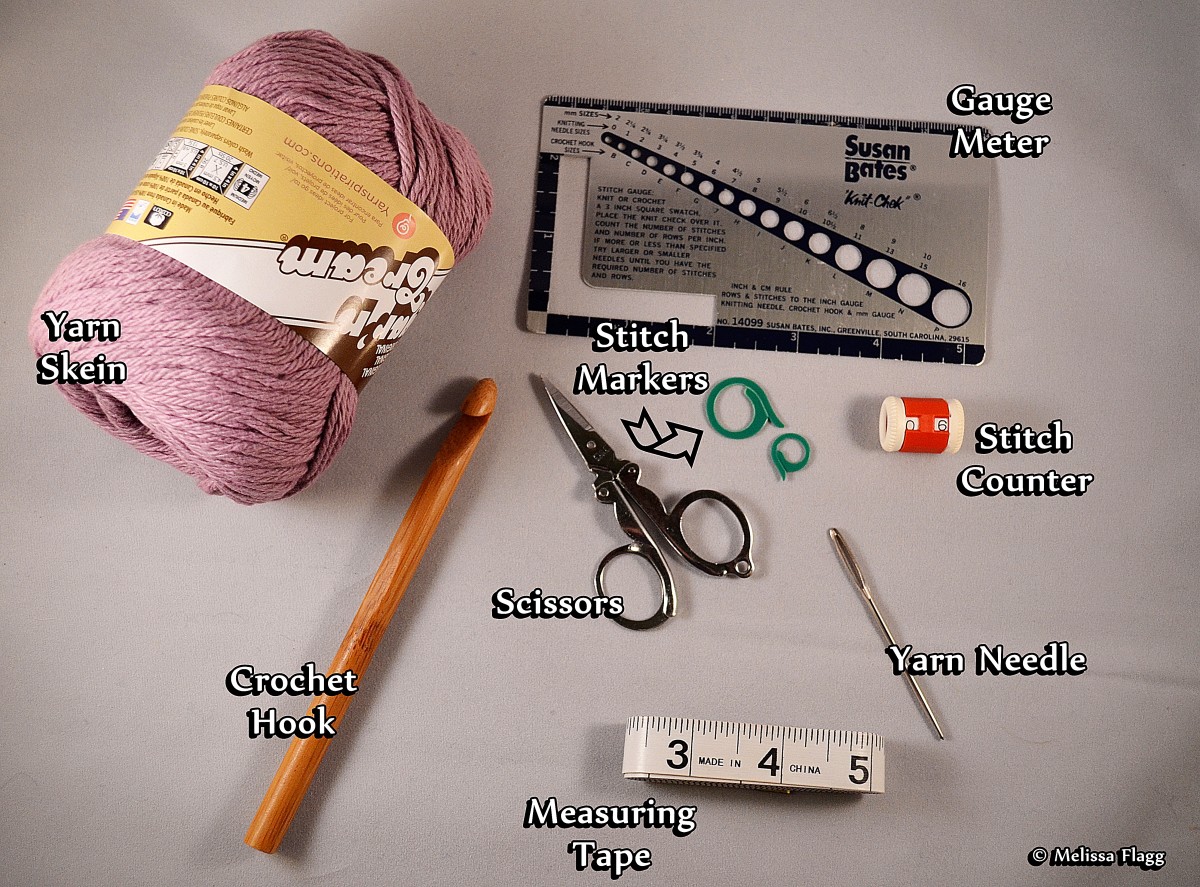
Beyond the hook and yarn, a professional setup requires “notions”—small tools like stitch markers, darning needles, measuring tapes, and digital scales. A digital scale is particularly important for financial tracking; it allows you to weigh your finished products to calculate the exact amount of yarn used, ensuring your pricing reflects the true cost of materials down to the gram.
2. Developing a Pricing Architecture for Profitability
One of the most common pitfalls for new creative entrepreneurs is underpricing. To start a crocheting business, you need a firm grasp of mathematical pricing models. You are not just selling a hat; you are selling your time, your expertise, and your overhead.
The Labor-Plus-Materials Formula
A professional pricing strategy usually follows a standard formula: (Cost of Materials + Labor) x Markup = Wholesale Price. To determine your labor cost, you must set a competitive hourly rate for yourself—ideally nothing less than a living wage. If a project takes five hours and your rate is $20/hour, your labor cost is $100. Adding a markup (typically 2x for retail) ensures that your business stays afloat after you account for platform fees and taxes. Without this structured approach, you aren’t running a business; you are paying for a hobby.
Factoring in Overhead and Hidden Expenses
Many beginners forget to include “invisible” costs in their financial planning. When starting out, you must account for the cost of lighting, internet for your storefront, packaging materials (tissue paper, thank-you notes, poly-mailers), and shipping labels. These “micro-costs” can erode a 20% profit margin very quickly if they are not integrated into your base price.
Market Research and Value-Based Pricing
While the cost-plus model is a great baseline, you must also understand “value-based pricing.” This involves researching your niche—whether it is amigurumi (plushies), slow-fashion garments, or home décor—and seeing what the market is willing to pay. If your brand offers a unique aesthetic or uses luxury fibers like alpaca or silk, you can command a premium price that far exceeds the basic labor-plus-materials calculation.
3. Digital Infrastructure and Distribution Channels
In the digital age, your “storefront” is your most critical piece of software. To start crocheting for profit, you need a platform that connects your inventory with a global audience.
Choosing the Right E-commerce Platform
For those starting with limited capital, platforms like Etsy offer a low barrier to entry but come with a complex fee structure (listing fees, transaction fees, and payment processing fees). Alternatively, building a Shopify site or using a social media-integrated shop (like Instagram or TikTok Shop) gives you more control over your branding but requires a more significant investment in marketing. You must weigh the “rent” of a platform like Etsy against the “marketing spend” required to drive traffic to an independent site.
Financial Tools for Transaction Management
Professionalism in the money niche requires transparent bookkeeping. You will need a dedicated business bank account and a way to track expenses. Using software like QuickBooks or even a dedicated Excel spreadsheet to log every yarn purchase and every sale is vital. This not only helps during tax season but also provides data-driven insights into which products are your “best-sellers” and which are “money-losers.”
The Role of Digital Products in Revenue Diversification
One of the smartest financial moves a crocheter can make is moving from selling physical goods to selling digital patterns (PDFs). This represents “passive income.” Once you design a pattern and digitize it, the cost of replication is zero. By selling the “how-to” alongside the “what,” you create a scalable business model that is not limited by how many hours you can physically crochet in a day.
4. Brand Strategy and Market Positioning
To compete in a crowded marketplace, your business needs a clear identity. This is the difference between being a “person who crochets” and a “fiber arts brand.”
Defining Your Niche and Target Demographic
Trying to sell everything to everyone is a recipe for financial failure. To maximize your marketing spend, you must identify a specific niche. Are you focusing on eco-conscious consumers using organic cotton? Are you targeting the high-end luxury market with bespoke bridal accessories? Or are you tapping into the “kidcore” trend with bright, nostalgic plushies? A defined niche allows for more targeted (and therefore more cost-effective) advertising.
Visual Content as a Marketing Investment
In the online space, your photos are your sales team. High-quality, professional photography is a requirement, not an option. You don’t necessarily need a $2,000 camera, but you do need an environment with good natural light and a clean aesthetic that reflects your brand’s price point. Investing time into learning basic photo editing and social media algorithms is a crucial part of your “unpaid” labor that pays dividends in brand recognition and customer trust.
Customer Retention and Life-Cycle Value
The cost of acquiring a new customer is significantly higher than the cost of retaining an old one. To build a sustainable income, you should implement systems like email marketing or loyalty discounts. Providing a “unboxing experience” with professional packaging can turn a one-time buyer into a brand advocate, increasing the “Lifetime Value” (LTV) of each customer and stabilizing your monthly revenue.
Conclusion: Turning Fiber into Finance
Starting a crocheting venture is an exercise in small-business management. While the craft itself is tactile and creative, the “start-up” requirements are purely analytical. By focusing on smart material sourcing, rigorous pricing models, scalable digital products, and a professional online presence, you can transform a simple hook and yarn into a robust source of income.
Success in this field requires a shift in mindset: you are no longer just making things; you are manufacturing products, managing a supply chain, and building a brand. With the right financial foundation, crocheting offers a low-overhead, high-flexibility path to financial independence in the burgeoning creator economy.
aViewFromTheCave is a participant in the Amazon Services LLC Associates Program, an affiliate advertising program designed to provide a means for sites to earn advertising fees by advertising and linking to Amazon.com. Amazon, the Amazon logo, AmazonSupply, and the AmazonSupply logo are trademarks of Amazon.com, Inc. or its affiliates. As an Amazon Associate we earn affiliate commissions from qualifying purchases.