
The leap from a concept to a functioning commercial entity is often romanticized as a journey of passion and creativity. However, beneath the surface of every successful venture lies a rigid foundation of financial planning, capital management, and fiscal discipline. When asking “what do you need to start a business” through the lens of finance, the answer is not merely “money,” but rather a sophisticated understanding of how money moves, grows, and protects your vision.
In the modern economic landscape, the barrier to entry has lowered, but the complexity of financial survival has increased. Whether you are launching a digital side hustle or a brick-and-mortar enterprise, your primary requirement is a comprehensive financial blueprint. This article explores the essential monetary components required to transition from an aspiring founder to a business owner.
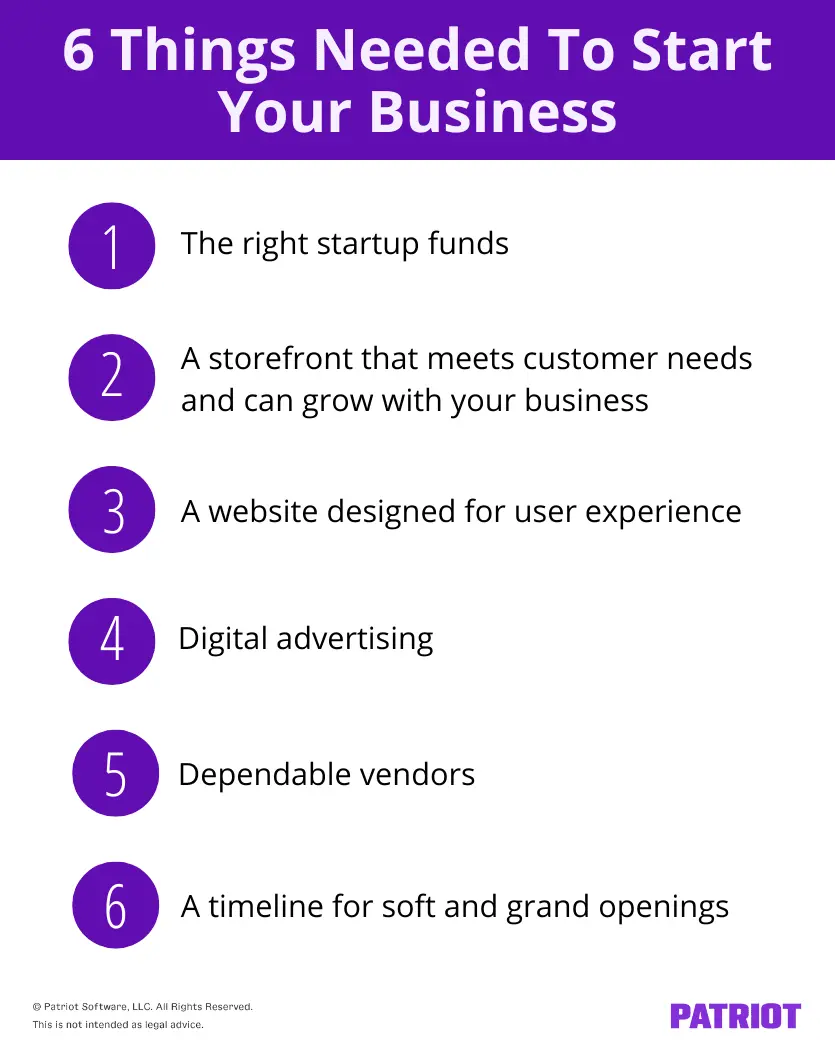
1. Securing and Allocating Initial Capital
Every business requires a “day zero” investment. Before the first sale is made, expenses accrue. Identifying where this money comes from and how it is prioritized determines the trajectory of your growth and the level of control you retain over your company.
The Art of Bootstrapping and Self-Funding
For many modern entrepreneurs, the first source of capital is personal savings. Bootstrapping—building a company from the ground up with personal personal finances and operating revenues—is a testament to fiscal leaness. The primary advantage of this approach is the retention of 100% equity. When you fund your own business, you are the sole decision-maker regarding reinvestment and pivot strategies. However, bootstrapping requires a disciplined personal budget. You must ensure that your “runway”—the amount of time you can survive before the business becomes profitable—is clearly calculated against your personal cost of living.
External Funding: Debt vs. Equity
When personal savings are insufficient, or when a business model requires rapid scaling, external capital becomes necessary. This generally falls into two categories: debt and equity.
- Debt Financing: This includes small business loans, lines of credit, or equipment leasing. The benefit is that you retain ownership; the drawback is the obligation of monthly repayments regardless of your profit margins.
- Equity Financing: This involves bringing on angel investors or venture capitalists in exchange for a percentage of the company. While this provides a significant cash infusion without the immediate burden of repayment, it dilutes your ownership and introduces external stakeholders into your governance structure.
Calculating Your “Burn Rate” and Runway
Before spending a single dollar, you must calculate your “burn rate”—the rate at which your business spends its venture capital to finance overhead before generating positive cash flow. If you start with $50,000 and your monthly expenses are $5,000, you have a 10-month runway. Understanding this number is the difference between a calculated risk and a financial disaster. Starting a business requires the foresight to know exactly when the “gas tank” will hit empty and having a plan to refuel through revenue or further investment.
2. Establishing a Robust Financial Infrastructure
Once capital is secured, the next requirement is the machinery to manage it. Many businesses fail not because they lack a good product, but because they lack the visibility into their own financial health. You need a system that tracks every cent with precision.
Business Banking and Legal Separation
One of the most critical financial steps in starting a business is the absolute separation of personal and business finances. This begins with establishing a dedicated business bank account and obtaining a business credit card. From a tax perspective, co-mingling funds is a nightmare that can lead to “piercing the corporate veil,” potentially making you personally liable for business debts. Furthermore, a dedicated business credit profile allows you to build a “Paydex” score, which is essential for securing larger loans or favorable terms with suppliers in the future.
Accounting Software and Real-Time Reporting
The days of spreadsheets and shoeboxes full of receipts are over. To start a business today, you need a cloud-based accounting ecosystem (such as QuickBooks, Xero, or FreshBooks). These tools provide more than just a place to log expenses; they offer real-time financial reporting. An entrepreneur must be able to generate a Profit and Loss (P&L) statement, a Balance Sheet, and a Cash Flow Statement at the click of a button. Understanding these documents allows you to identify which parts of your business are hemorrhaging cash and which are driving the most significant ROI.
Tax Readiness and Compliance
Taxation is often the largest expense a business faces, yet it is frequently the most overlooked during the startup phase. Depending on your jurisdiction and business structure (LLC, S-Corp, C-Corp), your tax obligations will vary significantly. You need a strategy for estimated quarterly tax payments, payroll taxes, and sales tax nexus. Starting a business requires a “tax-first” mindset, ensuring that a portion of every dollar earned is set aside in a high-yield savings account to meet government obligations, preventing a liquidity crisis during tax season.

3. Developing a Sustainable Revenue Model
Money coming in is the only thing that proves a business concept is viable. To start a business, you need more than just a price tag; you need a revenue model that accounts for the hidden costs of doing business.
Unit Economics: LTV vs. CAC
At the heart of every successful business finance strategy is the relationship between Life-Time Value (LTV) and Customer Acquisition Cost (CAC).
- CAC: How much does it cost in marketing, sales, and overhead to acquire one new customer?
- LTV: How much total revenue will that customer generate for your business over the duration of your relationship?
If your CAC is $50 but your LTV is only $40, your business is fundamentally broken regardless of how much “funding” you have. Starting a business requires a deep dive into these unit economics to ensure that as you scale, your profits grow faster than your expenses.
Pricing Strategies and Profit Margins
Determining your price point is a financial exercise, not just a marketing one. You must account for Cost of Goods Sold (COGS), which includes the direct costs of producing your product or service. However, many entrepreneurs fail to include “soft costs” like software subscriptions, insurance, and their own time. To start a business, you need a pricing strategy—whether it is cost-plus pricing, value-based pricing, or competitive pricing—that guarantees a gross margin healthy enough to cover your fixed operating expenses and leave room for a net profit.
Diversifying Income Streams
Relying on a single product or a single client is a significant financial risk. A mature business plan identifies ways to diversify income. This might include a mix of one-time sales and recurring subscription revenue, or a “freemium” model that leads to high-ticket consulting. Diversification provides a financial buffer; if one segment of the market dips, the others can sustain the business.
4. Managing Growth and Financial Risk Mitigation
The final piece of what you need to start a business is a defensive strategy. Success brings its own set of financial challenges, and without risk management, a sudden spike in growth can actually bankrupt a company through “overtrading”—growing faster than your cash flow can support.
The Business Emergency Fund
Just as individuals need an emergency fund, businesses need a liquidity reserve. Market fluctuations, global supply chain disruptions, or the loss of a major client can happen at any time. Financial experts typically recommend holding three to six months of operating expenses in a liquid, low-risk account. This reserve isn’t “dead money”; it is the “sleep-at-night” fund that ensures you don’t have to make desperate, equity-diluting decisions when the economy slows down.
Reinvestment vs. Distribution
When the business starts seeing its first real profits, the entrepreneur faces a choice: distribute the money as a dividend (pay yourself) or reinvest it into the company. To start and sustain a business, you must have a clear reinvestment strategy. Whether it’s upgrading technology, hiring key talent, or increasing your marketing spend, every dollar of profit should be treated as a tool for further wealth creation. A “Money-first” entrepreneur understands that early-stage profits are often better spent on compounding the business’s value than on personal luxury.
Insurance and Asset Protection
Finally, starting a business requires protecting what you’ve built. This involves various types of insurance: Professional Liability, General Liability, Cyber Insurance, and potentially Key Person Insurance. These are financial products designed to prevent a single lawsuit or disaster from wiping out your entire capital base. While insurance is an expense, in the context of business finance, it is an essential investment in the longevity of the enterprise.

Conclusion
Starting a business is, at its core, a sophisticated exercise in capital allocation. While the “idea” provides the spark, the financial infrastructure provides the fuel. To succeed, you need more than a product; you need a mastery of your numbers. You need to know your burn rate, understand your unit economics, maintain a rigorous separation between personal and professional assets, and always keep a watchful eye on your cash flow.
By focusing on these financial pillars—capital sourcing, infrastructure, revenue modeling, and risk mitigation—you transform a risky gamble into a strategic investment. Entrepreneurship is not about how much money you can make in the short term, but about how effectively you can manage the money you have to build a sustainable, profitable future.
aViewFromTheCave is a participant in the Amazon Services LLC Associates Program, an affiliate advertising program designed to provide a means for sites to earn advertising fees by advertising and linking to Amazon.com. Amazon, the Amazon logo, AmazonSupply, and the AmazonSupply logo are trademarks of Amazon.com, Inc. or its affiliates. As an Amazon Associate we earn affiliate commissions from qualifying purchases.