
In an era of economic volatility and constant consumerist pressure, the ability to save money has transitioned from a basic life skill to a critical strategic advantage. Saving is not merely the act of hoarding currency; it is the process of deferred gratification to ensure future security, facilitate investment, and provide the freedom to make life choices without the constraints of financial desperation.
To master the art of saving, one must look beyond simple coupon-clipping. It requires a holistic approach that combines psychological shifts, structural budgeting, and the utilization of modern financial tools. This guide explores the multifaceted world of personal finance to provide a roadmap for building a robust financial reserve.
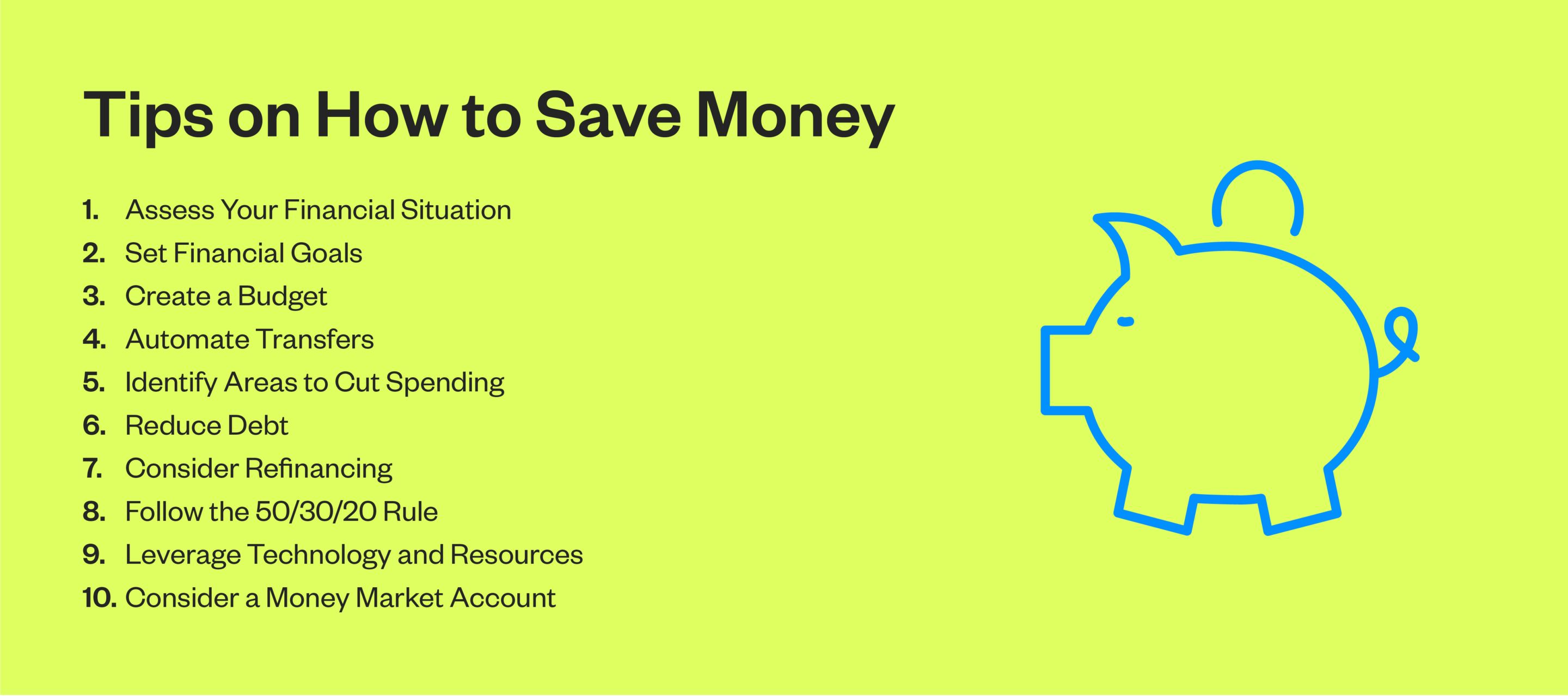
The Psychology of Saving: Shifting from Scarcity to Abundance
Before a single dollar can be tucked away, the individual must address the mental framework through which they view money. Most people fail to save not because they lack income, but because their psychological relationship with spending is reactive rather than proactive.
Understanding Your “Money Script”
Every individual carries a “money script”—a set of unconscious beliefs about money developed in childhood. Some view money as a source of status, others as a source of anxiety. Those who view saving as “deprivation” will always struggle to maintain a high savings rate. To save effectively, you must rewrite this script to view saving as “buying your future freedom.” When you choose not to buy a luxury item today, you are not losing a product; you are gaining the security of tomorrow.
The Power of Intentionality over Deprivation
Sustainable saving is never about living a life of “no.” Instead, it is about “selective yes.” This is the concept of value-based spending. By identifying what truly brings value to your life—whether it is travel, education, or home comfort—you can ruthlessly cut expenses in categories that do not matter. This intentionality prevents the “drift” of capital into mindless purchases, allowing your savings to grow without the feeling of a restricted lifestyle.
Building a Structural Foundation: Budgeting Systems that Work
A goal without a system is just a wish. To save consistently, you need a structural framework that dictates where every dollar goes before it even hits your bank account.
The 50/30/20 Rule: A Balanced Framework
For those beginning their financial journey, the 50/30/20 rule offers a simple yet effective starting point. Under this model, 50% of your after-tax income goes toward “Needs” (housing, utilities, groceries), 30% goes toward “Wants” (dining out, hobbies), and 20% is strictly allocated to “Savings” and debt repayment. This ensures that saving is treated as a non-negotiable fixed cost rather than an afterthought.
Zero-Based Budgeting for Maximum Efficiency
For those looking to optimize their savings, zero-based budgeting is the gold standard. In this system, every dollar of income is assigned a specific job—be it rent, groceries, or a high-yield savings account—until the total remaining balance is zero. This prevents “leakage,” where small, unaccounted-for amounts of money disappear into miscellaneous spending. By giving every cent a destination, you maximize the velocity of your savings.
Automating Your Savings Habit
The greatest enemy of saving is human willpower. Willpower is a finite resource that is often exhausted by the end of a workday. To circumvent this, you must automate your savings. Set up a direct deposit from your payroll so that a percentage of your paycheck goes directly into a separate savings or brokerage account before you ever see it. If the money is never in your checking account, you cannot spend it. Automation turns saving from an active decision into a passive default.
Strategic Expense Reduction without Sacrificing Quality of Life

While increasing income is vital, the most immediate way to boost your savings rate is to optimize your current outflow. This does not mean living in a cold house or eating nothing but ramen; it means applying a professional level of scrutiny to your expenditures.
Auditing Recurring Subscriptions and Fixed Costs
In the modern digital economy, many households suffer from “subscription creep.” Small monthly charges for streaming services, software, and memberships can quietly erode hundreds of dollars a month. A quarterly audit of your bank statements is essential. If you haven’t used a service in the last 30 days, cancel it. Furthermore, negotiating fixed costs—such as insurance premiums, internet bills, and cell phone plans—can yield significant annual savings with minimal effort.
The Art of Mindful Consumption
High-volume saving is often a byproduct of mindful consumption. This involves implementing a “wait period” for non-essential purchases. By instituting a 48-hour or 30-day rule for any purchase over a certain dollar amount, you allow the initial dopamine hit of “wanting” to subside. Often, you will find that the desire to purchase the item vanishes, leaving the capital in your pocket.
Leveraging Technology for Cashback and Discounts
Modern financial tools have made it easier than ever to save while you spend. Utilizing cashback credit cards (paid in full every month to avoid interest), browser extensions that find coupon codes, and loyalty programs can shave 2–5% off your annual expenses. While these amounts seem small, when compounded over a year, they represent a significant injection into your savings pool.
Advanced Saving Strategies: Beyond the Piggy Bank
Once the habit of saving is established, the focus must shift from how much you save to where those savings reside. Not all savings are created equal; the location of your funds determines their growth and accessibility.
High-Yield Savings Accounts (HYSA) and Money Market Funds
Keeping your savings in a traditional big-bank checking account is a strategic error. With inflation constantly eroding the purchasing power of the dollar, your money needs to work for you. High-yield savings accounts and money market funds offer significantly higher interest rates than standard accounts while maintaining full liquidity. This allows your emergency fund to grow passively through the power of interest.
Tax-Advantaged Savings Vehicles
To save like a professional, one must understand tax drag. In many jurisdictions, government-sponsored accounts (like 401(k)s, IRAs, or ISAs) allow you to save money either pre-tax or tax-free. By utilizing these accounts, you effectively “save” the money that would have otherwise gone to the government. This is one of the most potent ways to accelerate the growth of your net worth.
The Concept of the “Opportunity Fund”
While most people save for emergencies, the wealthy save for opportunities. An “Opportunity Fund” is a pool of liquid capital specifically earmarked for taking advantage of market downturns, business ventures, or distressed assets. Having this cash on hand allows you to “buy low” when others are forced to sell, effectively turning your savings into a tool for massive wealth creation.
Maintaining Momentum: Overcoming Common Financial Hurdles
The journey to high-level saving is rarely a straight line. It is a marathon that requires constant adjustment and resilience against external pressures.
Navigating Lifestyle Inflation
As your career progresses and your income increases, the natural tendency is “lifestyle inflation”—upgrading your car, home, and wardrobe in lockstep with your raises. This is the primary reason many high-earners remain “paycheck to paycheck.” To combat this, aim to “save your raises.” If you receive a 10% salary increase, live on your old salary and divert the entire 10% into savings. This allows your wealth to grow exponentially while your cost of living remains stable.
Managing Unexpected Expenses and Emergency Funds
The “surprise” expense is the most common reason people stop saving. A car repair or a medical bill can feel like a setback that invalidates months of hard work. This is why a dedicated emergency fund (typically 3–6 months of expenses) is the cornerstone of any financial plan. This fund acts as a “buffer” between your life and your long-term savings, ensuring that when the unexpected happens, you don’t have to raid your future to pay for the present.

The Long-Game Perspective
Ultimately, “how to save” is a question of endurance. It is about understanding that wealth is not what you spend, but what you keep. By combining a disciplined psychological approach, automated structural systems, and intelligent placement of capital, you can move beyond the stress of financial instability. Saving is the ultimate act of self-care; it is the gift of security and choice that you give to your future self.
aViewFromTheCave is a participant in the Amazon Services LLC Associates Program, an affiliate advertising program designed to provide a means for sites to earn advertising fees by advertising and linking to Amazon.com. Amazon, the Amazon logo, AmazonSupply, and the AmazonSupply logo are trademarks of Amazon.com, Inc. or its affiliates. As an Amazon Associate we earn affiliate commissions from qualifying purchases.