
The Foundation: Education and Licensure as Your Business Blueprint
Becoming a veterinarian is not just about a love for animals; it’s about building a robust and sustainable business. The initial phase of your career is dedicated to establishing the fundamental “intellectual property” – your knowledge and credentials – which forms the bedrock of your professional enterprise. This requires a significant investment of time and capital, akin to launching any high-value business.
The Academic Journey: Building Your Core Competencies
The path to becoming a veterinarian begins with a rigorous academic curriculum. This isn’t merely about passing exams; it’s about acquiring the specialized knowledge and skills that will differentiate your practice and attract clients.
Undergraduate Prerequisites: Laying the Groundwork for Specialization
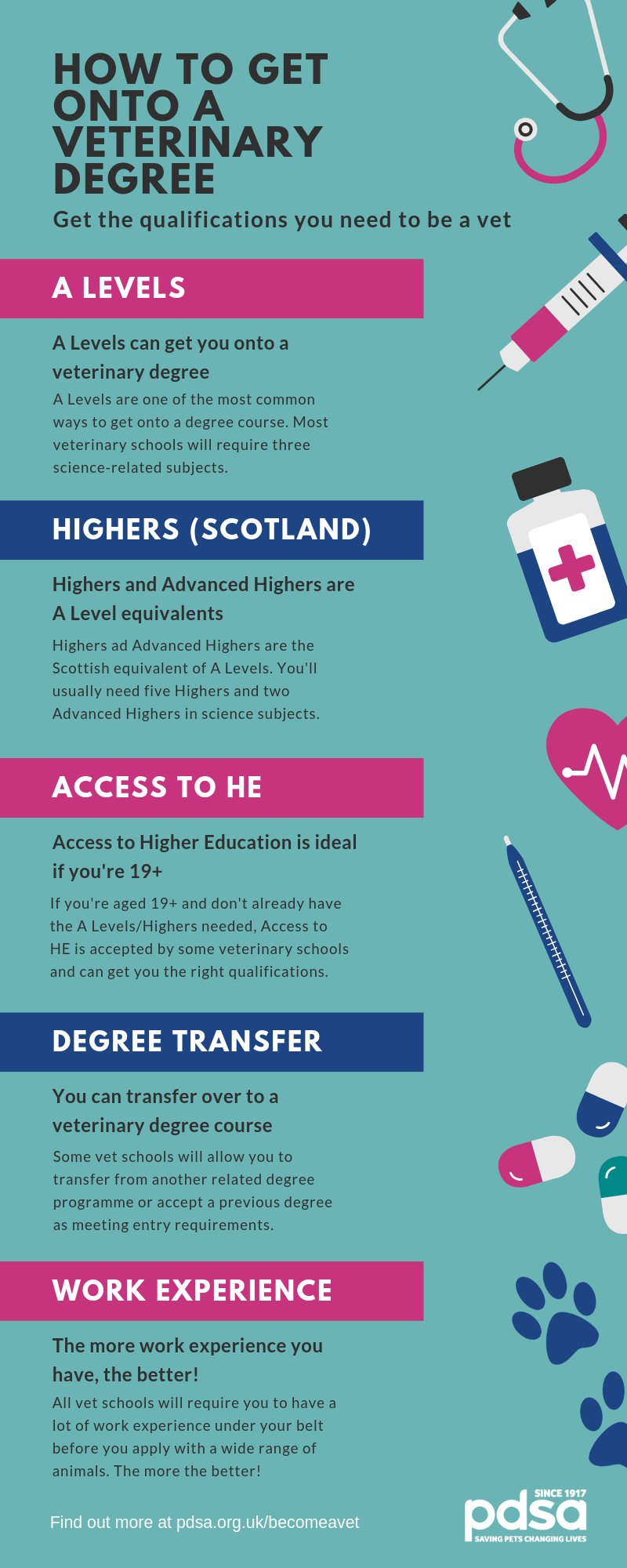
Before even applying to veterinary school, you’ll need to complete a bachelor’s degree. While a specific major isn’t always mandated, certain coursework is universally required. These often include biology, chemistry (general and organic), physics, mathematics (calculus and statistics), and English. These foundational subjects are crucial for understanding the complex biological systems you’ll be treating and for effectively communicating with clients and colleagues. Think of these courses as your initial market research and feasibility studies, ensuring you have the essential understanding of the “product” – animal health – before investing in further development. Your GPA in these subjects is your first key performance indicator, demonstrating your potential to stakeholders (admissions committees).
The Doctor of Veterinary Medicine (DVM) Program: Your Core Business Development
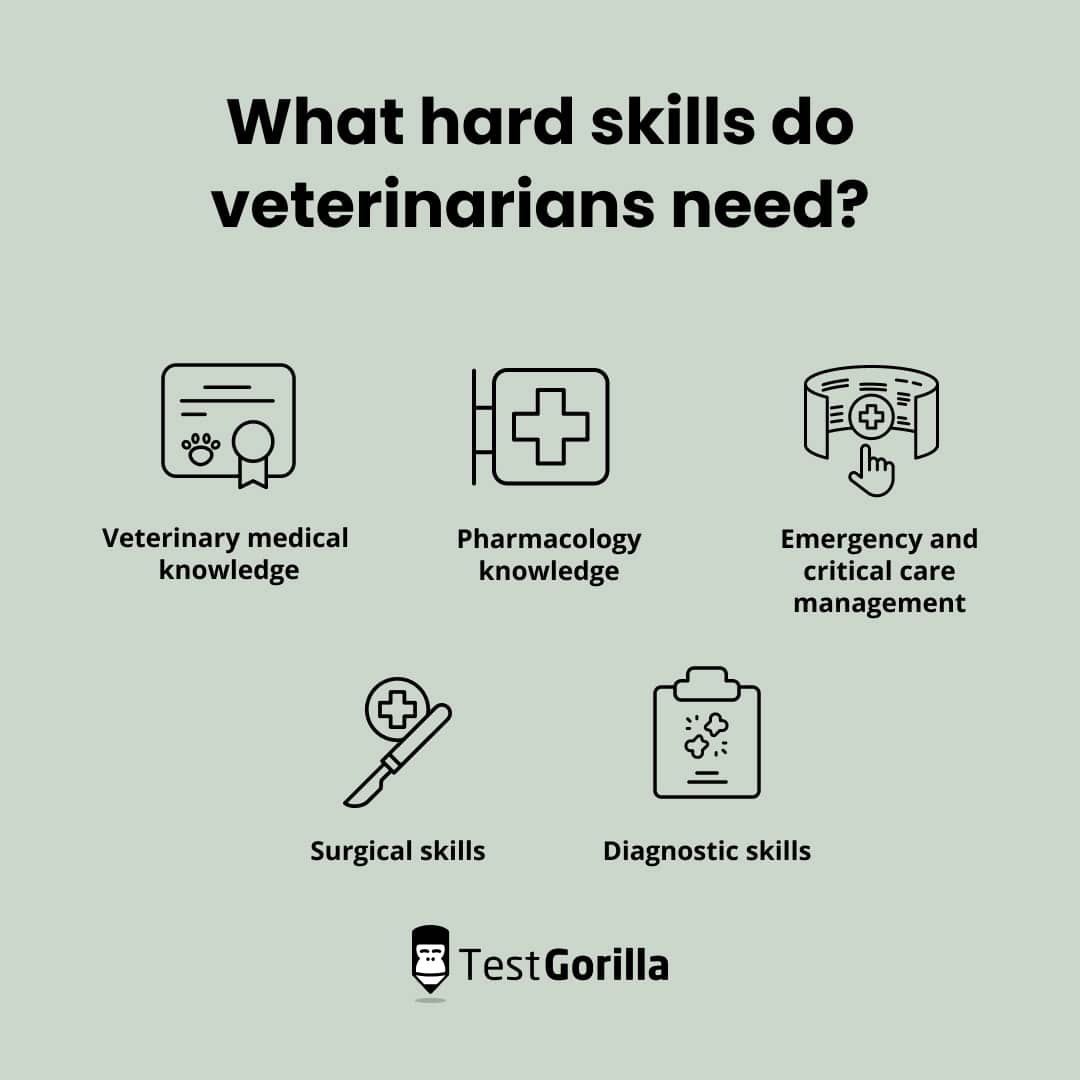
Veterinary school itself is a multi-year, intensive program, typically four years. This is where you’ll delve deep into veterinary anatomy, physiology, pharmacology, surgery, internal medicine, and diagnostic imaging, among other disciplines. This period is your product development phase, where you’re acquiring the core competencies that will define your service offerings. Specializations within veterinary medicine, such as surgery, internal medicine, oncology, or dermatology, are akin to developing niche product lines within your business. Early exposure to different specialties through externships and electives allows you to identify areas with high market demand and personal interest, informing your future business strategy. The high tuition costs associated with DVM programs represent a significant initial capital expenditure, comparable to the investment required to build a manufacturing plant or develop complex software.
The Licensing Examination: Securing Your Operating License
Upon graduation, you are not yet authorized to practice independently. You must pass the North American Veterinary Licensing Exam (NAVLE) and any state-specific licensing exams. This is your business’s regulatory approval, a crucial step that grants you the legal right to operate. Without this license, your business is non-existent in the eyes of the law and the public. The rigorous nature of these exams ensures that you meet a high standard of competency, protecting the public (animal owners) and maintaining the integrity of the profession, much like any regulated industry requires certifications and compliance.
Continuing Education: Keeping Your Business Relevant and Competitive
The business of animal healthcare is not static. Advances in medical technology, pharmaceuticals, and surgical techniques emerge constantly. To remain competitive and provide the best possible care, veterinarians must engage in continuous professional development.
Staying Ahead of the Curve: Investing in Advanced Training
CE requirements are mandated by licensing boards and are essential for maintaining your license. However, proactive veterinarians go beyond minimum requirements. Attending specialized workshops, conferences, and pursuing board certification in a chosen specialty are akin to investing in R&D and advanced training for your team. This allows you to offer cutting-edge services, attract complex cases, and command higher service fees, thereby increasing your revenue potential and market share. Think of a specialist dermatologist as a highly specialized software developer, capable of tackling intricate problems with advanced tools.
Embracing New Technologies: Upgrading Your Toolkit
Technological advancements are revolutionizing veterinary medicine. From advanced diagnostic imaging (CT scans, MRIs) and minimally invasive surgical equipment to sophisticated practice management software and telemedicine platforms, adopting new technologies is crucial for efficiency and efficacy. This is your business’s tech upgrade cycle. Failing to invest in modern equipment and software can lead to decreased productivity, higher operational costs, and a diminished ability to compete with practices that have embraced innovation. These investments are not just expenditures; they are strategic capital outlays that can significantly boost your business’s profitability and client satisfaction.
Building Your Brand: Establishing Trust and Differentiation in a Competitive Market
Beyond the technical skills, the success of a veterinary practice hinges on its brand. In a field where trust and emotional connection are paramount, a strong brand identity can be the key differentiator.
Crafting Your Unique Selling Proposition (USP): What Makes You Stand Out?
In any market, identifying what makes your business unique is vital. For a veterinarian, this might be a specialization in exotic animals, a focus on preventative care, a commitment to fear-free handling techniques, or an exceptional client communication approach.
Identifying Your Niche and Target Audience: Defining Your Market Segment
Just as a tech company might specialize in cybersecurity or a financial advisor focuses on retirement planning, veterinarians can carve out specific niches. Are you targeting owners of high-performance sporting dogs who require specialized rehabilitation? Or perhaps families with multiple cats needing a cat-friendly practice? Understanding your ideal client and their specific needs allows you to tailor your services and marketing efforts precisely. This is akin to market segmentation in business, allowing for targeted marketing campaigns and product development.
Developing Your Brand Voice and Messaging: Communicating Your Values

Your brand isn’t just a logo; it’s the sum of all interactions and perceptions clients have of your practice. Your brand voice – whether it’s compassionate, professional, cutting-edge, or community-oriented – should be consistent across all platforms. This messaging should clearly articulate your USP and the values that drive your practice. Are you emphasizing cutting-edge technology, gentle care, or accessible pricing? Consistent messaging builds recognition and trust, which are invaluable assets in the service industry.
The Digital Footprint: Your Online Presence as Your Virtual Storefront
In today’s interconnected world, your online presence is often the first impression potential clients have of your practice. This is your digital storefront, and it needs to be professionally designed and actively managed.
Website Design and User Experience: Your Digital Showroom
A well-designed, mobile-responsive website is essential. It should be easy to navigate, provide clear information about your services, veterinarians, and staff, and offer convenient online booking or appointment request features. Think of your website as a high-end product catalog and customer service portal. Poor website design or functionality can deter potential clients, just as an uninviting physical store would.
Social Media Engagement and Content Marketing: Building a Community
Social media platforms offer powerful tools for engaging with your community, sharing valuable pet care tips, showcasing patient success stories, and promoting your services. Consistent, high-quality content marketing can position you as an expert and build a loyal following. This is your content strategy, designed to attract and retain an audience, ultimately leading to customer acquisition. Sharing educational videos on pet nutrition, highlighting seasonal health concerns, or running Q&A sessions with your veterinarians are all effective content marketing tactics.
Online Reputation Management: Protecting Your Brand Equity
Online reviews, whether on Google, Yelp, or specialized veterinary review sites, significantly impact your reputation. Actively monitoring and responding to reviews – both positive and negative – is crucial for maintaining a positive online image. This is your brand reputation management. Promptly addressing client concerns demonstrates your commitment to customer satisfaction and can turn a potentially negative experience into a positive one, preserving your brand equity.
Financial Management and Growth: Ensuring the Sustainability of Your Practice
Ultimately, a veterinary practice is a business that needs to be financially sound to provide ongoing care and expand its services. This requires astute financial management and a strategic approach to growth.
Pricing Your Services: Balancing Value and Profitability
Determining the right price for your services is a delicate balancing act. You need to cover your operational costs, compensate your highly trained staff, invest in technology, and generate a profit, all while remaining competitive and perceived as offering good value by clients.
Cost Analysis and Overhead Management: Understanding Your Expenses
Every aspect of your practice has a cost, from rent and utilities to high-tech diagnostic equipment and specialized pharmaceuticals. Thoroughly understanding your overhead and cost of goods sold for each service is essential. This data informs your pricing strategy and helps identify areas where efficiencies can be gained. Just as a manufacturer needs to track raw material costs and labor, you need to know the true cost of providing a specific medical procedure.
Value-Based Pricing and Service Packaging: Maximizing Revenue Streams
Instead of simply charging for individual services, consider value-based pricing and packaging. Bundling services like puppy or kitten wellness packages, which include vaccinations, microchipping, and initial consultations, can offer clients convenience and perceived value, while also ensuring a more predictable revenue stream for your practice. Offering tiered service packages can cater to different budget levels and needs. This is your product bundling and pricing strategy, designed to optimize revenue and customer acquisition.
Investment and Expansion: Scaling Your Business for the Future
As your practice grows and your reputation solidifies, you’ll face opportunities for expansion and further investment. Strategic planning is key to ensuring sustainable growth.
Capital Investment in Technology and Facilities: Future-Proofing Your Practice
Investing in new diagnostic equipment, upgrading your surgical suites, or expanding your clinic space are significant capital expenditures. These investments are not just about meeting current demand; they are about future-proofing your practice, enabling you to offer advanced services and attract a wider range of clients. This is akin to a tech company investing in new server infrastructure or a manufacturing firm acquiring advanced machinery. The return on these investments can be seen in increased efficiency, enhanced diagnostic capabilities, and the ability to handle more complex cases, ultimately driving revenue growth.
Exploring Diverse Revenue Streams: Beyond Traditional Practice
Consider diversifying your revenue streams. This could include offering specialized services like pet grooming, hydrotherapy, or boarding, or even developing your own line of pet health products. Telemedicine has also emerged as a significant revenue generator, allowing you to consult with clients remotely for follow-up care or minor issues, expanding your reach and convenience. These initiatives are your business diversification strategies, aimed at creating multiple income sources and reducing reliance on a single revenue channel, thereby enhancing financial resilience.
Financial Planning and Funding: Securing Your Practice’s Future
Securing adequate funding for expansion or major capital investments is crucial. This might involve seeking loans from financial institutions, securing lines of credit, or reinvesting profits. Developing a comprehensive business plan that outlines your growth strategy, market analysis, and financial projections is essential when seeking external funding. Smart financial planning ensures that your practice not only survives but thrives, providing excellent animal healthcare for years to come. This is your long-term financial strategy, securing the stability and growth of your veterinary business.
aViewFromTheCave is a participant in the Amazon Services LLC Associates Program, an affiliate advertising program designed to provide a means for sites to earn advertising fees by advertising and linking to Amazon.com. Amazon, the Amazon logo, AmazonSupply, and the AmazonSupply logo are trademarks of Amazon.com, Inc. or its affiliates. As an Amazon Associate we earn affiliate commissions from qualifying purchases.