
The transition from physical media to digital streaming has fundamentally reshaped how we consume art. At the forefront of this revolution is Spotify, a platform that has evolved from a simple music player into a complex ecosystem of audio content. While the “freemium” model allowed Spotify to scale globally, the Premium tier represents the pinnacle of the platform’s technological capabilities. Understanding what you get with Spotify Premium requires looking beyond the simple removal of advertisements; it involves an exploration of software optimization, high-fidelity audio engineering, and sophisticated algorithmic personalization.
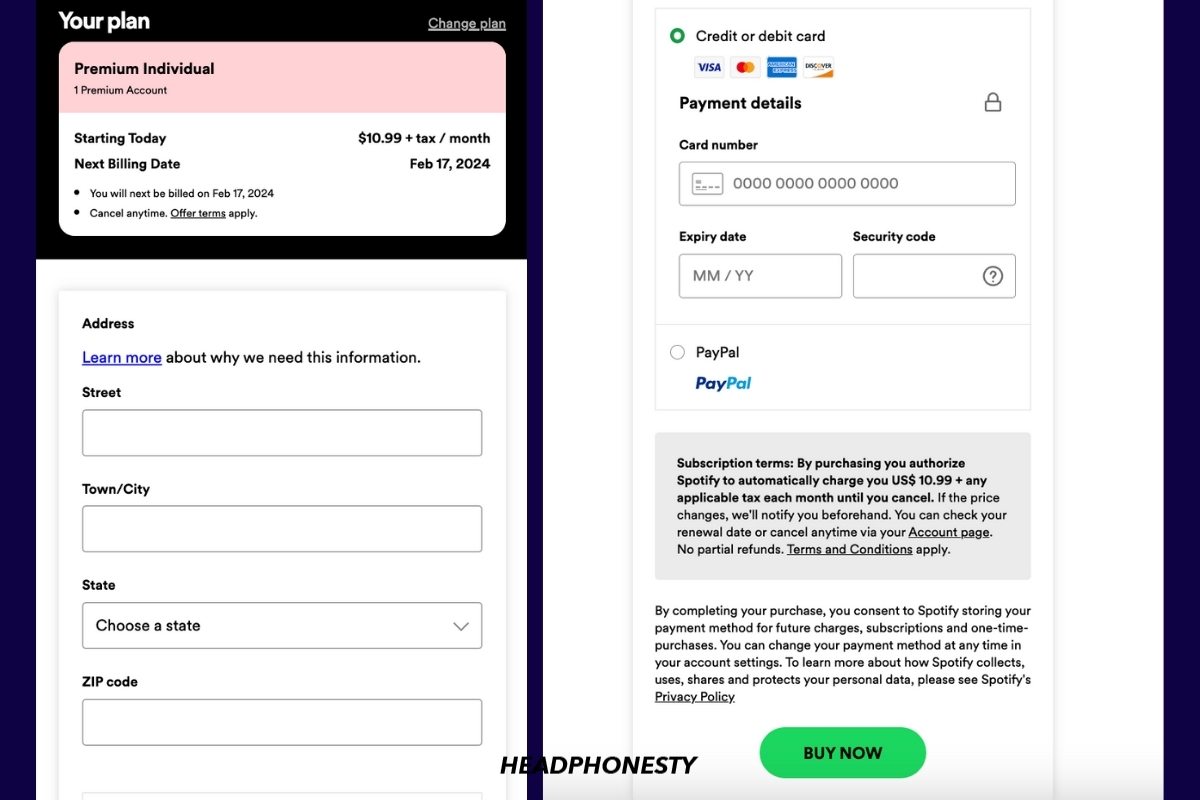
The Core Functional Upgrades: Seamlessness and Control
The primary reason users migrate to the Premium tier is the immediate removal of the friction inherent in the free version. From a software perspective, the free tier is a controlled environment designed to incentivize upgrading, whereas Premium is a tool designed for power users who prioritize UX (User Experience) and autonomy.
Ad-Free Listening and the UX Impact
In the free version of Spotify, the user experience is frequently interrupted by audio and visual advertisements. From a technical standpoint, these interruptions are more than just nuisances; they disrupt the “flow” of the application’s interface and the psychological immersion of the listener. Spotify Premium removes these server-side ad injections, providing a continuous stream of data. This allows for a much cleaner UI, as the real estate previously occupied by banner ads is reclaimed for album art and navigation tools. For the user, this means an uninterrupted transition between tracks, which is essential for concept albums or curated focus playlists where timing is critical.
Unlimited Skips and On-Demand Playback
On the mobile version of the free tier, users are often restricted to “Shuffle Play,” meaning they cannot select specific tracks within a playlist or album. They are also limited to a specific number of skips per hour. Spotify Premium unlocks “On-Demand” playback, a feature that restores total agency to the user. Technically, this involves a shift in how the app interacts with Spotify’s vast library database. Instead of a server-generated queue, the Premium user has full read/write access to their playback queue, allowing for precise control over the listening sequence. This is a fundamental requirement for anyone using the app as a professional tool or for dedicated music study.
Offline Mode and Data Conservation
Perhaps the most significant “gadget-friendly” feature of Premium is the ability to download content for offline use. Premium users can download up to 10,000 songs on each of up to five different devices. This is achieved through localized caching, where the software encrypts and stores the audio data on the device’s internal storage or SD card. For commuters, travelers, or those in areas with spotty 5G coverage, this feature is indispensable. It also serves as a data-saving tool, allowing users to download large playlists over Wi-Fi to avoid consuming their mobile data plans while on the move.
The Technological Edge: Audio Fidelity and AI Personalization
Beyond the basic interface improvements, Spotify Premium offers a significant boost in the underlying technology that governs sound quality and content discovery.
Understanding High-Quality Streaming Bitrates
Audio quality is measured in kilobits per second (kbps), and the difference between the tiers is stark. The free version of Spotify typically streams at 96 kbps on mobile and 160 kbps on desktop. Premium, however, utilizes the “Very High” setting, which streams at 320 kbps using the Ogg Vorbis or AAC formats.
For audiophiles and users with high-end audio hardware—such as studio monitors or high-impedance headphones—this jump in bitrate is crucial. At 320 kbps, the audio is virtually indistinguishable from a CD for most listeners. It preserves the dynamic range, minimizes compression artifacts in the high frequencies (like cymbals and hi-hats), and provides a fuller bass response. This makes Premium the minimum entry point for anyone serious about audio fidelity.
The Algorithmic Advantage: Enhanced Discovery
While the recommendation engine (based on Collaborative Filtering and Natural Language Processing) works for all users, Premium users get a more refined experience. Because Premium users interact more deeply with the app—skipping less, selecting specific songs, and creating more nuanced playlists—the AI has a cleaner data set to work with.
Features like “Discover Weekly,” “Release Radar,” and “Daily Mixes” become more accurate when the algorithm isn’t being skewed by forced “shuffle” plays. Additionally, Premium users have access to “AI DJ,” a personalized companion that uses generative AI to provide commentary and transition between tracks based on the user’s long-term listening history. This represents the cutting edge of how AI tools are being integrated into consumer software to create a bespoke media experience.

Cross-Platform Integration and Hardware Synergy
In the modern tech landscape, an app is only as good as its ability to communicate with other devices. Spotify Premium excels in the “Internet of Things” (IoT) space, offering a level of connectivity that the free tier cannot match.
Spotify Connect and IoT Integration
The standout feature here is Spotify Connect. This technology allows the Spotify app to act as a remote control for other hardware. Unlike Bluetooth, which compresses audio and requires the source device to stay within a short range, Spotify Connect streams directly from the cloud to the compatible device (smart speakers, AV receivers, game consoles, or smart TVs).
Because the stream is handled by the hardware itself, the phone is merely a controller. This means you can take a phone call or watch a YouTube video on your device without interrupting the music playing on your home system. Premium is often a requirement for full integration with high-end ecosystems like Sonos, Bose, or Tesla’s in-car software, making it a vital component of a modern digital home.
Enhancing the Wearable Experience
For users of smartwatches—such as the Apple Watch or Garmin devices—Spotify Premium is almost a necessity. Premium allows for “Standalone Streaming” and “Offline Downloads” on wearables. This means a runner can leave their smartphone at home and stream music or podcasts directly from their watch to their Bluetooth earbuds. This level of hardware-software synergy is a hallmark of the Premium experience, catering to a lifestyle where the smartphone is not always the primary interface.
Social Features and Collaborative Innovation
Software is increasingly becoming a social medium, and Spotify has introduced several “Jam” and collaborative features that are significantly enhanced for Premium subscribers.
Group Sessions and Collaborative Jamming
The “Jam” feature is a real-time listening session where a group can contribute to a shared queue. While free users can join a Jam, only Premium users can start one and exercise full control over the playback and guest permissions. Technically, this requires real-time synchronization of audio streams across multiple devices, often in different locations. The low-latency performance of these collaborative features is a testament to Spotify’s robust backend infrastructure, ensuring that everyone in the “Jam” hears the same beat at the same time.
Integration with Social Media Platforms
Spotify Premium users also benefit from deeper integration with platforms like Instagram, Snapchat, and Tinder. While sharing a song is possible for everyone, the “Canvas” feature—short, looping visuals that replace album art—is a Premium-tier visual experience that adds a layer of digital art to the music. These visual assets are optimized to be shared across social stories, turning the music listening experience into a visual, shareable piece of content that leverages the phone’s GPU for smooth playback.
The Value Proposition in the Current App Economy
When evaluating Spotify Premium, it is essential to view it through the lens of a software-as-a-service (SaaS) model. In an era where digital security and privacy are paramount, a paid subscription often means a more direct relationship between the user and the developer, reducing the reliance on aggressive data mining for advertising.
Comparative Analysis with Competitors
While competitors like Apple Music or Tidal offer high-resolution (Lossless) audio, Spotify’s strength lies in its superior UI/UX and its massive podcast integration. Premium subscribers get access to a curated podcast experience that includes exclusive content and, in some regions, an integrated audiobook library. The ability to switch between a song, a 3-hour podcast, and a 10-hour audiobook within a single, unified interface is a significant technical achievement in data management and content delivery.
Conclusion: Is the Tech Upgrade Worth It?
From a technological standpoint, “What you get with Spotify Premium” is a transformation of the app from a radio-style broadcast tool into a high-performance personal media server. You are paying for higher bitrates, offline data caching, AI-driven discovery, and seamless IoT connectivity. For the casual listener, the free tier may suffice, but for anyone who views their smartphone or computer as a primary portal for culture and productivity, the Premium tier provides the necessary tools to optimize that experience. It is not just about the music; it is about the sophisticated software environment that makes that music more accessible, higher quality, and more integrated into the user’s digital life.
aViewFromTheCave is a participant in the Amazon Services LLC Associates Program, an affiliate advertising program designed to provide a means for sites to earn advertising fees by advertising and linking to Amazon.com. Amazon, the Amazon logo, AmazonSupply, and the AmazonSupply logo are trademarks of Amazon.com, Inc. or its affiliates. As an Amazon Associate we earn affiliate commissions from qualifying purchases.