
The seemingly simple question of “what do you cut plexiglass with?” opens a fascinating portal into the intersection of material science, precision engineering, and advanced fabrication technologies. While hand tools might suffice for rudimentary tasks, achieving clean, precise, and repeatable cuts in acrylic (more commonly known by the brand name Plexiglass) often necessitates a sophisticated understanding of and investment in technological solutions. This article explores the technological landscape of plexiglass cutting, focusing on the tools, techniques, and underlying principles that enable professional and industrial-grade fabrication.
The Evolution of Acrylic Cutting: From Manual to Automated Precision
Historically, cutting plastics like acrylic relied heavily on manual methods. However, the demand for increasingly complex designs, tighter tolerances, and higher production volumes has driven the development and adoption of advanced technologies. This evolution is characterized by a shift from brute force to controlled material removal, emphasizing precision, efficiency, and safety.

Manual Tools: The Foundation of Basic Fabrication
Before delving into advanced machinery, it’s crucial to acknowledge the foundational manual tools used for cutting plexiglass. These methods, while often less precise and more labor-intensive, remain relevant for hobbyists, small-scale projects, or situations where specialized equipment is unavailable.
Scoring and Snapping
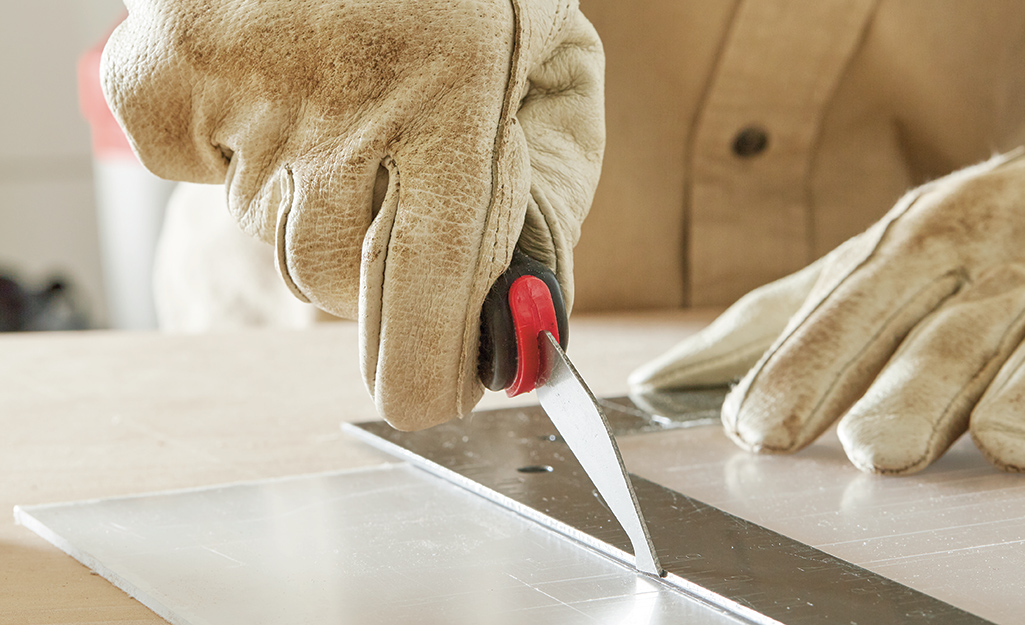
This is perhaps the most basic method. A sharp utility knife or a specialized scoring tool is used to create a deep groove on the surface of the plexiglass. The acrylic is then carefully bent along this score line, with the stress concentrating at the groove, causing it to fracture cleanly. This technique is best suited for thinner sheets of plexiglass and requires significant practice to achieve straight, smooth edges. The key here is consistent pressure and multiple passes to ensure a deep, well-defined score. Over-scoring can lead to chipping, while under-scoring will result in a ragged break. The quality of the cut is heavily dependent on the user’s skill and the sharpness of the scoring tool.
Hand Saws and Jigsaws
For thicker sheets or more intricate shapes, hand saws with fine-tooth blades designed for plastics can be employed. However, this method often produces a rough edge that requires significant sanding and polishing. Jigsaws, equipped with appropriate blades (again, fine-toothed and often plastic-specific), offer more control for curved cuts. The primary technological challenge with these tools is heat generation. Friction from the blade can melt the acrylic, leading to gummed-up blades and a poor cut. Proper technique involves slow, steady movement and, where possible, using a lubricant or cool air stream to dissipate heat.
Power Tools: Enhanced Speed and Control
As projects become more demanding, power tools offer a significant improvement in speed and efficiency over manual methods. The underlying technology here lies in the motorization and blade design, allowing for more consistent material removal.
Circular Saws and Table Saws
Equipped with specialized blades designed for plastics (often with a high tooth count and specific tooth geometry), circular saws and table saws can make straight, relatively clean cuts. The critical technological consideration is blade selection. Blades designed for wood can easily melt and chip acrylic. Specialized plastic-cutting blades minimize this issue by providing a cleaner shearing action. Again, heat management is paramount. Slow feed rates and appropriate blade speeds are crucial to prevent melting. Dust collection systems are also an important technological consideration for both operator safety and maintaining a clean work environment.
Router Bits for Acrylic
Routers, particularly CNC (Computer Numerical Control) routers, are a highly effective tool for cutting plexiglass. Specialized router bits, often single or double-fluted and made of high-speed steel or carbide, are designed to shear acrylic cleanly. The key technological advantage of using a router, especially a CNC router, is the ability to create complex shapes and profiles with exceptional accuracy. The bit’s speed, feed rate, and depth of cut are all programmable parameters that can be optimized for different thicknesses and types of acrylic.
Advanced Fabrication Technologies: The Pillars of Industrial Cutting
For applications demanding high precision, complex geometries, and high throughput, advanced technological solutions are indispensable. These methods leverage sophisticated energy sources and intelligent control systems to achieve unparalleled results.
Laser Cutting: The Pinnacle of Non-Contact Precision
Laser cutting has become a dominant technology in acrylic fabrication due to its ability to deliver extremely precise, clean, and intricate cuts without physical contact. This non-contact nature eliminates the mechanical stress and potential for chipping associated with blade-based methods.
The Technology of Laser Cutting Acrylic
Laser cutting acrylic relies on a focused beam of high-energy light, typically from a CO2 laser source. When this beam strikes the acrylic, the material absorbs the energy, causing it to rapidly heat up, vaporize, and be expelled from the cut kerf. The process is highly controlled by a CNC system, which dictates the laser’s path, power, speed, and focus.
Laser Source and Beam Delivery
CO2 lasers are the industry standard for cutting acrylic. They emit light in the infrared spectrum, which acrylic absorbs very effectively. The laser beam is generated within the laser resonator and then delivered to the cutting head via a series of mirrors. The cutting head contains lenses that focus the beam to a very small spot size, concentrating the energy for efficient vaporization. The quality of the optics and the stability of the laser source are critical technological factors influencing the cut quality.
CNC Control and Material Interaction
The Computer Numerical Control (CNC) system is the brain of the operation. It translates digital design files (e.g., CAD drawings) into precise instructions for the laser system. This allows for the creation of highly complex shapes, tight curves, and intricate details that would be impossible with other methods. The interaction between the laser beam and the acrylic is a delicate balance. The laser’s power, the cutting speed, and the gas assist (typically compressed air or nitrogen) are all optimized to ensure a clean cut with minimal dross (melted material that re-solidifies). Too much power or too slow a speed can lead to excessive melting and charring, while insufficient power or excessive speed will result in incomplete cuts.
Benefits of Laser Cutting
The technological advantages of laser cutting plexiglass are numerous. It offers unparalleled precision, producing edges that are often flame-polished and require little to no post-processing. The high degree of automation minimizes human error and allows for high production volumes. Furthermore, the non-contact nature of the process means that the acrylic sheet does not need to be physically clamped, reducing the risk of surface damage. The ability to achieve a smooth, flame-polished edge directly from the laser is a significant technological benefit, eliminating the need for secondary finishing steps.
Waterjet Cutting: Versatility and Material Integrity
While laser cutting excels at plastics like acrylic, waterjet cutting offers an alternative with its own unique technological advantages, particularly when dealing with materials that might be sensitive to heat or when very thick sections are involved.
The Process of Waterjet Cutting
Waterjet cutting utilizes a high-pressure stream of water, often mixed with an abrasive material, to erode and cut through materials. For softer materials like acrylic, a pure waterjet stream is often sufficient. The water is pressurized to extremely high levels (tens of thousands of PSI) and forced through a tiny orifice (the nozzle), creating a high-velocity jet.
Water Pressure and Orifice Technology
The core technology lies in the ultra-high-pressure pumps and the precision-engineered nozzles. These components are designed to withstand immense pressures and deliver a focused, consistent stream of water. The orifice size, typically measured in fractions of a millimeter, directly influences the cutting precision and speed. The quality of the water used is also a technological consideration; filtered and de-mineralized water is often preferred to prevent clogging and mineral buildup.
Abrasive vs. Non-Abrasive Cutting
For plexiglass, a non-abrasive waterjet is generally used. The sheer force of the water jet is enough to cut through the material. However, for thicker acrylic or when a perfectly smooth edge is paramount, the abrasive option can be considered, although it’s less common for standard acrylic fabrication. The technology behind the abrasive delivery system, if used, ensures a consistent mixture of water and abrasive particles.
Advantages for Acrylic Fabrication
Waterjet cutting offers several benefits for acrylic. It is a cold cutting process, meaning there is no heat-affected zone, thus eliminating the risk of melting or thermal distortion. This is particularly valuable for certain types of acrylic or when complex internal features are being cut. It can also cut through very thick sheets of acrylic where laser cutting might become less efficient or require specialized equipment. The precision is high, and the edges are typically smooth, although they may not have the flame-polished finish of a laser cut.
Understanding Material Properties and Tool Optimization
Regardless of the cutting technology employed, a fundamental understanding of plexiglass (acrylic) properties is crucial for optimal results. Different grades and formulations of acrylic will behave differently under cutting conditions.
Acrylic Formulations and Their Impact on Cutting
Acrylic is a versatile material, and its properties can be modified through various additives and manufacturing processes.
Cast vs. Extruded Acrylic
Cast acrylic is produced by pouring liquid acrylic monomer between two glass sheets and allowing it to cure. This results in a material with excellent optical clarity, higher molecular weight, and greater scratch resistance. Extruded acrylic is made by forcing molten acrylic through a die. It is generally less expensive, more flexible, and has tighter thickness tolerances but may be more prone to chipping and stress cracking during cutting. The cutting technology must be adapted to these differences. Extruded acrylic, being more prone to melting, might require slower feed rates and lower laser power compared to cast acrylic.
Colored and Specialty Acrylics
Acrylics are available in a vast array of colors, finishes (e.g., frosted, mirrored), and specialized formulations (e.g., UV-resistant, impact-modified). These additives can alter the material’s absorption of laser energy or its mechanical properties, necessitating adjustments to cutting parameters. For example, dark or opaque colors may absorb laser energy differently than clear acrylic, requiring modifications to power or speed.
Optimizing Parameters for Different Cutting Methods
The technological sophistication of modern cutting equipment lies in its ability to precisely control numerous parameters.
Laser Cutting Parameter Optimization
For laser cutting, key parameters include laser power, cutting speed, focal length of the lens, air assist pressure, and gas type (if used). Achieving a clean, precise cut requires balancing these variables. For instance, increasing laser power might allow for faster cutting, but if not coupled with appropriate speed, it can lead to excessive melting. The focal point of the laser beam is also critical; a beam focused too high or too low on the material will result in a wider kerf and a less precise cut.
CNC Router Parameter Optimization
When using CNC routers, parameters such as spindle speed (RPM), feed rate, depth of cut per pass, and the type of router bit are paramount. The choice of router bit is crucial – a single-flute bit is often preferred for acrylic as it provides better chip evacuation, reducing the risk of melting and re-welding. Optimizing feed rate and spindle speed is essential to maintain a consistent cutting action and prevent heat buildup. The depth of cut per pass should be managed to avoid excessive force on the material and the tool.

Conclusion: The Technological Symphony of Plexiglass Fabrication
The question of “what do you cut plexiglass with” is answered by a diverse array of technological solutions, each offering unique advantages for different applications. From the foundational scoring knife to the sophisticated laser cutter and waterjet, the evolution of plexiglass fabrication is a testament to human ingenuity in mastering material manipulation through technology. Whether for a simple DIY project or a complex industrial application, understanding the capabilities and limitations of each cutting technology, and optimizing their parameters based on material properties, is the key to achieving precise, efficient, and high-quality results. The future of plexiglass fabrication will undoubtedly involve further advancements in automation, material science, and intelligent cutting systems, pushing the boundaries of what is possible with this versatile material.
aViewFromTheCave is a participant in the Amazon Services LLC Associates Program, an affiliate advertising program designed to provide a means for sites to earn advertising fees by advertising and linking to Amazon.com. Amazon, the Amazon logo, AmazonSupply, and the AmazonSupply logo are trademarks of Amazon.com, Inc. or its affiliates. As an Amazon Associate we earn affiliate commissions from qualifying purchases.