
The economic ties between the United Kingdom and the United States form one of the most significant and long-standing bilateral trade relationships globally. For businesses and financial analysts, understanding the intricacies of what the UK imports from the USA is crucial for identifying market trends, investment opportunities, and potential financial risks. This transatlantic trade relationship is not merely about the exchange of goods; it represents a complex interplay of supply chains, consumer demand, strategic partnerships, and substantial financial flows that underpin both economies.
The Transatlantic Trade Relationship: A Financial Overview
The United Kingdom consistently ranks among the USA’s top trading partners, reflecting deep historical connections and intertwined economic interests. The flow of goods across the Atlantic represents billions of dollars annually, influencing everything from the cost of living for UK consumers to the profitability of businesses operating in various sectors. For finance professionals, analyzing these import patterns provides critical data points for economic forecasting, currency valuation, and investment strategy.
Historical Context and Economic Significance
The financial relationship between the UK and the USA has evolved considerably over decades, shaped by global economic shifts, technological advancements, and political dynamics. Historically, the trade corridor has facilitated the movement of raw materials, manufactured goods, and increasingly, high-value services. From a financial perspective, these imports contribute directly to the UK’s GDP, satisfy domestic demand, and can impact inflation rates, balance of payments, and currency strength. Businesses involved in importing rely heavily on robust financial planning, hedging strategies, and access to trade finance to navigate the complexities of international transactions. The sheer volume and value of these imports underscore the USA’s role as a vital supplier across numerous sectors of the UK economy.
Volume and Value of Goods
Quantifying the financial scale of UK imports from the USA reveals the magnitude of this trade. Annually, the value of goods imported by the UK from the USA runs into tens of billions of pounds. While the exact figures fluctuate based on global economic conditions, exchange rates, and specific market demands, the USA consistently remains one of the UK’s largest sources of imported goods outside the European Union. These figures represent the aggregate financial transactions – from large-scale corporate purchases to smaller, specialized orders – each contributing to the broader economic landscape. Understanding these figures is essential for businesses planning international expansion, investors assessing market exposure, and policymakers formulating trade and fiscal strategies.
Key Import Categories and Their Economic Impact
The range of products the UK imports from the USA is diverse, reflecting the broad industrial base of the American economy and the varied demands of the British market. Each category carries distinct financial implications, affecting different sectors of the UK economy, consumer spending patterns, and business investment decisions.
Machinery and Transportation Equipment
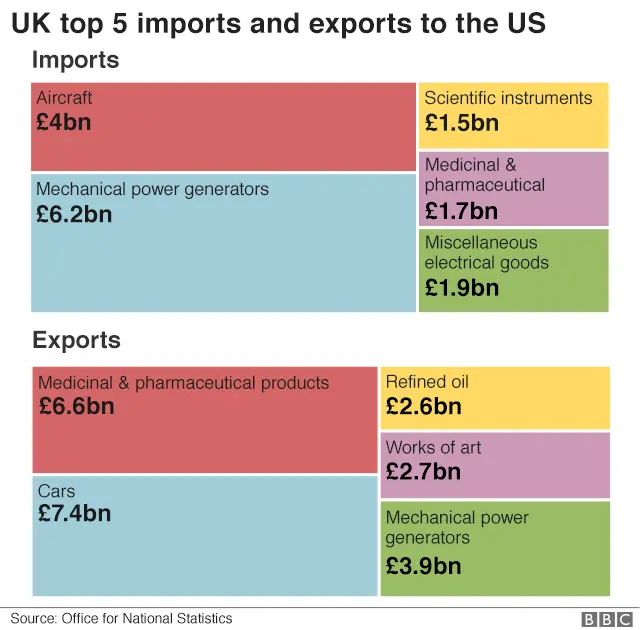
This category consistently represents one of the largest financial segments of UK imports from the USA. It includes a vast array of items, from industrial machinery, power generation equipment, and construction machinery to aircraft, vehicles, and their parts. For UK businesses, importing advanced American machinery often means acquiring cutting-edge technology that enhances productivity and competitiveness. Financially, these are often significant capital expenditures, requiring substantial investment and careful cash flow management. The import of commercial aircraft or specialized industrial equipment can involve multi-million-pound contracts, influencing the balance sheets of airlines, manufacturing firms, and logistics companies across the UK.
Mineral Fuels and Lubricants
Energy security and supply chain resilience have brought this category into sharp financial focus, especially given recent geopolitical events. The UK imports significant quantities of crude oil, refined petroleum products, and increasingly, liquefied natural gas (LNG) from the USA. These imports are critical for powering UK industries, heating homes, and fueling transportation. The financial implications are enormous, directly impacting energy prices for consumers and businesses, contributing to the UK’s import bill, and affecting inflation. Companies in the energy sector engage in complex financial derivatives and hedging strategies to manage price volatility and currency risks associated with these large-scale commodity imports.
Chemicals and Related Products
The chemical sector is a foundational industry, and imports from the USA in this category range from pharmaceuticals and organic chemicals to plastics and specialized chemical compounds. These products are vital inputs for a multitude of UK industries, including manufacturing, healthcare, agriculture, and construction. For pharmaceutical companies, importing active pharmaceutical ingredients (APIs) from the USA is a key part of their supply chain and product development strategy. The financial health of many UK manufacturing businesses is directly tied to the reliable and cost-effective import of these chemical components, influencing their production costs, pricing strategies, and ultimately, profitability.
Manufactured Goods and Consumer Products
This broad category covers a wide spectrum of items, including electronics, textiles, apparel, scientific instruments, and miscellaneous manufactured articles. American brands often hold strong appeal in the UK market, driving consumer demand. From an economic perspective, these imports contribute to consumer choice and competition but also represent outflows of sterling. Retailers and distributors in the UK make significant financial commitments to source these goods, managing inventory, logistics, and marketing expenses. The financial performance of many UK retail chains and e-commerce platforms is intricately linked to their ability to efficiently import and sell American consumer products.
Food, Beverages, and Tobacco
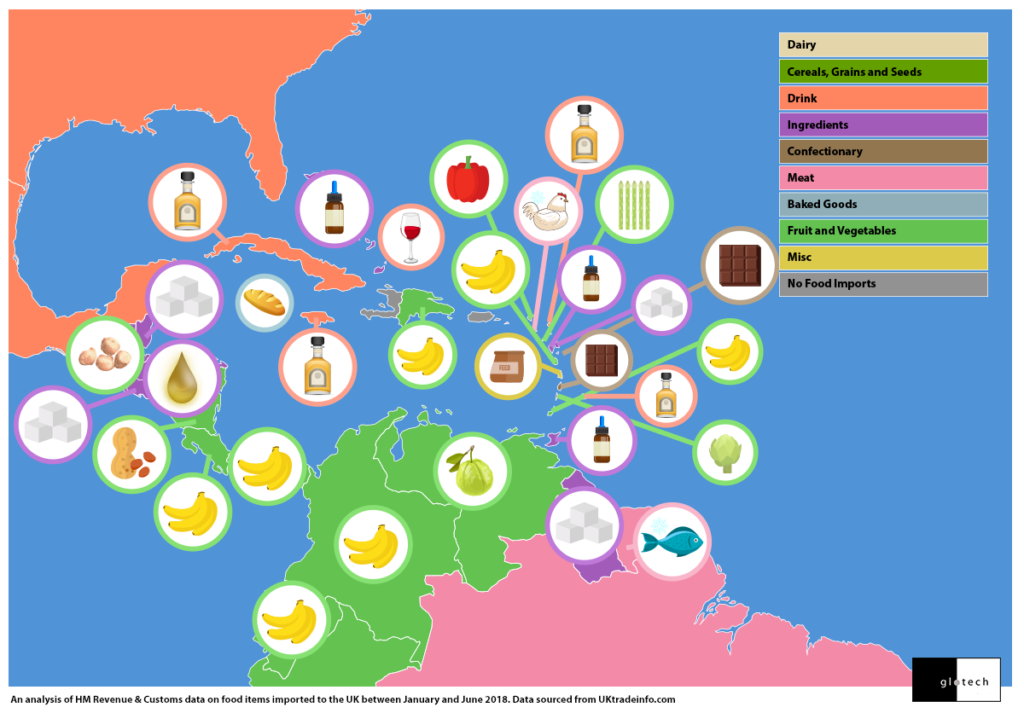
While the UK has a robust domestic food industry, specialized American food and beverage products find a niche market. Items such as specific cuts of meat, processed foods, wines, spirits, and various snack items are imported. These imports cater to specific consumer tastes and contribute to the diversity of offerings in UK supermarkets and restaurants. Financially, this sector involves complex supply chain management, compliance with import regulations, and often tight profit margins. Currency fluctuations can significantly impact the landed cost of these products, affecting pricing for consumers and the profitability of importers and retailers.
Driving Factors Behind UK-US Imports
Several interconnected factors underpin the sustained financial flows from the UK to the USA for imported goods. These drivers are critical for businesses and investors to understand when assessing the stability and future trajectory of this trade relationship.
Economic Complementarities
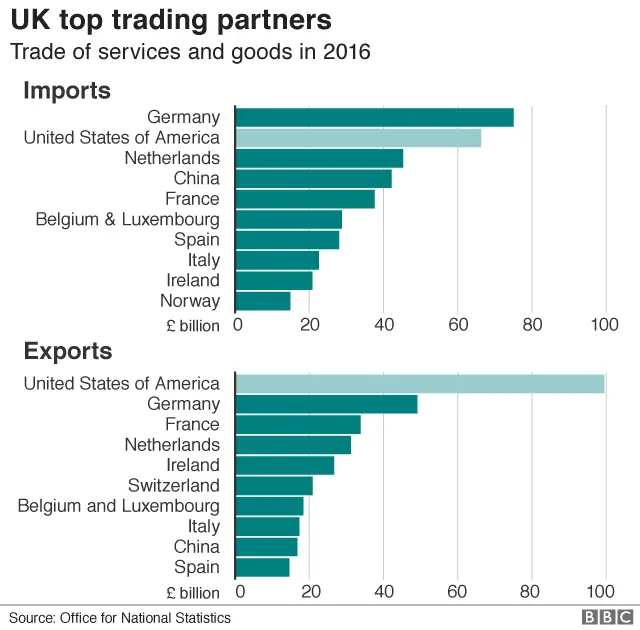
The economies of the UK and the USA often complement each other, meaning that each country produces goods or services that the other needs or can produce more efficiently. The USA’s vast industrial capacity, technological innovation, and abundant natural resources allow it to be a competitive supplier for many goods that the UK either does not produce or cannot produce at the same scale or cost. This financial efficiency drives import decisions, as UK businesses seek to optimize their supply chains and procure goods at the most favorable terms.
Market Demand and Consumer Preferences
Consumer preferences in the UK often play a significant role. The desire for specific American brands, technologies, or food products creates a consistent demand that importers seek to meet. For businesses, accurately forecasting this demand and managing inventory efficiently are crucial financial considerations to avoid stockouts or excess inventory costs. Marketing and branding efforts by American companies in the UK also directly stimulate this demand, translating into import revenues.
Supply Chain Dynamics and Globalisation
Modern global supply chains are complex and interconnected. UK businesses often integrate American components or finished goods into their production processes or retail offerings due to established relationships, reliability, or specific product features not easily found elsewhere. The ease of logistics, advanced shipping infrastructure, and well-established trade routes across the Atlantic facilitate these imports, minimizing lead times and transport costs, which are vital financial considerations for supply chain managers.
Trade Agreements and Policies
While the UK and USA do not have a comprehensive free trade agreement post-Brexit, existing trade policies, tariffs, and customs procedures still shape the financial viability of imports. Discussions around future trade agreements aim to further reduce barriers, potentially lowering import costs and increasing trade volumes. For businesses, understanding the regulatory landscape, including tariffs, quotas, and product standards, is paramount for financial planning and risk assessment when importing from the USA.
Financial Implications for UK Businesses and Consumers
The continuous flow of imports from the USA has profound financial implications that resonate throughout the UK economy, affecting businesses’ bottom lines and consumers’ purchasing power.
Cost of Goods and Inflationary Pressures
Imports represent an expense for UK businesses, directly impacting their cost of goods sold. When import prices rise, either due to higher US producer prices, increased shipping costs, or unfavorable exchange rates, these costs can be passed on to consumers in the form of higher retail prices, contributing to inflation. Conversely, lower import costs can help keep consumer prices stable or even lead to price reductions, boosting consumer spending and contributing to economic growth. Financial analysts closely monitor import price indices as a leading indicator of inflation.
Currency Exchange Rates and Hedging Strategies
The financial dynamics of UK-US imports are heavily influenced by the Sterling-Dollar exchange rate. A stronger dollar makes US goods more expensive for UK importers, eroding profit margins or necessitating price increases. Conversely, a weaker dollar makes imports cheaper. UK businesses that regularly import from the USA often engage in currency hedging strategies, such as forward contracts or options, to mitigate the financial risk associated with exchange rate volatility. Effective treasury management and financial forecasting are critical in this regard.
Investment Opportunities and Business Finance
The import relationship also opens avenues for investment. UK companies may invest in US suppliers to secure supply, gain technological access, or form strategic partnerships. Similarly, US companies benefit from UK import demand, potentially leading to increased investment in their own production capacities. For financial institutions, trade finance — including letters of credit, export credit insurance, and supply chain finance — plays a crucial role in facilitating these large-scale international transactions, providing liquidity and managing risk for both importers and exporters.
Future Trends and Strategic Considerations
Looking forward, the financial landscape of UK-US imports is subject to evolving global dynamics, technological advancements, and shifting policy priorities. Businesses and investors must remain agile to adapt to these changes.
Digitalisation and Services Trade Growth
While this analysis focuses on goods, the growing digitalisation of economies means that the distinction between goods and services trade is blurring. Software, digital platforms, and intellectual property from the USA are increasingly embedded within UK products and services, representing significant financial value that might not always be captured in traditional goods import statistics. Understanding these interconnected digital financial flows will be increasingly vital.
Geopolitical Influences and Supply Chain Resilience
Global geopolitical shifts, trade tensions, and events such as pandemics can disrupt established supply chains, leading to increased costs, delays, and financial uncertainty for importers. UK businesses are increasingly focused on supply chain resilience, potentially diversifying their sources or investing in domestic production, which could alter future import patterns from the USA. Financial risk assessments now heavily factor in geopolitical stability and supply chain vulnerabilities.
Sustainability and Ethical Sourcing
There is a growing financial imperative for businesses to consider the environmental and social impact of their supply chains. UK consumers and regulators are increasingly demanding sustainably and ethically sourced products. This trend influences purchasing decisions, potentially leading UK importers to favor US suppliers who meet specific environmental, social, and governance (ESG) criteria, even if it entails a higher initial cost, demonstrating a long-term financial commitment to responsible business practices.
In conclusion, the UK’s imports from the USA are a cornerstone of the transatlantic economic relationship, underpinning numerous sectors of the British economy. From machinery and energy to consumer goods and chemicals, these imports represent significant financial flows, influencing prices, investment, and business strategies across the UK. Understanding the drivers and financial implications of this trade is not just an academic exercise but a critical component of strategic financial planning for businesses, investors, and policymakers alike.
aViewFromTheCave is a participant in the Amazon Services LLC Associates Program, an affiliate advertising program designed to provide a means for sites to earn advertising fees by advertising and linking to Amazon.com. Amazon, the Amazon logo, AmazonSupply, and the AmazonSupply logo are trademarks of Amazon.com, Inc. or its affiliates. As an Amazon Associate we earn affiliate commissions from qualifying purchases.