
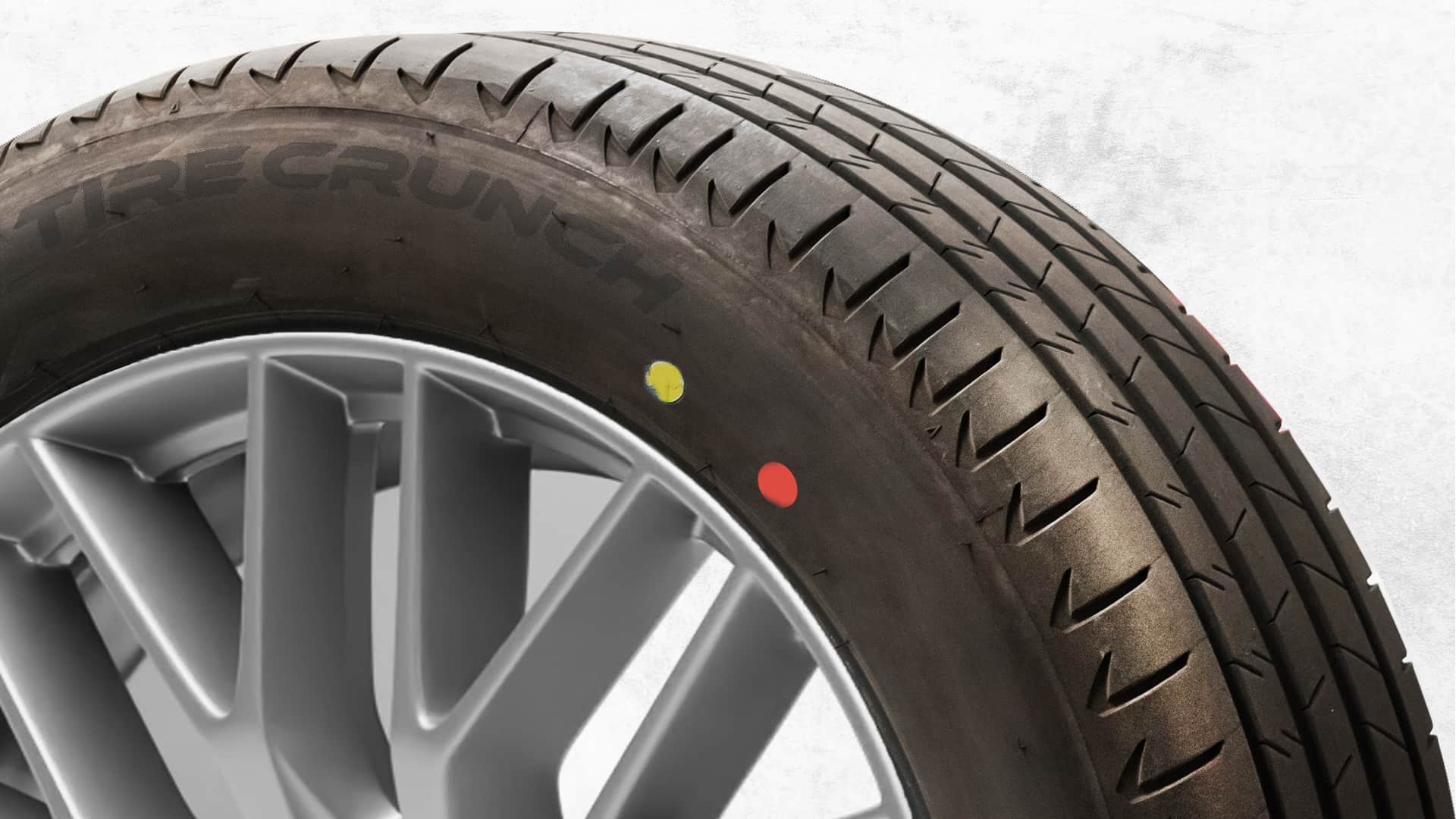
When you purchase a brand-new set of tires for your vehicle, a quick visual inspection of the sidewalls often reveals small, painted circles—usually in red and yellow. To the untrained eye, these look like simple quality control stickers or factory markings. However, from the perspective of automotive engineering and manufacturing precision, these dots are sophisticated indicators used to optimize the balance and uniformity of the tire-wheel assembly. Understanding these markers is essential for anyone interested in the technical nuances of vehicle maintenance, handling, and tire longevity.
The Engineering of Tire Uniformity
Tires are not perfectly uniform, regardless of how high-tech the manufacturing process is. Because tires are composed of multiple layers—steel belts, fabric plies, and varying rubber compounds—there are microscopic inconsistencies in weight and structure. If these inconsistencies are not managed during the mounting process, they can lead to vibrations, uneven tread wear, and a compromised driving experience.
The Role of Manufacturing Tolerances
Tire manufacturers strive for perfection, but the reality of physics dictates that no mass-produced radial tire is perfectly round or perfectly balanced. The “high point” of a tire, where it is slightly less round, is known as the radial force variation. Meanwhile, the “heavy point” refers to the part of the tire with the most mass. The dots on the sidewall act as a precise map for tire technicians, identifying exactly where these variations exist so they can be countered during installation.
Why Balance Matters
A tire that is even slightly out of balance creates a centrifugal force that oscillates as the wheel spins. At highway speeds, this oscillation translates into steering wheel vibration and cabin noise. By utilizing the red and yellow dots, technicians can align the tire with the wheel rim in a way that minimizes the need for external balancing weights, resulting in a smoother, more efficient ride.
Decoding the Yellow Dot: Weight Balance
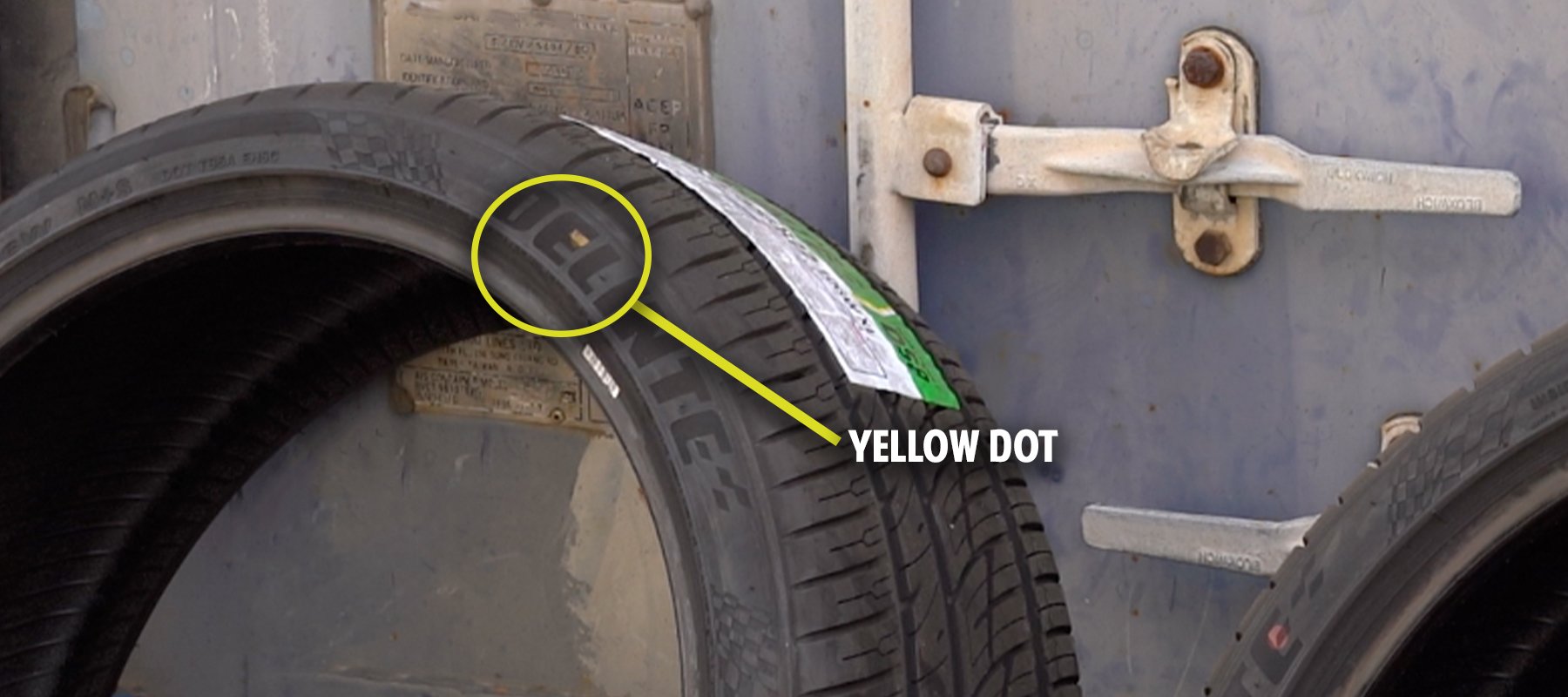
The yellow dot is perhaps the most common marker you will see on a new tire. It identifies the “lightest point” of the tire.
Locating the Valve Stem
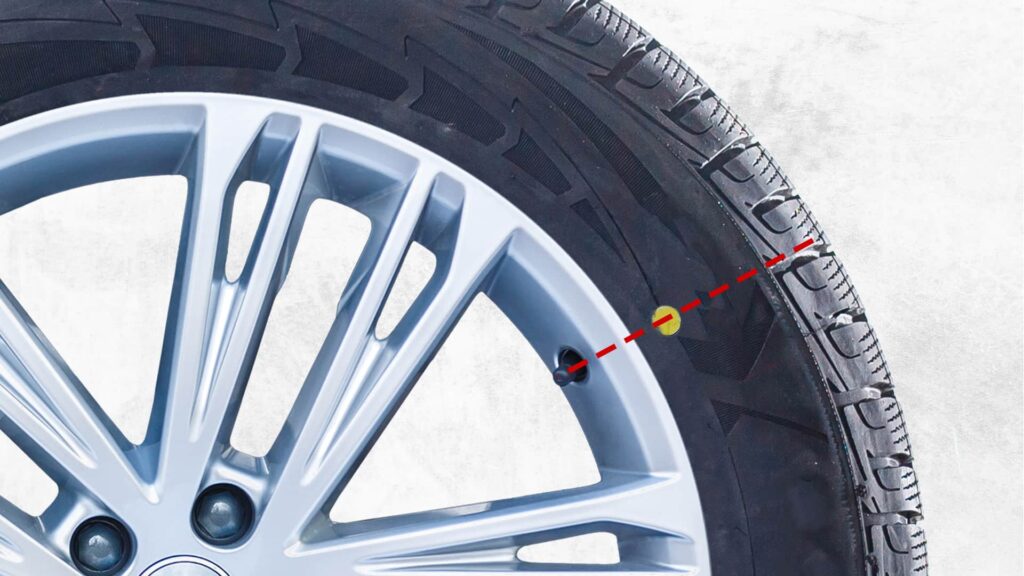
When a wheel rim is manufactured, the hole drilled for the tire valve stem adds a slight amount of weight to that specific area. This makes the valve stem assembly the heaviest point of the wheel rim. To achieve the best possible static balance, the tire technician should align the yellow dot (the lightest point of the tire) with the valve stem (the heaviest point of the wheel).
The Benefit of Static Balancing
By pairing the lightest part of the tire with the heaviest part of the rim, the two points effectively cancel each other out. This reduces the total amount of lead or zinc balancing weights required to make the wheel rotate smoothly. For the vehicle owner, this isn’t just about aesthetics—fewer weights mean a cleaner look for alloy wheels and less risk of vibration at high speeds, extending the life of your vehicle’s suspension components.
Decoding the Red Dot: Radial Force Variation
The red dot is often considered a “higher-level” indicator than the yellow dot. It identifies the point of maximum radial force variation, or more simply, the “high point” of the tire’s stiffness.
Understanding Radial Force Variation
Even if a tire looks perfectly round when stationary, it may not be perfectly round under a load. When the weight of a vehicle presses down on a tire, certain areas may be slightly stiffer or bulge differently than others. The red dot marks the location where the tire’s radius is at its maximum.
The Importance of the Match-Mounting Process
Wheel rims also have a “low point,” which is often indicated by a small dot or a notch stamped into the rim by the wheel manufacturer. Ideally, a technician should align the red dot of the tire with the low point of the rim. This process, known as “match-mounting,” allows the tire’s high point to cancel out the wheel’s low point, resulting in a tire-wheel assembly that is as close to perfectly round as possible.
When Should You Use Which Dot?
A common question among technicians and car enthusiasts is whether to prioritize the red dot or the yellow dot if both are present. In most professional automotive settings, the red dot takes precedence.
The Hierarchy of Alignment
If a technician sees both a red and a yellow dot, the red dot is the primary guide for match-mounting. By aligning the red dot with the wheel’s low point, the technician addresses the radial runout (the roundness of the assembly). Once that alignment is complete, the yellow dot becomes secondary. In many cases, if the red dot is properly aligned, the static weight balance—usually handled by the yellow dot—falls within an acceptable range, or at least requires significantly less correction.
Why Many Technicians Ignore the Dots
You might wonder why, if these dots are so important, many tire shops seem to ignore them entirely during installation. There are two primary reasons for this:
- Efficiency: Match-mounting takes extra time. In a high-volume tire shop, the priority is often speed. Modern balancing machines are highly capable of masking imbalances with adhesive weights, meaning the car will drive smoothly even if the dots weren’t aligned during the initial mounting.
- Wheel Compatibility: Many aftermarket or custom wheels do not have a “low point” indicator marked on them. Without that mark, the red dot loses its specific reference point, and the technician must rely solely on the tire balancer machine to find the optimal weight distribution.
Best Practices for Consumers
If you are paying for professional tire mounting and balancing, understanding these indicators can help you hold your service provider to a higher standard.
Communication with Your Technician
If you are sensitive to vehicle vibrations or drive a high-performance vehicle, ask your technician if they perform match-mounting. While not every wheel can be match-mounted (due to missing manufacturer indicators on the rim), knowing that your technician is aware of the red and yellow dot system provides peace of mind that they are paying attention to the details of your vehicle’s rolling assembly.
The Limits of Tire Markings
It is important to remember that these dots are not permanent. As a tire wears, the rubber composition changes, the tread depth decreases, and the tire may be rotated to different positions on the vehicle. The dots are most effective during the initial mounting of a brand-new tire. After a few thousand miles, the weight and stiffness of the tire will have shifted due to road wear, rendering the original factory dots obsolete.
Beyond the Dots: Regular Maintenance
While match-mounting and careful balancing are excellent ways to ensure a smooth ride, they are only part of the equation. Tire pressure, suspension health, and regular alignment checks are equally important. Even a perfectly balanced tire will cause vibrations if the wheel alignment of the vehicle is off, or if the tire pressure is uneven across the four corners.
By understanding the red and yellow dots, you gain a deeper appreciation for the engineering that keeps your vehicle safely connected to the road. These markers represent the bridge between raw manufacturing and precision driving, serving as a reminder that even the smallest details play a significant role in the performance, safety, and comfort of your automotive experience. Next time you look at a set of tires, you won’t just see black rubber; you’ll see a carefully calibrated system designed for the road ahead.
aViewFromTheCave is a participant in the Amazon Services LLC Associates Program, an affiliate advertising program designed to provide a means for sites to earn advertising fees by advertising and linking to Amazon.com. Amazon, the Amazon logo, AmazonSupply, and the AmazonSupply logo are trademarks of Amazon.com, Inc. or its affiliates. As an Amazon Associate we earn affiliate commissions from qualifying purchases.