
In the vast ecosystem of global finance, few instruments are as misunderstood, feared, and simultaneously vital as futures. When we ask, “What do the futures look like?” we are not merely peering into a crystal ball to predict the next market cycle; we are examining a sophisticated mechanism of price discovery, risk management, and speculative opportunity. The futures market serves as the bedrock of global trade, allowing producers and consumers to lock in prices months or even years in advance. For the modern investor, understanding the trajectory and mechanics of these markets is essential for navigating an increasingly volatile economic landscape.
Understanding the Mechanics of the Futures Market
To understand what the futures look like today, one must first grasp the underlying machinery that allows these contracts to function. At its core, a futures contract is a legally binding agreement to buy or sell a specific asset—be it a physical commodity like crude oil or a financial instrument like the S&P 500 index—at a predetermined price on a specific date in the future.
The Definition and Purpose of a Futures Contract
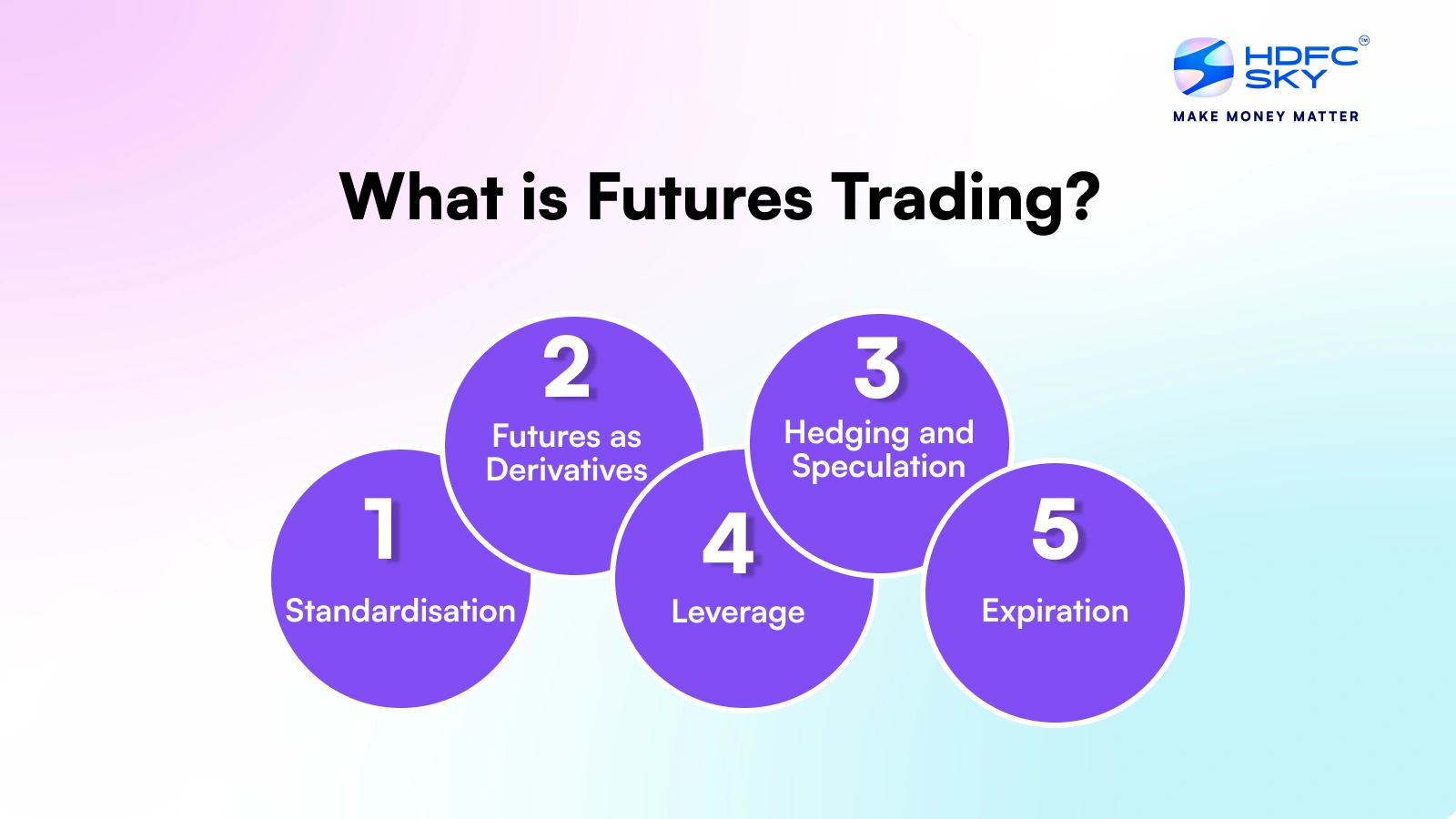
Unlike the spot market, where transactions are settled “on the spot,” the futures market deals in obligations. These contracts are standardized by exchanges, such as the Chicago Mercantile Exchange (CME) or the Intercontinental Exchange (ICE), ensuring that every participant knows the exact quantity and quality of the asset being traded. This standardization is what creates liquidity. Whether you are a wheat farmer in Kansas looking to protect your profit margins or a hedge fund manager in London looking to hedge against inflation, the futures market provides a transparent venue for these transactions.
Margin and Leverage: The Double-Edged Sword
One of the defining characteristics of the futures market is the use of leverage. When an investor enters a futures position, they do not pay the full value of the contract upfront. Instead, they deposit “initial margin,” which is typically a small fraction (often 3% to 10%) of the contract’s total value. This allows for significant capital efficiency, as a relatively small amount of money can control a much larger asset position.
However, this leverage is a double-edged sword. While it magnifies gains, it equally magnifies losses. The “mark-to-market” process occurs daily, where gains and losses are settled at the end of every trading session. If a position moves against a trader and their account balance falls below the “maintenance margin,” they face a margin call, requiring them to deposit more funds immediately or have their position liquidated. This high-stakes environment is why the futures market remains the domain of those with rigorous risk management protocols.
The Evolution of Commodities and Financial Futures
Historically, futures were synonymous with agriculture. The earliest exchanges were designed to solve the problem of seasonal gluts and shortages, providing stability to both farmers and millers. Today, while “softs” (like sugar, cocoa, and coffee) and “grains” (like corn and soy) remain integral, the scope of the futures market has expanded into every corner of the global economy.
From Agriculture to Energy and Metals
The energy sector represents one of the most liquid segments of the futures market. Crude oil, natural gas, and heating oil futures are not just tools for oil companies; they are leading indicators of global economic health. When geopolitical tensions rise in the Middle East, the “look” of the futures market changes instantly as traders price in potential supply disruptions. Similarly, precious metals like gold and industrial metals like copper serve as barometers for inflation and manufacturing demand, respectively. In a world increasingly focused on the green transition, we are seeing the rise of futures for “green” commodities, such as lithium and carbon credits, reflecting the shifting priorities of the global industrial complex.
The Rise of Financial and Index Futures
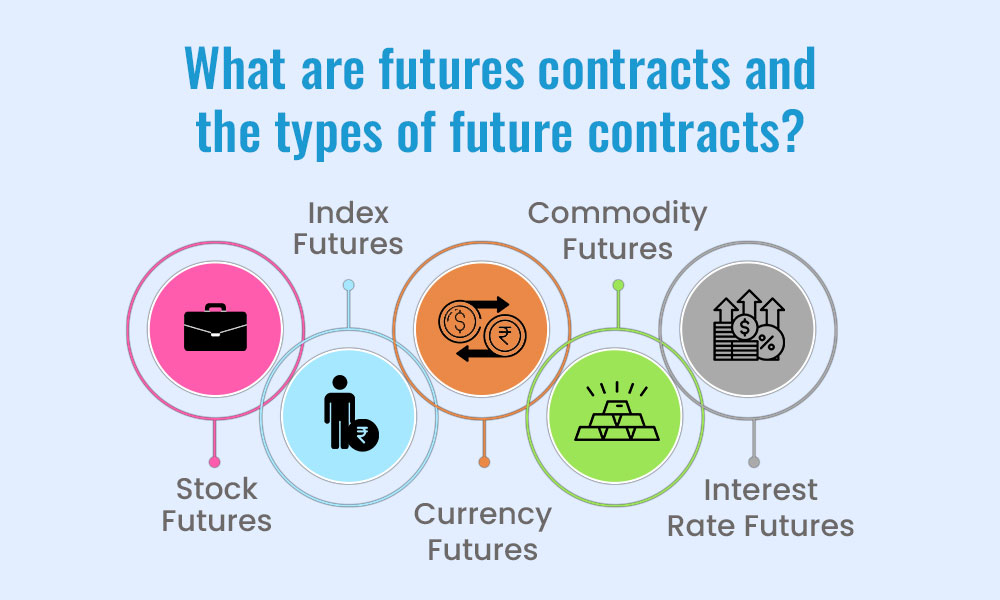
Perhaps the most significant evolution in the last four decades has been the explosion of financial futures. These include interest rate futures, currency futures, and equity index futures. The E-mini S&P 500, for instance, is one of the most traded contracts in the world. It allows investors to take a position on the direction of the entire U.S. stock market without having to buy individual shares of 500 different companies.
Interest rate futures, such as those based on Treasury bonds or the Secured Overnight Financing Rate (SOFR), are critical tools for banks and corporations to manage their debt exposure. As central banks navigate the complexities of inflation and recessionary pressures, the interest rate futures market provides the most accurate “real-time” prediction of where rates are headed, often moving well before official policy announcements are made.

Analyzing Market Sentiment and the Forward Curve
When analysts ask what the futures look like, they are often referring to the “forward curve.” This is a graphical representation of the prices for contracts with different expiration dates. The shape of this curve provides profound insights into market sentiment and the balance of supply and demand.
Contango vs. Backwardation
There are two primary states of the forward curve: contango and backwardation. In a contango market, the future price of a commodity is higher than the current spot price. This is common in markets with high storage costs, like gold or oil, where the higher future price accounts for the cost of “carry”—insurance, storage, and interest. A deep contango often signals an oversupply in the present.
Conversely, backwardation occurs when the future price is lower than the spot price. This typically indicates a supply shortage or a high “convenience yield,” where market participants are willing to pay a premium to have the physical asset in hand immediately rather than waiting for a future delivery. Understanding these states is vital for “roll yield” strategies, where traders profit from the movement of the contract price toward the spot price as expiration approaches.
Speculators vs. Hedgers: The Ecosystem of Liquidity
The futures market is a delicate balance between two types of participants: hedgers and speculators. Hedgers are the “real-world” users of the assets—the airlines buying jet fuel futures or the jewelry manufacturers buying gold. Their goal is to eliminate price uncertainty. Speculators, on the other hand, have no intention of taking physical delivery. They provide the necessary liquidity that allows hedgers to transfer their risk. Without speculators, the cost of hedging would be prohibitively high. The interplay between these two groups is what creates the price discovery that the rest of the financial world relies upon.
The Digital Frontier: Crypto and Tech-Driven Futures
The landscape of futures is being radically reshaped by technology and the emergence of digital assets. We are no longer limited to pit trading or even traditional electronic screens; the futures market is becoming increasingly automated and decentralized.
Bitcoin and Ethereum Futures
The introduction of Bitcoin and Ethereum futures on major regulated exchanges marked a turning point for the cryptocurrency industry. It provided a bridge for institutional capital to enter the space within a regulated framework. These contracts allow for sophisticated strategies, such as “basis trading,” where a trader goes long on the physical crypto and short on the future to capture the premium, often referred to as a “cash and carry” trade. This maturation of the crypto-futures market has reduced volatility and provided a level of price stability that was previously absent in the digital asset space.
Algorithmic Trading and the Speed of Information
Today, a significant portion of futures trading is conducted by high-frequency trading (HFT) firms using complex algorithms. These bots can execute thousands of trades per second, capitalizing on minute price discrepancies across different exchanges. While this has led to tighter spreads and higher liquidity, it has also changed the “look” of the market, making it more sensitive to “flash crashes” and algorithmic feedback loops. For the individual investor, this means that the technical levels—support and resistance—are often defended or attacked by machines rather than humans, requiring a more data-driven approach to market analysis.
Strategic Positioning for the Modern Investor
Looking toward the future of the futures market itself, it is clear that accessibility is increasing. The rise of “micro” contracts has lowered the barrier to entry, allowing retail investors to participate in gold, oil, and index futures with significantly less capital.
Risk Management and Portfolio Diversification
For the serious investor, futures are not just for gambling on price direction; they are essential tools for portfolio diversification. Because commodities often have a low correlation with traditional stocks and bonds, adding futures exposure can improve the risk-adjusted returns of a balanced portfolio. However, the golden rule of futures remains: position sizing is everything. Because of leverage, a 5% move in the underlying asset can result in a 100% gain or loss on the initial margin. Successful participants focus on surviving the volatility to capture the long-term trend.
The Future of Global Price Discovery
As we move further into a decade defined by geopolitical realignment and energy transitions, the futures market will remain the most important barometer for global value. Whether it is the price of a loaf of bread, the cost of a mortgage, or the valuation of a tech giant, the signals are generated first in the futures pits. Understanding what the futures look like is more than a financial exercise; it is an essential skill for anyone looking to understand the forces that drive our global economy. By mastering the mechanics, analyzing the curves, and respecting the leverage, investors can turn the uncertainty of the future into a calculated and profitable opportunity.
aViewFromTheCave is a participant in the Amazon Services LLC Associates Program, an affiliate advertising program designed to provide a means for sites to earn advertising fees by advertising and linking to Amazon.com. Amazon, the Amazon logo, AmazonSupply, and the AmazonSupply logo are trademarks of Amazon.com, Inc. or its affiliates. As an Amazon Associate we earn affiliate commissions from qualifying purchases.