
Closing a bank account is a significant step in managing your personal finances, often motivated by a desire for better features, lower fees, or simply consolidating accounts. While the process for closing a Citibank checking account is generally straightforward, it requires careful planning and execution to avoid financial disruptions, unexpected fees, or administrative hassles. This guide will walk you through the necessary steps to ensure a smooth transition.
Understanding Your Reasons for Closing
Before initiating the closure process, it’s wise to reflect on your motivations. Is it due to dissatisfaction with services, a change in life circumstances, or a strategic move to optimize your financial ecosystem? This initial reflection is crucial for making informed financial decisions and ensuring you move towards a better banking solution.

Assessing Account Activity and Fees
Begin by thoroughly reviewing your recent Citibank checking account statements. Identify any recurring fees you might be incurring, such as monthly service charges, ATM fees, or overdraft charges. Understanding the fee structure that might have prompted your decision can help you articulate your reasons if asked by the bank, and also highlight what you want to avoid in a new banking relationship. Additionally, be aware of any potential fees Citibank might charge for closing an account, especially if it’s a relatively new account (e.g., closed within 90 or 180 days of opening). Ensuring all outstanding charges are settled is paramount before proceeding.
Exploring Alternative Banking Options
If your intention is to switch banks, dedicate sufficient time to research and evaluate alternative financial institutions. Consider factors such as interest rates offered on checking or savings accounts, the accessibility of ATMs, the robustness of mobile banking applications, customer service reputation, and, most importantly, the fee structures of potential new banks. A common financial misstep is closing an account without a solid replacement strategy, which can lead to unnecessary inconvenience and stress. Seek out institutions that align more closely with your current financial goals, whether that involves minimizing fees, earning higher interest, or accessing specific digital tools for budgeting and expense tracking.
The Essential Pre-Closure Checklist
This preparatory phase is critical to prevent any financial disruptions, missed payments, or issues with direct deposits. Rushing this stage can lead to late fees, service interruptions, and potential negative impacts on your credit score.
Transferring Funds and Direct Deposits
The first practical step is to transfer all funds from your Citibank checking account to your new banking account. This can typically be accomplished through an ACH transfer, an electronic funds transfer (EFT), or by writing a self-addressed check from your Citibank account to deposit into your new account. Ensure that the funds have fully cleared in the new account before moving forward with the closure.
Equally important is updating all direct deposit instructions. This includes your salary from your employer, any government benefits (e.g., Social Security, veteran benefits), and any other regular income sources. Provide your employer’s HR or payroll department with the new routing and account numbers from your new bank well in advance of your next payday. It’s advisable to allow at least one to two pay cycles for these changes to take effect reliably, providing a buffer against any administrative delays.
Updating Automatic Payments and Subscriptions
Create a comprehensive list of all recurring automatic payments and subscriptions linked to your Citibank checking account or its associated debit card. This exhaustive list might include utility bills, mortgage or rent payments, loan repayments, insurance premiums, various streaming services, gym memberships, and credit card payments.
Contact each service provider individually to update your payment information with your new bank account details or an alternative payment method. Do not assume these will automatically transfer or cease. Missing even a single automatic payment can result in late fees, service interruptions, and potentially harm your credit score. Schedule these updates to coincide with the transfer of your direct deposits to ensure continuity and minimize any disruption to your essential services.
Reviewing Outstanding Checks and Debit Card Usage
If you still utilize physical checks, confirm that all outstanding checks have cleared your Citibank account before you initiate the closure process. Writing checks from a closed account will lead to bounced check fees for both you and the recipient, causing unnecessary complications and financial penalties.
Similarly, review your recent debit card transactions to ensure all pending transactions have fully posted to your account. Some transactions, particularly those made internationally or at certain vendors like gas stations, may take several days to clear. As a best practice, cease using your Citibank debit card for any new purchases once you’ve decided to close the account. Once all funds are transferred and payments updated, it’s prudent to physically destroy the debit card by shredding it.
Step-by-Step Guide to Closing Your Account
Once your comprehensive pre-closure checklist is complete and all funds have been successfully moved, you are ready to formally request the closure of your Citibank checking account.
Online and Mobile Banking Considerations
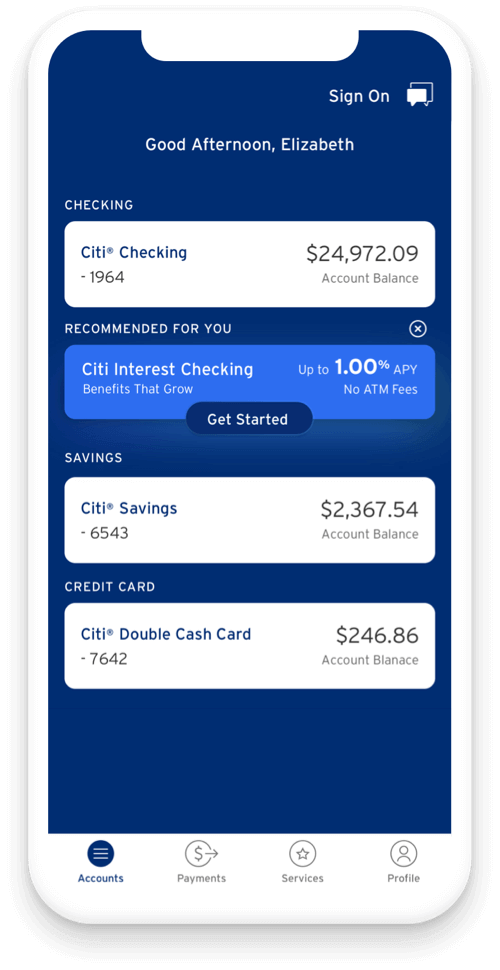
While Citibank offers robust online and mobile banking platforms, a complete checking account closure often necessitates more direct interaction than simply clicking a button. You can certainly use these platforms to confirm zero balances, verify cleared transactions, and access final statements for your records. You might even be able to initiate a request or send a secure message, but expect further steps. Typically, a full account closure cannot be executed exclusively through the mobile app or online portal without a follow-up call or in-person visit. Remember to disable any online bill pay features linked to the old account.
Contacting Citibank Directly (Phone, Branch, Mail)
There are generally three primary and reliable methods to formally close your Citibank checking account:
-
By Phone: Call Citibank customer service directly. Have your account number, personal identification information (e.g., date of birth, mother’s maiden name), and possibly your Social Security number readily available. Clearly state your intention to close the specific checking account. The representative will guide you through the process, confirm your account balance (which should ideally be zero or a small positive amount you intend to withdraw), and explain any final steps. Always request a confirmation number or an email acknowledging your closure request.
-
In Person at a Branch: This is often the most straightforward and secure method, particularly if you have a remaining balance you wish to withdraw as cash or receive via a cashier’s check. Visit any Citibank branch, inform a teller or personal banker of your intent to close your checking account. Bring a valid photo ID (e.g., driver’s license, passport) and your account number. They can process the closure immediately, provide instant confirmation, and handle any remaining funds efficiently. This method also allows for direct conversation about any final details or lingering concerns.
-
By Mail: While less common and generally slower, you can send a written request to Citibank. Your letter should meticulously include your full name, current address, phone number, your Citibank checking account number, and a clear, unambiguous statement requesting the closure of the account. For added security and verification, it is highly advisable to have your signature notarized. Specify how you wish to receive any remaining balance (e.g., a cashier’s check mailed to your address). Send the letter via certified mail with a return receipt requested; this provides you with verifiable proof of delivery. Confirm the correct mailing address for account closures with Citibank customer service before sending.
Verifying Account Closure
Do not consider the account fully closed until you receive official, written confirmation from Citibank. This typically arrives in the form of a letter or email. If you do not receive confirmation within a reasonable timeframe (e.g., 10-14 business days after your request), follow up promptly with customer service. Log into your online banking portal to verify that the account is no longer visible or displays a “closed” status. A crucial final step is to obtain written confirmation that the account has been fully closed, has a zero balance, and that there are no outstanding liabilities or fees associated with it.
Potential Pitfalls and Best Practices
Navigating the account closure process effectively can save you considerable time, money, and unnecessary stress in the long run. Adopting a meticulous approach is a hallmark of sound personal financial management.
Avoiding Unforeseen Fees
It is critical to ensure your account balance is precisely zero or a minimal positive amount that you can easily withdraw at the time of closure. A negative balance, even a small one, can trigger overdraft fees or keep the account technically open, thereby accruing further charges. As mentioned, some banks may impose an account closure fee if the account is closed too soon after opening. Verify Citibank’s specific policy on this. Also, be mindful of any minimum balance requirements that, if not met, could incur a monthly service fee just before you finalize the closure. Timing your closure request strategically, perhaps shortly after the bank’s fee cycle concludes, can help avoid these last-minute charges.
Maintaining Records for Peace of Mind
Throughout the entire process, keep detailed records of all interactions related to your account closure. This includes dates and times of phone calls, the names of customer service representatives you speak with, confirmation numbers provided, copies of any letters sent, and copies of your final account statements. This comprehensive documentation serves as invaluable proof should any disputes arise later, such as an old direct deposit accidentally posting or an automatic payment attempting to debit a closed account. Store these records digitally and/or in a secure physical location for at least several years, aligning with general best practices for financial record-keeping.
The Importance of a Smooth Transition
A well-orchestrated transition is fundamental to maintaining financial stability. Avoid the common mistake of closing your old account before your new one is fully operational and all transfers and updates are confirmed. This intentional overlap provides a necessary buffer against unexpected delays and ensures you always have uninterrupted access to your funds. Consider keeping the old account open for an additional week or two after you believe everything is transferred, just in case a forgotten payment or deposit surfaces. This small period of overlap, while potentially incurring a minor fee, can effectively prevent much larger headaches and financial complications.

What Happens After Closure?
Once you have received official confirmation that your Citibank checking account is closed, it’s important to understand the final implications. The account number should no longer be active, preventing new transactions from being processed. Your banking relationship with Citibank specifically for that checking account concludes. However, if you maintain other accounts with Citibank (e.g., savings accounts, credit cards, investment accounts), those relationships remain separate and entirely unaffected by the closure of a single checking account.
As a final measure of due diligence, monitor your credit report periodically. While closing a checking account does not directly impact your credit score, any outstanding negative balances that might have been overlooked and subsequently sent to collections could potentially appear on your report. This scenario is rare for a checking account if handled diligently, but vigilance is always prudent in personal finance. Continue to monitor your new bank account for a few months to ensure all expected direct deposits and automatic payments are functioning correctly. This final check confirms a complete and successful transition, allowing you to move forward with your consolidated and optimized financial arrangements.
aViewFromTheCave is a participant in the Amazon Services LLC Associates Program, an affiliate advertising program designed to provide a means for sites to earn advertising fees by advertising and linking to Amazon.com. Amazon, the Amazon logo, AmazonSupply, and the AmazonSupply logo are trademarks of Amazon.com, Inc. or its affiliates. As an Amazon Associate we earn affiliate commissions from qualifying purchases.