
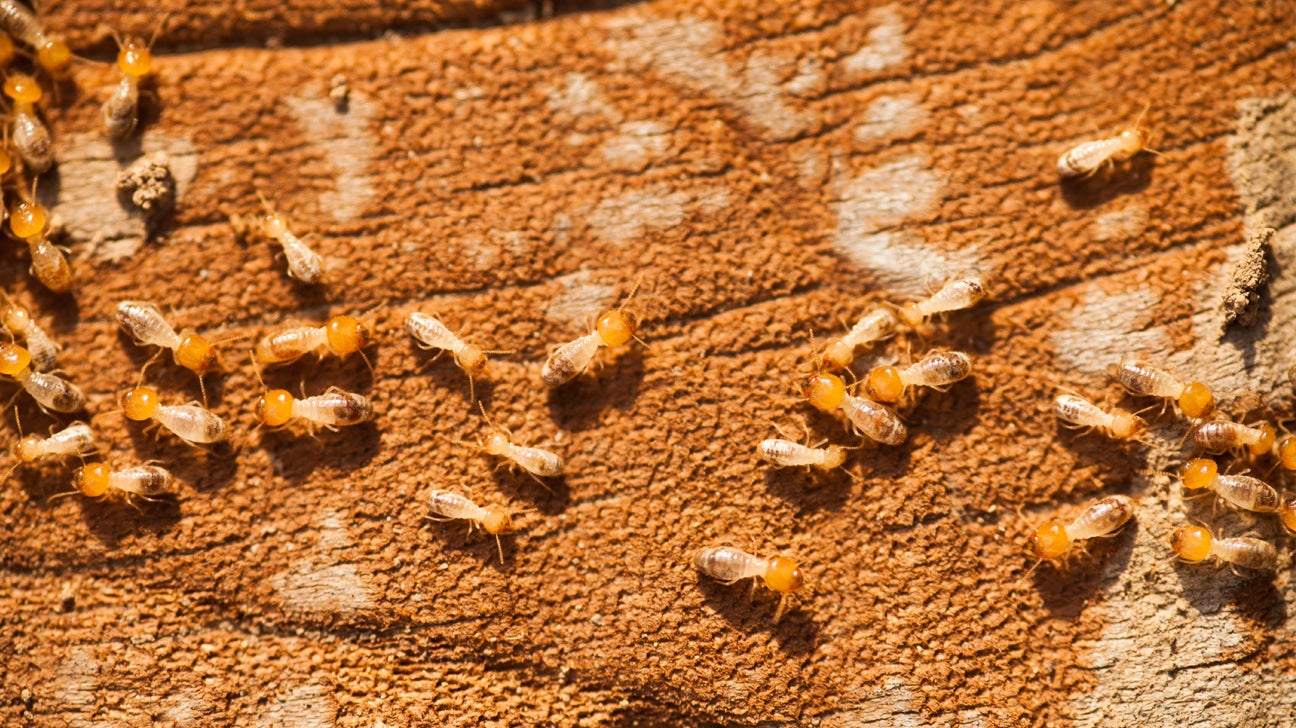
The query “what do termite bites look like” is a common one, stemming from a natural concern when unexplained skin irritations appear, or when one suspects a pest problem in their home. However, it’s crucial for homeowners to understand a fundamental truth: termites do not bite humans. Their biology and behavior are oriented towards consuming cellulose, primarily wood, not blood or flesh. This common misconception often leads individuals down the wrong path, diverting attention from the real, significant financial threats that an undetected termite infestation poses to a property. Understanding this distinction is not just about identifying skin irritations; it’s about safeguarding one of your most valuable financial assets.

Dispelling a Costly Misconception: Termites and Human Interaction
The anxiety surrounding “termite bites” is understandable, yet misdirected. Termites are social insects, but their social structure and biological makeup simply do not involve biting humans. Unlike mosquitoes, bed bugs, or fleas, termites are not parasites and do not feed on blood. Their mandibles are designed for chewing through tough wood fibers, not for piercing skin. Therefore, if you observe what appears to be an insect bite, the culprit is almost certainly another pest, and focusing on “termite bites” can prevent you from addressing the actual problem, both the irritation and the potential termite damage elsewhere.
Why Termites Aren’t a Threat to Your Skin
Termites pose no direct health risk to humans through biting. They are not known to transmit diseases, and their presence, while potentially alarming, does not manifest in dermatological symptoms. Their sole focus is the structural integrity of your home. Any perceived “bite” marks are likely from other common household pests such as spiders, mosquitoes, bed bugs, fleas, or even ants. Misidentifying the source of skin irritations can delay appropriate treatment for the skin condition and, more importantly, distract from the insidious, financially devastating work termites might be doing within your walls.
The Real Damage Termites Inflict: A Financial Imperative
While termites don’t bite humans, they “bite” into your equity, relentlessly consuming wood and other cellulose materials. Their silent, hidden work can severely compromise the structural integrity of your home, leading to extensive and costly repairs. The financial impact of an unchecked termite infestation can be staggering, depreciating property value, necessitating expensive remediation, and potentially making areas of your home uninhabitable until fixed. This is why understanding the actual signs of termite activity, rather than looking for phantom bites, is a critical component of responsible homeownership and financial prudence.
Identifying the Actual Signs of Termite Infestation
Since termite bites are not a real phenomenon, the financially savvy homeowner must train their eye to recognize the authentic indicators of termite presence. Early detection is paramount to minimizing damage and controlling repair costs. Termites leave behind a variety of tell-tale signs that, once recognized, can trigger timely intervention and protect your investment.
Visual Cues of Termite Activity and Their Financial Implications
Spotting visual signs early can save thousands in future repairs. Termites operate covertly, often behind walls, but they do leave evidence.
- Mud Tubes: Subterranean termites, the most common and destructive type, build distinctive mud tubes (about the width of a pencil) to travel between their underground colony and their food source (your home’s wood). Finding these on foundation walls, in crawl spaces, or along pipes is a clear red flag. Ignoring these can lead to widespread structural damage, directly impacting your home’s market value.
- Discarded Wings: After swarming to find new mates and establish new colonies, reproductive termites (alates) shed their wings. Piles of discarded, translucent wings often found near windowsills, doors, or light fixtures are a definitive sign of a termite swarm, indicating an active colony nearby. A swarm is an urgent alert that a mature colony is present, demanding immediate financial consideration for professional intervention.
- Damaged Wood: Termites hollow out wood from the inside out, creating a “honeycomb” effect. Tapping on suspected areas with the handle of a screwdriver might reveal a hollow sound. Visually, wood might appear darkened, blistered, or sagging. Floorboards might buckle, and doors or windows might stick due to moisture buildup and structural shifts. Such damage often requires extensive, expensive carpentry work and structural reinforcement, a direct drain on your home equity.
- Frass (Termite Droppings): Drywood termites, which live entirely within the wood they infest, push out small, pellet-like droppings called frass. These often accumulate in tiny piles resembling sawdust near infested wood. While less common than subterranean termites, their presence signifies an active drywood colony, which can also cause significant localized damage if left unchecked, leading to specialized and costly treatment plans.
Auditory and Olfactory Indicators: Hidden Costs Made Audible
Sometimes, termites reveal themselves not through sight, but through sound or smell. These subtle clues can be critical for early detection, preventing more severe financial setbacks.
- Head-Banging Noises: Worker termites are known to bang their heads against tunnel walls when disturbed, a form of communication. In a quiet environment, especially near infested wood, you might hear a faint clicking or rustling sound within the walls. This subtle noise could be an early warning of an active, expanding colony.
- Musty Odor: A faint, musty, or mildew-like odor can sometimes indicate a termite infestation. This smell can be associated with the moisture termites bring into structures or the presence of their waste products. Persistent, unexplained mustiness, particularly in areas like basements or crawl spaces, warrants further investigation, as it could point to dampness conducive to termites, or an existing infestation. Ignoring such a scent allows the problem to fester, escalating future repair costs.
Differentiating Termite Damage from Other Pests: A Crucial Financial Distinction

It’s vital for a homeowner’s financial health to accurately identify termite damage versus damage from other pests, such as carpenter ants. Both can cause wood damage, but their habits and the required remediation differ significantly in cost and method. Carpenter ants tunnel into wood to create nests, but they do not eat the wood; they push out wood shavings (frass often contains insect body parts). Termites eat the wood and create smooth, mud-lined tunnels. Misdiagnosing the pest can lead to ineffective and wasted pest control efforts, delaying the correct, financially prudent solution. Consulting with a professional pest control service is a wise investment to accurately diagnose the problem and prevent misspent funds.
The Financial Ramifications of Undetected Termite Activity
The true cost of termites isn’t visible on your skin; it’s reflected in your property’s ledger. Ignoring the actual signs of an infestation can lead to cascading financial consequences that erode your home’s value and strain your budget.
Impact on Property Value and Structural Integrity: Your Equity at Risk
Termites are notorious for their ability to compromise a home’s structural integrity. They target critical load-bearing elements, floor joists, wall studs, and roof supports. As these components are weakened, the safety and stability of the entire structure are jeopardized. This damage translates directly into a significant decrease in property value. Prospective buyers are often deterred by evidence of past or current termite infestations, and lenders may refuse mortgages on severely affected properties. Even after treatment, disclosed termite damage can reduce resale value, making it harder to recoup your investment. Protecting your home from termites is fundamentally about protecting your equity.
The Cost of Remediation and Repair: Unforeseen Expenses
Once an infestation is confirmed, the financial burden shifts to remediation and repair. Termite treatment costs vary depending on the severity of the infestation, the size of the property, and the type of termites. Beyond the initial treatment, the repair costs for damaged wood can be astronomical. Replacing load-bearing walls, floorboards, roof trusses, or even sections of a foundation can involve extensive carpentry, plasterwork, painting, and potentially structural engineering. These unexpected expenses can derail personal financial plans, deplete emergency funds, or necessitate taking on high-interest loans, severely impacting a household’s financial stability.
Insurance Gaps and Out-of-Pocket Expenses: A Harsh Reality
A critical financial aspect that many homeowners overlook is that standard homeowner’s insurance policies typically do not cover termite damage. Insurance providers classify termite infestations as a preventable issue, falling under maintenance, not accidental damage. This means that 100% of the cost for treatment, repairs, and any associated structural work falls directly on the homeowner. This lack of coverage underscores the vital importance of proactive prevention and early detection as key financial strategies. Without a dedicated emergency fund or a specific pest control warranty, homeowners can face substantial, unbudgeted out-of-pocket expenses.
Proactive Financial Strategies for Termite Prevention and Management
Understanding that termites are a financial threat, not a skin-irritating one, empowers homeowners to adopt proactive strategies. These strategies are not merely about pest control; they are integral components of sound financial management for your most significant asset.
Regular Inspections: An Investment, Not an Expense
The most financially prudent action a homeowner can take is to schedule regular professional termite inspections. Typically recommended annually or bi-annually, these inspections are an investment that pays dividends by detecting infestations in their nascent stages. Early detection means less damage, less extensive treatment, and significantly lower repair costs. A few hundred dollars spent on an inspection can save tens of thousands in future structural repairs. Consider it a preventative maintenance expense, much like changing your car’s oil or tuning up your HVAC system, essential for the long-term health and value of your property.
Budgeting for Pest Control and Maintenance: A Smart Financial Plan
Incorporate pest control and general home maintenance costs into your annual budget. Allocating specific funds for these purposes prevents unexpected termite-related expenses from becoming financial crises. This might include budgeting for preventative treatments, sealing cracks in the foundation, repairing leaky pipes, or improving drainage around the home – all measures that reduce the likelihood of termite entry and infestation. A well-maintained home is less attractive to termites, thereby protecting your financial investment.
Protecting Your Most Significant Asset: The Long-Term View
Ultimately, recognizing that termites do not bite humans but attack your property’s value is about adopting a long-term financial perspective on homeownership. Your home is not just a place to live; it’s a significant asset, often the cornerstone of personal wealth. Proactive termite management, including regular inspections, preventative measures, and prompt professional treatment when necessary, is a non-negotiable aspect of safeguarding this investment. By shifting focus from phantom “bites” to the real, tangible signs of termite activity and understanding their profound financial implications, homeowners can protect their equity, ensure structural integrity, and maintain the long-term value of their most important asset.
aViewFromTheCave is a participant in the Amazon Services LLC Associates Program, an affiliate advertising program designed to provide a means for sites to earn advertising fees by advertising and linking to Amazon.com. Amazon, the Amazon logo, AmazonSupply, and the AmazonSupply logo are trademarks of Amazon.com, Inc. or its affiliates. As an Amazon Associate we earn affiliate commissions from qualifying purchases.