
The internal combustion engine, a marvel of engineering that has powered our vehicles for over a century, relies on a precise and energetic sequence of events to convert fuel into motion. At the heart of this intricate process, playing a surprisingly crucial role, are the humble yet indispensable spark plugs. These small, ceramic-and-metal components are the ignition specialists of your car’s engine, responsible for initiating the combustion that ultimately drives your wheels. Understanding their function is not only a fascinating dive into automotive technology but also provides essential insight into engine health and performance.
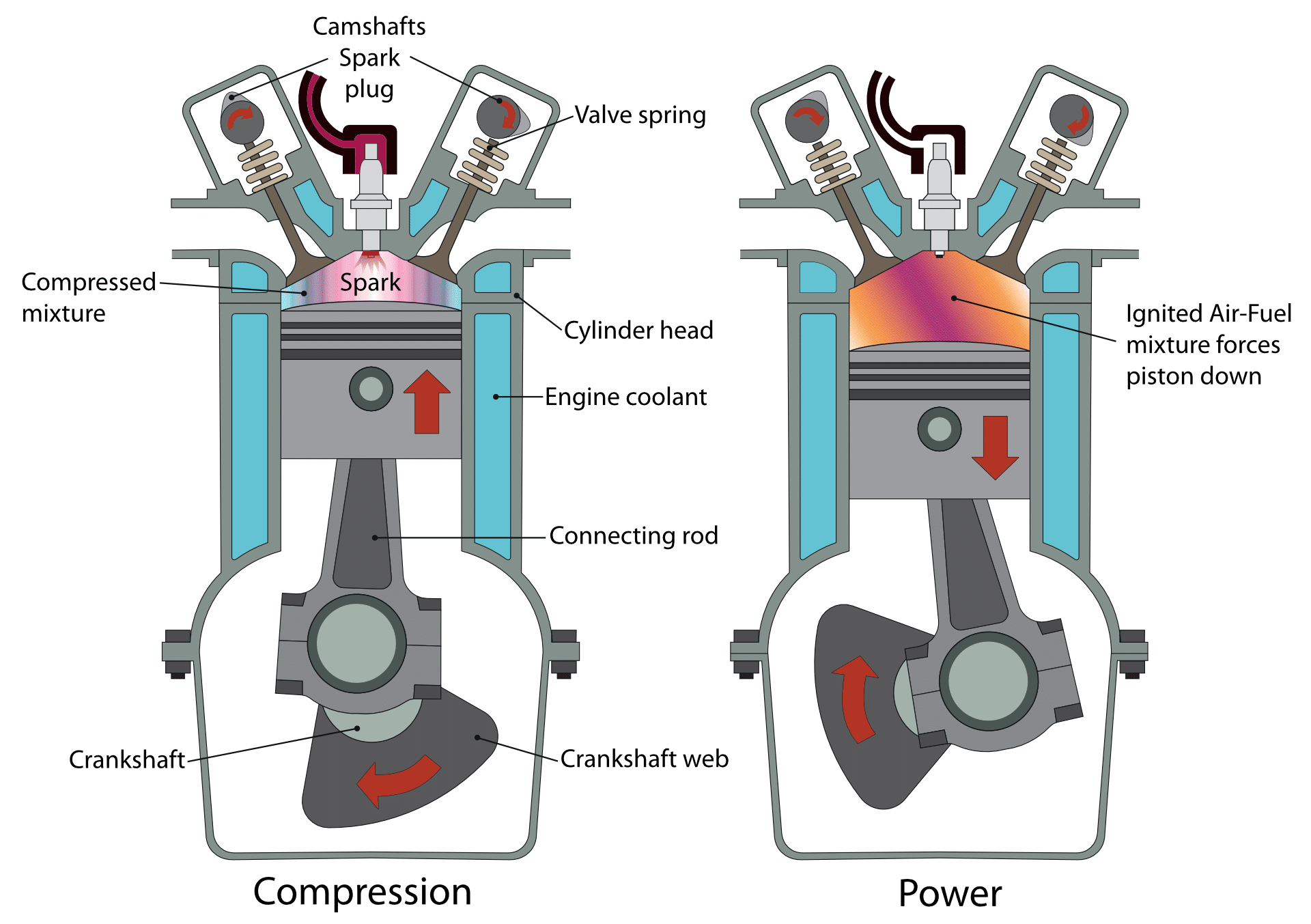
Spark plugs are, in essence, the detonators within your engine’s combustion chambers. They are the final step in a chain reaction that begins with the intake of air and fuel, followed by compression. When the piston reaches the top of its stroke, compressing this air-fuel mixture to its maximum, the spark plug unleashes a high-voltage electrical spark. This spark ignites the compressed mixture, causing a rapid and controlled explosion. The resulting expansion of gases pushes the piston back down, generating the power that turns the crankshaft and, consequently, propels the vehicle. Without a precisely timed and sufficiently strong spark from these components, the fuel would simply remain unburnt, rendering the engine incapable of generating power.
The Fundamental Role of Spark in Combustion
The combustion process within an internal combustion engine is a finely tuned chemical reaction, and the spark plug is the catalyst that initiates this reaction. It’s not just about creating a spark; it’s about creating the right spark, at the right time, with sufficient energy to reliably ignite the air-fuel mixture across all operating conditions.
Initiating the Combustion Cycle
Every gasoline engine operates on a four-stroke cycle: intake, compression, combustion (or power), and exhaust. The spark plug’s moment to shine is during the combustion stroke. As the piston moves upwards, compressing the fuel-air mixture in the cylinder, it reaches its uppermost position, known as Top Dead Center (TDC). At this precise instant, the engine’s ignition system sends a surge of high voltage – typically between 20,000 and 100,000 volts – to the spark plug. This voltage jumps across a small gap between the spark plug’s central electrode and its ground electrode, creating a high-temperature spark. This spark then ignites the highly compressed, volatile air-fuel mixture, causing a rapid expansion of gases. This expansion exerts immense pressure on the piston, forcing it downwards and thus creating the power that turns the crankshaft, which ultimately drives the car’s transmission and wheels.
The Criticality of the Spark Gap
The distance between the central and ground electrodes, known as the spark gap, is a critical parameter. It is meticulously engineered by the vehicle manufacturer to ensure optimal combustion. If the gap is too wide, the voltage required to jump the gap might exceed the ignition system’s capacity, leading to a weak or missed spark, resulting in misfires and reduced engine performance. Conversely, if the gap is too narrow, the spark might not have sufficient surface area to effectively ignite the entire air-fuel mixture, also leading to incomplete combustion and performance issues. The spark gap is also affected by wear over time, which is why periodic inspection and adjustment, or replacement, of spark plugs are essential for maintaining optimal engine function.
Maintaining Consistent Spark Quality
For smooth engine operation, each cylinder needs to fire consistently and with the same intensity. The spark plug’s design and material composition play a vital role in maintaining this consistency. Modern spark plugs are constructed from robust materials designed to withstand the extreme temperatures and pressures within the combustion chamber, as well as the corrosive effects of the combustion byproducts. The quality of the spark also depends on the integrity of the spark plug’s insulator, which prevents the high voltage from escaping prematurely. Any cracks or damage to the insulator can lead to a loss of spark energy, resulting in misfires and a noticeable decline in engine power and fuel efficiency.
The Technical Design and Materials of Spark Plugs
Spark plugs are more than just simple metal rods; they are sophisticated components engineered with precision and advanced materials to survive the harsh environment of the combustion chamber and perform their critical ignition task reliably. Their design has evolved significantly over the years, leading to improved performance, longevity, and fuel efficiency.
Anatomy of a Spark Plug
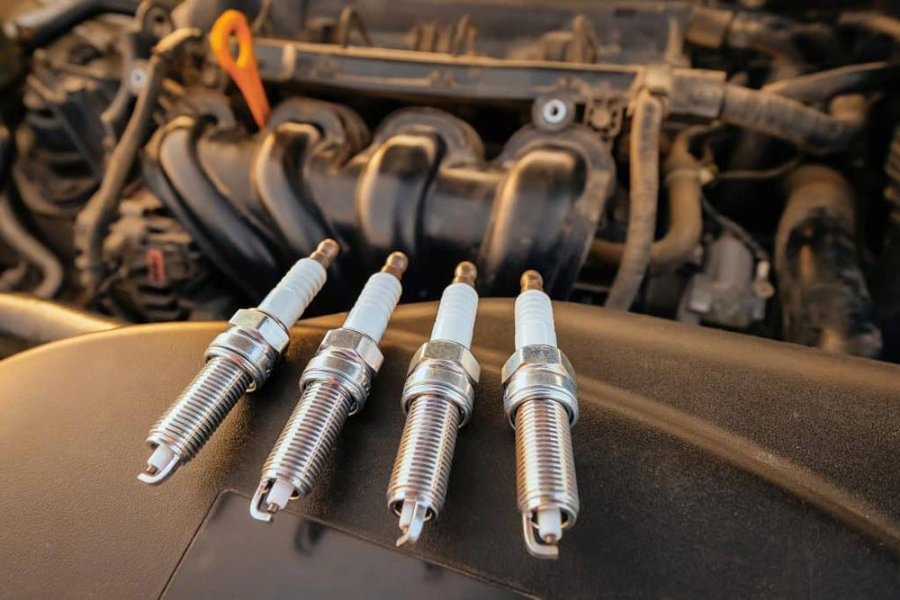
A typical spark plug consists of several key components, each with a specific function:

- Terminal: This is the top part of the spark plug where the ignition wire or coil pack connects to deliver the electrical current.
- Insulator: Usually made of ceramic (alumina), this component insulates the central electrode from the metal shell of the spark plug, preventing the electrical current from grounding prematurely. It also needs to be able to dissipate heat effectively.
- Ribs (Corrugations): These are found on the insulator and provide extra surface area to prevent electrical arcing or “flashover” by increasing the creepage distance for the electricity.
- Center Electrode: This is a metal rod running down the center of the insulator, carrying the high voltage from the terminal to the firing tip. It’s often made of copper, platinum, or iridium for better conductivity and durability.
- Shell (Threaded Base): This is the metal body of the spark plug that screws into the engine block. It has threads for installation and a hex shape for tightening with a wrench. It also provides the ground path for the electrical current.
- Ground Electrode: Welded to the shell, this electrode is positioned opposite the center electrode, creating the spark gap. It’s also made of durable metal alloys.
Material Science and Durability
The extreme temperatures (often exceeding 2,000°F or 1,100°C) and pressures within a combustion chamber necessitate the use of highly durable and heat-resistant materials. The insulator, typically made of high-purity alumina ceramic, is designed to withstand these conditions while providing excellent electrical insulation. The electrodes, particularly the center electrode, are critical for spark quality and longevity.
- Copper Core: Copper is an excellent conductor of heat and electricity, making it a cost-effective choice for basic spark plugs. However, it can wear down relatively quickly.
- Platinum: Platinum is much more resistant to erosion and oxidation than copper. Platinum-tipped spark plugs offer longer service intervals and maintain a more consistent spark gap over time, leading to improved performance and fuel economy.
- Iridium: Iridium is even harder and has a higher melting point than platinum. Iridium spark plugs are the most durable and offer the longest lifespan, often exceeding 100,000 miles. Their fine-wire design also allows for a more concentrated spark, improving ignition efficiency.
The Importance of Electrode Design
Beyond material, the shape and size of the electrodes also influence spark plug performance. Fine-wire electrodes, common in platinum and iridium plugs, reduce the voltage needed to create a spark and increase the spark’s intensity, leading to more complete fuel combustion and a more robust spark. Some designs also feature multiple ground electrodes to ensure a spark can always find a path to ground, even as wear occurs.
The Impact of Spark Plug Health on Engine Performance and Efficiency
The condition of your spark plugs has a direct and significant impact on how your car runs, how much fuel it consumes, and how smoothly it operates. Neglecting them can lead to a cascade of performance issues and, in the long run, potentially more serious engine problems.
Fuel Efficiency and Emissions
When spark plugs are worn or fouled (covered in carbon deposits, oil, or fuel residue), they struggle to produce a strong, consistent spark. This leads to incomplete combustion, meaning that not all the fuel in the cylinder is burned efficiently. Unburnt fuel is essentially wasted, directly impacting your car’s fuel economy. You’ll notice you’re visiting the gas station more frequently. Furthermore, incomplete combustion contributes to increased emissions of harmful pollutants like hydrocarbons (HC) and carbon monoxide (CO), which are detrimental to air quality and can cause your vehicle to fail emissions tests. Modern engines with sophisticated engine management systems are particularly sensitive to spark plug health, as they rely on precise combustion events to optimize fuel injection and ignition timing for both performance and emissions control.
Engine Misfires and Rough Idling
A weak or inconsistent spark can cause engine misfires. A misfire occurs when one or more cylinders fail to ignite the air-fuel mixture during their designated power stroke. This results in a noticeable stutter or hesitation when accelerating, a rough or uneven idle, and a significant loss of power. In severe cases, persistent misfires can lead to unburnt fuel entering the exhaust system, potentially damaging the catalytic converter. The “Check Engine” light on your dashboard is often illuminated due to misfires, with diagnostic trouble codes (DTCs) pointing towards ignition system issues, frequently related to spark plugs or ignition coils.
Starting and Acceleration Issues
Worn or dirty spark plugs can make starting your engine more difficult, especially in cold weather. The ignition system has to work harder to generate a sufficient spark to overcome the resistance of the fuel-air mixture. Similarly, during acceleration, when the engine demands more power, faulty spark plugs can lead to sluggish performance. The engine may feel less responsive, and the acceleration may be hesitant rather than smooth and powerful. This is because the spark plugs are unable to ignite the larger quantities of fuel and air being drawn into the cylinders under these conditions.
Maintenance and Replacement Intervals
Spark plugs are wear items, and their lifespan varies depending on the type of plug and driving conditions. While older, standard copper-core spark plugs might need replacement every 30,000 miles, platinum and iridium plugs can last much longer, often 60,000 to 100,000 miles or more. Consulting your vehicle’s owner’s manual is the best way to determine the recommended replacement interval for your specific car. Ignoring these recommendations and running with degraded spark plugs is a false economy, as the increased fuel consumption and potential for further engine damage will ultimately cost more than timely replacement. Regular inspection during routine maintenance can also help identify potential issues before they lead to significant problems.
aViewFromTheCave is a participant in the Amazon Services LLC Associates Program, an affiliate advertising program designed to provide a means for sites to earn advertising fees by advertising and linking to Amazon.com. Amazon, the Amazon logo, AmazonSupply, and the AmazonSupply logo are trademarks of Amazon.com, Inc. or its affiliates. As an Amazon Associate we earn affiliate commissions from qualifying purchases.