
In the landscape of global organizations, few names carry as much historical weight and recognition as Rotary International. For over a century, the organization has been a staple of local communities and international humanitarian efforts alike. However, to understand what Rotary Clubs truly do from a brand strategy perspective is to witness a masterclass in legacy management, corporate identity, and the cultivation of social capital.
At its core, Rotary is not just a service organization; it is one of the world’s most successful decentralized brands. With over 35,000 clubs in more than 200 countries, the brand must maintain a cohesive identity while empowering local chapters to address unique community needs. This article explores the strategic branding mechanisms that allow Rotary to remain relevant, the value proposition of its “Service Above Self” motto, and how it navigates the complexities of modernizing a century-old brand.
The Architecture of a Legacy Brand: Understanding the Rotary Identity
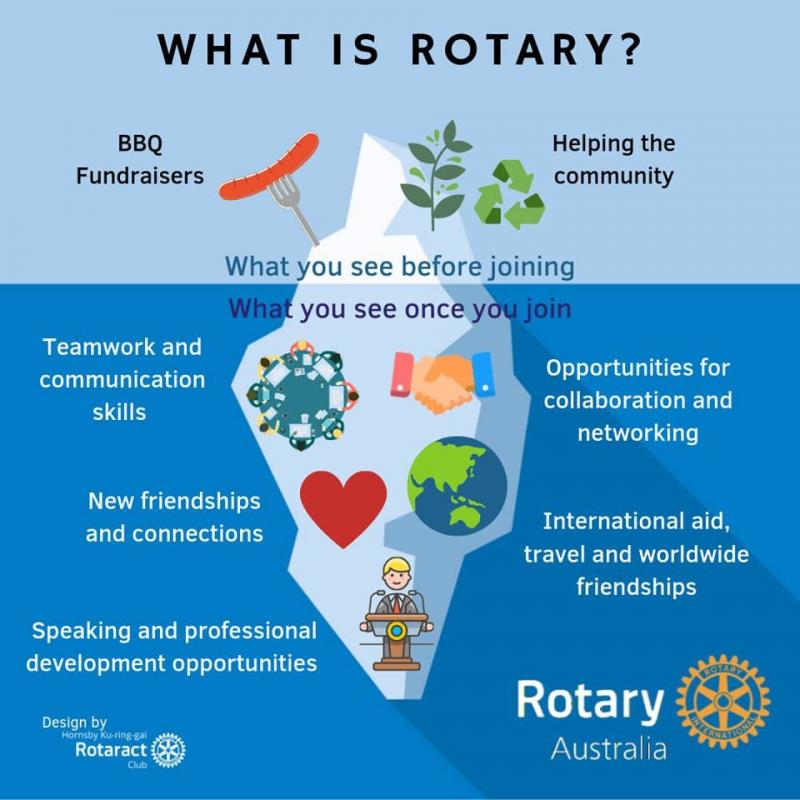
The primary function of any global brand is to provide a consistent experience and a clear promise, regardless of geography. Rotary achieves this through a sophisticated brand architecture that balances top-down governance with bottom-up execution. When we ask “what do Rotary Clubs do,” the answer from a brand perspective is that they act as local franchisees of a global mission.
Consistency Across 1.4 Million Brand Ambassadors
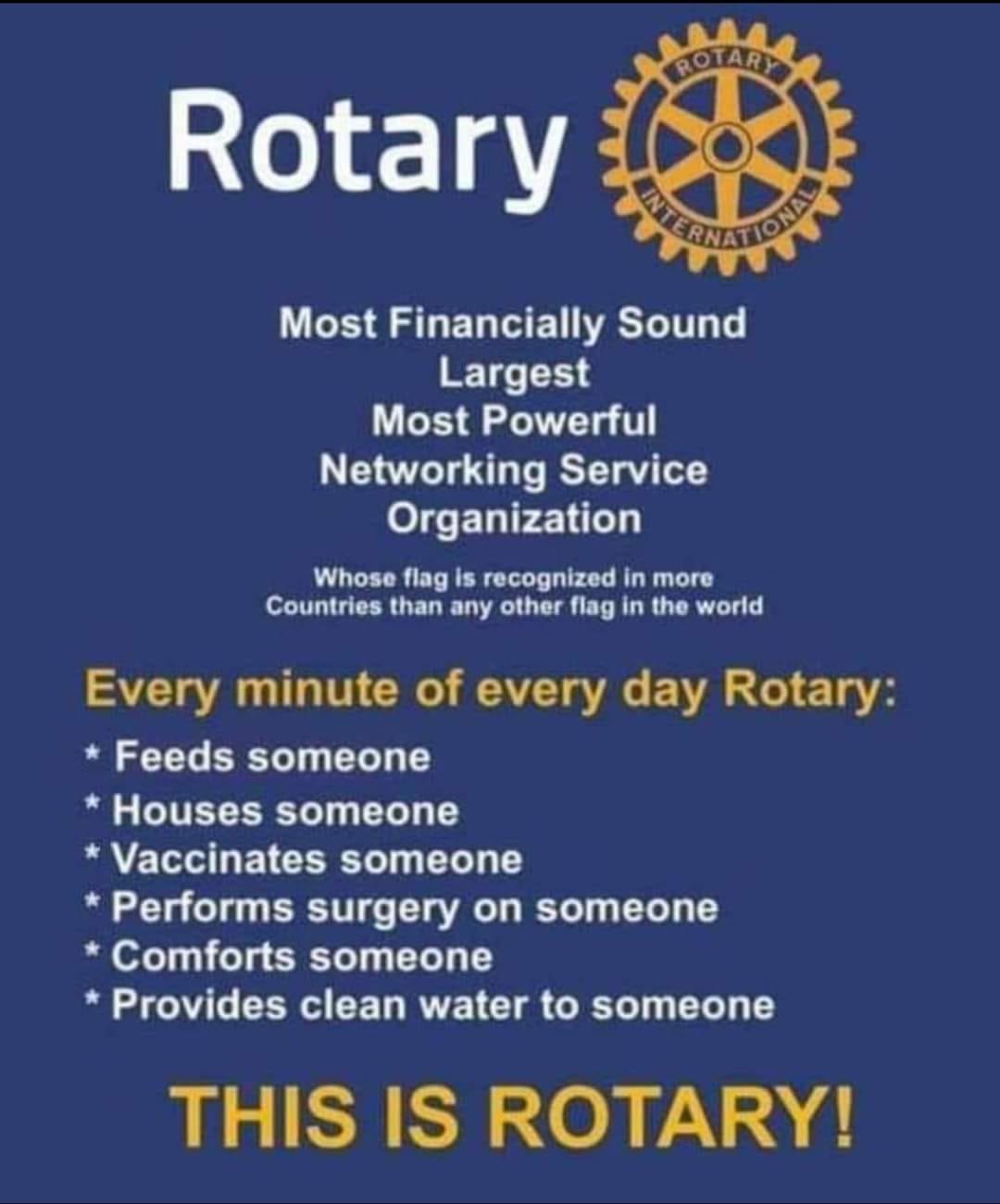
The strength of the Rotary brand lies in its members. Unlike a traditional corporation where employees represent the brand during work hours, Rotary members—Rotarians—embody the brand in their professional and private lives. This creates a massive network of 1.4 million brand ambassadors. To manage this, Rotary International provides rigorous brand guidelines that dictate everything from the use of the iconic “Masterbrand Signature” (the yellow and blue wheel) to the tone of voice used in local communications. By maintaining this visual and verbal consistency, Rotary ensures that a club in Tokyo feels fundamentally connected to a club in Chicago.
The Visual and Verbal Language of Service
The Rotary wheel is one of the most recognized symbols in the world. Originally designed in 1905 and refined over decades, it symbolizes civilization, movement, and service. In the realm of brand strategy, this logo acts as a “seal of trust.” When a community sees that wheel on a local park bench, a water filtration project, or a scholarship fund, the brand identity immediately communicates reliability and ethical standards. The verbal identity is equally strong, anchored by “The Four-Way Test.” This ethical code—asking if a thought or action is the truth, fair, builds goodwill, and is beneficial—serves as the brand’s internal compass, ensuring that all “products” (service projects) align with the core identity.
Social Capital as Brand Equity: How Rotary Clubs Build Trust
In brand marketing, trust is the ultimate currency. Rotary Clubs spend their time and resources building “social capital”—the networks of relationships among people who live and work in a particular society, enabling that society to function effectively. What Rotary Clubs do, in essence, is trade on this capital to solve problems that neither governments nor private businesses can tackle alone.
Local Presence, Global Resonance
One of the most difficult challenges for a global brand is to avoid appearing “faceless” or “corporate.” Rotary solves this through its localized structure. Each club is autonomous in its choice of projects, allowing the brand to be deeply hyper-local. A club in a rural village might focus on irrigation, while a club in a tech hub might focus on digital literacy. This flexibility ensures the brand remains relevant to local stakeholders while the “Global Resonance” is maintained through high-level international initiatives. This duality is a powerful brand strategy; it allows for global scale without losing the personal touch of community engagement.
The “Service Above Self” Value Proposition
Every successful brand needs a unique value proposition (UVP). Rotary’s UVP is “Service Above Self.” From a strategic standpoint, this moves the brand beyond transactional interactions into the realm of transformational experiences. People do not join Rotary for a product; they join for a purpose. By positioning the brand as a vehicle for selfless contribution, Rotary creates high emotional resonance. This attracts a specific demographic of leaders and professionals, further enhancing the brand’s prestige and influence.
Modernizing a Century-Old Brand for the Digital Era
In the 21st century, legacy brands face the “innovator’s dilemma”: how to evolve without alienating their core, traditionalist base. For decades, Rotary was perceived by some as an exclusive “old boys’ club” that met for lunch. Over the last twenty years, the brand has undergone a significant digital and cultural transformation to shift this perception.
Leveraging Social Media for Community Impact
What Rotary Clubs do today is vastly different from what they did in 1950, and their digital presence reflects that. The brand has moved from printed newsletters to high-impact digital storytelling. By utilizing platforms like Instagram, LinkedIn, and YouTube, Rotary highlights the “impact” of its work rather than just the “meetings.” This shift from process-oriented branding to results-oriented branding is crucial for attracting Millennial and Gen Z members who prioritize social impact and transparency.
Digital Transformation in Non-Profit Networking
Digital tools have allowed Rotary to centralize its resources while keeping its operations decentralized. The “My Rotary” portal is a sophisticated digital ecosystem where members can access brand assets, track project metrics, and collaborate globally. This technological integration has turned Rotary from a collection of isolated clubs into a synchronized global machine. From a brand management perspective, this reduces “brand drift” (where local chapters deviate from the core mission) and ensures that the brand’s data-driven impact is measurable and communicable to donors and partners.
Strategic Partnerships and Brand Alliances
No brand is an island. To amplify its reach, Rotary engages in high-level brand alliances that bolster its credibility and operational capacity. This is a core component of what Rotary Clubs do on a global scale—they act as the connective tissue between grassroots efforts and global powerhouses.
Co-Branding with Global Giants
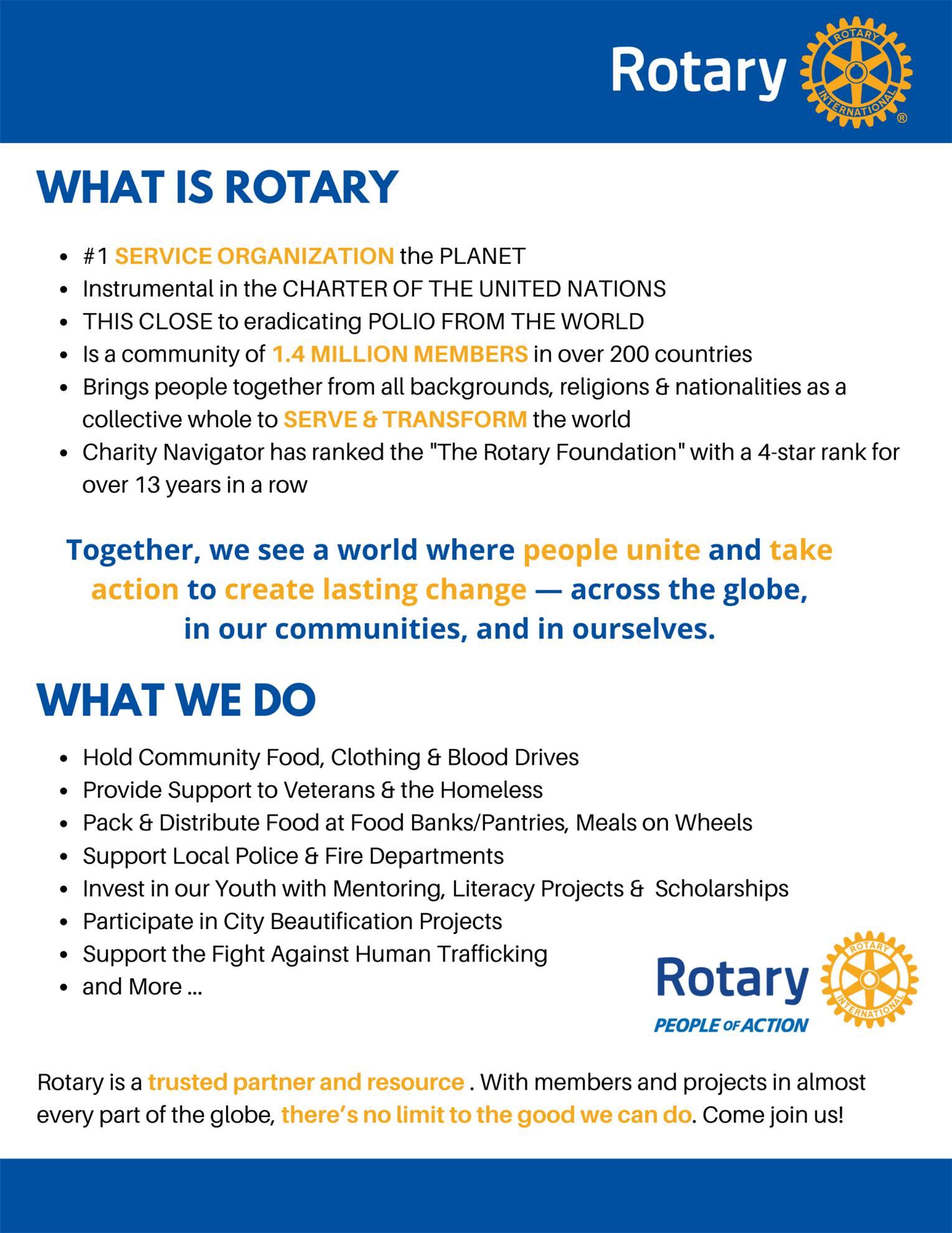
The most prominent example of Rotary’s brand partnership strategy is the Global Polio Eradication Initiative (GPEI). By partnering with the World Health Organization (WHO), the CDC, UNICEF, and the Bill & Melinda Gates Foundation, Rotary elevated its brand from a “community service club” to a “global health leader.” This co-branding effort has been mutually beneficial. Rotary provides the “boots on the ground” and local trust, while partners provide technical expertise and massive funding. This association has significantly increased Rotary’s brand equity in the eyes of international NGOs and governments.
Corporate Social Responsibility (CSR) Integration
Modern corporations are under increasing pressure to demonstrate CSR. Rotary Clubs offer a turnkey solution for businesses looking to engage in meaningful community work. By partnering with local Rotary Clubs, businesses can leverage an existing, trusted brand infrastructure to execute their CSR goals. This “B2B” (Business to Brand) relationship allows Rotary to tap into corporate resources while helping companies build their own brand reputation through association with Rotary’s ethical standing.
The Future of Networking Brands: Lessons from the Rotary Model
As we look toward the future, the “Rotary model” offers several key insights for brand strategists and organizational leaders. In an era of increasing digital isolation, the demand for physical community and purposeful networking is growing.
The success of Rotary demonstrates that a brand built on shared values can survive technological shifts, economic downturns, and cultural changes. What Rotary Clubs do—facilitating connection, promoting ethical leadership, and executing service—is a timeless “product.” However, the brand’s survival depends on its ability to continue diversifying its membership and embracing inclusive branding. Recent shifts toward more flexible meeting formats and a focus on diversity, equity, and inclusion (DEI) show that the brand is aware of the need to reflect the modern world.
In conclusion, Rotary International is more than just a series of clubs; it is a sophisticated, multi-layered brand that has mastered the art of “global localism.” By maintaining a rigid visual identity while allowing for flexible local execution, building immense social capital through trust, and strategically partnering with global entities, Rotary has created a brand blueprint that continues to inspire. Whether it is through eradicating diseases or supporting local literacy, what Rotary Clubs do is provide a consistent, reliable, and ethical framework for global change—a brand promise that remains as potent today as it was in 1905.
aViewFromTheCave is a participant in the Amazon Services LLC Associates Program, an affiliate advertising program designed to provide a means for sites to earn advertising fees by advertising and linking to Amazon.com. Amazon, the Amazon logo, AmazonSupply, and the AmazonSupply logo are trademarks of Amazon.com, Inc. or its affiliates. As an Amazon Associate we earn affiliate commissions from qualifying purchases.