
In the intricate landscape of biological systems, the nitrogen cycle serves as a foundational pillar for life on Earth. Central to this cycle are nitrifying bacteria, specialized microorganisms that perform the crucial task of converting ammonia into nitrates. This process is not merely a biological curiosity; it is a sophisticated biochemical strategy that enables these organisms to harvest energy from inorganic sources. For professionals in fields ranging from environmental engineering to sustainable agriculture, understanding the specific inputs and mechanisms used by these bacteria is essential for optimizing soil health, aquaculture filtration, and wastewater treatment systems.
The Biochemical Foundation of Nitrification
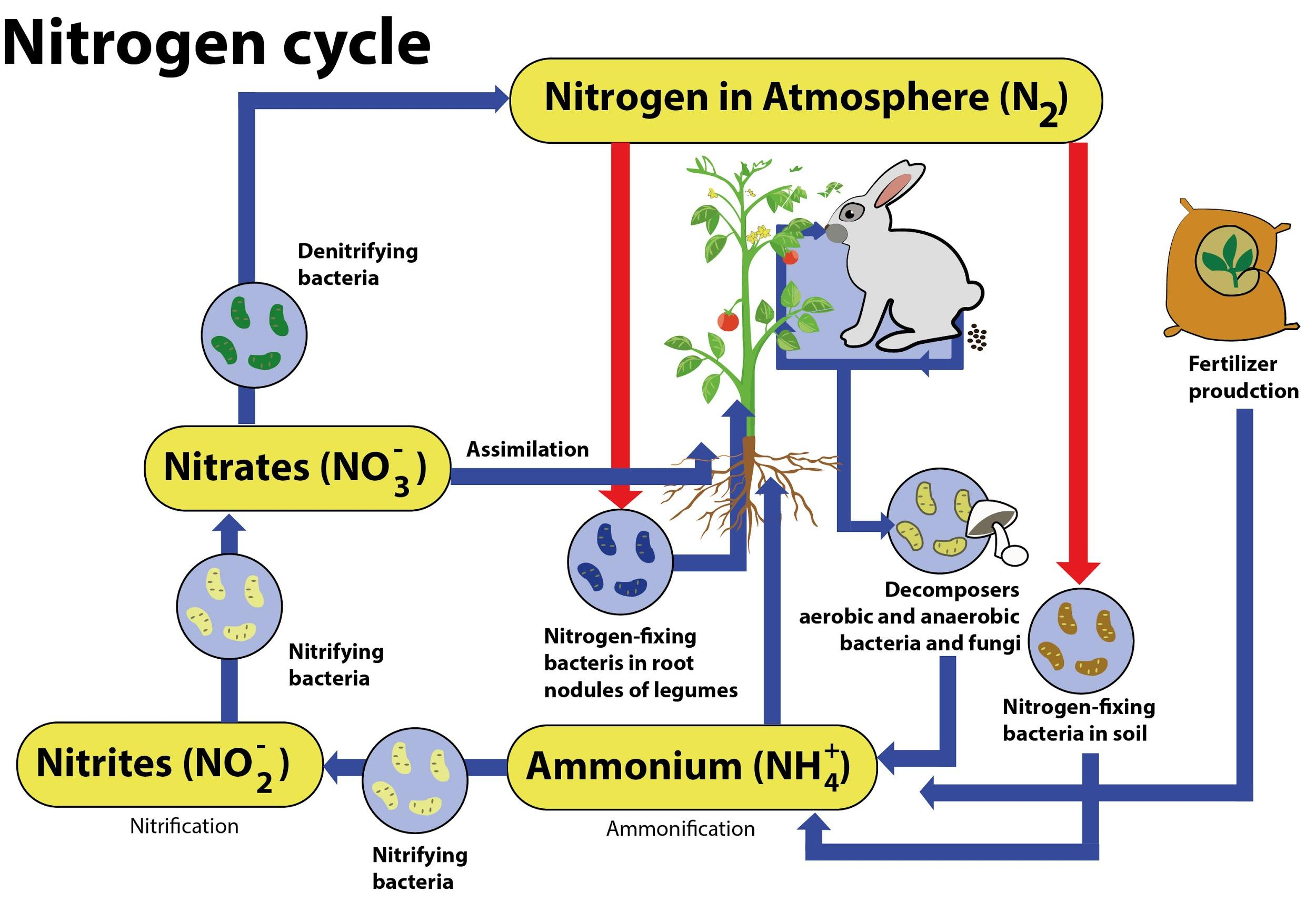
Nitrifying bacteria are chemolithoautotrophs. Unlike heterotrophs, which rely on organic carbon for energy, these bacteria synthesize their own organic compounds from carbon dioxide and harness energy through the oxidation of inorganic nitrogen compounds. This energy conversion process is the core engine behind the formation of nitrates.
Ammonia Oxidation: The First Phase
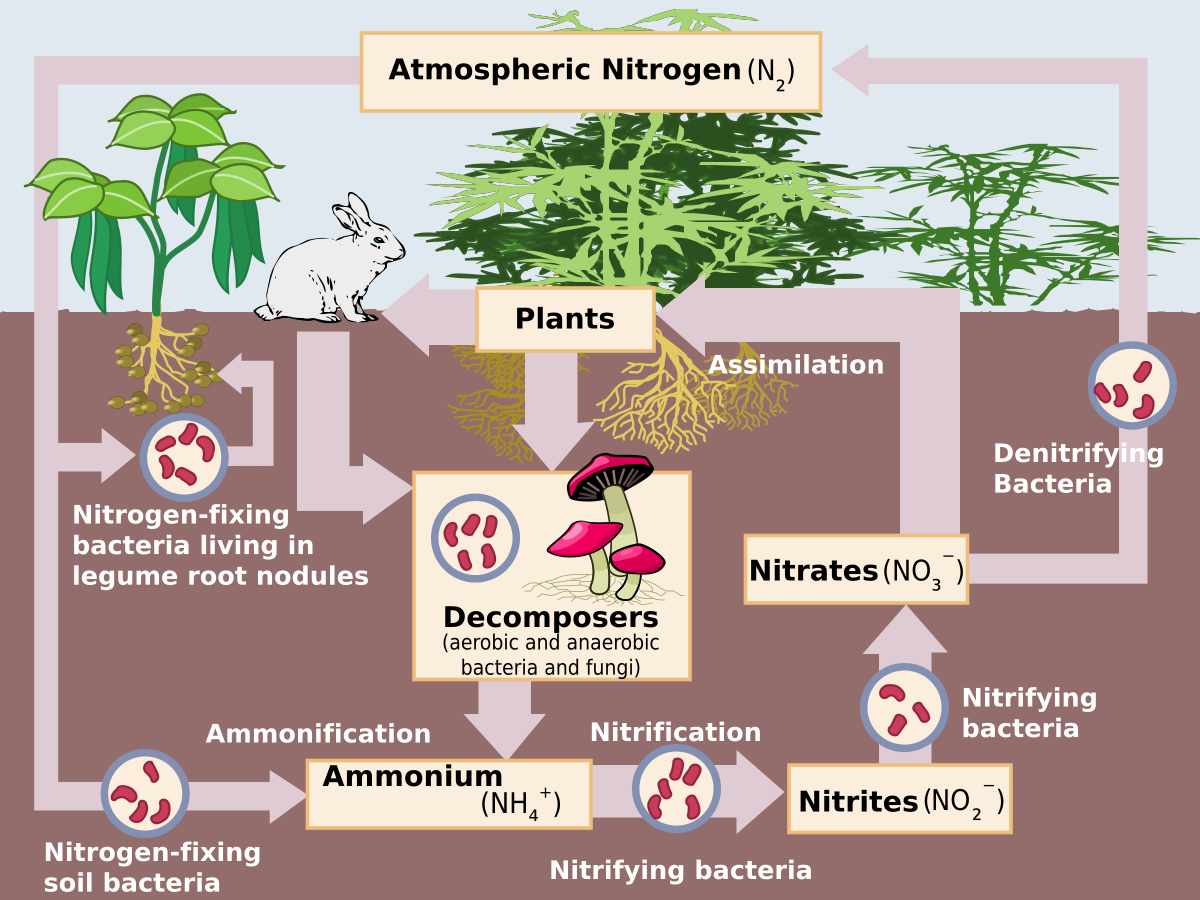
The formation of nitrates is a two-step process conducted by two distinct groups of bacteria. In the first phase, Ammonia-Oxidizing Bacteria (AOB)—such as Nitrosomonas—utilize ammonia ($NH3$) or ammonium ($NH4^+$) as their primary energy source. Through the action of the enzyme ammonia monooxygenase (AMO), these bacteria introduce oxygen to the ammonia, initiating a cascade that eventually yields nitrite ($NO_2^-$). This stage is highly oxygen-dependent, requiring a consistent supply of dissolved oxygen to fuel the metabolic reaction.
Nitrite Oxidation: The Second Phase
Once nitrite is produced, it does not linger long in a balanced ecosystem. Nitrite-Oxidizing Bacteria (NOB), such as Nitrobacter and Nitrospira, step in to complete the conversion. These organisms use nitrite as their electron donor. Through the enzyme nitrite oxidoreductase (NOR), they further oxidize nitrite into nitrate ($NO_3^-$). It is this specific transformation—from nitrite to nitrate—that represents the final stage of the nitrification sequence, providing the ecosystem with a form of nitrogen that is readily accessible for plant uptake.
Essential Inputs for Nitrification Efficiency
While ammonia and nitrite serve as the primary substrates for oxidation, nitrifying bacteria require a specific environmental toolkit to facilitate these chemical transformations. The efficiency of nitrate formation is inextricably linked to the availability of inorganic raw materials and the stability of the surrounding environment.
Oxygen as the Terminal Electron Acceptor
Oxygen is the most critical reagent in the production of nitrates. Nitrification is an aerobic process, meaning these bacteria require a high concentration of dissolved oxygen to thrive. The oxidation of nitrogen compounds is a high-demand metabolic task. In environments where oxygen levels drop—such as stagnant water or compacted soil—the metabolic rate of Nitrosomonas and Nitrobacter slows significantly. In engineering applications like biofilters, aeration is the primary tool used to maintain the throughput of nitrate production. Without sufficient oxygen, the bacteria cannot finalize the conversion, leading to the accumulation of toxic ammonia or nitrite.
Carbon Dioxide: The Inorganic Carbon Source
Because nitrifying bacteria are autotrophs, they do not consume organic sugars for building biomass. Instead, they rely on inorganic carbon in the form of carbon dioxide ($CO2$) or bicarbonates ($HCO3^-$). These bacteria utilize the Calvin cycle to “fix” inorganic carbon into cellular structure. This is a vital distinction in management strategy; if an environment is saturated with organic carbon (such as excessive biological waste or glucose), it can actually inhibit the growth of nitrifying bacteria by promoting the growth of faster-moving heterotrophic competitors. Therefore, for effective nitrate formation, the environment must be kept relatively low in organic carbon but rich in inorganic carbon.
Mineral Ions and Trace Elements
Beyond the primary chemical substrates, nitrifying bacteria require specific mineral cofactors to catalyze these reactions. Iron and copper are essential components of the enzymes AMO and NOR. If these trace metals are unavailable or sequestered by chelating agents, the rate of nitrate formation plummets. Furthermore, phosphorus and magnesium are necessary for ATP production within the bacteria. Maintaining a mineral-rich environment is a quiet but necessary requirement for sustaining a healthy population of nitrate-producing microbes.
Environmental Parameters and Reaction Kinetics
Understanding what these bacteria use to form nitrates is incomplete without acknowledging the environmental thresholds that dictate their functionality. The chemical pathways described above are highly sensitive to pH, temperature, and alkalinity.
The Role of Alkalinity and pH
The process of oxidizing ammonia into nitrate is an acid-producing reaction. Every mole of ammonia oxidized generates hydrogen ions ($H^+$), which lowers the pH of the surrounding medium. If the pH drops too low, the enzymatic activity within the bacteria is inhibited, effectively halting the nitrogen cycle. To prevent this, these bacteria require a source of alkalinity, such as carbonates or bicarbonates, to act as a buffer. These buffers neutralize the acidity produced during the reaction, keeping the pH in an optimal range—typically between 7.0 and 8.5—where these bacteria can operate at peak efficiency.
Temperature Sensitivity
The kinetics of nitrate formation are highly temperature-dependent. Nitrifying bacteria operate best in moderate temperatures, generally between 25°C and 30°C. As temperatures drop below 10°C, the metabolic rate of these organisms slows drastically, resulting in a significant reduction in nitrate output. This is a primary concern in cold-climate wastewater treatment plants or seasonal agriculture, where “nitrification lag” becomes a risk factor. Conversely, extreme heat can denature the enzymes required for oxidation, leading to a total collapse of the biological system.
Practical Applications of Nitrate Formation
The knowledge of how nitrifying bacteria function is not merely academic; it is applied daily in various industries. By manipulating the substrates and environmental variables discussed, professionals can engineer environments that maximize the health of the nitrogen cycle.
Sustainable Aquaculture and RAS
In Recirculating Aquaculture Systems (RAS), the ability to facilitate the conversion of fish waste (ammonia) into nitrate is a critical failure point. Operators must manage biofilters—artificial substrates colonized by nitrifying bacteria—by strictly controlling oxygen levels and maintaining alkalinity. By understanding that these bacteria use oxygen and inorganic carbon to create nitrate, operators can fine-tune their filtration systems to ensure the ammonia levels remain within safe margins for the livestock, while providing the nitrate that can then be processed or utilized in integrated hydroponic systems.
Precision Agriculture and Soil Health
In modern agriculture, the goal is to manage the nitrogen cycle to maximize fertilizer efficiency while minimizing runoff. Nitrifying bacteria naturally convert nitrogen-based fertilizers into the nitrate form, which is the most easily absorbed version for crops. By understanding the conditions these bacteria require—proper aeration of the soil and adequate mineral content—farmers can influence the rate of nitrate production. This biological management helps reduce the need for synthetic nitrogen over-application, preventing environmental contamination through leaching and nitrogenous gas emission.
Wastewater Treatment Efficiency
Municipal wastewater treatment plants rely almost exclusively on the nitrification process to render high-ammonia waste safe for discharge. Engineers utilize the specific chemical requirements of nitrifying bacteria to design aeration tanks and media-bed reactors. By managing the supply of oxygen, the alkalinity of the incoming water, and the availability of inorganic carbon, these facilities can accelerate the transformation of ammonia to nitrate. This controlled process is the bedrock of modern public sanitation and environmental protection.
Concluding Perspectives on Nitrogen Metabolism
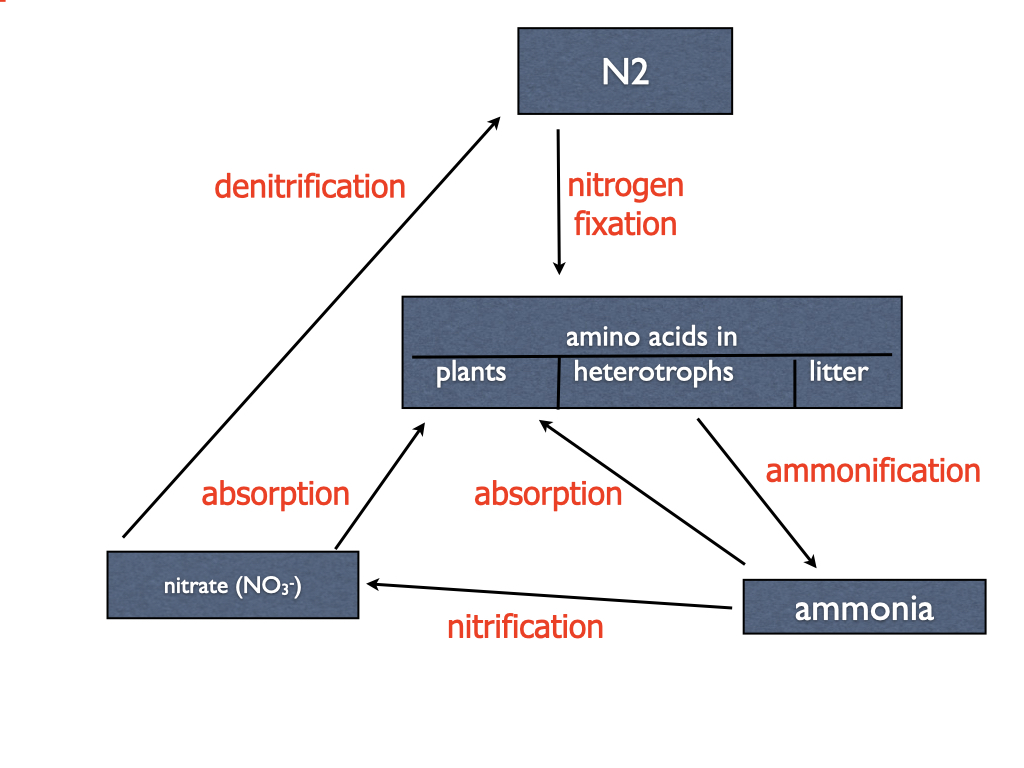
The biological conversion of nitrogen compounds is a masterclass in efficiency and precision. By utilizing oxygen as a terminal electron acceptor, inorganic carbon for biomass synthesis, and specific mineral cofactors to drive enzyme-based oxidation, nitrifying bacteria provide a service that is essential to the stability of the global nitrogen cycle.
For the professional navigating the complexities of environmental management, the takeaway is clear: success in cultivating these bacteria relies on providing the right inputs and maintaining a stable environment. Whether the goal is the management of a high-density aquaculture facility, the optimization of agricultural yield, or the effective purification of wastewater, the principles remain the same. The chemical “ingredients” used by these bacteria—ammonia, oxygen, and inorganic carbon—must be balanced with scientific precision. In doing so, we not only sustain the health of our local ecosystems but also harness one of nature’s most effective bio-chemical tools to support global industrial and ecological progress.
aViewFromTheCave is a participant in the Amazon Services LLC Associates Program, an affiliate advertising program designed to provide a means for sites to earn advertising fees by advertising and linking to Amazon.com. Amazon, the Amazon logo, AmazonSupply, and the AmazonSupply logo are trademarks of Amazon.com, Inc. or its affiliates. As an Amazon Associate we earn affiliate commissions from qualifying purchases.