
The contemporary club scene, far from being merely a venue for leisure, functions as a dynamic arena for personal branding. For men, the choice of attire for a night out extends beyond mere comfort or fleeting trends; it represents a deliberate and strategic act of self-presentation. In an environment where first impressions are immediate and often decisive, what a man wears directly communicates elements of his personal brand, influencing perceptions of his status, personality, and social acumen. This strategic approach to dressing for the club is not unlike a company crafting its visual identity for a key market segment – every detail contributes to the overall message.
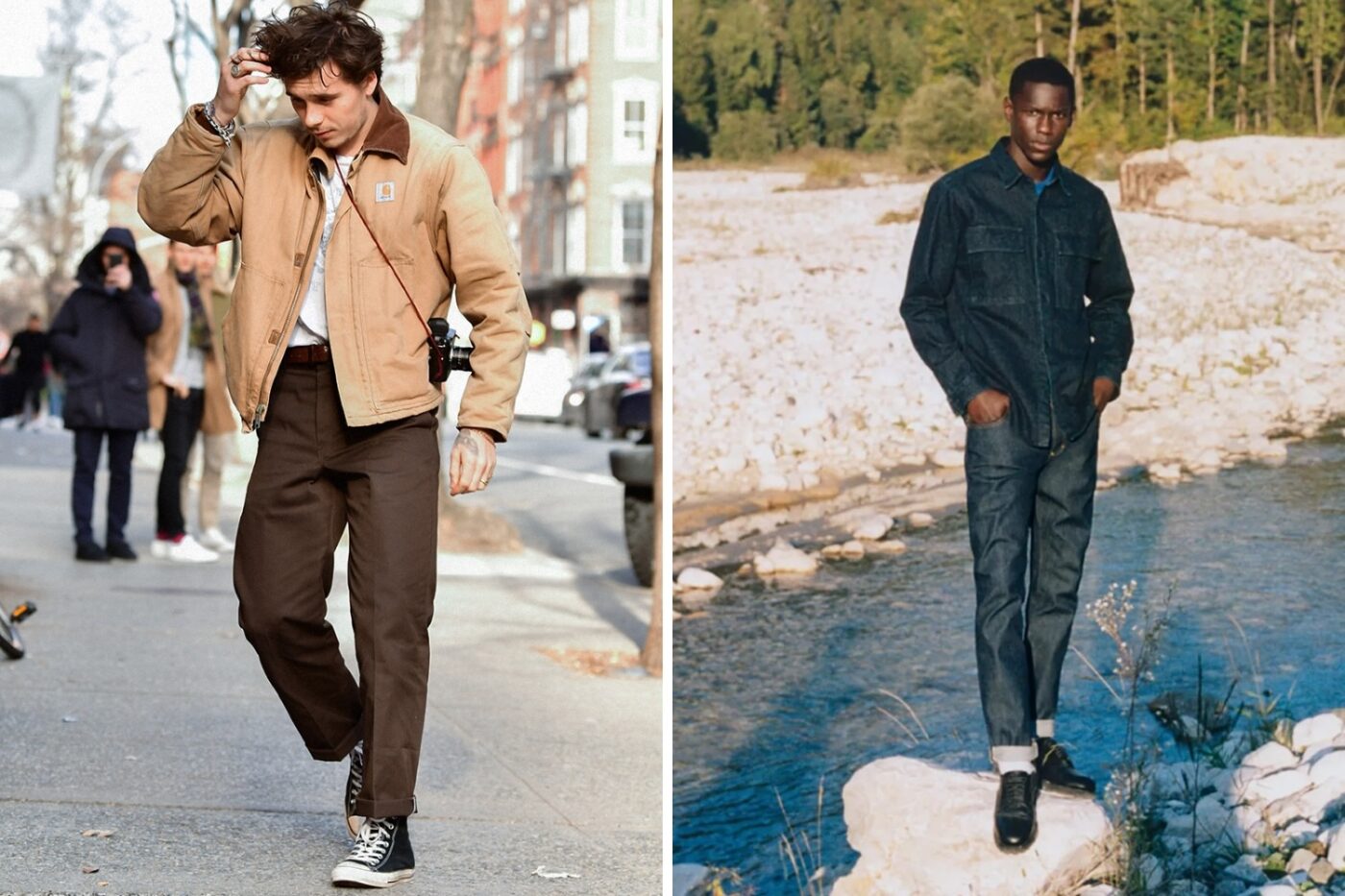
The Club as a Personal Branding Arena
Every social interaction, particularly in a high-energy, visually driven environment like a club, offers an opportunity to reinforce or redefine one’s personal brand. For men, this means understanding that their sartorial choices are a form of non-verbal communication, projecting an image before a single word is spoken. The club isn’t just a place to unwind; it’s a stage where individuals present their curated self, engaging in a subtle yet powerful form of social marketing.
The concept of personal branding hinges on conveying a consistent and authentic message about who you are and what you stand for. In a club setting, this involves more than just selecting fashionable clothes; it’s about choosing an ensemble that aligns with your desired identity. Are you aiming to convey sophistication, trend-awareness, approachability, or an edgy individuality? Each of these facets can be meticulously crafted and amplified through specific clothing items, colors, textures, and fits. The aggregate of these choices forms a visual narrative that potential connections, whether social or romantic, quickly interpret. Ignoring this powerful tool is akin to a business launching a product without considering its packaging or market positioning.
Defining Your Desired Brand Image
Before selecting any garment, the foundational step in personal branding for the club is to define the image you wish to project. This introspection involves asking: What persona do I want to embody tonight? A man might aim for an effortlessly cool brand, suggesting confidence without overt display, or a more assertive, fashion-forward brand that seeks to stand out.
- The Sophisticate: This brand emphasizes elegance and refinement. It might involve tailored trousers, a crisp button-down shirt (perhaps silk or a fine cotton blend), and polished shoes. The message is one of discerning taste and quiet confidence.
- The Trendsetter: This brand prioritizes contemporary style and an awareness of current fashion movements. It could feature designer denim, an innovative jacket, or a statement piece that showcases an understanding of cutting-edge design. The brand signal here is one of dynamism and forward-thinking style.
- The Accessible & Relaxed: This brand leans towards approachability and comfort, often without sacrificing style. Premium quality t-shirts, well-fitting dark jeans, and stylish sneakers can convey a grounded yet fashionable persona. The brand message is one of ease and authenticity.
Each choice contributes to a narrative. A man’s club attire is a strategic brief, outlining his brand proposition to the social market.
Strategic Attire: Marketing Your Identity
Clothing selections are powerful marketing tools. For men in a club environment, attire can communicate status, social group affiliation, economic standing, and even specific personality traits. Understanding this allows for a more strategic and impactful approach to dressing. It’s about more than just looking “good”; it’s about looking “on-brand.”
The “product” being marketed is your personal identity. Different styles can highlight different attributes. A fitted blazer over a t-shirt, for instance, can market a blend of casual confidence and underlying sophistication. The choice of fabric also plays a crucial role: a luxurious silk shirt conveys a different message than a rugged denim one. These elements are not random; they are design decisions made to achieve a specific marketing outcome.
Fit for Purpose: Aligning Attire with Club Vibe
Just as a brand adapts its messaging for different platforms, personal branding requires aligning attire with the specific club’s atmosphere and target audience. An outfit perfect for a high-end lounge might be entirely out of place in a more casual, high-energy dance club, thereby diluting or misrepresenting the intended brand message.
- Upscale Lounges/Exclusive Clubs: These venues often demand a more polished and formal approach. Think tailored jackets, dress shirts, smart trousers, and premium leather shoes. The brand here is one of aspiration, class, and respect for the venue’s aesthetic. Marketing yourself here means signalling alignment with an elite environment.
- Mid-Range Dance Clubs: These typically allow for more stylistic flexibility. Dark-wash jeans, stylish shirts (button-downs, polos, or high-quality t-shirts), and fashionable sneakers or boots are often appropriate. The brand message can be more dynamic and energetic, showcasing an ability to blend contemporary trends with personal flair.
- Themed Nights/Alternative Venues: These settings encourage more expressive and niche branding. Attire might involve specific subculture influences, vintage pieces, or avant-garde elements. The brand here is about individuality, bold self-expression, and a willingness to step outside conventional norms.
Understanding the “market” of the club ensures your personal brand message resonates effectively with the intended audience.
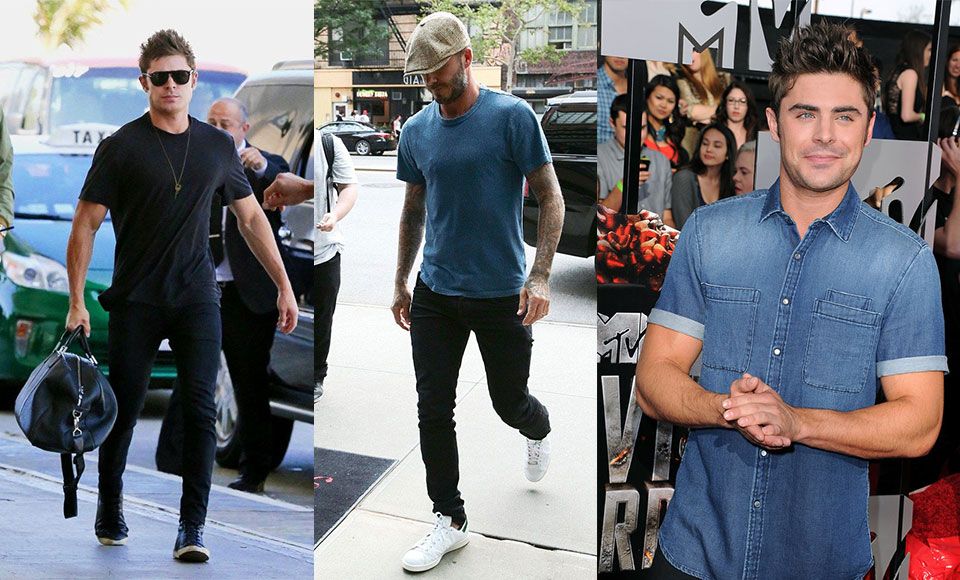
Beyond Basics: The Power of Accessories in Brand Differentiation
Accessories are crucial in personal branding, acting as subtle yet powerful differentiators. A watch, a belt, a ring, or even a pair of eyeglasses can elevate an outfit from generic to distinctively “you.” These small details are often where personal style truly shines, providing nuanced layers to your brand identity.
- Watches: A statement watch can signal success, an appreciation for craftsmanship, or a classic aesthetic. It’s a subtle flex of personal values and taste.
- Belts: A well-chosen belt, whether minimalist leather or with an iconic buckle, grounds an outfit and can subtly hint at brand allegiance or an eye for detail.
- Jewelry: Rings, necklaces, or bracelets can convey a sense of edginess, artistic sensibility, or cultural connection, adding depth to the personal brand narrative.
- Footwear: Shoes are often the first or second thing noticed in an outfit. Premium sneakers, sleek loafers, or stylish boots all contribute significantly to the overall brand image, reflecting attention to detail and a commitment to quality.
By strategically deploying accessories, a man can amplify specific aspects of his brand, providing memorable touchpoints that enhance perception without overwhelming the core message.
Design Principles for Impactful Club Wear
Approaching club attire with a designer’s mindset means understanding the fundamental principles of aesthetics: color, texture, silhouette, and balance. These elements, when combined thoughtfully, create a cohesive and impactful visual statement that supports a desired personal brand.
The Art of Cohesion: Creating a Branded Ensemble
A strong personal brand is characterized by consistency and cohesion. In fashion, this means creating an ensemble where all elements work together harmoniously to convey a unified message. This isn’t about matching everything perfectly, but rather about ensuring that each piece contributes to the overall brand narrative without contradiction.
- Color Theory: Colors evoke specific emotions and associations. Darker tones (black, charcoal, deep navy) often convey sophistication, mystery, and power, making them staples for evening wear. Lighter, more vibrant colors can project energy, friendliness, or boldness, depending on the context. Strategic use of a single accent color can also serve as a brand signature.
- Material and Texture: The feel and look of fabrics add significant depth to an outfit. Silk, velvet, and fine wool communicate luxury and refinement, aligning with a sophisticated brand. Leather suggests an edgier, more rugged, or confident brand. Cotton and denim, in high-quality forms, convey approachability and authentic comfort. The interplay of different textures within an outfit (e.g., a leather jacket over a cotton shirt) adds visual interest and complexity to the brand.
- Silhouette and Fit: How clothes drape on the body fundamentally shapes perception. A tailored, slim silhouette generally conveys precision, professionalism, and confidence. A more relaxed or oversized fit might project an artistic, casual, or streetwear-inspired brand. The fit communicates whether one pays attention to detail and personal grooming, key components of any robust personal brand.
By consciously manipulating these design elements, a man can architect an outfit that is not just fashionable but also a powerful visual representation of his personal brand, making a memorable and strategic impact in the club environment.
Evolving Trends and Maintaining Brand Relevance
Just as corporate brands must adapt to market shifts, a man’s personal brand for the club needs to evolve. Fashion trends are cyclical, and remaining relevant involves an understanding of current aesthetics without sacrificing authenticity. The goal is to update one’s “club brand” effectively, integrating contemporary elements while staying true to the core identity.
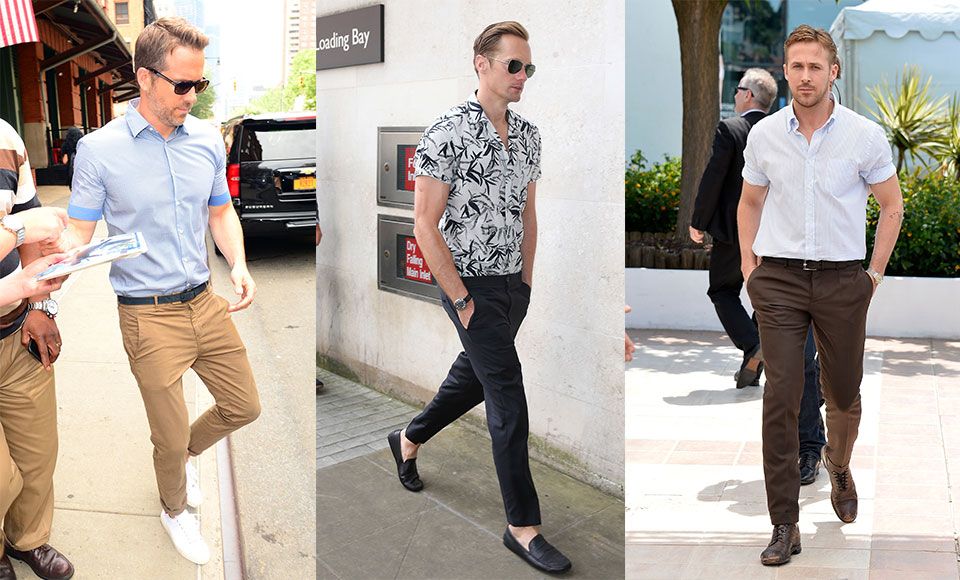
Authenticity vs. Aspiration: Crafting a Sustainable Club Brand
True personal branding isn’t about slavishly following every trend; it’s about discerning which trends align with and enhance your authentic self. A sustainable club brand is one that feels genuine, reflects your actual personality, and isn’t merely a costume.
- Selective Adoption: Identify key trends (e.g., specific colors, materials, or cuts) that resonate with your existing brand identity and subtly incorporate them. This shows an awareness of current style without compromising authenticity.
- Investment in Staples: Build a foundation of high-quality, timeless pieces that form the core of your club wardrobe. These items, like a well-fitting blazer or dark wash jeans, transcend transient trends and provide a consistent base for your personal brand.
- Personal Touches: Always include elements that are uniquely “you.” This could be a signature accessory, a specific type of fabric you favor, or a distinctive way of combining pieces. These personal touches are what make your brand memorable and differentiate it from others.
By strategically navigating trends and focusing on authenticity, men can cultivate a powerful, relevant, and enduring personal brand for the club scene, ensuring their visual statement is always impactful and true to themselves.
aViewFromTheCave is a participant in the Amazon Services LLC Associates Program, an affiliate advertising program designed to provide a means for sites to earn advertising fees by advertising and linking to Amazon.com. Amazon, the Amazon logo, AmazonSupply, and the AmazonSupply logo are trademarks of Amazon.com, Inc. or its affiliates. As an Amazon Associate we earn affiliate commissions from qualifying purchases.