
Attending a wedding as a male guest is an exercise in both social awareness and personal branding. Much like a corporate identity project or a strategic marketing campaign, your attire sends a message to the hosts and fellow guests about your respect for the occasion and your understanding of the social contract. In a world where personal presentation is an extension of one’s reputation, selecting the right outfit is a deliberate act of brand management.
Decoding the Dress Code: Strategic Alignment
When an invitation arrives, the dress code is the “brief” provided by the client. Failing to adhere to this brief results in a misalignment of expectations, which can detract from your personal brand. Much like a brand strategy that must evolve based on the target market, your wedding attire must shift based on the specific parameters set by the couple.
Black Tie: The Gold Standard of Professionalism
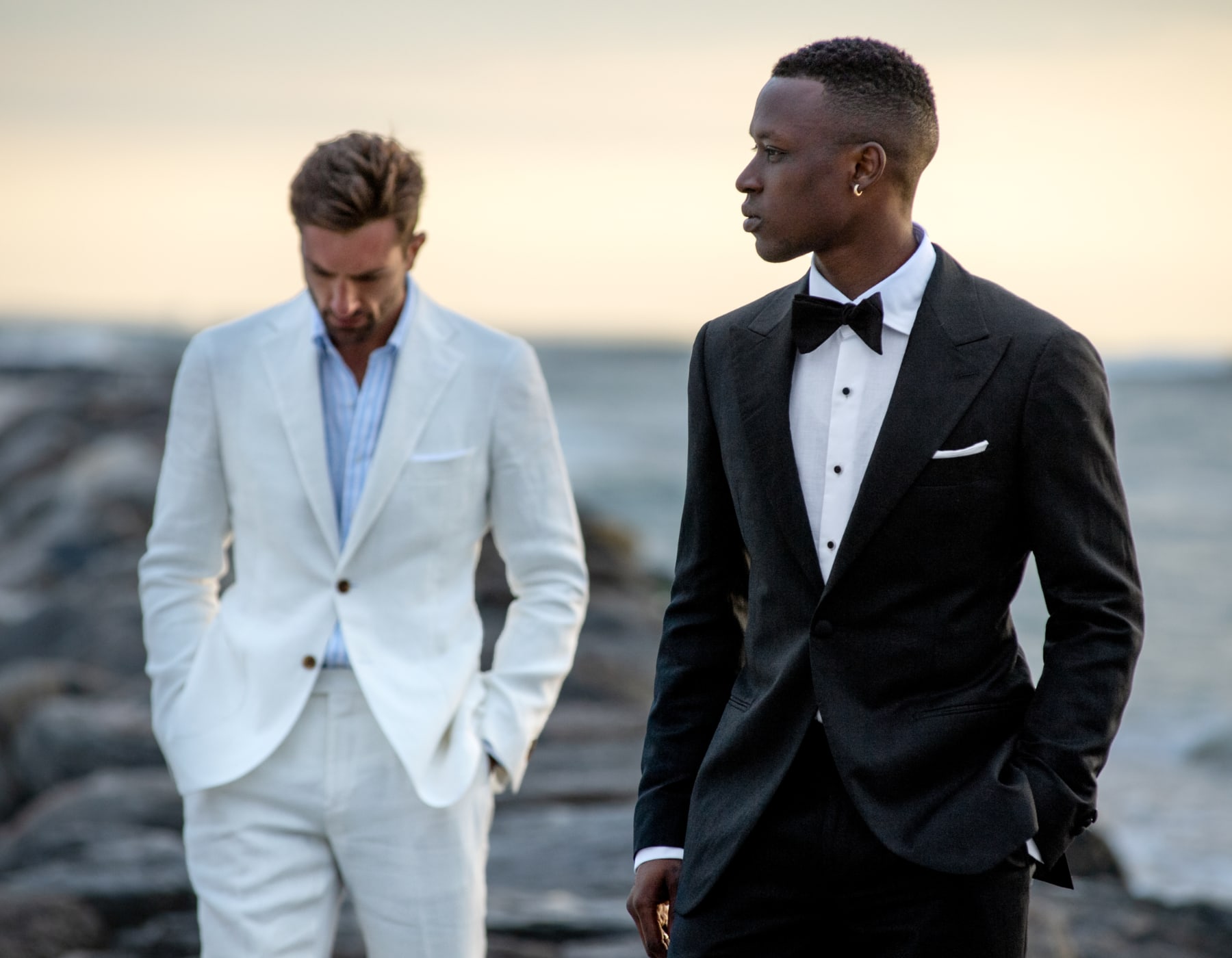
Black tie is the equivalent of a premium luxury branding package. It is rigid, precise, and leaves little room for error. When the invitation specifies Black Tie, the expectation is a tuxedo. A tuxedo is characterized by silk facings on the jacket’s lapels and buttons, and a side stripe on the trouser leg.
This is not the time for creative expression through loud colors. Instead, focus on the quality of the fabric and the precision of the fit. A crisp white tuxedo shirt with a pleated front or a pique bib, paired with a black silk bow tie, creates a silhouette that communicates sophistication and authority. In the context of your personal brand, wearing black tie correctly signals that you are someone who understands industry standards and respects the “corporate culture” of the event.
Formal and Creative Black Tie
Formal attire—often interpreted as a dark suit and tie—is the baseline for most professional weddings. Creative Black Tie is where your personal brand can take a slight risk. This might involve a velvet tuxedo jacket in a deep midnight blue or a sophisticated burgundy, paired with classic black trousers. The key here is balance; you are introducing a unique element without compromising the underlying structural integrity of the formal dress code.
The Business of Style: Color, Texture, and Fabric Selection
In brand strategy, the choice of color palette is a calculated decision designed to evoke a specific psychological response. The same principles apply to your wedding wardrobe. The fabrics you choose serve as the “texture” of your brand, while the colors act as your primary messaging tools.
The Power of Neutrality
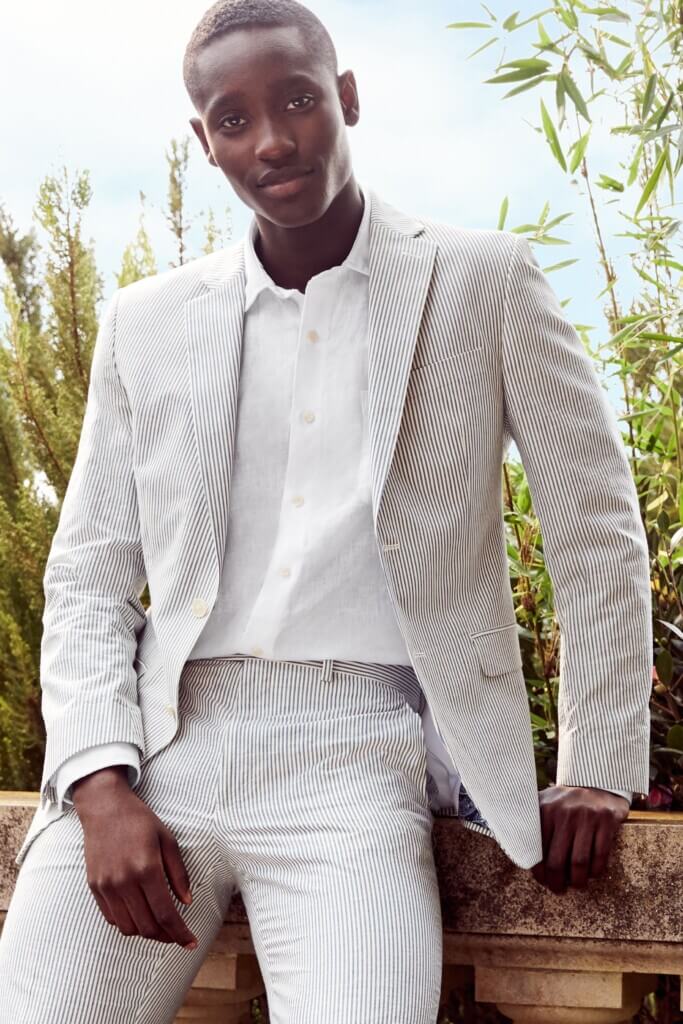
For daytime or semi-formal weddings, light grays, tan, and soft blues are the equivalent of a clean, minimalist brand identity. They are approachable, trustworthy, and visually light. When opting for these colors, the fabric selection becomes paramount. Wool-linen blends or high-twist tropical wools provide a crisp finish that suggests you are both practical and aesthetically conscious.
The Authority of Dark Tones
Conversely, evening weddings demand a darker, more authoritative palette. Charcoal, navy, and black are the “bold font” of the suiting world. They convey seriousness and importance. If your goal is to integrate seamlessly into a formal environment, these shades are your primary assets. They act as a visual anchor, ensuring you do not distract from the main narrative of the event—the couple—while still maintaining a high level of professional polish.
Integrating Pattern and Texture
Much like incorporating a secondary color into a branding scheme, textures and patterns should be used as accents rather than the focus. A subtle houndstooth or a windowpane check in a suit fabric can differentiate your style, provided the scale of the pattern is handled with restraint. If you opt for a bold texture, keep your accessories—ties, pocket squares, and footwear—strictly minimalist. Over-complicating your “visual assets” leads to a diluted brand message that feels chaotic rather than curated.
Grooming and Accessories: The Finishing Touches
If the suit is the core of your branding, accessories are the brand guidelines. They ensure that the final output is consistent, polished, and unmistakably professional. Neglecting these details is the equivalent of a brand that has great products but poor customer service; it undermines the effort put into the primary presentation.
Footwear as a Performance Indicator
Shoes are the foundation of your silhouette. In a business context, your footwear is often the first thing people notice, acting as an indicator of your attention to detail. For a formal wedding, a well-polished Oxford is mandatory. It is sleek, understated, and timeless. For less formal, “cocktail attire” weddings, a high-quality leather loafer—specifically a tassel or penny loafer—can suggest a more relaxed, approachable persona without sacrificing class. Avoid square-toed shoes at all costs; they are the aesthetic equivalent of an outdated, non-responsive website.
The Role of Minimalist Accessories
Accessories should function as subtle brand touchpoints. A pocket square should complement, not match, your tie. A leather belt must match the color of your shoes precisely; this is a fundamental rule of sartorial consistency. If you choose to wear a watch, ensure it is appropriate for the level of formality. A dress watch with a slim profile and a leather strap is superior to a bulky tactical sports watch, which feels out of place in a refined environment. These small details represent your ability to manage the “fine print” of your professional life.
Grooming: The Human Capital Investment
You can wear a bespoke suit that costs thousands, but if your grooming is neglected, your brand is compromised. A fresh haircut, well-maintained facial hair, and clean fingernails are the “Quality Assurance” stage of your wedding preparations. This is the investment in your human capital. If you arrive at a wedding looking disheveled, you are signaling a lack of discipline and a failure to prepare, which reflects poorly on your reputation. Prioritize a visit to the barber and a thorough grooming routine in the days leading up to the event.
Navigating the Contextual Landscape: Venue and Seasonality
An effective brand strategist always considers the environment in which their brand will operate. If you are attending a wedding in a garden during the summer, your “market conditions” are heat and informality. If you are in a ballroom in December, your conditions are formal and climate-controlled.
Seasonality and Fabric Weights
Selecting the wrong fabric for the season is a logistical error. Wearing a heavy, thick wool suit to a July wedding is akin to launching a winter product line in the middle of summer—the timing is fundamentally wrong. For warmer months, look for hopsack, seersucker, or linen blends that offer breathability. For winter events, flannel or heavier worsted wools provide the necessary warmth and drape. Your ability to adapt your wardrobe to the environment shows high emotional intelligence and situational awareness.

Venue-Specific Strategy
The venue provides the context for your attire. A beach wedding allows for lighter fabrics and, in some cases, the omission of a tie. A cathedral wedding demands a more conservative approach, prioritizing respect and modesty in your choices. When in doubt, it is always better to be slightly over-dressed than under-dressed. Over-dressing suggests you hold the hosts in high regard, while under-dressing suggests a lack of appreciation for the significance of the event. Much like a business consultant assessing the culture of a firm before a presentation, you should research the venue’s reputation and typical “atmosphere” to ensure your attire is perfectly calibrated to the occasion.
Ultimately, your presence at a wedding is a reflection of your character. By approaching your attire with the same focus, strategy, and attention to detail that you would apply to a professional project, you ensure that you leave a positive impression. You are the architect of your own personal brand; ensure that every element of your outfit serves that narrative with precision, consistency, and style.
aViewFromTheCave is a participant in the Amazon Services LLC Associates Program, an affiliate advertising program designed to provide a means for sites to earn advertising fees by advertising and linking to Amazon.com. Amazon, the Amazon logo, AmazonSupply, and the AmazonSupply logo are trademarks of Amazon.com, Inc. or its affiliates. As an Amazon Associate we earn affiliate commissions from qualifying purchases.