
The entrepreneurial dream is a powerful catalyst, igniting ambition and innovation. Yet, beneath the veneer of creative ideas and market disruption lies a fundamental truth: every successful business, regardless of its industry or mission, is built upon a robust financial foundation. The question, “What do I need to start a business?” often first elicits thoughts of products, services, or branding. However, for a venture to truly take flight and sustain itself, a deep understanding and meticulous planning of its financial bedrock are paramount. This article delves exclusively into the financial necessities and considerations for aspiring entrepreneurs, guiding them through the critical monetary milestones from conception to sustainable growth.
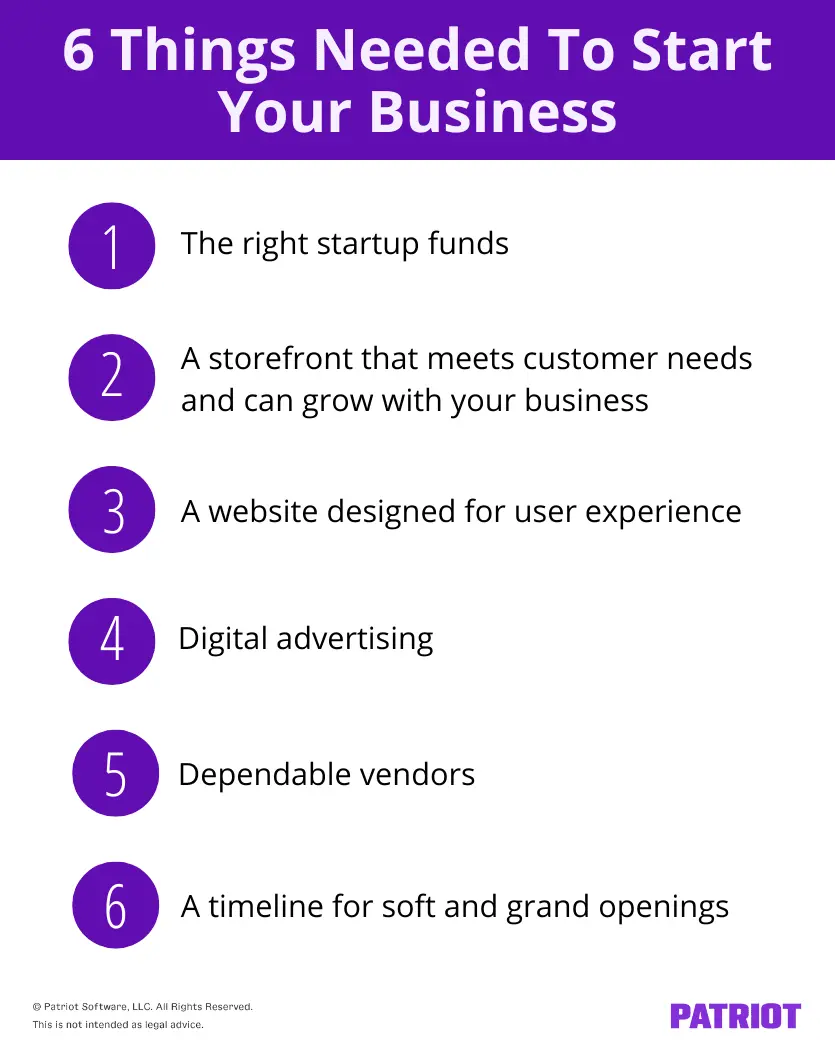
The Foundational Financial Assessment: Unpacking Initial Capital Requirements
Before any grand launch, an entrepreneur must embark on a thorough financial self-assessment and a detailed enumeration of startup costs. This initial phase is not merely about tallying expenses; it’s about gaining clarity on personal financial readiness and the true monetary demands of the impending venture.
Personal Financial Readiness: Are You Positioned for the Leap?
Starting a business often demands significant personal investment, not just of time and energy, but also of personal capital. Before even considering business loans or investors, it’s crucial to evaluate your personal financial stability. Do you have an adequate emergency fund to cover personal living expenses for at least 6-12 months? This buffer is critical, as many businesses do not generate significant income in their early stages. Assess your current income, existing debts, and monthly expenditures. Can you comfortably reduce your personal financial obligations to dedicate more resources to your business? Understanding your personal burn rate and financial runway is the first, often overlooked, step in business finance. It determines how long you can afford to support yourself while your business finds its footing and begins generating revenue.
Deconstructing Startup Costs: Beyond the Obvious
Startup costs extend far beyond the headline figures. A comprehensive list is essential to avoid being blindsided by unexpected expenses. These can broadly be categorized into one-time and recurring costs. One-time costs might include business registration fees, legal fees for forming your entity (LLC, Corporation), initial permits and licenses, essential equipment purchases (computers, machinery, specialized tools), initial inventory or raw materials, security deposits for rented space, website development, and initial branding assets (logo design, professional photography).
Recurring operational costs, which must be covered even before sales begin, include rent, utilities, insurance premiums, software subscriptions, marketing expenses, professional services (accounting, legal), and, eventually, salaries. Don’t forget the costs associated with establishing your payment processing systems or securing necessary intellectual property. A meticulous breakdown of these items, even if estimated initially, provides a realistic picture of the capital required to get off the ground. Overestimating initial capital needs is often safer than underestimating, as a lack of funds can quickly derail even the most promising ventures.
The Role of a Contingency Fund: Preparing for the Unexpected
Even the most meticulous planning can’t account for every eventuality. Market shifts, unforeseen operational challenges, slower-than-expected sales, or sudden equipment failures can all impact your nascent business. This is where a dedicated contingency fund becomes indispensable. Experts often recommend setting aside an additional 15-25% of your total estimated startup costs specifically for unforeseen expenses. This fund acts as a financial shock absorber, allowing your business to weather early storms without having to scramble for emergency capital or, worse, shut down prematurely. It provides peace of mind and the necessary breathing room to adapt and overcome initial obstacles, ensuring financial resilience from day one.
Building Your Business’s Financial Blueprint: Strategic Planning & Forecasting
With an understanding of initial capital needs, the next critical step is to translate your business idea into a concrete financial plan. This blueprint serves as a roadmap, guiding your financial decisions and providing a framework for sustainable growth.
Developing a Comprehensive Business Plan: The Financial Section
While the entire business plan is crucial, its financial section is the beating heart for any potential investor, lender, or even for your own strategic guidance. This section typically includes:
- Startup Cost Analysis: The detailed breakdown discussed earlier.
- Funding Request: If seeking external capital, clearly state how much is needed and how it will be utilized.
- Financial Projections:
- Sales Forecasts: Realistic estimates of revenue over 3-5 years, often broken down monthly for the first year.
- Profit & Loss (Income) Statement: Projects revenues, costs of goods sold, and operating expenses to estimate net profit or loss.
- Cash Flow Statement: Tracks the actual movement of cash into and out of the business, crucial for managing liquidity.
- Balance Sheet: Provides a snapshot of assets, liabilities, and owner’s equity at a specific point in time.
- Break-Even Analysis: Determines the sales volume (units or revenue) required to cover all costs and achieve zero profit.
A well-crafted financial section demonstrates a deep understanding of your business’s economic viability and your ability to manage its financial health.
Mastering the Art of Budgeting: Allocating Your Resources Wisely
Budgeting is not a one-time exercise; it’s an ongoing discipline. It involves allocating your financial resources to different areas of your business based on priorities and projected needs. Start with your startup budget, detailing how initial capital will be spent. Once operational, develop an operating budget that outlines expected revenues and expenses for a given period (e.g., monthly, quarterly). This allows you to monitor spending, identify areas of overspending, and make informed adjustments. Effective budgeting is about more than just cutting costs; it’s about strategic resource allocation that aligns with your business goals, ensuring every dollar works towards profitability and growth.
Projecting Revenue and Expenses: Realistic Forecasting for Sustainability
Financial forecasting is the process of estimating future financial outcomes. This involves projecting sales volumes, average transaction values, cost of goods sold (COGS), and all operating expenses. For revenue, leverage market research, competitor analysis, and conservative estimates of market penetration. For expenses, utilize your startup cost breakdown and research industry benchmarks for operational costs.
Realistic forecasting is paramount. Overly optimistic projections can lead to undercapitalization and disillusionment, while overly pessimistic ones might deter potential investors or limit growth opportunities. Scenario planning (best-case, worst-case, and most likely scenarios) can provide a more robust understanding of potential financial outcomes and help prepare for various market conditions. This foresight allows you to identify potential cash flow gaps well in advance and devise strategies to address them.
Pricing Strategies: Value, Cost, and Competition
How you price your products or services directly impacts your revenue and profitability. Several strategies can be employed:
- Cost-Plus Pricing: Adding a markup percentage to your total cost (including production and overhead) to arrive at a selling price. Simple but might not reflect market value.
- Value-Based Pricing: Setting prices based on the perceived value of your product or service to the customer, rather than solely on cost. Requires a deep understanding of customer needs and willingness to pay.
- Competitive Pricing: Benchmarking your prices against those of competitors. Useful in crowded markets but can lead to price wars.
- Penetration Pricing: Setting a low initial price to quickly gain market share, often raised later.
- Skimming Pricing: Setting a high initial price to target early adopters and then gradually lowering it.
The optimal strategy often involves a blend, considering your costs, the value you offer, competitor pricing, and your target market’s sensitivity to price. A well-thought-out pricing strategy is crucial for both attracting customers and ensuring long-term financial viability.
Navigating Funding Avenues: Securing the Capital to Launch and Grow
Once you’ve identified your capital needs and developed a solid financial plan, the next challenge is securing the necessary funds. This journey involves exploring various funding sources, each with its own advantages and disadvantages.
Bootstrapping Your Venture: Self-Funding for Control
Bootstrapping refers to starting and growing a business using only personal savings, initial sales revenue, and minimal external capital. It’s often the most common path for new entrepreneurs.
- Personal Savings: Utilizing your own funds is the simplest way to inject capital, offering complete control and avoiding debt.
- Personal Loans/Credit Cards (with caution): While quick access to funds, these come with high interest rates and significant personal risk if the business fails. Use sparingly and with a clear repayment plan.
- Friends and Family: Often a source of early-stage capital, but ensure clear terms are established to avoid damaging relationships.
Bootstrapping demands extreme frugality and creativity, forcing entrepreneurs to validate their ideas cost-effectively and achieve profitability faster. It builds discipline and a lean operational mindset.
Debt Financing: Loans, Lines of Credit, and Microloans
Debt financing involves borrowing money that must be repaid with interest.
- Traditional Bank Loans: Require a solid business plan, collateral, and often a proven track record. Small Business Administration (SBA) loans, guaranteed by the government, can be more accessible.
- Lines of Credit: Provide flexible access to funds up to a certain limit, useful for managing cash flow fluctuations. Interest is only paid on the amount borrowed.
- Microloans: Smaller loans (typically under $50,000) offered by non-profit organizations to underserved entrepreneurs who may not qualify for traditional bank loans.
- Equipment Loans: Specific loans to purchase essential machinery or equipment, often with the equipment itself serving as collateral.
Debt financing allows you to retain full ownership of your company but introduces regular repayment obligations, regardless of business performance.
Equity Financing: Attracting Investors
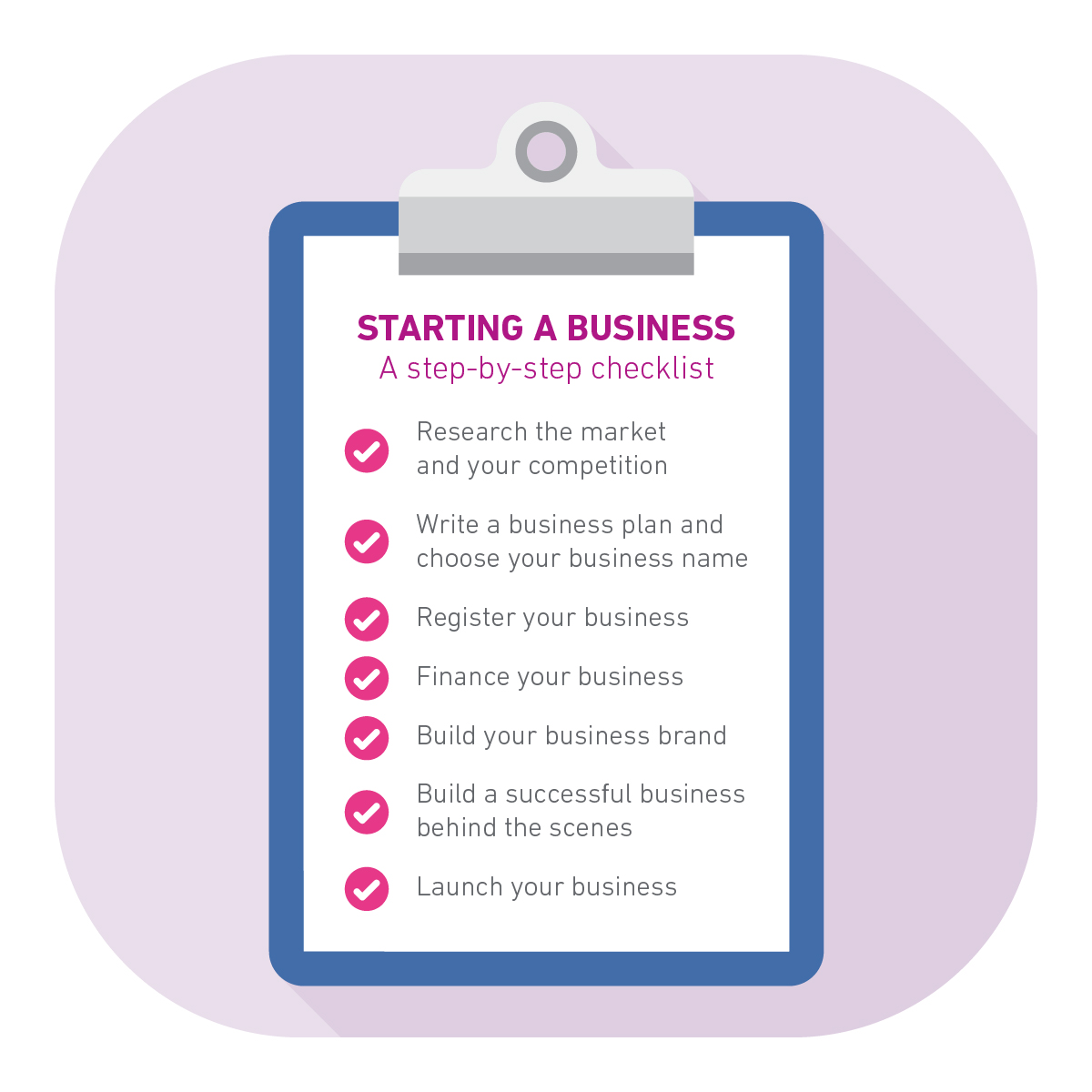
Equity financing involves selling a portion of your company’s ownership in exchange for capital.
- Angel Investors: High-net-worth individuals who invest their own money in early-stage startups, often providing mentorship alongside capital. They typically take a small equity stake.
- Venture Capital (VC) Firms: Professional investment firms that fund high-growth startups, often in exchange for significant equity and a role in strategic direction. VCs typically invest larger sums than angels.
- Crowdfunding (Equity-based): Platforms allow a large number of individuals to invest small amounts in exchange for equity. Requires a compelling story and effective marketing.
Equity financing provides capital without debt repayment, but it means giving up a share of your company and future profits. It’s often suited for businesses with high growth potential and scalability.
Exploring Grants and Alternative Funding
Grants are non-repayable funds provided by government agencies, foundations, or corporations, often tied to specific industries, research, or social impact initiatives.
- Government Grants: Federal, state, and local governments offer grants to promote economic development, innovation, or support specific sectors. Research eligibility carefully.
- Non-Profit/Foundation Grants: Various foundations support businesses aligned with their philanthropic missions.
- Accelerators and Incubators: These programs often provide seed funding, mentorship, and resources in exchange for a small equity stake, helping startups grow rapidly.
While highly competitive, grants can be an excellent source of non-dilutive funding that doesn’t require repayment or equity surrender.
Implementing Sound Financial Management: Tools, Systems, and Practices
Once capital is secured and operations begin, effective financial management becomes paramount. Establishing robust systems and practices from the outset is crucial for long-term financial health and compliance.
Choosing the Right Business Structure: Implications for Finance and Tax
The legal structure of your business (sole proprietorship, partnership, LLC, S-Corp, C-Corp) has significant financial and tax implications.
- Sole Proprietorship/Partnership: Simplest to set up, but offers no personal liability protection, meaning personal assets are at risk. Taxes are typically passed through to the owner’s personal income.
- Limited Liability Company (LLC): Provides personal liability protection and allows for flexible taxation (pass-through or corporate). Popular for small to medium businesses.
- S-Corporation (S-Corp): Offers liability protection and allows profits and losses to be passed through directly to owners’ personal income without being subject to corporate tax rates.
- C-Corporation (C-Corp): Provides the strongest liability protection and unlimited growth potential, but is subject to “double taxation” (corporate profits taxed, then dividends to shareholders taxed). Best for businesses seeking significant external investment.
Consulting with an attorney and accountant is highly recommended to choose the structure that best aligns with your business goals, risk tolerance, and financial strategy.
Setting Up Business Banking and Payment Systems
Separating personal and business finances is a non-negotiable step. Open a dedicated business bank account and, if applicable, a separate business credit card. This simplifies accounting, improves financial tracking, and is crucial for maintaining personal liability protection.
For payment systems, consider how you will accept payments from customers. This might include:
- Point-of-Sale (POS) Systems: For physical retail (e.g., Square, Shopify POS).
- Online Payment Gateways: For e-commerce (e.g., PayPal, Stripe, Shopify Payments).
- Merchant Services: For processing credit and debit card payments.
Research transaction fees, ease of integration, and security features when selecting your payment solutions. Efficient payment processing is vital for healthy cash flow.
Essential Financial Tools: Accounting Software and Beyond
Modern accounting software is indispensable for managing your business finances. Tools like QuickBooks, Xero, FreshBooks, or Zoho Books can help you:
- Track income and expenses.
- Reconcile bank statements.
- Generate financial reports (P&L, balance sheet, cash flow).
- Manage invoicing and accounts receivable.
- Process payroll (often with add-ons or separate services).
- Simplify tax preparation.
Beyond core accounting, consider tools for budgeting, expense tracking, and inventory management, depending on your business type. Investing in good financial tools saves time, reduces errors, and provides valuable insights into your business’s performance.
Understanding and Managing Taxes: Compliance from Day One
Tax compliance is a critical, ongoing financial responsibility. From the moment you register your business, you’ll need to understand your obligations regarding:
- Income Tax: How your business profits will be taxed based on your legal structure.
- Sales Tax: If you sell taxable goods or services, you must register, collect, and remit sales tax to the appropriate authorities.
- Payroll Taxes: If you hire employees, you’ll be responsible for withholding and remitting federal, state, and local payroll taxes (Social Security, Medicare, unemployment).
- Estimated Taxes: Many small businesses and self-employed individuals are required to pay estimated taxes quarterly.
Failing to comply with tax regulations can result in hefty penalties. Working with a qualified accountant or tax professional from the outset is highly recommended to ensure proper setup, ongoing compliance, and to identify legitimate deductions and credits.
Cultivating Long-Term Financial Health and Growth
Starting a business is merely the first chapter. Sustaining and growing it requires continuous financial diligence, strategic planning, and an eye towards future expansion.
Monitoring Key Financial Metrics: Staying on Track
Financial reports generated by your accounting software are not just for tax season; they are vital tools for ongoing decision-making. Regularly monitor key financial performance indicators (KPIs) such as:
- Profit Margins: Gross profit margin, operating profit margin, net profit margin.
- Cash Flow: Net cash from operations, crucial for daily solvency.
- Return on Investment (ROI): Measures the profitability of investments.
- Customer Acquisition Cost (CAC): The cost to acquire a new customer.
- Lifetime Value (LTV): The total revenue a customer is expected to generate.
- Burn Rate: How quickly your business is spending its cash reserves.
Understanding these metrics allows you to identify trends, pinpoint areas for improvement, and make data-driven decisions to optimize profitability and efficiency.
Reinvestment and Scalability: Fueling Future Expansion
Successful businesses don’t just generate profit; they strategically reinvest it to fuel further growth. Reinvestment can take many forms:
- Product/Service Development: Investing in R&D for new offerings.
- Marketing and Sales: Expanding reach and customer base.
- Operational Efficiency: Upgrading equipment, technology, or processes.
- Talent Acquisition: Hiring skilled employees to scale operations.
A well-planned reinvestment strategy, often outlined in your financial projections, is critical for achieving scalability. It’s about balancing short-term profitability with long-term growth potential, ensuring that capital is deployed where it can generate the highest future returns.
Risk Management and Insurance: Protecting Your Financial Future
Every business faces risks, and financial planning must include strategies to mitigate them.
- Business Insurance: Essential policies include general liability, property insurance, professional liability (E&O), workers’ compensation, and potentially cybersecurity insurance. These protect your business from financial ruin due to accidents, lawsuits, natural disasters, or data breaches.
- Contingency Planning: Beyond the initial contingency fund, develop strategies for ongoing operational disruptions, such as supply chain issues or economic downturns.
- Diversification: Diversifying revenue streams, customer bases, and even supplier relationships can reduce financial vulnerability.
Proactive risk management protects your assets, preserves cash flow, and provides a safety net against unforeseen circumstances that could otherwise cripple your business.

Planning for Exit Strategies or Succession
While seemingly premature for a nascent business, considering an exit strategy or succession plan even in the early stages can have significant financial implications down the line. Whether it’s selling the business, passing it to family, or going public, understanding the financial metrics that would make your business attractive to buyers or successors can influence your operational and financial decisions from day one. This foresight encourages building a transferable, valuable asset rather than just a lifestyle business, maximizing its long-term financial worth.
In conclusion, starting a business is an exhilarating journey, but its success is inextricably linked to sound financial planning and meticulous management. From assessing personal readiness and calculating startup costs to developing robust financial forecasts, securing appropriate funding, and implementing diligent accounting practices, every step in the entrepreneurial process has a monetary dimension. By prioritizing these financial pillars, aspiring business owners can build a stable, resilient, and ultimately prosperous venture, transforming their ideas into lasting economic realities.
aViewFromTheCave is a participant in the Amazon Services LLC Associates Program, an affiliate advertising program designed to provide a means for sites to earn advertising fees by advertising and linking to Amazon.com. Amazon, the Amazon logo, AmazonSupply, and the AmazonSupply logo are trademarks of Amazon.com, Inc. or its affiliates. As an Amazon Associate we earn affiliate commissions from qualifying purchases.