
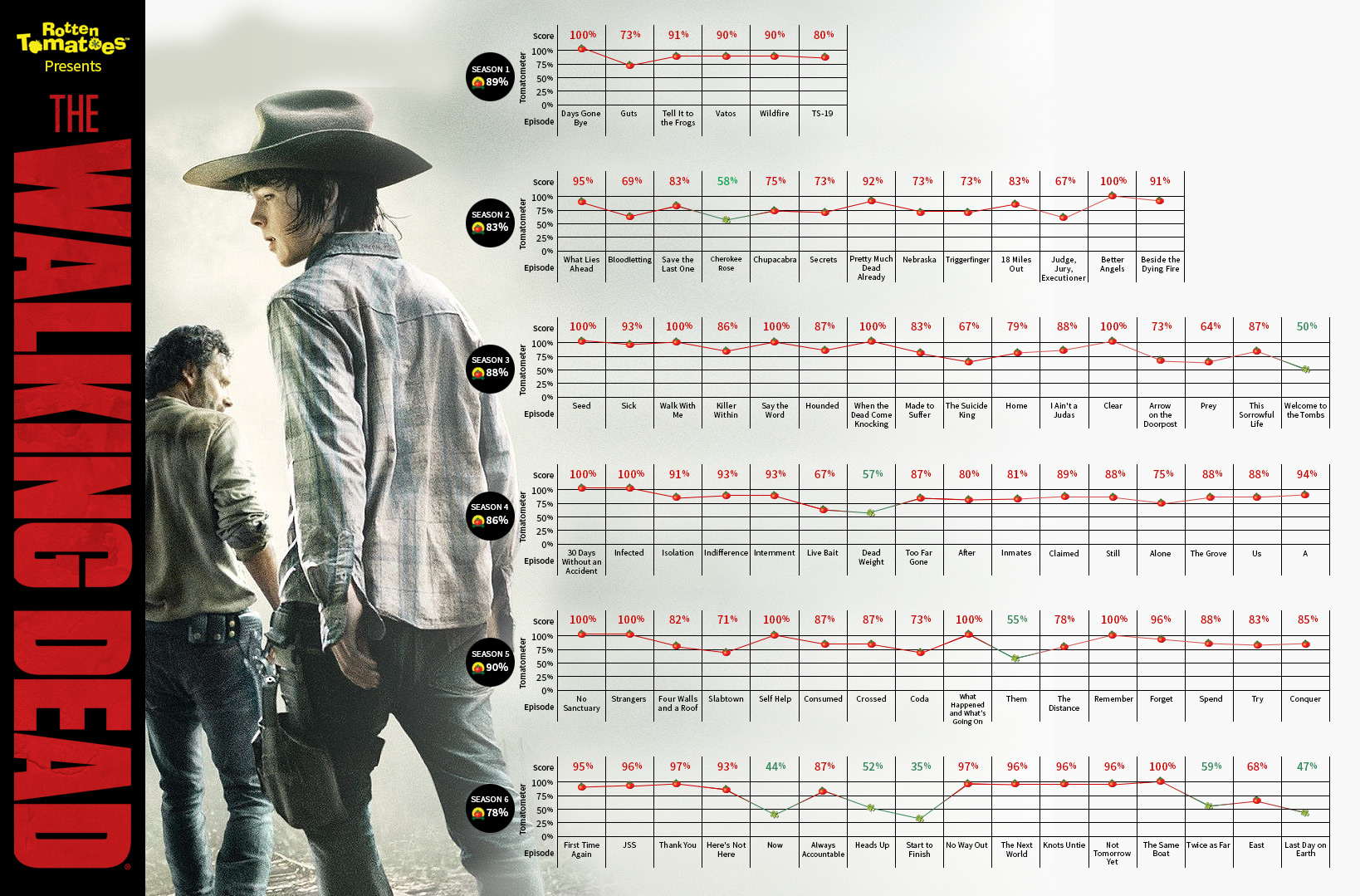
In the modern media landscape, few intellectual properties have achieved the sheer scale and endurance of AMC’s The Walking Dead. When audiences ask, “how many episodes are in The Walking Dead,” the answer—177 episodes across eleven seasons—represents much more than a television marathon. It represents a masterclass in brand scaling, audience retention, and the strategic expansion of a niche comic book property into a global multi-billion-dollar franchise. To understand how a show about the post-apocalypse survived the volatile shifts of the “Peak TV” era, one must look past the zombies and examine the sophisticated brand strategy that powered its decade-long dominance.
Building a Legacy Brand: Why Content Volume Matters for IP Scaling
In the world of brand strategy, volume is often equated with authority. For The Walking Dead, the cumulative 177-episode count of the flagship series served as the foundation for what marketers call a “moat”—a competitive advantage that makes it difficult for rivals to displace a brand. By producing a high volume of consistent, high-stakes content, AMC transformed a singular story into a permanent fixture of pop culture.
The 177-Episode Milestone as a Proof of Concept
The journey to 177 episodes was not merely a creative choice but a strategic one. In the streaming era, a deep library of content is the ultimate currency. By extending the series over eleven seasons, the brand created a massive “back catalog” that increased its licensing value for international markets and domestic streaming platforms like Netflix. This volume ensured that the brand remained “top of mind” for over a decade, allowing it to transition from a seasonal trend to a legacy institution.
Maintaining Brand Consistency Across Eleven Seasons
One of the greatest challenges in brand management is maintaining identity while evolving. Over its eleven-season run, The Walking Dead underwent numerous leadership changes and stylistic shifts. However, the core brand pillars—gritty realism, moral ambiguity, and the “humanity vs. horror” theme—remained unwavering. This consistency allowed the brand to survive the departure of its lead protagonist, Rick Grimes, a feat few character-driven brands could achieve. It proved that the Walking Dead brand was larger than any single individual, a hallmark of a truly robust corporate identity.
Strategic Brand Expansion: The Art of the Spinoff
A successful brand strategy rarely stops at the flagship product. Once The Walking Dead established its dominance, the next phase was horizontal expansion. The transition from a single show to a “Walking Dead Universe” (TWDU) is a textbook example of leveraging brand equity to capture new market segments and mitigate the risk of a single product’s lifecycle ending.
The Spinoff Strategy: Leveraging Brand Equity
The creation of Fear the Walking Dead, The Walking Dead: World Beyond, and more recent iterations like Dead City and The Ones Who Live, demonstrates a sophisticated approach to portfolio management. Each spinoff serves a different strategic purpose. For instance, World Beyond targeted a younger, “Young Adult” demographic, while Dead City focused on fan-favorite legacy characters to ensure high retention among the “core” audience. By diversifying the product line, the parent brand ensures that if one “product” (show) experiences fatigue, the ecosystem remains healthy.
Transmedia Storytelling: Moving Beyond the Screen
The Walking Dead brand is a pioneer in transmedia storytelling—a strategy where a brand’s narrative is spread across multiple delivery channels. Beyond the 177 episodes of the main show, the brand exists in high-selling comic books, award-winning video games by Telltale Games, mobile apps, and immersive location-based experiences. This “omnichannel” approach ensures that the brand touches the consumer at multiple points in their daily life, reinforcing brand loyalty and creating a self-sustaining ecosystem of revenue.

Audience Retention and the Architecture of Community
In brand marketing, the cost of acquiring a new customer is significantly higher than retaining an existing one. The Walking Dead excelled at building a “cult brand” that transitioned into a global phenomenon by prioritizing community engagement. This was not just a viewership; it was a dedicated tribe.
The “Talking Dead” Phenomenon: Building an Interactive Brand
Perhaps the most innovative branding move was the creation of Talking Dead, a live after-show hosted by Chris Hardwick. This was a stroke of genius in community management. By providing a forum for fans to process the “trauma” of an episode immediately after it aired, the brand fostered a sense of belonging. It turned passive viewing into an interactive event, effectively gamifying the television experience and cementing the brand’s place in the social media conversation.
Navigating Brand Fatigue and Market Saturation
As the episode count climbed toward its final 177, the brand inevitably faced “franchise fatigue.” The strategic response was not to scale back, but to pivot. The brand began to lean into the “eventization” of its content. Marketing the final season as a three-part “Mega Event” allowed the brand to recapture the urgency of its early years. By acknowledging the lifecycle of the product and framing the conclusion as a historic milestone, the brand managed to exit its flagship series while the demand for its spinoffs was at an all-time high.
Lessons in Brand Resilience: Adapting to the Digital Shift
The longevity of The Walking Dead coincided with the most disruptive decade in the history of media. The brand survived the shift from linear cable television to the fragmented world of SVOD (Subscription Video on Demand). Its resilience offers vital lessons for any brand looking to survive a technological sea change.
From Linear TV to Multi-Platform Dominance
In its early years, the brand relied on the “appointment viewing” model of cable TV. As consumer habits shifted, the brand adapted by making its 177 episodes available across various digital platforms, ensuring that “The Walking Dead” remained the primary answer to the question of what to binge-watch. The brand successfully navigated the transition from being a “channel-specific” asset to a “platform-agnostic” IP. This flexibility is essential for any modern brand that wishes to remain relevant in a world where the medium of delivery is constantly changing.
The Future of the Walking Dead IP
The conclusion of the main series was not an end, but a rebranding. The “177 episodes” now serve as the “Legacy Phase” of the brand, while the new spinoffs represent the “Growth Phase.” By spinning off its most valuable assets (characters like Daryl, Carol, Maggie, and Negan) into leaner, high-budget miniseries, the brand is effectively “downsizing for efficiency” while maintaining high brand value. This mimics a corporate strategy of spinning off successful sub-divisions into independent entities to unlock hidden value.
Conclusion: The Enduring Power of the Narrative Brand
When we analyze “how many episodes are on The Walking Dead,” we are looking at the timeline of a brand that refused to go quiet into the night. Through eleven seasons and 177 episodes, the franchise proved that with a clear identity, a willingness to expand, and a deep commitment to community, a brand can survive almost any environmental shift—including a total transformation of the global media economy.
The legacy of The Walking Dead is not just in its ratings, but in its blueprint for brand survival. It taught the industry that a brand is not a single product, but an emotional connection fueled by a consistent narrative. Whether in the form of a comic, a 177-episode television epic, or a modern digital spinoff, the brand remains a powerhouse because it understands its “Why”: the exploration of human resilience. For marketers and brand strategists, the takeaway is clear: volume creates authority, consistency creates trust, and evolution creates longevity. Even in a crowded market, a well-managed brand can live forever.
aViewFromTheCave is a participant in the Amazon Services LLC Associates Program, an affiliate advertising program designed to provide a means for sites to earn advertising fees by advertising and linking to Amazon.com. Amazon, the Amazon logo, AmazonSupply, and the AmazonSupply logo are trademarks of Amazon.com, Inc. or its affiliates. As an Amazon Associate we earn affiliate commissions from qualifying purchases.