
Navigating government documentation can often feel like a bureaucratic maze, especially when federal requirements shift the goalposts for travel and identification. In Maine, the transition to the REAL ID-compliant credential is a significant step toward modernizing state identification while ensuring alignment with the federal REAL ID Act of 2005. Whether you are a frequent flyer or simply want to ensure your identification is ready for federal facilities, understanding the specific documentation requirements is paramount to a seamless visit to the Maine Bureau of Motor Vehicles (BMV).
From a perspective of personal finance and risk management, obtaining a REAL ID is not just about convenience—it is about safeguarding your ability to conduct business and travel without disruption. When documentation is prepared correctly, you minimize the risk of identity fraud and streamline your interactions with both state and federal agencies.

Understanding the REAL ID Requirement and Its Financial Implications
The REAL ID Act was established in the wake of 9/11 to set minimum security standards for the issuance of state-issued driver’s licenses and identification cards. For the residents of Maine, this means that starting May 7, 2025, a standard driver’s license or ID card will no longer be sufficient to board domestic flights or enter certain federal buildings.
While it might seem like a mere administrative task, viewing this through a financial lens reveals the importance of proactive compliance. Last-minute renewals or incorrect documentation can lead to costly delays, missed business opportunities, or the inability to travel for essential meetings. By gathering your documents now, you are essentially “future-proofing” your personal logistics. Furthermore, because a REAL ID is a secure form of identification, it serves as a critical pillar in your personal identity security infrastructure, reducing the susceptibility to identity theft, which has long-term, devastating financial consequences.
The Checklist: Categorizing Your Documentation
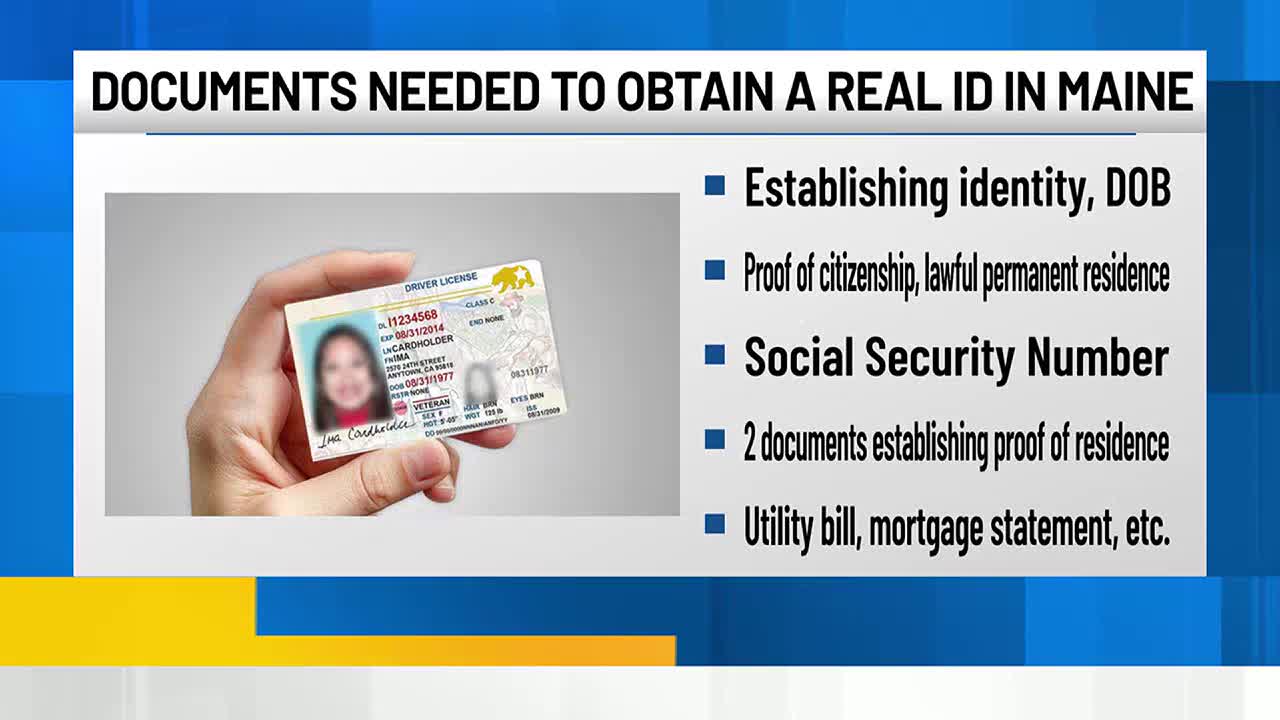
The Maine BMV maintains rigorous standards for identity verification. To obtain a REAL ID, you cannot simply renew your license as you might have done in the past. You must provide original or certified copies of specific documents that verify your identity, your Social Security status, and your Maine residency.
Verifying Identity and Lawful Presence
The foundation of your REAL ID application is proving who you are. The Maine BMV requires at least one document from a pre-approved list. For most citizens, this will be a valid, unexpired U.S. passport or a certified birth certificate.
- Birth Certificates: Ensure the document is a certified copy issued by a state or county vital statistics office. It must contain a raised or embossed seal. Simple hospital-issued certificates are generally not accepted.
- Immigration Documents: If you are a naturalized citizen or a permanent resident, you must provide your Certificate of Naturalization or your Permanent Resident Card.
- Name Changes: This is a common stumbling block. If your current name differs from the name on your birth certificate, you must provide a “link” document. This is typically a marriage certificate, divorce decree, or a court-ordered name change document. These must show the transition from your birth name to your current legal name.
Demonstrating Social Security Compliance
Your Social Security number is the primary mechanism for verifying your identity in the federal database. You do not necessarily need to bring your physical Social Security card, although it is a highly recommended document. The BMV will also accept:
- A W-2 form.
- A 1099 form.
- A paystub that displays your full name and your full Social Security number.
It is vital that the information on these documents matches your legal name exactly as it appears on your identity documents. Even minor discrepancies, such as a missing middle initial, can trigger a rejection of your application, forcing you to return at a later date.

Proving Maine Residency
Because the REAL ID is a state-issued credential that complies with federal standards, proving your connection to the state of Maine is mandatory. You must provide two documents that display your name and physical residential address in Maine. P.O. Boxes are not accepted as proof of residency, though they may be used for mailing purposes.
- Utility Bills: Electric, water, or internet bills dated within the last 90 days.
- Financial Statements: Bank statements or credit card statements that include your residential address.
- Lease or Mortgage Agreements: Documents signed within the last year that clearly state your residency.
- Insurance Policies: Homeowners, renters, or automobile insurance declarations.
Streamlining the Process: Avoiding Common Pitfalls
The process of obtaining a REAL ID is an exercise in preparation. From a time-management perspective, the “cost” of the REAL ID is not just the fee paid to the BMV, but the time spent gathering documentation. To maximize your efficiency, follow a systematic approach.
The “Pre-Visit” Audit
Before heading to a Maine BMV branch, conduct a comprehensive audit of your documents. Create a folder containing your identity, Social Security, and residency evidence. Check for expiration dates; while a birth certificate does not “expire,” other documents like insurance policies or utility bills might be deemed too old if they fall outside the 90-day window required by the state.
Digital Literacy and Online Tools
The Maine BMV offers an online portal that can help you determine exactly what you need based on your specific circumstances. Take advantage of these digital resources to verify your documents before you leave your home. Many people lose hours of productivity by arriving at the BMV only to find they are missing one “link” document, such as a marriage license. By utilizing the official BMV document checklist tool, you can conduct a self-assessment that saves significant time.
Appointments and Timing
In many Maine locations, appointments are not just suggested—they are highly recommended. Check the Maine BMV website to see if your local office requires an appointment or if they allow walk-ins. Planning your visit for mid-week, mid-month, or during non-peak morning hours can significantly reduce your wait time. Treating this as a professional appointment ensures that you remain focused and organized during the interaction.
Financial Planning for the REAL ID Upgrade
It is worth noting that while the REAL ID is a superior form of identification, it is not mandatory for everyone. If you do not travel by air domestically and you do not frequent federal facilities, a standard license may suffice for your personal needs. However, from a financial planning perspective, the cost of the upgrade is relatively low compared to the potential loss of access to federal services.
Consider the “Opportunity Cost” of not having a REAL ID. If you have an urgent need to travel for a family emergency or a sudden business trip, and your only form of identification is a standard license, you may find yourself grounded at the airport. The inability to board a flight can have immediate financial consequences. By investing the time and the nominal upgrade fee into obtaining a REAL ID now, you are mitigating the risk of future travel complications.
Conclusion: Ensuring Compliance for a Seamless Future
Obtaining a REAL ID in Maine is a straightforward process if you approach it with the same level of organization you would apply to your personal finances or business affairs. By gathering your certified birth certificate or passport, validating your Social Security information, and securing two proofs of Maine residency, you ensure your compliance with federal law.
Remember, the goal of the REAL ID is to provide a secure, standardized identification that simplifies your life and protects your identity. Whether you are navigating the transition for the sake of travel convenience or personal security, thorough preparation is your greatest asset. By checking your documents, verifying their current status, and scheduling your visit, you turn a potentially stressful administrative hurdle into a simple, handled task. Keep your documents in a secure place, stay informed about any potential changes to the federal implementation timeline, and enjoy the peace of mind that comes with having a government-verified, federally compliant credential.
aViewFromTheCave is a participant in the Amazon Services LLC Associates Program, an affiliate advertising program designed to provide a means for sites to earn advertising fees by advertising and linking to Amazon.com. Amazon, the Amazon logo, AmazonSupply, and the AmazonSupply logo are trademarks of Amazon.com, Inc. or its affiliates. As an Amazon Associate we earn affiliate commissions from qualifying purchases.