
The death of a loved one is an inherently painful and disorienting experience. When that death occurs within the familiar sanctuary of home, the initial shock can be compounded by a profound sense of helplessness and uncertainty about the immediate practical steps to take. This article aims to provide a compassionate yet comprehensive guide to navigating the immediate aftermath of a death at home, integrating modern insights from technology, brand management, and financial planning to help you through this difficult time. While rooted in the emotional and practical realities of loss, we’ll explore how contemporary tools and strategic thinking can aid in managing logistics, preserving memories, and securing the future.
The journey through grief is deeply personal, and there is no single “right” way to mourn. However, there are practical steps that must be taken, often while you are at your most vulnerable. Understanding these steps can alleviate some of the immense pressure, allowing you more space to process your emotions. This guide is designed not only to inform but also to empower you with the knowledge that even in moments of profound sorrow, there are pathways to clarity and effective action.
The Immediate Aftermath: Compassion and Critical First Steps
The moments immediately following a death at home are often a blur of emotion. It’s crucial to approach these initial steps with a blend of compassion for yourself and practical diligence. While the instinct may be to panic, taking a deep breath and understanding the sequence of actions can provide a foundational sense of control amidst the chaos.
Prioritizing Well-being and Seeking Support
Before anything else, acknowledge the profound shock and grief you are likely experiencing. It’s okay to feel overwhelmed. If you are alone, consider reaching out to a trusted friend, family member, or neighbor for immediate emotional support. Having someone with you can provide immense comfort and a second pair of hands for the tasks ahead. Do not underestimate the power of human connection during such a challenging time.
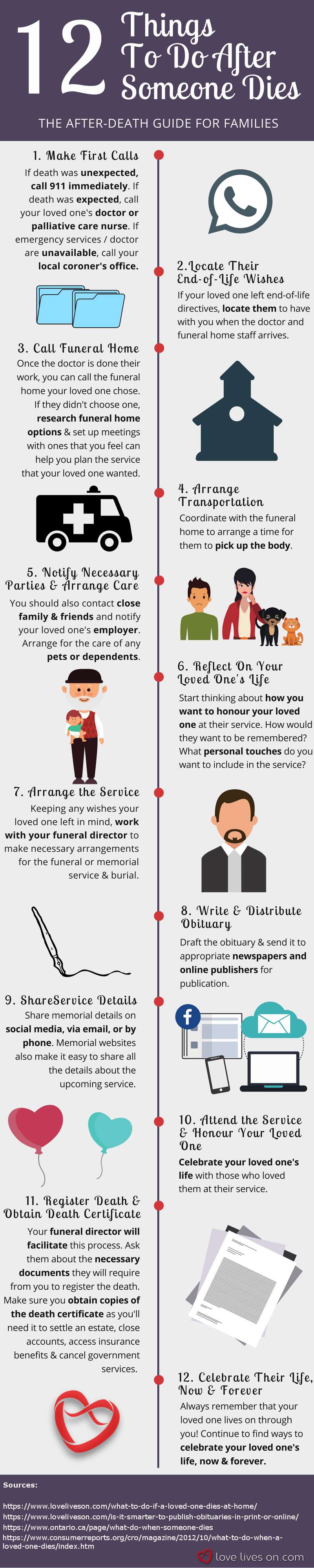
Ensure your own safety and that of others in the home. If the death was unexpected or involved suspicious circumstances, or if you are unsure of the cause, it is paramount to contact emergency services (e.g., 911 in the U.S. or your local equivalent) immediately. They will dispatch paramedics and, potentially, law enforcement, who will assess the situation, confirm the death, and guide you on the next legal steps, which may include contacting the medical examiner or coroner. Do not move the body or disturb the scene if there’s any uncertainty about the cause of death, as this could interfere with an investigation.
If the death was expected, perhaps due to a long-term illness with hospice care involved, the process is slightly different. In this scenario, your first call should be to the hospice nurse or the attending physician. They will guide you through confirming the death, pronouncing it, and initiating the necessary paperwork for a death certificate. Hospice care often provides support not just for the patient but for the family, and they are usually equipped to handle these immediate post-death logistics with sensitivity and expertise.
Once medical professionals have confirmed the death, you will need to choose a funeral home or cremation service. This can feel like a daunting decision under duress, but having a general idea of your loved one’s wishes, if they were expressed, can be invaluable. Many funeral homes offer immediate assistance with body removal and transportation, which is typically the next physical step after confirmation of death. It’s perfectly acceptable to take a moment to research or ask for recommendations before making this call, but understand that this is a time-sensitive decision.
Essential Notifications and Documentation
Beyond emergency services or hospice, there are several key individuals and institutions that will need to be notified. Start with immediate family members and close friends. This can be emotionally exhausting, so consider delegating this task to a trusted friend or family member if you feel unable to do so yourself. Crafting a simple, clear message can help.
From a practical standpoint, gathering initial documentation is crucial. While you won’t need everything immediately, knowing where important papers are located will save significant stress later. Look for:
- Identification: The deceased’s driver’s license, passport, or other government-issued ID.
- Medical Records: Any recent medical history, particularly if a doctor will be signing the death certificate.
- Wills or Trusts: If available, these documents are vital for understanding the deceased’s final wishes regarding their estate.
- Insurance Policies: Locate life insurance policies, health insurance information, and any other relevant coverage.
While not immediately urgent, begin to consider if there was a designated executor or personal representative for the estate. This individual will play a critical role in navigating the legal and financial aspects of the death. If a will exists, it will usually name this person.
Leveraging Technology for Practicalities and Preservation (Tech Integration)
In our increasingly digital world, technology plays an undeniable role in every aspect of life, even in death. While traditional steps remain, digital tools and strategies can significantly streamline the administrative burden, secure important information, and help preserve a cherished legacy. Integrating tech thoughtfully can transform a chaotic period into a more organized and manageable process.
Digital Asset Management: Securing the Virtual Legacy
One of the most complex challenges in a digital age is managing the deceased’s online footprint. This includes everything from social media profiles and email accounts to cloud storage, online banking, cryptocurrencies, and digital subscriptions.
- Inventorying Digital Assets: The first step is to create an inventory. This can be incredibly difficult if the deceased did not leave a clear record. Look for clues on their computer, phone, or physical notes. Consider using a secure password manager that may have been used by the deceased (if access is legally permissible and ethically responsible) to identify accounts. Software tools exist to help consolidate and manage passwords, though gaining access often requires legal authority or previously shared information.
- Access and Control: Gaining access to digital accounts can be tricky due to privacy laws and terms of service. For many services (like Google, Facebook, Apple), there are “legacy contact” or “inactive account manager” features that the deceased might have set up. If not, you may need a death certificate and legal documentation (like letters testamentary from probate court) to request account closure or data access.
- Data Preservation: Cloud storage (Google Drive, Dropbox, iCloud) often holds invaluable personal photos, documents, and creative works. Ensuring these are backed up and archived is crucial before accounts are closed. Consider using external hard drives or secure cloud backup services to consolidate this digital heritage.
- Software Licenses and Subscriptions: Cancel ongoing subscriptions (streaming services, software licenses, online memberships) to prevent unnecessary charges. Many of these can be managed through online portals, but again, access may be an issue.
Streamlining Communication and Logistics with Digital Tools
Technology can significantly ease the burden of communicating with a wide network of people and managing logistical tasks.
- Centralized Communication: Instead of individual calls or messages, consider setting up a dedicated email address or a simple website/blog to share updates about funeral arrangements, memorial services, and general information. Tools like Google Groups, WhatsApp broadcast lists, or even a simple WordPress blog can facilitate this. This allows you to communicate once and reach many, conserving your energy.
- Online Memorials: Many platforms (e.g., Facebook, EverLoved, Legacy.com) allow you to create online memorials where friends and family can share memories, photos, and condolences. This provides a communal space for grief and remembrance, accessible to those who may be geographically distant.
- Shared Calendars and Task Management: If multiple family members are involved in planning, use shared digital calendars (Google Calendar, Outlook Calendar) to coordinate meetings, appointments with funeral directors, and other tasks. Project management tools like Trello or Asana (for more complex situations) can help assign and track responsibilities, ensuring nothing falls through the cracks.
- Digital Security and Privacy: Be acutely aware of phishing scams and identity theft attempts during this vulnerable time. Be cautious about opening suspicious emails or clicking on unknown links. Use strong, unique passwords for any new accounts created for estate management and consider two-factor authentication.
AI and Software for Administrative Support (with caveats)
While still nascent for such sensitive applications, AI tools are emerging that could offer administrative support. For example, AI-powered document organizers could potentially help categorize scanned physical documents (like bills, receipts, or legal papers) into manageable digital folders. There are also tools that can help draft standard letters (e.g., notification letters to banks or utility companies) based on templates, saving time and mental effort. However, it’s crucial to approach these with extreme caution, especially regarding privacy and data security. Any personal or financial information should never be fed into unverified AI tools. Use established, reputable software, and always review output for accuracy and appropriateness. The human element of review and decision-making remains paramount.

Safeguarding Financial Futures and Managing the Estate (Money Integration)
Death brings with it an immediate and often overwhelming set of financial responsibilities. From funeral costs to long-term estate management, navigating these monetary aspects requires careful attention and often professional guidance. Understanding the financial landscape is critical for securing the future of surviving family members and fulfilling the deceased’s legacy.
Immediate Financial Considerations and Accessing Funds
One of the first practical concerns is covering immediate expenses, particularly funeral costs. Funeral expenses can be substantial, and understanding how these will be paid is crucial.
- Life Insurance: If the deceased had a life insurance policy, this is often the primary source of funds for funeral and immediate post-death expenses. Locate the policy documents and contact the insurer as soon as possible to initiate a claim. The beneficiary will typically receive the payout.
- Bank Accounts: While joint bank accounts can often be accessed by the surviving account holder, individual accounts may be frozen upon notification of death, pending probate. Check if the deceased had a “Payable on Death” (POD) or “Transfer on Death” (TOD) beneficiary designated on their accounts, as these funds can often be accessed without probate.
- Estate Funds: In the absence of immediate access to insurance or joint funds, some funeral homes may allow for delayed payment, or you may need to cover initial costs personally and seek reimbursement from the estate later. Be sure to keep meticulous records of all expenses.
- Credit Cards and Loans: Identify any credit cards or outstanding loans in the deceased’s name. While debts generally become obligations of the estate and not individual family members (unless they were co-signed), these creditors will need to be notified.
Navigating Estate Planning and Legalities
The legal process of settling an estate can be complex and varies by jurisdiction. This typically involves probate, the legal process of proving a will (if one exists), identifying and inventorying assets, paying debts and taxes, and distributing remaining assets to heirs.
- Wills and Trusts: A valid will is the cornerstone of estate planning, outlining the deceased’s wishes for their assets and naming an executor. If a trust was established, its assets are usually distributed outside of probate, often speeding up the process. Locating these documents promptly is a top priority.
- Executor’s Role: The executor (or personal representative) is responsible for overseeing the estate. This role can be demanding, involving significant administrative, legal, and financial tasks. If you are named executor, consider seeking legal counsel from an estate attorney.
- Probate Court: If there is a will, it must be submitted to the probate court. If there is no will (intestacy), the court will appoint an administrator, and assets will be distributed according to state law. This process can take many months, or even years, depending on the complexity of the estate.
- Tax Implications: Death triggers various tax considerations, including potential estate taxes, inheritance taxes (in some states), and final income tax returns for the deceased. A financial advisor or tax professional specializing in estates can provide invaluable guidance.
Digital Financial Management and Online Assets
The “Money” aspect extends to digital financial assets and liabilities, which often require specific handling.
- Online Banking and Investment Accounts: As with other digital assets, gaining access to online banking, brokerage, and cryptocurrency accounts can be challenging. Notify financial institutions of the death. They will typically require a death certificate and legal documentation to either freeze the accounts or grant access to the executor.
- Online Income Streams and Side Hustles: If the deceased had online income streams (e.g., from blogging, e-commerce, affiliate marketing, or other “side hustles”), these will need to be identified and managed. This could involve canceling services, transferring ownership, or liquidating digital products. Understanding the terms of service for platforms like Patreon, Etsy, or YouTube is key.
- Digital Wallets and Payment Services: Check for funds held in digital wallets (PayPal, Venmo, Apple Pay) or gift cards stored digitally. These can sometimes be overlooked but represent tangible assets.
- Automated Payments and Subscriptions: Review bank statements and credit card bills for recurring automated payments. Cancel direct debits for services no longer needed to prevent unnecessary charges and minimize potential fraud.
Preserving a Legacy: Brand, Reputation, and Memorialization (Brand Integration)
In the contemporary world, everyone, whether consciously or not, cultivates a “personal brand” – a unique identity, reputation, and set of values communicated through their life and interactions, both online and offline. When someone dies, managing this legacy, preserving their memory, and respecting their digital footprint becomes a vital aspect of the grieving and remembrance process.
Managing Online Presence and Social Media Footprint
The deceased’s digital footprint is a significant part of their modern legacy. Navigating social media and online profiles requires sensitivity and strategic thinking.
- Social Media Accounts: Most major platforms (Facebook, Instagram, LinkedIn, X/Twitter) have specific policies for deceased users. You typically have two options:
- Memorialization: This option allows the account to remain active in a modified state, often preventing new logins but allowing friends and family to view past posts and share memories. Facebook, for instance, allows for a “legacy contact” to manage a memorialized account.
- Deletion: If preferred, or if the deceased expressed this wish, accounts can be permanently deleted. This usually requires proof of death and kinship.
- Email Accounts: Decide whether to close email accounts or set up an auto-responder for a period to inform senders of the death. This helps manage ongoing communications and prevents important messages from being lost.
- Blogs and Websites: If the deceased maintained a personal blog, website, or online portfolio, consider its future. Should it be preserved as an archive, passed on to someone else, or taken down? This often involves managing domain registrations and hosting services.
- Ethical Considerations: When interacting with a deceased person’s online accounts, always act with the utmost respect for their privacy and wishes. Avoid posting as them or making changes that misrepresent their personality or legacy.
Crafting a Meaningful Memorial and Honoring Personal Brand
The “brand” of a person is their unique story, values, and impact. Memorializing them effectively means honoring this.
- Traditional Memorials with Digital Elements: Funerals and memorial services are central to remembrance. Consider incorporating digital elements, such as photo slideshows, video tributes, or a live stream for those who cannot attend in person.
- Online Tributes and Storytelling: Encourage friends and family to share anecdotes, photos, and videos on a centralized online memorial page. This crowdsourced content helps paint a richer picture of the person’s life and impact.
- Digital Archives: Beyond social media, compile a digital archive of their life: important documents, cherished emails, creative works (photos, art, music, writing), and voice recordings. Cloud storage or secure personal servers can house these precious memories for future generations.
- Continuing Philanthropic or Community Efforts: If the deceased was passionate about a cause or community project, consider establishing a fund or continuing their work in their name. This extends their legacy into tangible, ongoing action.
The Ethical Dimension of Digital Legacy
The digital realm presents unique ethical challenges when someone dies. The line between remembrance and intrusion can be fine.
- Respecting Privacy: Be mindful of what information is shared online, especially from private accounts or communications. Respect the boundaries of what the deceased would have wanted public.
- Avoiding Exploitation: Ensure that any management of their “brand” is for remembrance and honor, not for personal gain or inappropriate use of their image or content.
- Digital Etiquette: When posting about the deceased, consider the feelings of other mourners and the wider public. Maintain a tone of respect and compassion.

Conclusion: Navigating Grief with Preparation and Purpose
The death of a loved one is undeniably one of life’s most profound challenges. When it occurs at home, the immediate practicalities can feel insurmountable amidst overwhelming grief. However, by understanding the necessary steps – from immediate medical and legal notifications to the complex layers of financial management, technology integration, and legacy preservation – you can navigate this period with greater clarity and purpose.
This guide, weaving together the critical immediate actions with insights from the tech, brand, and money domains, aims to provide a comprehensive framework. Leveraging technology allows for more efficient communication, secure data management, and dynamic ways to memorialize a life. Strategic financial planning ensures that the deceased’s wishes are honored and their beneficiaries are cared for. And thoughtfully managing their personal “brand” safeguards their reputation and ensures their memory continues to inspire.
While no advice can truly soften the blow of loss, being prepared and knowing what steps to take can alleviate some of the immense pressure, allowing you more emotional space to grieve. Remember to be kind to yourself, seek support from your community, and consider professional guidance when needed. In the midst of sorrow, by taking these deliberate steps, you not only honor the life that was lived but also pave the way for a more stable and peaceful transition for all involved.
aViewFromTheCave is a participant in the Amazon Services LLC Associates Program, an affiliate advertising program designed to provide a means for sites to earn advertising fees by advertising and linking to Amazon.com. Amazon, the Amazon logo, AmazonSupply, and the AmazonSupply logo are trademarks of Amazon.com, Inc. or its affiliates. As an Amazon Associate we earn affiliate commissions from qualifying purchases.