
Firefighting is a profession defined by extreme conditions, demanding equipment that offers unparalleled protection, mobility, and critical information. Far beyond simple fabric, the ensemble worn by modern firefighters is a sophisticated system of advanced materials, integrated electronics, and life-saving technology, engineered to mitigate myriad hazards from intense heat and toxic fumes to structural collapse and low visibility. Understanding “what firefighters wear” means delving into the cutting-edge technological advancements that form their second skin in the face of danger.
The Foundation: Advanced Personal Protective Equipment (PPE) Materials
The structural integrity and protective capabilities of a firefighter’s gear begin with its material science. Modern turnout gear, also known as bunker gear, is a multi-layered system, each layer serving a specific, technologically advanced purpose to ensure maximum protection and functionality.
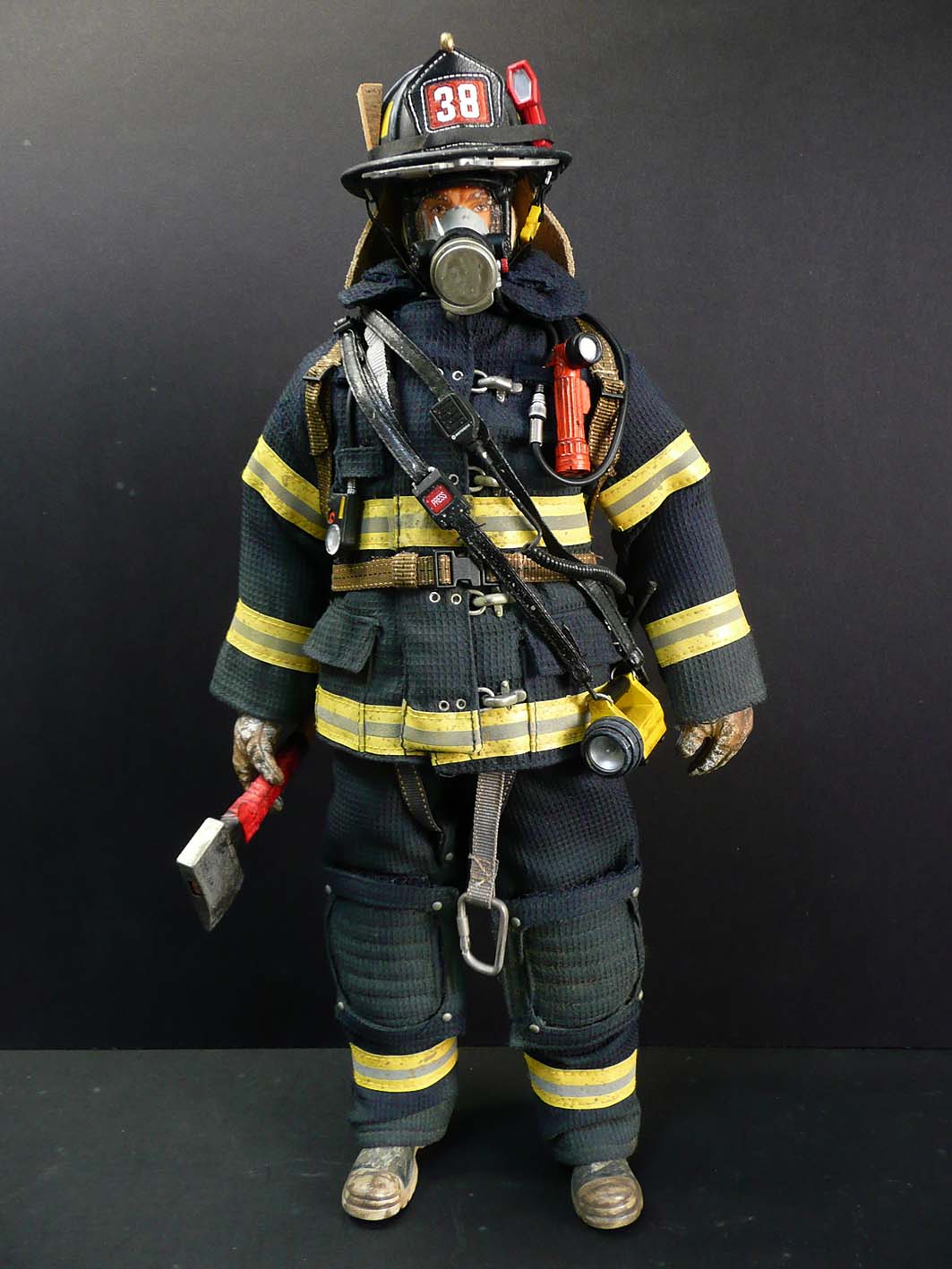
Outershells: Heat, Abrasion, and Chemical Resistance
The outermost layer is designed for extreme durability and resistance. Materials like PBI (Polybenzimidazole), Nomex (meta-aramid), and Kevlar (para-aramid) are dominant in this field. These synthetic fibers are not only inherently flame-resistant but also possess exceptional tensile strength, making them highly resistant to tears, punctures, and abrasion—critical for navigating debris-strewn environments. Advanced weaving techniques create fabrics that repel water while allowing for limited breathability, preventing saturation and maintaining thermal insulation. Some outershells also incorporate chemical-resistant coatings or treatments to protect against hazardous spills, reflecting ongoing research into multi-threat protection.
Moisture Barriers and Thermal Liners
Beneath the outershell lies a sophisticated moisture barrier, typically made from breathable membranes such as PTFE (e.g., Gore-Tex) or similar polyurethane-based films. This layer’s technology is crucial: it prevents external water, steam, and hazardous liquids from penetrating the interior while simultaneously allowing perspiration (in vapor form) to escape. This selective permeability is vital for preventing heat stress by allowing the firefighter’s body to thermoregulate, a key safety feature.
The innermost layer is the thermal liner, often composed of quilted aramid blends with insulating batting. This layer traps air, creating a thermal buffer that significantly reduces the transfer of heat from external sources to the firefighter’s body. Its multi-fiber composition is engineered to maximize insulation while remaining lightweight and flexible. Advanced thermal liners also integrate moisture-wicking properties, further enhancing comfort and reducing the risk of steam burns if water breaches the outer layers.
Ergonomics and Mobility Engineering
Modern PPE design also incorporates advanced ergonomic principles. While protecting against extreme conditions, gear must not unduly impede a firefighter’s movement. Articulated knees and elbows, gusseted underarms, and strategically placed pleats are common features. These design elements, informed by biomechanical studies, allow for a wider range of motion, reducing fatigue and the risk of injury. The cut and fit are meticulously optimized to ensure that the integrated technologies—from communication systems to sensors—can be comfortably and effectively utilized without compromising protection or agility.
Integrated Communication and Situational Awareness Systems
Beyond passive protection, contemporary firefighter gear is increasingly a platform for active data exchange and situational awareness, driven by embedded technologies.
Helmet-Mounted Communication and Thermal Imaging
The firefighter’s helmet is a hub for several critical technologies. Integrated communication systems often feature noise-canceling microphones and bone-conduction speakers, allowing clear voice transmission despite the deafening sounds of a fire. These systems link seamlessly with two-way radios and the breathing apparatus mask, ensuring continuous communication within teams and with incident command.
Thermal Imaging Cameras (TICs) are another indispensable tool, often handheld but increasingly integrated directly into helmets. These devices use infrared technology to detect heat signatures, allowing firefighters to “see” through thick smoke, locate victims, identify hot spots, and determine structural integrity. Advances in TIC technology include higher resolution sensors, faster refresh rates, and more robust displays capable of withstanding extreme temperatures, providing real-time visual data crucial for decision-making in zero-visibility environments.
Wearable Biometrics and Location Tracking
The integration of wearable sensors represents a significant leap in firefighter safety. Smartwatches or chest-mounted devices can continuously monitor vital signs such as heart rate, core body temperature, and respiration rate. These biometric data points can be transmitted wirelessly to incident commanders, providing early warnings of heat stress or physiological distress.
Location tracking technology, utilizing GPS, RFID, or even advanced ultra-wideband (UWB) systems, allows commanders to pinpoint the exact location of firefighters inside complex structures, even when GPS signals are unavailable. This technology is crucial for accountability, tactical deployment, and rapid rescue in the event of a “Mayday.” Research continues into miniature, low-power indoor positioning systems that can offer granular location data within buildings, enhancing scene awareness exponentially.
Smart Textiles and Material Innovation
The future of firefighter PPE is closely tied to advancements in smart textiles and material science, integrating active components directly into the fabric.
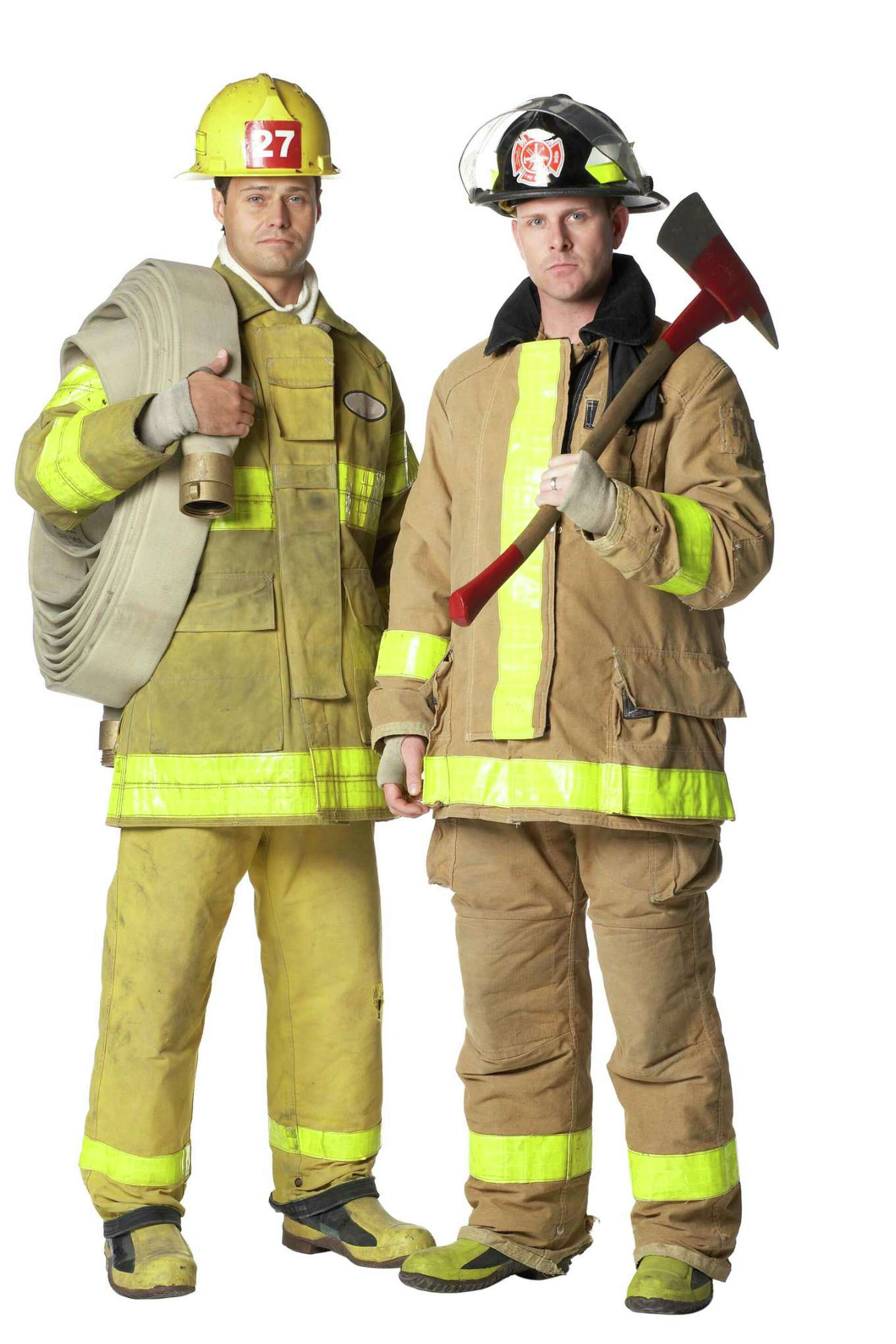
Embedded Sensors and Proactive Monitoring
Researchers are developing textiles with embedded micro-sensors capable of detecting various environmental parameters. These include temperature sensors that can warn of dangerously high heat exposure before it becomes critical, gas sensors that can identify toxic fumes at a microscopic level, and even stress sensors that monitor the integrity of the gear itself, indicating wear or damage. This proactive monitoring provides real-time, actionable intelligence to the wearer and command staff.
Phase Change Materials (PCMs)
To combat heat stress, some gear incorporates Phase Change Materials (PCMs) into thermal liners. PCMs are substances that absorb and release thermal energy during phase transitions (e.g., from solid to liquid). When a firefighter’s body temperature rises, the PCM absorbs excess heat, melting in the process. As the body cools, the PCM solidifies, releasing the stored heat. This dynamic thermal regulation helps maintain a stable microclimate around the firefighter, significantly reducing heat fatigue and improving endurance.
Nanotechnology and Advanced Coatings
Nanotechnology is being explored to enhance PPE at a molecular level. Nanoparticles can be integrated into fabrics to provide superior water repellency, stain resistance, and even improved flame resistance without adding bulk or altering breathability. For instance, hydrophobic coatings derived from nanotechnology can make gear virtually impervious to liquids, while antimicrobial agents can be incorporated to reduce bacterial growth and odor, extending the lifespan and hygiene of the equipment.
Breathing Apparatus: Life Support Technology
The Self-Contained Breathing Apparatus (SCBA) is arguably the most critical piece of life-sustaining technology a firefighter wears. It’s a complex system designed to provide breathable air in oxygen-deficient or toxic environments.
SCBA Components and Air Delivery
Modern SCBAs feature lightweight, high-pressure air cylinders made from carbon fiber composites, offering extended air supply without excessive weight. The regulator technology precisely controls air flow, ensuring a consistent supply to the mask, while reducing resistance for easier breathing. The mask itself is a marvel of engineering, featuring anti-fog coatings, panoramic visors, and a secure seal to prevent ambient air ingress. Many masks also integrate voice amplification systems, allowing clear communication even when speaking through the apparatus.
Electronic Monitoring (PASS Devices)
Integrated into every SCBA is a Personal Alert Safety System (PASS) device. This vital technology features motion sensors that detect if a firefighter becomes motionless for a predetermined period, automatically activating a loud alarm to alert others to their distress. Manual activation buttons allow firefighters to signal for help immediately. Modern PASS devices also include digital pressure gauges, low-air alarms, and data logging capabilities, recording air consumption rates and alarm activations, which can be invaluable for post-incident analysis. These systems often communicate wirelessly with incident command, relaying air pressure and alarm status in real-time.
Specialized Tools and Wearable Tech Enhancements
Beyond the core PPE and SCBA, firefighters utilize and wear a range of specialized tools and evolving technologies that further enhance their capabilities and safety.
Advanced Glove and Boot Technology
Gloves and boots are not mere accessories; they are highly engineered components of the overall protective system. Gloves feature multi-layered designs, combining cut and puncture resistance (often with Kevlar or similar materials) with thermal protection and sufficient dexterity for operating tools. Some integrate touch-screen compatible fingertips. Boots are constructed with advanced composite materials for lightweight strength, featuring steel or composite toe caps and puncture-resistant soles, enhanced ankle support, and slip-resistant outsoles, often using advanced rubber compounds for maximum grip on diverse surfaces. These are often designed to be easily donned and doffed, a crucial practical consideration.
Augmented Reality (AR) in Helmets
While still largely in the research and development phase, augmented reality (AR) visors or displays integrated into helmets represent a transformative future for firefighting. These systems could overlay critical information onto a firefighter’s field of view—such as building blueprints, hazard zones, escape routes, or even real-time biometric data of team members. This “heads-up display” capability promises to significantly enhance situational awareness and decision-making in complex and rapidly evolving environments.
Drone and Robotic Integration (Wearable Control)
While drones and robots are not “worn,” firefighters are increasingly using wearable interfaces to control these devices. Handheld or arm-mounted controllers provide intuitive operation of drones equipped with thermal imaging or gas detection sensors, extending the firefighter’s reach and ability to gather intelligence remotely. The data collected by these autonomous systems is often relayed back to wearable displays or integrated communication systems, creating a more comprehensive operational picture for the fire crew.
The constant evolution of materials science, sensor technology, wireless communication, and ergonomic design means that what firefighters wear today is vastly more advanced than even a decade ago. This relentless pursuit of innovation ensures that these brave professionals are equipped with the best possible technological advantages as they confront some of the most challenging and dangerous situations imaginable.
aViewFromTheCave is a participant in the Amazon Services LLC Associates Program, an affiliate advertising program designed to provide a means for sites to earn advertising fees by advertising and linking to Amazon.com. Amazon, the Amazon logo, AmazonSupply, and the AmazonSupply logo are trademarks of Amazon.com, Inc. or its affiliates. As an Amazon Associate we earn affiliate commissions from qualifying purchases.