
For the culinary entrepreneur or the boutique artisanal food brand, the aesthetic quality of ingredients is just as critical as their flavor profile. When sourcing botanicals for spice blends, pickling kits, or signature spice rubs, the physical characteristics of the product—specifically the dill seed—serve as a primary indicator of authenticity, freshness, and value. Understanding what dill seeds look like is not merely a matter of botanical interest; it is a fundamental aspect of supply chain management, quality control, and premium product positioning.
The Physical Anatomy of Anethum graveolens Seeds
To the casual observer, dill seeds might appear as unremarkable brown specks, but a closer inspection reveals a sophisticated structural design that identifies them as members of the Apiaceae family, which also includes caraway, cumin, and fennel.
Size, Shape, and Coloration
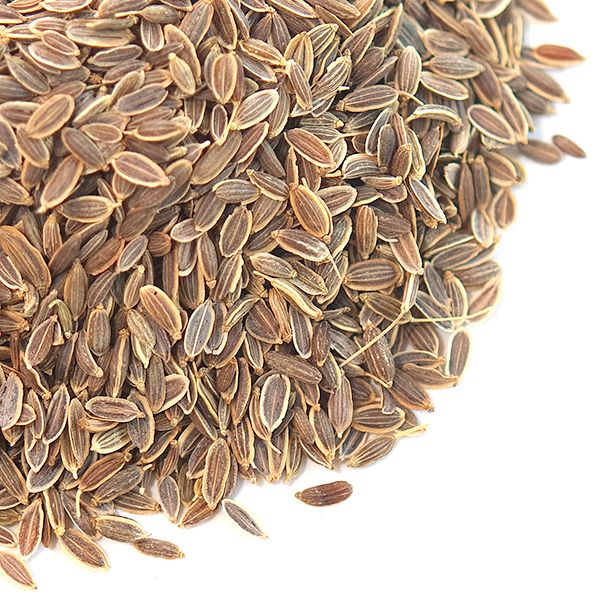
The typical dill seed is technically a schizocarp, a dry fruit that splits into two single-seeded parts. They are generally oval-shaped, slightly flattened, and measure roughly 3 to 5 millimeters in length. Their appearance is defined by a distinct “winged” edge—a lighter, straw-colored margin that runs along the periphery of the seed. This pale edge contrasts sharply with the darker, central portion of the seed, which ranges in color from a light, sandy tan to a deep, chocolatey brown.
The surface of a high-quality dill seed is typically characterized by distinct, fine ridges that run vertically. These ridges are not merely decorative; they are the oil-bearing channels where the essential oils—specifically carvone and limonene—reside. When assessing a batch for your brand, look for a uniform distribution of these colors; excessive greenness may indicate premature harvesting, while a grayish hue might suggest aging or improper drying.
Distinguishing Dill from Look-Alikes
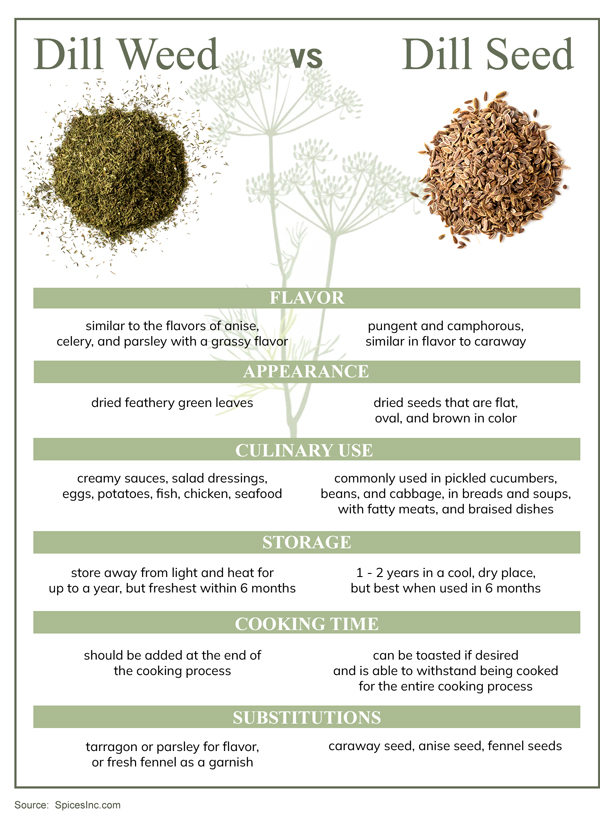
In the world of spice procurement, misidentification can lead to costly errors in product development. Fennel seeds, often confused with dill, are generally longer, more cylindrical, and lack the characteristic flattened, winged edge. Caraway seeds, conversely, are typically more crescent-shaped and darker in color, often exhibiting a more robust, brownish-black hue compared to the softer tan tones of the dill seed. By mastering these visual cues, brand owners ensure that their ingredient procurement remains consistent, maintaining the integrity of their final product’s flavor profile and brand promise.
Assessing Quality Through Visual Inspection
When branding a product as “premium” or “organic,” the visual consistency of your ingredients acts as a silent ambassador for your quality standards. A bulk shipment of dill seeds should not merely be inspected for safety; it should be audited for visual excellence.
Identifying Signs of Freshness
Fresh dill seeds possess a vibrancy that is lost over time. A superior batch will show a clean, crisp contrast between the light-colored wings and the darker central ribs. The seeds should look plump rather than shriveled. If you observe excessive “dust” or small fragments at the bottom of the packaging, this is a clear indicator of brittle, aged, or poorly handled stock.
In terms of aromatic intensity, while this is a sensory test, there is a visual correlation: seeds that retain their natural oils will often have a slight, almost imperceptible sheen. If the seeds appear dull, chalky, or overly matte, they have likely lost their essential oils to oxidation, which will directly impact the culinary experience of your end consumer.
The Impact of Processing Methods
How the seeds were harvested and dried significantly alters their appearance. Sun-drying often results in slight color variations, which can add a rustic, artisanal appeal to your product branding. Machine-drying, while more uniform, can sometimes result in a “baked” look, where the seeds lose their natural tan vibrancy.
As a brand strategist, you must decide which aesthetic aligns with your corporate identity. Does your brand value the uniformity of high-tech production, or does it lean into the “farm-to-table” narrative that celebrates natural variation? The visual characteristics of the dill seed you choose will communicate this values-based decision to the consumer the moment they open your packaging.
Integrating Ingredient Aesthetics into Brand Strategy
The visual profile of your ingredients is an underutilized marketing asset. In a competitive market where “transparent sourcing” is a primary consumer demand, showing your ingredients in their raw, natural state can build immense brand equity.
Visual Content and Packaging Design
Modern branding relies heavily on high-resolution photography and macro imagery. By featuring high-definition shots of the dill seeds used in your products, you provide visual evidence of quality. Consumers are increasingly visually literate; they can spot a premium spice by the clarity of its edges, the richness of its color, and the absence of extraneous plant debris.
If your packaging features a viewing window, the visual consistency of your dill seeds becomes part of the product’s shelf appeal. If the seeds are of varying sizes, colors, or contain broken fragments, the consumer perceives the brand as budget-tier. Conversely, if your packaging showcases uniform, well-shaped, high-contrast seeds, it reinforces a premium price point, allowing you to command a higher margin in the marketplace.
Building Trust Through Ingredient Transparency
Part of building a corporate identity centered on integrity involves educating your customer. By detailing the visual characteristics of your chosen dill seeds on your website or in digital campaigns, you move from being a mere vendor to an authoritative voice in the culinary space.
Explain why the specific variety you’ve chosen looks the way it does. Is it an heirloom variety? Did you select it because of its superior oil content, evidenced by those distinct ridges? When a brand takes the time to explain the physical nuances of its raw materials, it signals to the consumer that every detail—from seed to seal—has been considered. This level of granular detail is exactly what builds long-term customer loyalty and differentiates a brand in a crowded commodity market.
Logistics and Inventory Management of Botanical Assets
For businesses scaling their operations, the visual inspection of dill seeds becomes a standardized part of the logistics chain. Implementing a visual quality control (QC) protocol is essential for protecting the brand’s reputation.
Standardizing Visual QC
Develop a visual reference guide or “Gold Standard” sample for your receiving team. This sample should serve as the benchmark against which all incoming shipments are compared. The criteria should be clearly documented: color spectrum, average seed length, ratio of whole seeds to fragments, and presence of foreign matter.
Digital tools can also be utilized here. High-resolution photography of incoming lots stored in a digital database allows for tracking quality trends over time. If a particular supplier’s batches consistently show color degradation, you have the data needed to negotiate pricing or switch vendors, ensuring that your inventory remains consistent with your brand standards.

The Cost of Visual Inconsistency
Ignoring the physical state of your ingredients is a financial risk. Inconsistency leads to consumer complaints, product returns, and the eventual erosion of brand trust. Furthermore, if you are a B2B supplier selling to high-end restaurants or specialized retailers, they will hold you to the same standard. They expect the raw materials they purchase from you to reflect the quality of the dishes they serve.
By viewing dill seeds not just as a commodity, but as a critical asset that defines the visual and culinary quality of your offering, you turn procurement into a competitive advantage. The ability to identify high-quality seeds on sight, understand the implications of their physical appearance, and translate that quality into a compelling brand narrative is what elevates a business from a mere trader to a respected industry leader. Whether you are crafting a niche spice blend or supplying wholesale markets, the humble dill seed, when viewed through the lens of strategic brand management, becomes a powerful tool for success.
aViewFromTheCave is a participant in the Amazon Services LLC Associates Program, an affiliate advertising program designed to provide a means for sites to earn advertising fees by advertising and linking to Amazon.com. Amazon, the Amazon logo, AmazonSupply, and the AmazonSupply logo are trademarks of Amazon.com, Inc. or its affiliates. As an Amazon Associate we earn affiliate commissions from qualifying purchases.