
The landscape of anime has shifted dramatically over the past decade. No longer relegated to niche corners of the internet, it has become a global cultural powerhouse, driven by sophisticated production values, complex narrative structures, and a democratization of distribution through high-end streaming platforms. Whether you are a veteran enthusiast or a curious newcomer, the sheer volume of content available today can lead to choice paralysis. Selecting your next watch requires a strategic approach—understanding not just the genre, but the “intent” behind the animation.
Strategic Frameworks for Content Selection
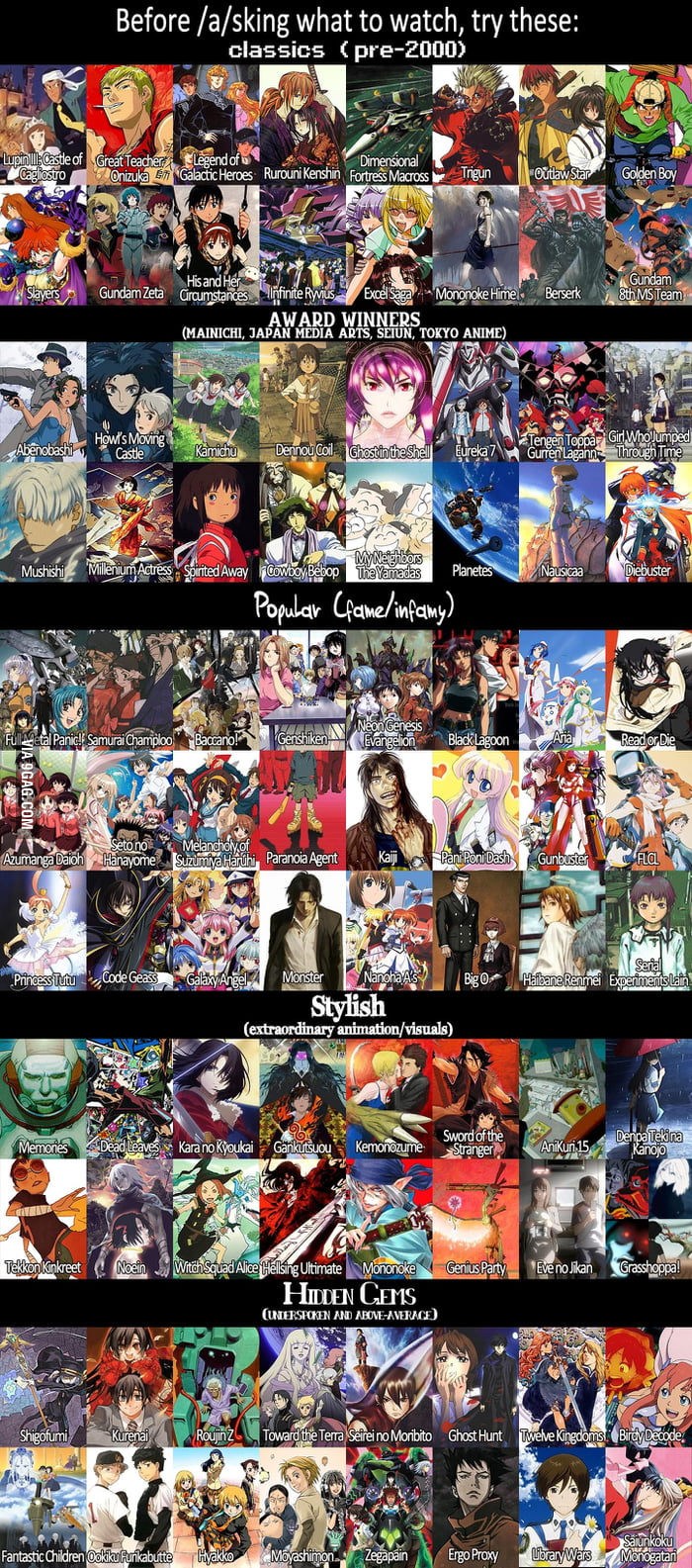
To curate an effective watchlist, it is helpful to categorize anime through the lens of engagement and thematic depth. Much like evaluating an investment portfolio or a software ecosystem, anime can be broken down into high-growth, stable-yield, and high-risk/high-reward categories.
Identifying Narrative Complexity
If you are looking for narratives that challenge your cognitive faculties, look for series rooted in psychological thriller or hard science fiction frameworks. These shows prioritize world-building and character evolution over episodic gratification. Titles like Steins;Gate or Monster function as long-form case studies in cause and effect. When choosing your next title, ask yourself: do you want a contained, self-solving narrative, or a slow-burn epic that demands analytical attention?
Balancing Visual Aesthetics and Production Value
The industry is currently undergoing a “technological boom,” with studios like Ufotable and MAPPA leveraging hybrid 2D and 3D rendering techniques to push the boundaries of visual storytelling. For the viewer, this means prioritizing high-fidelity animation can serve as a metric for quality. If you appreciate the artistry of composition and motion, prioritize series that demonstrate a consistent visual identity.
Curating Your Watchlist by Genre Optimization
Not every show is designed to appeal to every demographic, and understanding the “target market” of a show can save you dozens of hours of wasted viewing. By focusing on specific genres, you can create a streamlined consumption schedule that aligns with your personal preferences.
The Rise of the Psychological Thriller
The psychological thriller genre has seen a massive resurgence, moving away from traditional hero-versus-villain tropes and toward morally ambiguous character studies. These shows succeed by placing characters in extreme environments—whether digital simulations, dystopian bureaucracies, or supernatural loops—and analyzing how their identity remains constant or disintegrates. If you find yourself gravitating toward complex dialogue and high-stakes social engineering, seek out series that prioritize internal monologue over external spectacle.

Slice-of-Life and the Value of Pacing
Conversely, the “Slice-of-Life” genre serves as the “stable yield” of the anime industry. Often misunderstood as merely “slow,” these shows are masters of atmosphere and character development. They offer a grounded perspective that contrasts sharply with the bombast of the Shonen genre. In an era of hyper-stimulated digital media, the deliberate pacing of a high-quality slice-of-life anime provides a necessary cognitive reset. When assessing these, look for studio pedigree—specifically studios known for “quiet” character animation and atmospheric soundtracks.
Leveraging Streaming Ecosystems for Discovery
The current digital infrastructure of anime distribution—primarily managed by platforms like Crunchyroll, Netflix, and Hulu—has changed the discovery process. We are no longer reliant on physical media or terrestrial broadcast schedules. Instead, we have access to algorithmic recommendations that function much like modern content discovery engines.
Understanding Platform-Specific Curation
Netflix has transitioned from a general content aggregator to a production powerhouse, often funding “Originals” that aim for a broader, more international appeal. Conversely, Crunchyroll remains the industry standard for depth, catering to the die-hard fan with an exhaustive library that includes obscure gems and legacy titles. If your goal is to find the next “big thing” that will define internet culture for the next six months, the Netflix production pipeline is your primary target. If your goal is to study the history of the medium or find niche genre staples, the extensive library of a specialized platform is superior.
The Role of Community Sentiment and Metrics
Social proof remains the most effective tool for filtering quality in a saturated market. Platforms like MyAnimeList (MAL) or AniList function as the Bloomberg Terminal of the anime world. By looking at long-term user sentiment, weighted rankings, and “dropped” rates, you can gauge the quality of a series before committing to it. However, it is vital to apply a critical filter to these rankings. High-ranking series often suffer from “recency bias”—the tendency for new, highly-anticipated shows to be over-scored in their first few weeks. To get a true reading on a series’ longevity, look for shows that maintain their ranking at least twelve months after their finale.
Future-Proofing Your Consumption Habits
The next phase of anime consumption will be defined by the integration of personal branding and community interaction. As the medium continues to influence mainstream pop culture, your choice of what to watch becomes a form of digital curation.
Managing Your “Watch-Next” Pipeline
Avoid the temptation to start five shows simultaneously. Similar to effective workflow management, deep work in anime consumption yields better results. Commit to one long-form series (24+ episodes) and one experimental short-form series (12 episodes) at a time. This allows for deeper immersion into the show’s world while maintaining a manageable throughput.

Engaging with the Medium Critically
Finally, consider the benefit of “rewatching” versus “discovering.” Much like a professional developer might revisit foundational code, a savvy viewer can find immense value in re-watching a classic. Shows that were released ten or fifteen years ago often contain structural lessons that modern shows have since optimized. By integrating a mix of classic, high-rated legacy content with the latest, high-budget modern releases, you create a robust consumption portfolio that keeps you engaged and informed.
Ultimately, “what to watch next” is not just about finding entertainment; it is about selecting the narrative experiences that align with your current interests and intellectual goals. Whether you are seeking the kinetic adrenaline of high-budget action, the intricate plotting of a political thriller, or the quiet contemplation of a character-driven drama, the tools for discovery are more sophisticated than ever. Use the platforms, leverage the community metrics, and be intentional with your time. The next great story is already waiting; you just need to set the criteria for finding it.
aViewFromTheCave is a participant in the Amazon Services LLC Associates Program, an affiliate advertising program designed to provide a means for sites to earn advertising fees by advertising and linking to Amazon.com. Amazon, the Amazon logo, AmazonSupply, and the AmazonSupply logo are trademarks of Amazon.com, Inc. or its affiliates. As an Amazon Associate we earn affiliate commissions from qualifying purchases.