
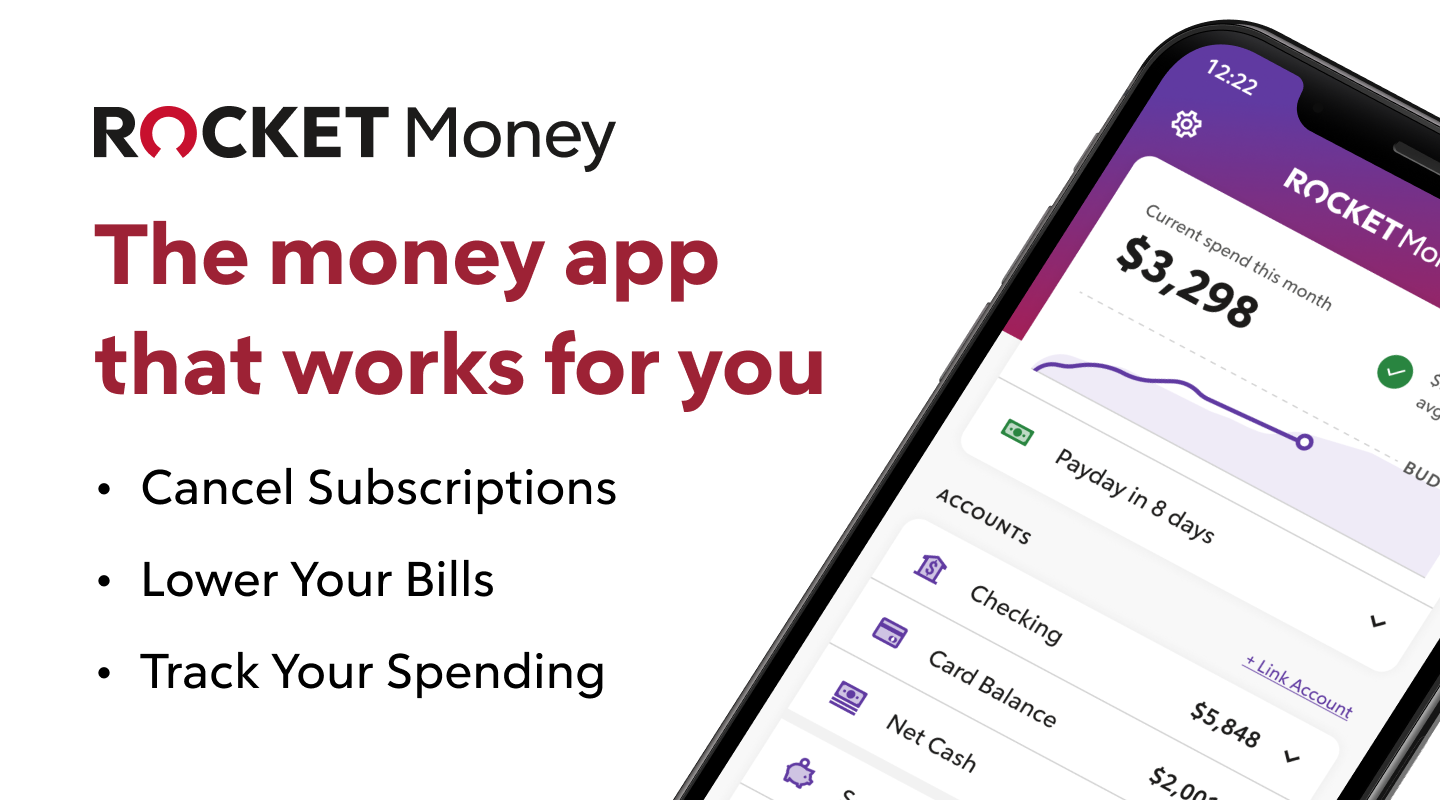
In the dynamic landscape of personal finance technology, where innovation and adaptation are key, companies often evolve their identities to better reflect their mission, market position, or strategic alignments. One such evolution that garnered significant attention was the transformation of a popular financial management app into its current iteration. For those wondering about the lineage of Rocket Money, the answer lies in its past identity: it was formerly known as Truebill. This transition from Truebill to Rocket Money is more than just a nomenclature change; it represents a comprehensive rebranding strategy driven by acquisition, market positioning, and a desire to consolidate a broader brand ecosystem.
From Truebill to Rocket Money: Unpacking a Strategic Rebrand
The journey from Truebill to Rocket Money serves as a compelling case study in modern corporate branding. It illustrates how strategic acquisitions can trigger significant shifts in identity, aiming to leverage existing brand equity while simultaneously forging a path toward a cohesive future.
The Former Identity: Truebill’s Legacy
Truebill emerged as a prominent player in the fintech space, quickly gaining traction for its innovative approach to personal finance management. Founded in 2015, its core value proposition revolved around helping users track subscriptions, monitor spending, negotiate bills, and identify opportunities for savings. Truebill carved out a distinct niche by empowering consumers to take control of their financial lives, often highlighting overlooked expenses and automating money-saving actions. Its brand identity was built around transparency, empowerment, and practical financial solutions. The name “Truebill” itself conveyed a sense of authenticity and accuracy, emphasizing the app’s commitment to revealing the true financial picture for its users. This initial branding resonated deeply with a generation of users seeking clarity and control amidst increasingly complex financial commitments. The app’s user interface, marketing campaigns, and overall brand narrative consistently reinforced this mission, establishing a strong foundation of trust and utility within its user base.
The Acquisition Catalyst: Rocket Companies’ Influence
The pivotal moment in Truebill’s branding journey came with its acquisition by Rocket Companies in December 2021. Rocket Companies, a Detroit-based holding company known for its vast portfolio of financial services businesses, including Rocket Mortgage, Rocket Homes, and Rocket Loans, made a significant move to integrate Truebill into its burgeoning ecosystem. This acquisition was strategic, designed to expand Rocket Companies’ footprint in consumer finance beyond lending and real estate, moving into everyday money management and savings.
For Truebill, becoming part of Rocket Companies meant access to a larger pool of resources, an expansive customer base, and the potential for deeper integration with other financial products. However, it also necessitated a re-evaluation of its brand identity. The independent brand “Truebill” needed to find its place within the overarching “Rocket” brand architecture. This wasn’t merely about slapping a new logo on an existing product; it was about strategically aligning Truebill’s proven capabilities with the established trust and recognition associated with the Rocket family of brands. The rebranding, therefore, was a natural, albeit complex, outcome of this strategic merger, signaling a new chapter for the app under a unified corporate banner.
The Strategic Imperatives Behind a Name Change
Rebranding is a significant undertaking, fraught with both opportunities and risks. For companies like Truebill transitioning to Rocket Money, the decision is rarely arbitrary; it is typically driven by clear strategic imperatives aimed at enhancing market position, stakeholder perception, and long-term business objectives.
Aligning with a Broader Ecosystem
One of the primary drivers for the Truebill-to-Rocket Money rebrand was the imperative to align the app with Rocket Companies’ broader brand ecosystem. Rocket Companies has invested heavily in building a recognizable and trusted brand identity across various financial services. By integrating Truebill under the “Rocket” umbrella, the company aimed to achieve several goals:
-
Brand Consistency: Creating a unified brand presence across all its offerings helps to reinforce the core values and identity of the parent company.
-
Cross-Promotion and Synergy: A consistent brand name facilitates easier cross-promotion of services. Users of Rocket Mortgage, for instance, might be more inclined to trust and adopt Rocket Money if they perceive it as part of the same trusted family of products. This synergy can drive customer acquisition and increase customer lifetime value across the entire portfolio.
-
Reduced Brand Confusion: A unified nomenclature minimizes potential confusion for consumers navigating various financial products and services offered by the same parent company.
This strategic alignment is crucial for building a cohesive narrative around Rocket Companies’ holistic approach to personal finance, from homeownership to daily budgeting.
Enhancing Brand Recall and Market Positioning
While Truebill had a strong following, the name “Rocket Money” carries a different kind of semantic weight and market positioning.
-
Memorability: “Rocket” is a strong, action-oriented word that evokes speed, progress, and aspiration. Coupled with “Money,” it creates a direct and memorable association with financial advancement. This simple, evocative name can improve brand recall compared to the slightly more descriptive “Truebill.”
-
Broader Appeal: The “Rocket” brand already enjoys significant recognition, particularly within the mortgage and lending sectors. By adopting this prefix, Rocket Money immediately taps into that existing brand equity, potentially broadening its appeal to a wider audience who may already be familiar with Rocket Companies’ other offerings.
-
Differentiating in a Crowded Market: The fintech landscape is highly competitive. A strong, distinctive name derived from a well-established parent brand can help Rocket Money stand out amidst numerous independent budgeting and savings apps. It signals institutional backing and reliability, which can be a significant differentiator for consumers seeking financial tools.
Communicating Evolved Value and Vision
A rebrand often serves as an opportunity to communicate an evolved value proposition and a refreshed vision for the future. For Truebill, becoming Rocket Money signified more than just a name change; it hinted at an expanded scope and deeper integration within a comprehensive financial ecosystem.
-
Beyond Bill Management: While Truebill excelled at managing bills and subscriptions, Rocket Money’s new identity could subtly suggest a broader ambition – to help users launch their financial goals like a rocket. This might include future integrations with investment tools, personalized financial advice, or deeper connections to lending products.
-
Reinforcing Trust and Innovation: The “Rocket” brand is associated with technological innovation and a commitment to simplifying complex processes. By adopting this name, Rocket Money aims to reinforce its dedication to leveraging technology for financial empowerment, building upon Truebill’s legacy of user-centric design and practical solutions. The rebrand communicates a commitment to continuous improvement and a future-forward approach to personal finance.
Navigating the Rebranding Journey: Challenges and Execution
Executing a successful rebrand, particularly for a well-established app like Truebill, is a complex endeavor that goes far beyond merely changing a logo. It involves meticulous planning, careful communication, and significant operational overhauls to ensure a smooth transition and maintain user loyalty.
Managing User Perception and Communication
Perhaps the most critical aspect of any rebrand is managing how existing users perceive the change. For Truebill’s loyal user base, the name change could have potentially sparked confusion, apprehension, or even a sense of loss for the familiar brand. Effective communication strategies are paramount to mitigate these risks:
-
Transparency and Rationale: Clearly articulating why the change is happening, emphasizing the benefits to the user (e.g., enhanced features, greater resources, integration), helps users understand and accept the new identity.
-
Phased Introduction: Often, rebranding efforts are rolled out in phases, giving users time to adjust. This might involve initial announcements, followed by visual updates, and then the full name change.
-
Assurance of Continuity: Reassuring users that their data, features, and overall experience will remain intact, or even improve, is vital. Emphasizing that “the core app you love isn’t changing, only getting better” helps to bridge the gap.
-
Dedicated Support Channels: Providing clear channels for questions and feedback during the transition ensures users feel heard and supported.
Technical and Operational Overhauls
A name change triggers a cascade of technical and operational adjustments behind the scenes.
-
App and Website Redesign: Every visual element, from app icons and splash screens to website banners and social media profiles, needs to be updated. This requires significant design and development work.
-
Legal and Regulatory Updates: Trademarks, legal documents, privacy policies, and terms of service must be revised to reflect the new brand name.
-
Backend System Changes: Databases, APIs, and internal systems may need updates to reflect the new brand identity, ensuring seamless functionality and data integrity.
-
Marketing and PR Assets: All marketing materials, advertising campaigns, and public relations communications must be refreshed with the new brand name and messaging. This includes social media handles, email templates, and press kits.
Building a New Visual and Verbal Identity
Beyond the name itself, a rebrand involves crafting a complete visual and verbal identity that aligns with the new strategic direction.
-
Logo and Color Palette: Rocket Money needed a new logo that harmonizes with the Rocket Companies’ brand guidelines while still embodying its specific function. The color palette likely shifted to incorporate the dominant colors of the parent company, fostering visual unity.
-
Brand Voice and Messaging: The tone and language used in communications (app copy, marketing materials, customer support) must be consistent with the new brand persona. While Truebill’s voice might have been direct and empowering, Rocket Money’s could lean into themes of growth, aspiration, and seamless integration, while retaining the core utility.
-
Brand Guidelines: Developing comprehensive brand guidelines ensures consistency across all touchpoints, from internal communications to external marketing campaigns, maintaining a unified brand presence.
The Impact of Rebranding: Post-Transition Analysis
The success of a rebrand isn’t measured solely by the smooth execution of the transition but by its long-term impact on market reception, user engagement, and the brand’s strategic trajectory. For Rocket Money, the post-rebrand period offers valuable insights into the efficacy of its strategic pivot.
Market Reception and Brand Resonance
Following the rebrand, market reception is crucial. Initial reactions from industry analysts, media, and competitors can shape public perception.
-
Media Coverage: How financial technology publications and mainstream media report on the rebrand influences broader awareness and understanding. Positive coverage can amplify the message of enhanced value and strategic growth.
-
Analyst Opinion: Financial analysts and market researchers often provide insights into how a rebrand is perceived within the industry, particularly regarding its implications for market share, competitive advantage, and future growth prospects.
-
Brand Association: Over time, the goal is for “Rocket Money” to resonate strongly with its target audience, evoking positive associations with financial empowerment, reliability, and innovation, consistent with the broader Rocket Companies brand. This involves tracking brand mentions, sentiment analysis, and comparative studies against competitors.
User Experience and Trust Evolution
The ultimate judges of a rebrand’s success are its users. Their continued engagement, satisfaction, and trust are paramount.
-
Retention and Growth: A successful rebrand should ideally lead to sustained or increased user retention rates and continued growth in new user acquisition. A significant drop in either could signal issues with the rebrand’s execution or messaging.
-
Feature Adoption: If the rebrand was coupled with new features or deeper integrations, tracking the adoption of these new functionalities indicates whether users perceive added value.
-
Feedback and Sentiment: Monitoring user reviews, app store ratings, and direct feedback through support channels provides real-time insights into how the new brand is being received. Negative sentiment often points to friction points in the transition or unmet expectations.
-
Building New Trust: While leveraging existing Rocket brand trust, Rocket Money also needs to build its own specific trust based on its performance and user experience, demonstrating that the new name represents continued dedication to user financial well-being.
Strategic Future-Proofing
A rebrand is also a strategic move to future-proof a company by positioning it for long-term growth and adaptability.
-
Platform for Expansion: Operating under the Rocket brand provides a more robust platform for future product expansions and integrations. It creates a framework where new features or financial tools can be seamlessly introduced under a unified identity.
-
Enhanced M&A Potential: For the parent company, a consolidated brand portfolio can make future mergers and acquisitions more streamlined, as new entities can be more easily integrated into an established brand architecture.
-
Competitive Agility: A strong, well-aligned brand allows the company to respond more agilely to market shifts and competitive pressures, as its identity is clearly defined and widely recognized. It enables quicker strategic pivots without diluting brand recognition.
Key Takeaways for Modern Brand Evolution
The transformation of Truebill into Rocket Money offers valuable lessons for businesses navigating their own brand evolution in a rapidly changing digital economy.
The Art of Seamless Transition
A successful rebrand is an exercise in continuity amidst change. It requires meticulous planning, transparent communication, and a deep understanding of user psychology to ensure that the transition feels natural and beneficial, rather than disruptive. The goal is to evolve the brand without alienating its core audience, retaining the essence of what made the original brand successful while introducing new dimensions. This involves a delicate balance of acknowledging the past, embracing the present, and charting a clear course for the future.
Branding as a Continuous Strategic Asset
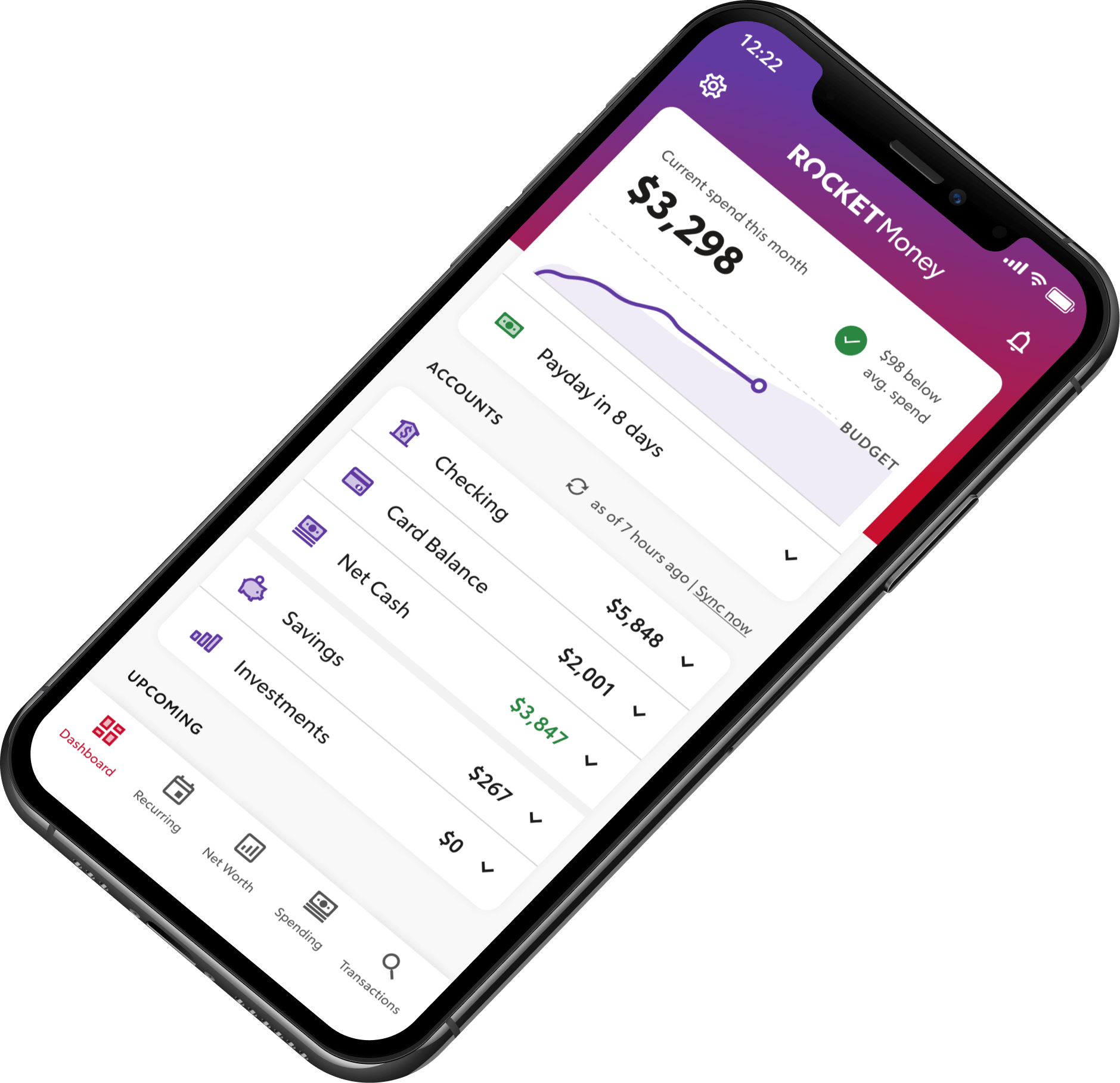
The Truebill-to-Rocket Money journey underscores that branding is not a static exercise but a continuous strategic asset. In an era of rapid technological advancement and evolving consumer expectations, brands must be dynamic, capable of adapting their identities to reflect new acquisitions, market opportunities, and shifting strategic priorities. A brand is a living entity that requires constant nurturing, evaluation, and, at times, reinvention to remain relevant, resonant, and competitive. The “Rocket Money” identity, born from Truebill’s legacy and Rocket Companies’ vision, positions the app not just as a tool for managing finances but as a key component in a larger financial empowerment ecosystem, ready for future growth and innovation.
aViewFromTheCave is a participant in the Amazon Services LLC Associates Program, an affiliate advertising program designed to provide a means for sites to earn advertising fees by advertising and linking to Amazon.com. Amazon, the Amazon logo, AmazonSupply, and the AmazonSupply logo are trademarks of Amazon.com, Inc. or its affiliates. As an Amazon Associate we earn affiliate commissions from qualifying purchases.