
In the annals of technological history, certain figures stand as titans whose names are synonymous with groundbreaking inventions. Yet, equally crucial are the often unsung architects of progress, whose ingenuity and meticulous work transformed nascent ideas into practical realities. Lewis Howard Latimer, an African American inventor and draftsman born in 1848, is precisely such a figure. While the popular imagination might readily recall Thomas Edison or Alexander Graham Bell, Latimer’s contributions were indispensable, particularly in the widespread adoption of electric light and the refinement of telecommunications. To ask “what did Lewis Latimer invent?” is to unlock a story of scientific rigor, engineering brilliance, and an unwavering commitment to innovation that fundamentally shaped the modern world. His legacy is not merely a collection of patents but a testament to the collaborative spirit and technical depth required to drive technological revolution.
The Incandescent Revolution: Latimer’s Breakthrough in Electric Lighting
The dream of a continuously burning, safe, and efficient electric light source captivated inventors throughout the 19th century. Early attempts often resulted in short-lived, inefficient bulbs. The challenge wasn’t just creating light, but sustaining it economically and reliably. This is where Lewis Latimer made his most celebrated and impactful technological contribution, one that fundamentally paved the way for the widespread adoption of electric lighting.
The Carbon Filament: A Brighter, Longer-Lasting Future
Before Latimer, many incandescent light bulbs used filaments made from carbonized bamboo fibers. While an improvement over earlier platinum filaments, these bamboo filaments still had significant drawbacks. They were brittle, inconsistent in their electrical resistance, and often led to bulbs with relatively short lifespans. This meant frequent replacements, high maintenance costs, and an overall unreliable lighting experience, hindering the commercial viability of electric light.
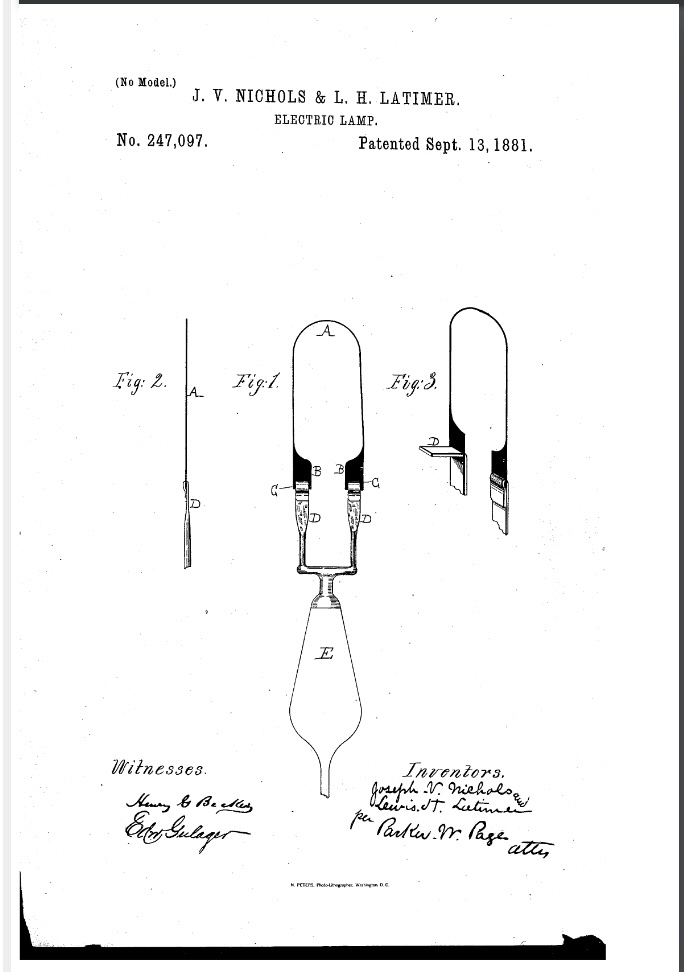
Latimer’s genius lay in his meticulous understanding of material science and electrical engineering. In 1881, while working for the United States Electric Lighting Company, a competitor to Edison, Latimer co-patented (with Joseph V. Nichols) a new manufacturing process for a carbon filament. This process involved heating cotton filaments in a closed container, creating a more uniform, durable, and efficient carbonized filament. This innovation significantly increased the longevity and brightness of incandescent light bulbs. By extending the operational life of the bulb, Latimer’s filament dramatically reduced the cost and inconvenience associated with electric lighting, making it a far more practical and appealing alternative to gaslight or earlier electric arc lamps.
The technical implications were profound. A more stable filament meant less resistance fluctuation, leading to more consistent light output. The increased durability reduced manufacturing defects and improved the robustness of the bulbs in everyday use. This wasn’t merely an incremental improvement; it was a critical leap that transformed the incandescent bulb from a novelty into a staple, enabling the electrification of homes, streets, and businesses across the globe. Latimer’s work was a cornerstone in building the infrastructure for modern electrical systems.
Overcoming Early Lighting Challenges
The journey to practical electric lighting was fraught with technical hurdles. Early bulbs suffered from issues ranging from rapid filament degradation due to oxidation to inefficient light production. Inventors grappled with finding materials that could withstand high temperatures without melting or breaking, and which possessed the right electrical properties to glow brightly without drawing excessive current. Latimer’s development of a superior carbon filament directly addressed these core challenges. His meticulous approach to material processing ensured a filament that was not only robust but also consistently performed within the narrow operational parameters required for efficient incandescent light. This precision in engineering was crucial in moving electric lighting from an experimental concept to a mass-produced, reliable technology, forever changing urban landscapes and daily life.
Beyond Illumination: Pioneering Work in Telecommunications and Other Fields
While Latimer’s contributions to electric lighting are perhaps his most famous, his inventive mind and technical prowess extended far beyond the realm of illumination. His versatility as an engineer, draftsman, and problem-solver saw him contribute to advancements in other critical emerging technologies, most notably in telecommunications.
The Telephone’s Early Days: Enhancing Communication Networks
Before his significant work in electric lighting, Lewis Latimer played a crucial role in the nascent telephone industry. In 1876, he was employed as a draftsman by the patent law firm of Crosby and Gould. It was there that he was tasked with drafting the patent drawings for Alexander Graham Bell’s revolutionary telephone. This was a critical assignment, as accurate and detailed patent drawings are fundamental to securing intellectual property rights, clearly defining the scope of an invention, and communicating its technical principles. Latimer’s skill in this role highlights his deep understanding of mechanical and electrical systems, his meticulous attention to detail, and his ability to translate complex technical concepts into precise visual representations.
His work on Bell’s telephone patent underscores his importance as an enabler of technology. Without clear and defensible patents, the rapid commercialization and development of inventions like the telephone would have been severely hampered. Latimer’s technical drawing expertise wasn’t just an artistic skill; it was a vital engineering function that facilitated the legal and technical foundation of modern telecommunications. His contribution here helped to secure Bell’s invention and pave the way for the rapid expansion of telephone networks, fundamentally altering global communication.
Diverse Patents and Unheralded Ingenuity
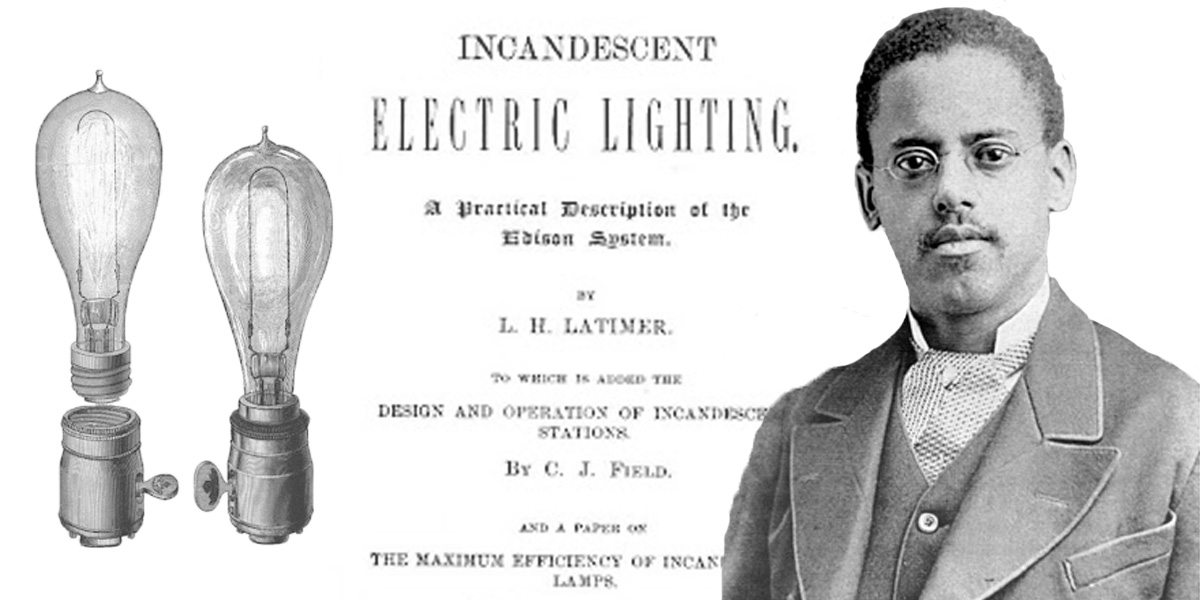
Latimer’s inventive spirit wasn’t limited to enhancing the creations of others. He also secured several patents under his own name, demonstrating a broader scope of ingenuity. Beyond the carbon filament, one notable independent invention was the “Water Closet for Railway Cars” (U.S. Patent 247,097), granted in 1881. While seemingly mundane compared to electric light, this invention addressed a practical need for improved sanitation in public transportation. It showcased Latimer’s ability to identify everyday problems and devise elegant, functional engineering solutions. This patent reflected his diverse interests and his capacity to apply his problem-solving skills to a variety of mechanical and system design challenges, reinforcing his reputation as a polymathic inventor and engineer in an era of rapid industrialization.
Engineering Brilliance: Latimer’s Role in Major Industrial Innovations
Lewis Latimer’s career was characterized by more than just individual inventions; it was marked by his indispensable role as a technical expert and intellectual property specialist within the burgeoning industrial landscape. His ability to understand, document, and defend complex technologies made him a sought-after professional, linking his work directly to some of the era’s most significant technological advancements.
Collaborating with Giants: Edison and Maxim’s Technical Arm
After his work with the United States Electric Lighting Company, Latimer’s expertise was recognized by none other than Thomas Edison. In 1884, Latimer began working for the Edison Electric Light Company, joining a select group of talented engineers and inventors. His role there was multifaceted, primarily as a chief draftsman and patent expert. In an era when new electrical technologies were rapidly emerging, and patent disputes were frequent and often fiercely contested, Latimer’s ability to clearly articulate and draw complex electrical systems was invaluable. He traveled across the country, setting up electric light plants, ensuring their proper installation, and troubleshooting technical issues.
Later, Latimer also contributed significantly to the work of Hiram Maxim, another prominent inventor and competitor to Edison. His collaboration with such industrial titans underscores the high regard in which his technical capabilities were held. He wasn’t just following instructions; he was a critical thinking partner, helping to refine designs, overcome technical obstacles, and ensure the practical implementation of new technologies. His insight into the intricacies of electrical systems made him a crucial asset in the competitive and rapidly evolving world of electric power.
The Art of Patent Drafting: Securing Technological Progress
One of Latimer’s most crucial, albeit often overlooked, contributions was his mastery of patent drafting. In an age before sophisticated CAD software, patent drawings were hand-rendered, requiring immense precision, technical understanding, and artistic skill. A well-drafted patent could make or break an invention’s commercial success and legal defensibility. Latimer’s ability to create highly detailed, accurate drawings of complex machinery and electrical circuits was critical for securing the intellectual property rights of his employers and collaborators.
Beyond drawing, Latimer also served as an expert witness in patent infringement cases. This role demanded a deep understanding of patent law, coupled with an unparalleled technical knowledge of the inventions in question. His testimony would have been instrumental in explaining the nuances of electrical and mechanical systems to juries and judges, helping to clarify complex technical arguments and ensure fair adjudication of intellectual property disputes. This dual expertise in engineering and law made him a formidable figure in the technological battles of the late 19th century, directly contributing to the orderly progress and protection of industrial innovation.
Lewis Latimer’s Enduring Technological Footprint
Lewis Latimer’s impact on technology extends far beyond the individual inventions or patents he helped create or draft. His career embodies the spirit of technological progress, emphasizing the critical role of fundamental improvements, detailed engineering, and intellectual rigor in transforming society. His work laid groundwork that continues to influence our modern technological landscape.
The Foundation of Modern Electrical Systems
Latimer’s refinement of the carbon filament was not merely an enhancement; it was a cornerstone in the development of robust, reliable electrical infrastructure. By making the incandescent bulb practical and affordable, he directly contributed to the electrification of cities and industries. This, in turn, spurred further innovation in power generation, transmission, and distribution, forming the very backbone of the electrical grid we rely on today. Without a reliable and efficient light source, the economic impetus for building widespread electrical networks would have been significantly diminished. His contribution to the bulb’s longevity meant that power companies could reliably promise and deliver continuous light, a critical factor in public adoption and investment in electrical systems.
Moreover, his work as an installer and troubleshooter for electric plants provided invaluable practical feedback to the design and implementation of early electrical networks. His hands-on experience helped bridge the gap between theoretical invention and functional, scalable infrastructure, ensuring that the nascent electrical systems were not just innovative but also resilient and maintainable.
A Blueprint for Inclusive Innovation
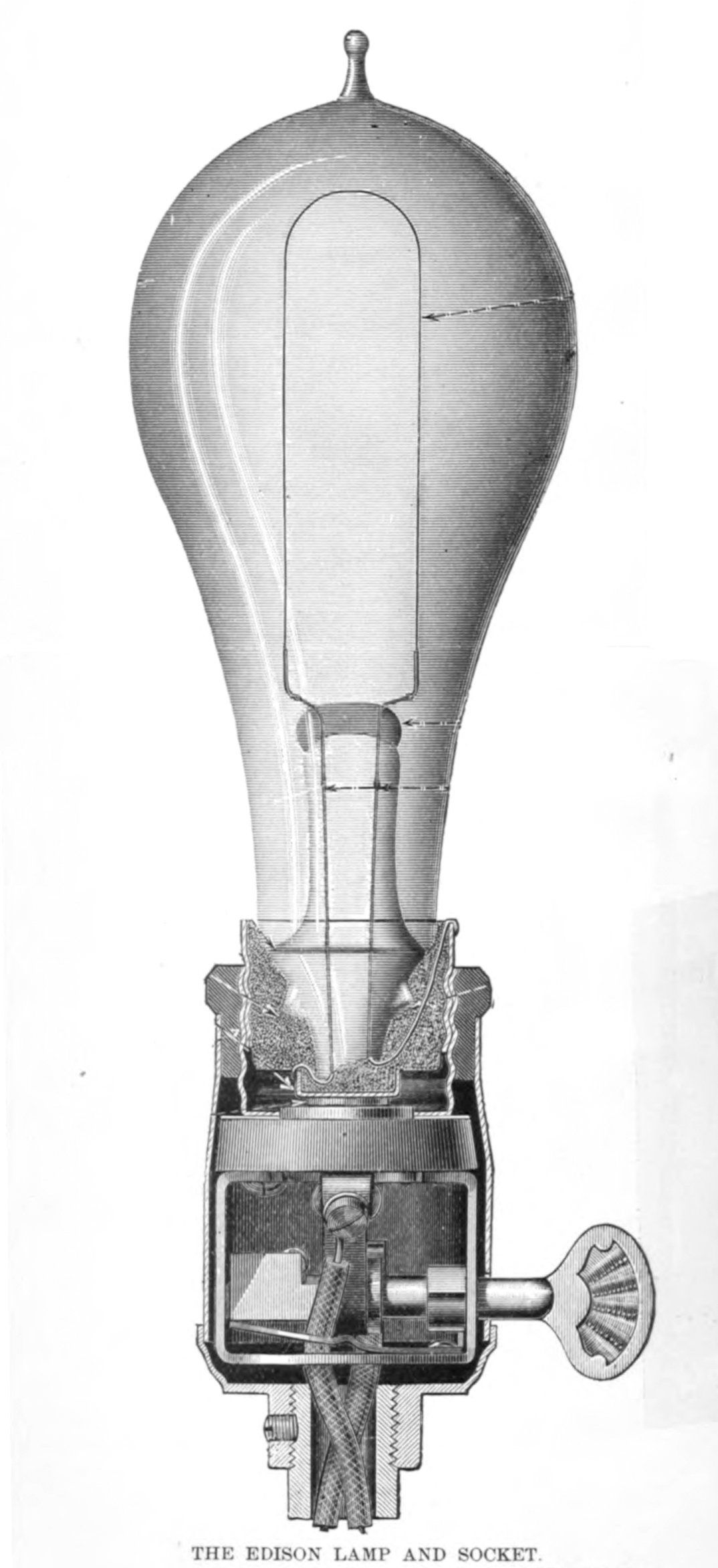
Beyond his tangible inventions, Latimer’s legacy serves as a powerful testament to the fact that innovation transcends racial and societal barriers. In an era marked by systemic prejudice and limited opportunities for African Americans, Latimer rose to prominence through sheer talent, perseverance, and intellectual brilliance. His success in highly technical and competitive fields challenged the prevailing norms and demonstrated that scientific and engineering aptitude could be found in all segments of society.
His story provides a blueprint for inclusive innovation, reminding us that progress is often fueled by diverse perspectives and experiences. Latimer’s journey from a self-taught draftsman to a leading expert in electrical engineering and patent law illustrates the power of continuous learning and dedication. His contributions were not only vital to the technological advancements of his time but also paved the way for future generations of innovators from all backgrounds to pursue careers in science, technology, engineering, and mathematics (STEM). The enduring impact of “what Lewis Latimer invented” is thus twofold: the practical technologies that continue to shape our world, and the inspiring narrative of an individual who, against immense odds, illuminated the path for a more equitable and technologically advanced future. His work remains a potent reminder of the profound and often understated contributions of diverse thinkers to the tapestry of human ingenuity.
aViewFromTheCave is a participant in the Amazon Services LLC Associates Program, an affiliate advertising program designed to provide a means for sites to earn advertising fees by advertising and linking to Amazon.com. Amazon, the Amazon logo, AmazonSupply, and the AmazonSupply logo are trademarks of Amazon.com, Inc. or its affiliates. As an Amazon Associate we earn affiliate commissions from qualifying purchases.