
Michelin Star restaurants represent the pinnacle of global culinary achievement, a benchmark of excellence that transcends mere food to embody an entire philosophy of dining. But beyond the exquisite dishes and impeccable service, the phenomenon of Michelin Stars is a profound lesson in brand strategy, corporate identity, and the power of recognition. Originating from an unexpected source – a tire company – the Michelin Guide and its coveted stars have evolved into one of the most respected and influential branding mechanisms in the hospitality industry, shaping reputations, driving marketing narratives, and setting aspirational standards for chefs and restaurateurs worldwide. This article delves into the brand dynamics of Michelin Stars, exploring their genesis, impact, and the enduring lessons they offer for effective brand building.
The Unexpected Genesis of a Culinary Empire: Michelin’s Branding Masterstroke
The story of the Michelin Guide is a quintessential example of innovative brand strategy, born not from a love of gastronomy, but from a calculated business need to sell more tires. This humble origin story underpins a branding triumph that has stood the test of time, demonstrating how a visionary approach can extend a brand’s influence far beyond its core product.
From Tires to Tables: A Strategic Diversification
At the turn of the 20th century, brothers André and Édouard Michelin, founders of the Michelin tire company in France, faced a classic marketing challenge: how to increase demand for their primary product. With only 3,000 cars in France at the time, the solution wasn’t just better tires, but more drivers on the road. Their ingenious idea was to create a guide for motorists, offering practical information such as maps, petrol stations, mechanics, and, crucially, places to eat and stay. The first Michelin Guide, published in 1900 and distributed free of charge, was a direct marketing tool designed to encourage travel, which, in turn, would wear out tires and necessitate replacements. This initial foray into publishing was a strategic diversification, establishing the Michelin brand not just as a tire manufacturer, but as an enabler of discovery and mobility. It seamlessly integrated a value-added service with their product, enriching the overall brand perception.
The Birth of the Star System: Establishing Authority and Exclusivity
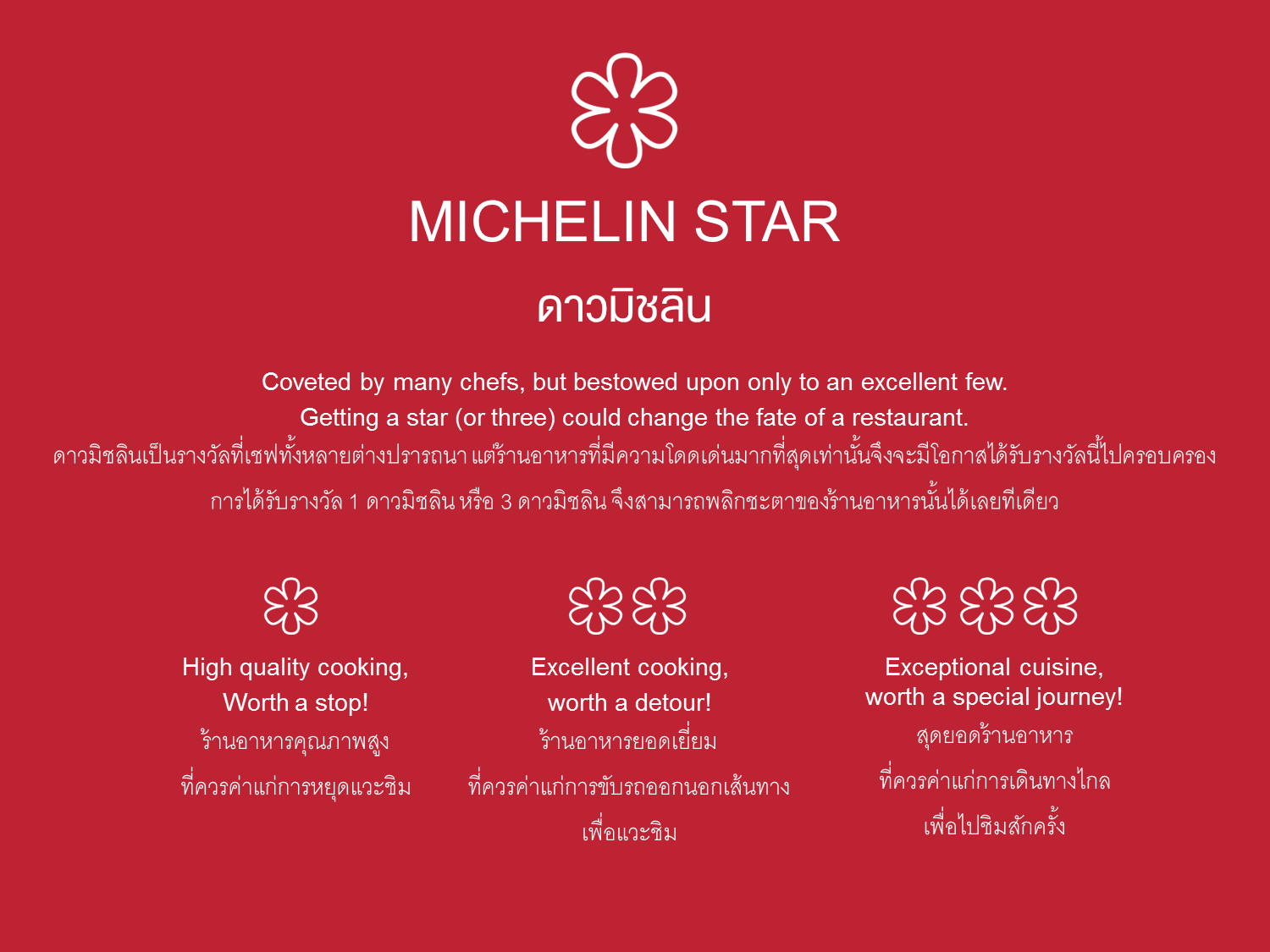
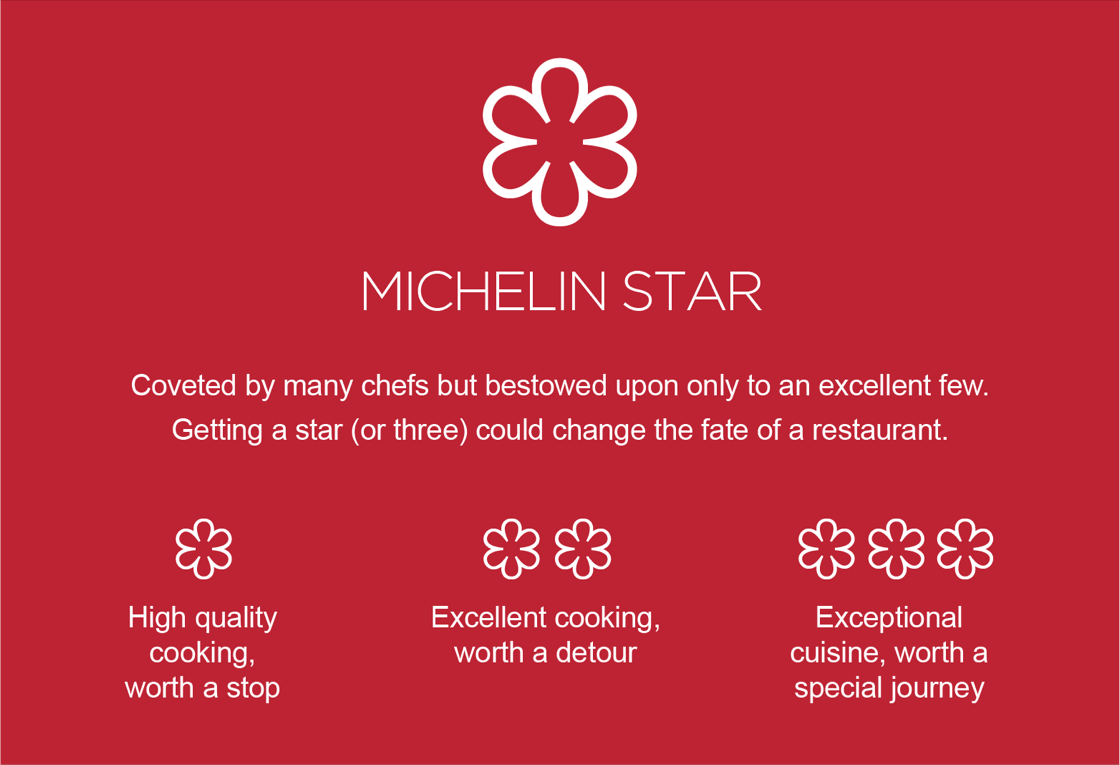
Initially, the guide simply listed establishments. However, recognizing the need for a more refined system to differentiate quality and provide clearer recommendations, the Michelin brothers began hiring anonymous inspectors in 1926. This move was pivotal, transforming the guide from a directory into an authority. The introduction of single stars for “fine dining establishments” marked the true beginning of the iconic star system. By 1931, the hierarchy expanded to two and three stars, with specific definitions: one star for “a very good restaurant in its category,” two stars for “excellent cooking, worth a detour,” and three stars for “exceptional cuisine, worth a special journey.” This tiered system immediately imbued the stars with a sense of exclusivity and aspiration, creating a clear brand hierarchy within the culinary world. The methodical, rigorous assessment process established a strong sense of credibility and objectivity, critical components for building a respected brand.
The Power of Anonymity: A Cornerstone of Brand Integrity
One of the most enduring and critical elements of the Michelin Guide’s brand integrity is its commitment to anonymity. Michelin inspectors are professional, full-time employees who dine anonymously, pay for their meals, and meticulously assess restaurants based on consistent, globally applied criteria. This strict adherence to discretion ensures that reviews are unbiased and that restaurants are judged on their consistent performance, not on special treatment afforded to recognized critics. This “secret shopper” approach is a powerful brand strategy, reinforcing the guide’s reputation for impartiality and thoroughness. The mystique surrounding the inspectors only adds to the allure and gravitas of a Michelin Star, making its bestowal a truly coveted and respected accolade. It signals to both restaurants and diners that the Michelin brand stands for objective, uncompromising quality, a trust that is paramount to its long-term success and influence.
The Branding Dynamics of the Michelin Star: Impact on Restaurants and Diners
Receiving a Michelin Star is more than just an award; it’s a potent brand endorsement that sends ripples throughout a restaurant’s operations, marketing, and perceived value. It fundamentally alters a restaurant’s corporate identity and profoundly influences its relationship with its clientele.
A Mark of Prestige: Elevating Corporate and Personal Branding
For a restaurant, earning a Michelin Star instantly elevates its corporate branding to an elite tier. It signifies not just culinary excellence, but also a commitment to superior quality, meticulous execution, and often, innovation. This prestigious mark attracts a more discerning clientele, eager to experience the celebrated standard. Beyond the restaurant itself, a Michelin Star profoundly impacts the personal branding of the head chef. Chefs like Joël Robuchon, Alain Ducasse, and Gordon Ramsay have built global culinary empires largely on the strength of their Michelin-starred reputations. The stars serve as a verifiable badge of mastery, enhancing their authority, attracting investors, and opening doors to new ventures, from cookbooks to television shows. This dual impact on both corporate and personal branding illustrates the immense power of the Michelin brand as an accelerator of professional reputation.
Marketing Magnate: Leveraging the Star for Business Growth
Once awarded, a Michelin Star becomes the centerpiece of a restaurant’s marketing and public relations strategy. It’s prominently featured on websites, menus, signage, and all promotional materials. The star isn’t just an award; it’s a powerful marketing asset that inherently communicates quality and exclusivity without needing lengthy explanations. Restaurants leverage the star to justify premium pricing, attract media attention, and generate word-of-mouth buzz. The “Michelin-starred” descriptor is a search engine optimization (SEO) dream, drawing in global tourists and food enthusiasts actively seeking top-tier dining experiences. This immediate brand recognition effectively reduces marketing spend by leveraging the Michelin Guide’s established global brand equity. It transforms the restaurant from merely a place to eat into a destination, a bucket-list experience for gourmands.
Crafting the Customer Experience: The Brand Promise of Excellence
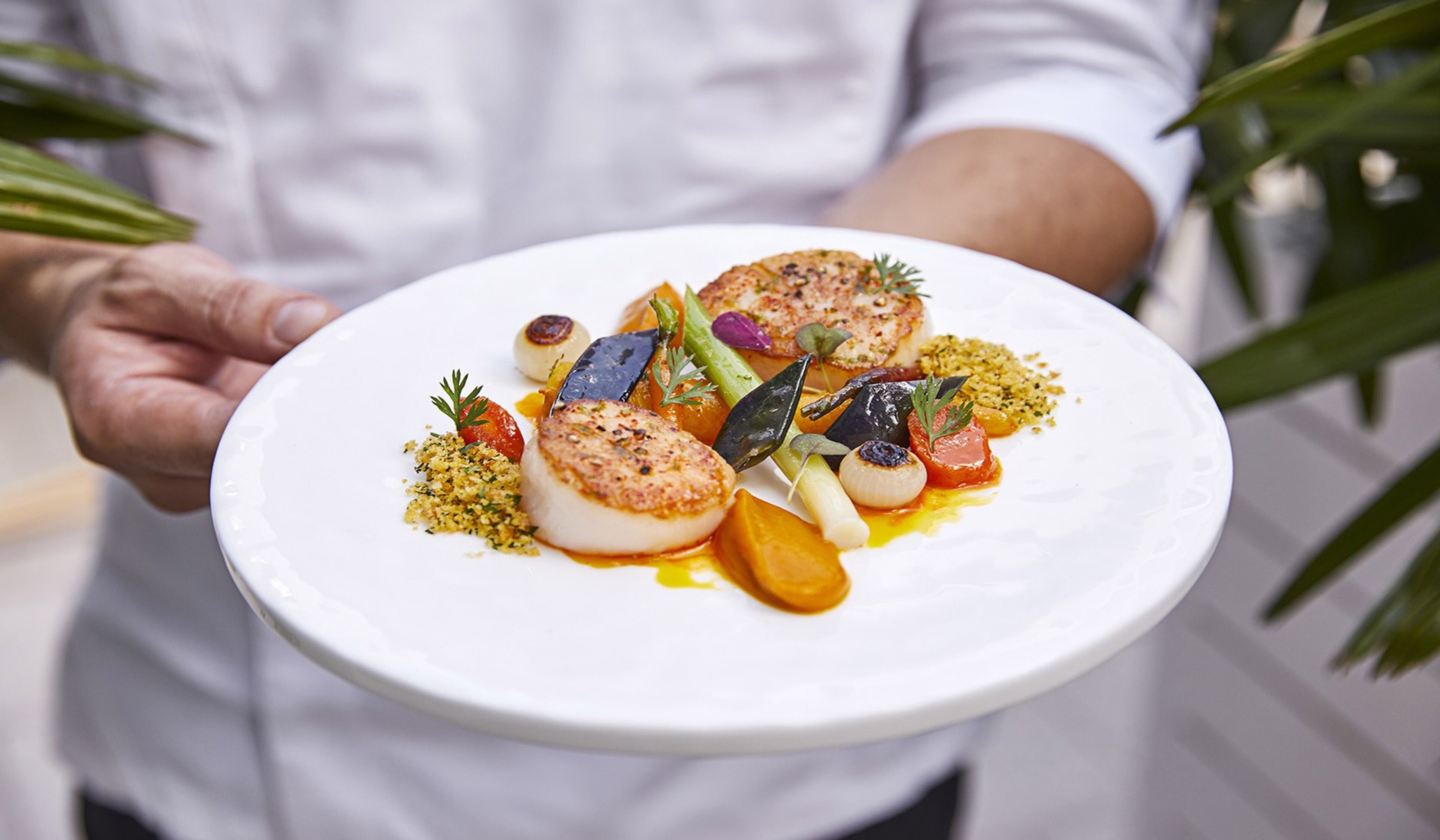
The brand promise associated with a Michelin Star is one of unwavering excellence. Diners arrive with high expectations, anticipating not just an exceptional meal but an entire sensory experience that justifies the star. This puts immense pressure on Michelin-starred restaurants to consistently deliver across all touchpoints: the food, the service, the ambiance, the wine list, and even the smallest details like tableware and decor. Every element contributes to reinforcing the brand promise. Staff training becomes paramount, ensuring that every interaction reflects the restaurant’s commitment to perfection. Failure to meet these heightened expectations can lead to swift damage to both the restaurant’s individual brand and, by extension, the perceived value of the Michelin Star itself. Therefore, a Michelin-starred restaurant is constantly engaged in upholding and reinforcing the brand’s implicit contract with its sophisticated clientele.
The Michelin Star as a Global Brand Standard and Cultural Touchstone
The Michelin Guide has successfully transitioned from a regional French directory to a global arbiter of taste, establishing itself as a universal brand standard in the world of fine dining. Its expansion reflects a careful balance between maintaining core brand identity and adapting to diverse culinary landscapes.
Expanding the Brand: Global Reach and Local Adaptation
While rooted in French culinary traditions, the Michelin Guide has strategically expanded its brand presence across continents, now covering cities and regions in Europe, Asia, and North and South America. This global reach requires a delicate balance: maintaining the universal criteria (quality of ingredients, mastery of flavor and cooking techniques, the personality of the chef in his cuisine, value for money, and consistency) while also acknowledging and celebrating local culinary nuances. For instance, the guide has recognized street food vendors in Asia and traditional izakayas in Japan, demonstrating a willingness to adapt its application without diluting its core brand values. This strategic expansion proves that a strong brand can maintain its identity while embracing cultural diversity, solidifying its status as a truly global culinary authority.
The Double-Edged Sword: Brand Pressure and Innovation
The immense prestige associated with a Michelin Star is a powerful motivator, but it also creates considerable brand pressure. Chefs and restaurant teams often work under intense scrutiny, driven by the desire to earn or retain stars. This pressure can be a double-edged sword: on one hand, it fosters relentless innovation, pushing culinary boundaries and driving chefs to achieve new levels of creativity and perfection. The pursuit of a star encourages investment in ingredients, training, and ambiance, ultimately benefiting the dining scene. On the other hand, the high stakes can lead to burnout, stress, and, in some rare cases, even the tragic decision by chefs to relinquish their stars to escape the relentless expectations. This phenomenon highlights how a powerful brand, while aspirational, can also impose significant demands on those striving to meet its lofty standards.
The Evolving Narrative: Adapting the Brand for Modern Palates
In recent years, the Michelin Guide has shown a conscious effort to evolve its brand narrative to remain relevant in a rapidly changing culinary world. Beyond the traditional stars, it has introduced categories like the Bib Gourmand (for good quality, good value restaurants) and, more recently, the Green Star (for restaurants committed to sustainable gastronomy). These additions demonstrate a brand’s critical need to adapt to contemporary values and consumer priorities without abandoning its heritage. By acknowledging sustainability, advocating for more diverse cuisines, and sometimes celebrating less formal dining experiences, Michelin is strategically updating its brand image to appeal to a broader, more conscious audience. This adaptability ensures the Michelin Guide’s continued relevance and influence, proving that even a century-old brand must periodically refresh its identity to thrive in modern markets.
Strategic Lessons from the Michelin Star Phenomenon for Modern Branding
The enduring success and global influence of the Michelin Star system offer invaluable lessons for any brand aspiring to achieve lasting recognition, credibility, and impact.
Building Credibility Through Consistency and Authority
The most profound lesson from Michelin is the power of building credibility through unwavering consistency and authoritative evaluation. By establishing a rigorous, objective, and globally applied inspection process, Michelin cultivated unparalleled trust. For any brand, this translates to maintaining consistent quality in products or services, adhering to high standards, and fostering transparency and expertise in one’s field. Authenticity and a demonstrable commitment to excellence are the bedrock upon which lasting brand credibility is built, much like the secretive and thorough work of Michelin inspectors.
The Value of Exclusivity and Aspiration
Michelin stars inherently create a sense of exclusivity and aspiration. Only a select few restaurants achieve this status, making it highly coveted. This scarcity drives desire and enhances perceived value. Brands can emulate this by defining a clear target audience, offering unique value propositions, and positioning themselves as leaders or innovators in their niche. Creating a narrative around achieving something rare or exceptional can significantly elevate a brand’s desirability and command a premium in the market. It’s about crafting a brand identity that inspires customers to aspire to experience what you offer.
Diversification Done Right: Extending Brand Influence Beyond the Core Product
Finally, Michelin’s journey from tire manufacturer to culinary arbiter is a masterclass in strategic brand diversification. It demonstrates that a brand can successfully extend its influence into seemingly unrelated sectors by identifying complementary needs and delivering genuine value. The key was not to force a direct link, but to build a solution (the guide) that indirectly supported their core business (tires) while simultaneously building a new, powerful brand (culinary authority). This teaches brands to think creatively about how they can serve their customer base in new ways, leveraging their core competencies and trust to expand their ecosystem and reinforce their overall brand footprint.
In conclusion, Michelin Star restaurants are far more than just places to eat; they are living testaments to the power of exceptional brand strategy. From its inception as an ingenious marketing tool for a tire company to its current status as a global symbol of culinary brand excellence, the Michelin Guide exemplifies how credibility, exclusivity, and consistent quality can transform a product into an iconic brand. Its legacy offers enduring insights for businesses aiming to build a recognizable, respected, and influential presence in any industry. The stars themselves aren’t just awards; they are powerful brand assets that dictate market perception, drive consumer behavior, and set an undeniable standard for corporate and personal branding in the culinary world.
aViewFromTheCave is a participant in the Amazon Services LLC Associates Program, an affiliate advertising program designed to provide a means for sites to earn advertising fees by advertising and linking to Amazon.com. Amazon, the Amazon logo, AmazonSupply, and the AmazonSupply logo are trademarks of Amazon.com, Inc. or its affiliates. As an Amazon Associate we earn affiliate commissions from qualifying purchases.