
The acquisition of Twitter by Elon Musk in late 2022 for a staggering $44 billion was not just a headline-grabbing event; it was a seismic shift in the digital landscape, a testament to the power of individual wealth, and a complex financial transaction that has continued to be dissected and analyzed. This monumental deal, which saw one of the world’s most influential social media platforms change hands, raises a multitude of questions regarding its financial underpinnings, the motivations behind such an expenditure, and the long-term financial implications for both the platform and its new owner. Understanding the “what” and “how” of this $44 billion price tag is crucial to grasping the broader implications of this acquisition, particularly from a business finance perspective.

Deconstructing the $44 Billion Price Tag: A Financial Deep Dive
Elon Musk’s acquisition of Twitter was not a simple cash-and-carry transaction. The $44 billion figure represents a complex amalgam of equity, debt, and personal investment, a structure designed to finance one of the largest tech acquisitions in history. Understanding the composition of this colossal sum is essential to appreciating the financial engineering involved and the inherent risks and rewards associated with such a leveraged deal.
The Equity Component: Musk’s Personal Stake
A significant portion of the acquisition was funded through equity, primarily from Elon Musk’s personal wealth and a substantial commitment from his existing business ventures. Musk, as the principal buyer, injected a considerable amount of his own capital, derived from his stakes in Tesla and SpaceX, into the deal. This personal financial commitment underscored his conviction in the acquisition and his willingness to risk a substantial portion of his fortune.
Musk’s Personal Capital Contribution
Estimates suggest that Musk personally contributed approximately $27 billion of his own funds towards the acquisition. This figure was largely comprised of liquid assets and the sale of Tesla stock, a move that initially raised eyebrows among investors concerned about the impact on his flagship electric vehicle company. The sale of these shares was a direct pathway to generating the substantial cash required for the equity portion of the deal. This personal investment served not only as a financial anchor but also as a powerful signal of his commitment, both to the Twitter acquisition and to his vision for its future.
Stakeholder Equity and Rollover
Beyond Musk’s direct contribution, the deal also involved equity from other investors and a rollover of existing Twitter shareholders’ stakes. While the precise breakdown can be complex and subject to various financial agreements, it’s understood that other investors were brought in to participate in the equity financing. Furthermore, some existing shareholders may have had the option to roll over their existing Twitter equity into the new privately held entity, effectively retaining a stake in the company post-acquisition. This blended approach aimed to secure the necessary capital while also potentially creating a broader base of financial stakeholders invested in the platform’s success.
The Debt Financing: Leveraging for Acquisition
A substantial portion of the $44 billion was financed through debt, a common strategy in large-scale mergers and acquisitions. This leveraged approach allowed Musk to acquire Twitter without needing to fully fund it from his personal or immediate corporate resources, thereby preserving capital for his other ventures. However, it also introduced significant financial obligations and interest payments that would weigh on Twitter’s balance sheet moving forward.
Bank Loans and Credit Facilities
The acquisition was heavily reliant on debt financing, with major financial institutions providing billions of dollars in loans. These credit facilities were secured against Twitter’s assets and future revenue streams. The banks involved took on considerable risk, betting on Musk’s ability to turn the platform around and generate sufficient cash flow to service the debt. The structure of these loans, including interest rates, repayment terms, and covenants, would have been critical considerations in the negotiation and structuring of the deal.
Debt Tied to Musk’s Other Companies
Interestingly, a portion of the debt financing was reportedly linked to Musk’s other prominent companies, particularly Tesla. This move highlighted the intertwined financial nature of Musk’s empire and the willingness of lenders to provide capital based on the broader financial strength and perceived stability of his affiliated businesses. This interconnectedness, while potentially enabling the acquisition, also raised questions about the financial resilience of Musk’s enterprises should Twitter fail to meet its debt obligations.
Other Financial Considerations and Transaction Costs
Beyond the headline purchase price, a multitude of other financial elements contributed to the overall cost and complexity of the acquisition. These included transaction fees, legal expenses, and potential change-of-control payments, all of which added to the total financial outlay.
Transaction Fees and Legal Costs
Executing a deal of this magnitude involved significant expenditure on professional services. Investment bankers, lawyers, and financial advisors on both sides of the transaction commanded substantial fees. These costs are standard in large M&A deals, covering due diligence, negotiation, regulatory filings, and contract drafting. While not directly part of the $44 billion purchase price paid to shareholders, these ancillary costs represent a real financial burden associated with the acquisition itself.
Earn-outs and Contingent Payments (If Applicable)
While the primary focus was on the upfront cash and stock, complex acquisitions can sometimes include earn-out clauses or contingent payments tied to future performance. These mechanisms would have been designed to bridge valuation gaps between buyer and seller. In the context of the Twitter deal, the primary structure was a fixed price, but understanding any such clauses, even if minor or absent, is part of a comprehensive financial analysis.
The Financial Motivations Behind the Price: Beyond Simple Valuation
The $44 billion price tag for Twitter was not an arbitrary number. It reflected a complex interplay of market valuation, strategic imperatives, and Elon Musk’s personal assessment of the platform’s potential. While some analysts questioned the valuation, Musk’s perspective was rooted in his belief in Twitter’s underlying value and its future revenue-generating capabilities, albeit through a significantly altered business model.
Twitter’s Pre-Acquisition Valuation and Market Position
Prior to the acquisition, Twitter was a publicly traded company with a market capitalization that fluctuated. The $44 billion offer represented a significant premium over its trading price at the time of the initial bid. This premium signaled Musk’s intent to acquire the company outright and his belief that its intrinsic value, particularly under his leadership, exceeded its current market valuation. Twitter’s position as a global town square for real-time information and public discourse, despite its profitability challenges, lent it a unique and often underestimated strategic importance.
Musk’s Vision for Monetization and Growth
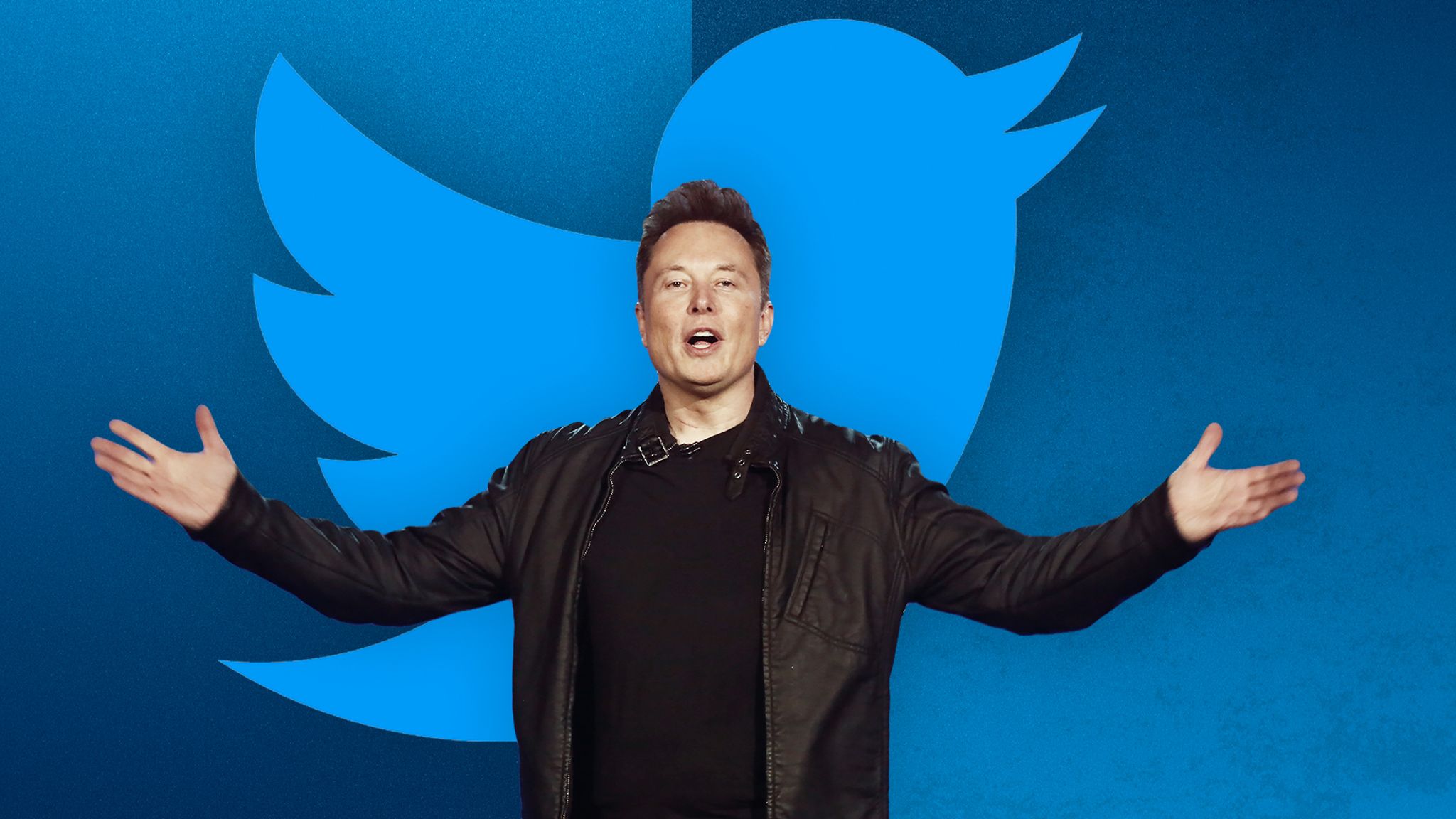
A core driver behind the substantial investment was Musk’s vision for transforming Twitter’s revenue streams and accelerating its growth. He expressed dissatisfaction with Twitter’s existing monetization strategies, particularly its reliance on advertising. His proposed changes included introducing subscription models, exploring new forms of content monetization, and potentially integrating other services. The $44 billion was, in essence, a bet on his ability to unlock this latent financial potential and create a more robust and profitable business.
The Shift to Subscription Models
Musk’s interest in subscription models, exemplified by Twitter Blue, signaled a desire to diversify revenue away from advertising. The idea was to offer premium features and services to a segment of users willing to pay for them. This represented a fundamental shift in how Twitter would generate revenue, moving towards a direct user-pays model rather than solely relying on advertisers. The substantial acquisition cost could be seen as an investment in building out and scaling these new revenue channels.
Advertising Strategy Reimagined
While not abandoning advertising entirely, Musk’s vision implied a significant overhaul of its advertising strategy. This could involve more targeted advertising, new ad formats, or a greater emphasis on creator-driven monetization that benefits both creators and the platform. The acquisition price factored in the potential for increased advertising revenue through these revamped strategies, assuming a successful execution of his plans.
The Financial Impact of the Acquisition: Debt Burden and Restructuring
The immediate aftermath of the acquisition saw significant financial restructuring within Twitter, now rebranded as X. The massive debt incurred to finance the deal placed immense pressure on the company’s cash flow, necessitating aggressive cost-cutting measures and a strategic pivot to achieve profitability.
Servicing the Debt: A Constant Financial Pressure
The billions of dollars in debt taken on for the acquisition came with substantial interest payments. This created a constant financial pressure on X to generate sufficient revenue and profits to cover these obligations. The need to service this debt has undoubtedly influenced many of the strategic decisions made since the acquisition, including workforce reductions and changes to product features.
Impact on Cash Flow and Profitability
The debt burden directly impacts X’s cash flow. A significant portion of incoming revenue is now allocated to debt servicing, leaving less capital for investment in product development, marketing, or operational expansion. Achieving profitability has become an even more critical objective to ensure the long-term financial sustainability of the company under its new ownership.
Cost-Cutting Measures and Operational Efficiency
To alleviate the financial strain and improve profitability, X has implemented widespread cost-cutting measures. This has included significant layoffs across various departments, reducing office space, and scrutinizing operational expenses. The aim is to streamline operations and become a leaner, more efficient organization capable of generating higher margins and meeting its financial obligations.
Restructuring the Workforce
One of the most visible and impactful cost-cutting measures has been the substantial reduction in the workforce. This decision, while controversial, was driven by the need to decrease payroll expenses, a significant operational cost. The restructuring of the workforce aims to create a more agile and focused team, capable of executing Musk’s vision with fewer resources.
Re-evaluating Business Operations
Beyond personnel, X has also undertaken a re-evaluation of its broader business operations. This includes assessing the efficiency of existing processes, renegotiating vendor contracts, and optimizing technological infrastructure. The goal is to identify and eliminate any inefficiencies that could be hindering profitability and to ensure that every dollar spent is contributing to the company’s financial objectives.
The Long-Term Financial Outlook: A High-Stakes Gamble
Elon Musk’s acquisition of Twitter for $44 billion represents a high-stakes gamble with significant financial implications for all involved. The success of this venture hinges on his ability to execute a radical transformation of the platform, unlock new revenue streams, and ultimately generate returns that justify the colossal investment.
Potential for Future Profitability and Valuation Growth
The ultimate financial success of the acquisition will be measured by X’s future profitability and its potential valuation growth as a private entity. If Musk can successfully pivot the platform to a more lucrative business model, attract a larger paying user base, and optimize advertising revenue, the initial $44 billion investment could eventually be seen as a shrewd move. However, the path to achieving this is fraught with challenges.
The “X” Transformation and its Financial Prospects
The rebranding to “X” signifies a broader ambition beyond a simple social media platform. Musk has spoken of creating an “everything app” that integrates payments, messaging, and a wide array of services. The financial success of this ambitious vision is yet to be determined, but it underpins the rationale for the substantial investment. If successful, the financial potential could far exceed that of Twitter as it existed before the acquisition.
Investor Returns and Musk’s Personal Wealth
For the investors who participated in the deal and for Musk himself, the long-term financial outlook is crucial. They are betting on a significant return on their investment, either through future dividends, a profitable sale of the company down the line, or an increase in its private valuation that can be realized through various financial instruments. The acquisition places a substantial portion of Musk’s personal wealth at risk, but also offers the potential for immense financial rewards if his vision is realized.

Risks and Uncertainties in the Financial Landscape
Despite the bold vision, the financial landscape for X remains rife with risks and uncertainties. The competitive nature of the social media market, the evolving regulatory environment, and the inherent challenges of transforming a deeply ingrained user experience all pose significant hurdles. The debt burden, combined with the aggressive nature of the proposed changes, creates a precarious financial situation that requires meticulous execution and a degree of luck. The $44 billion price tag is not just a number; it represents a monumental financial commitment, and its ultimate justification will be written in the future financial performance of X.
aViewFromTheCave is a participant in the Amazon Services LLC Associates Program, an affiliate advertising program designed to provide a means for sites to earn advertising fees by advertising and linking to Amazon.com. Amazon, the Amazon logo, AmazonSupply, and the AmazonSupply logo are trademarks of Amazon.com, Inc. or its affiliates. As an Amazon Associate we earn affiliate commissions from qualifying purchases.