
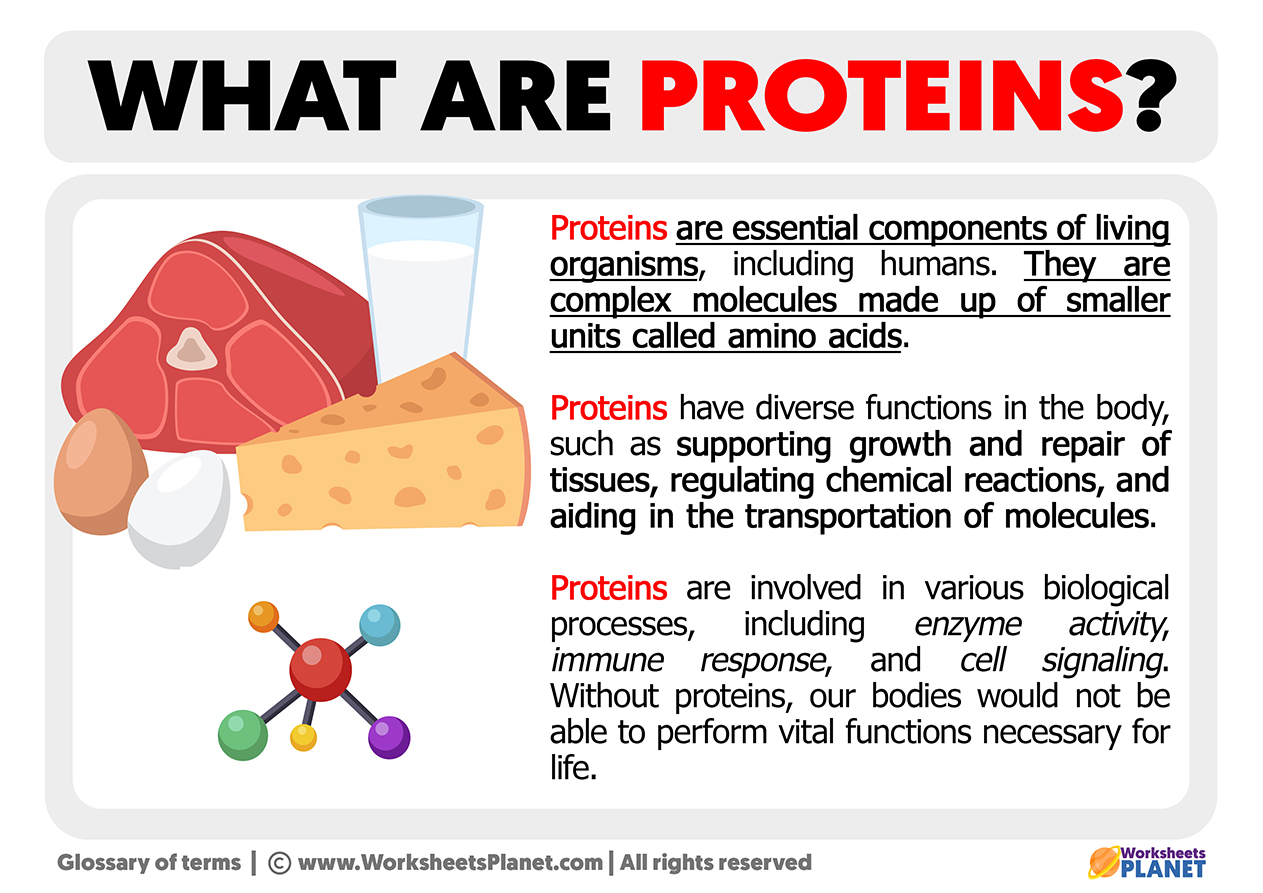
In the traditional biological sense, a protein is defined as a complex organic compound composed of amino acids linked by peptide bonds. For decades, this definition sufficed for the realms of medicine and chemistry. However, as we move deeper into the era of high-performance computing, generative artificial intelligence, and synthetic biology, the definition of a protein has shifted from a purely biological entity to a computational one. Today, a protein is increasingly defined by its data structure, its algorithmic predictability, and its role as the fundamental “hardware” of the living world.
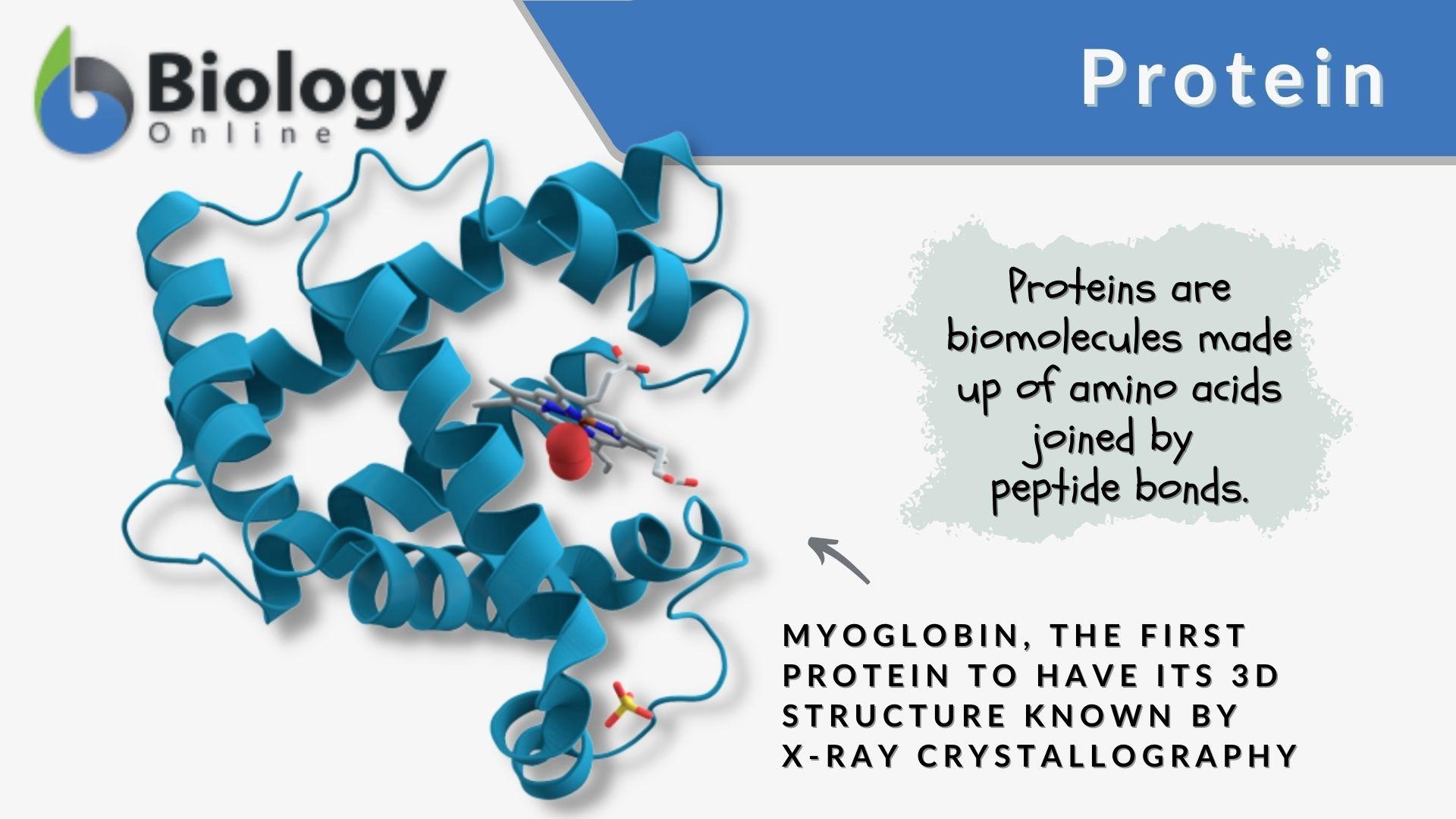
In the tech industry, the convergence of biotechnology and information technology has birthed a new paradigm where software doesn’t just simulate life—it architects it. To understand what defines a protein in this modern context, we must look beyond the microscope and into the neural networks and cloud infrastructures that are currently remapping the building blocks of existence.
The Computational Blueprint: From Biological Chains to Digital Strings
At its core, the technology sector views a protein as a sophisticated string of information. Much like a line of code determines the function of an application, the sequence of amino acids determines the function of a biological machine. The transition from viewing proteins as “wetware” to “software” is the foundational shift of 21st-century tech.
The Role of High-Throughput Genomic Sequencing
The first step in redefining proteins through a tech lens was the digitization of biological sequences. High-throughput sequencing technology turned the “analog” world of cellular biology into massive datasets. By treating DNA and the resulting proteins as digital strings, researchers have been able to apply Big Data analytics to identify patterns that were previously invisible. In this niche, a protein is defined by its “sequence alignment”—a data-driven comparison that allows software to predict evolutionary relationships and functional similarities across species.
Proteomics as a Big Data Challenge
If genomics is the study of the blueprint, proteomics is the study of the functional machine. The challenge for modern tech is the sheer volume of data involved. A single cell contains thousands of different proteins, each with a unique state. Tech companies specializing in proteomics are now using cloud-based platforms to manage petabytes of data, defining proteins not just by their sequence, but by their “expression profile.” In this technical framework, a protein is a variable in a complex system-wide equation, monitored and analyzed via sophisticated software pipelines.
AI and the Revolution of Protein Folding
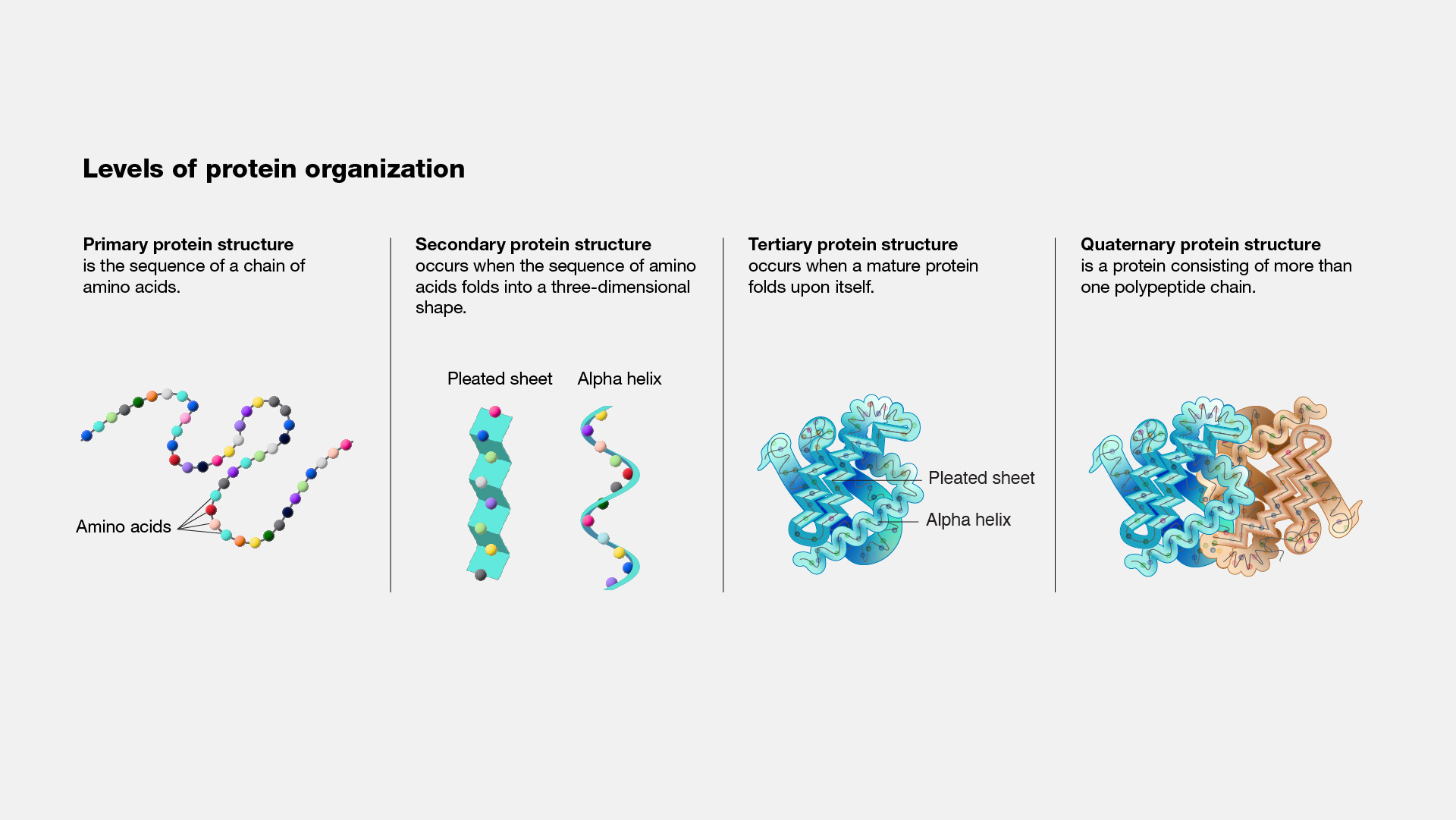
Perhaps the most significant technological milestone in defining proteins is the resolution of the “protein folding problem.” For fifty years, scientists struggled to predict how a linear chain of amino acids would fold into its functional three-dimensional shape. This changed with the advent of deep learning and specialized AI tools.
AlphaFold and the Solution to a 50-Year Mystery
Google DeepMind’s AlphaFold represented a watershed moment for the tech industry. By using deep neural networks trained on the known structures of thousands of proteins, AlphaFold was able to predict the 3D structure of nearly every protein known to science with incredible accuracy. In this context, what defines a protein is its “spatial coordinates” in a virtual environment. We no longer define a protein solely by what we can see in a lab; we define it by the probability distribution of its atomic positions as calculated by an AI.
Generative AI and De Novo Protein Design
We are moving beyond prediction into the realm of creation. Generative AI models, similar to the Large Language Models (LLMs) used in chatbots, are now being used for de novo protein design. Tech firms are building “biological compilers” where a developer can input a desired function—such as “break down plastic” or “bind to a specific virus”—and the AI generates a brand-new protein sequence to fulfill that task. Here, a protein is defined as a programmed solution to a physical problem, moving it firmly into the category of “designed technology.”
The “Protein” of Software: Architecture as a Biological Analogy
The term “protein” is also increasingly used as a metaphor within software engineering and systems architecture. Just as biological proteins are the functional units that perform tasks within a cell, modern software relies on modular, “protein-like” components to maintain complex digital ecosystems.
Microservices as Modular Peptides
In the world of cloud computing and DevOps, the transition from monolithic architectures to microservices mirrors the transition from simple organisms to complex multicellular life. Each microservice is a specialized unit, much like a protein, designed to perform one specific function with high efficiency. What defines a protein in a software context is its “modularity” and “interoperability.” By building software that mimics the modular nature of biological proteins, tech companies create systems that are more resilient, scalable, and easier to debug.
Self-Healing Systems and Evolutionary Code
Advanced AI systems are now being designed with “self-healing” capabilities, inspired by the way proteins repair cellular damage. When a bug is detected, the system can automatically generate and deploy a patch. This “evolutionary” approach to coding treats snippets of software as dynamic biological entities. In this technical niche, a “protein” is an autonomous agent within a codebase that maintains the integrity of the overall digital organism, defining the future of automated security and system maintenance.
The Infrastructure of Bio-Digital Engineering
Defining a protein today also requires looking at the hardware and infrastructure that makes this research possible. The “tech” behind the protein isn’t just the code; it’s the physical machines and security protocols that bridge the gap between bit and atom.
The Democratization of Molecular Design through SaaS
Software-as-a-Service (SaaS) has reached the lab. Platforms now allow researchers to design proteins in a web browser, outsource the physical synthesis to automated “bio-foundries,” and receive the physical protein in the mail. This “lab-on-a-chip” and cloud-lab technology redefines the protein as a “commodity product” of the tech stack. The definition moves from a mysterious biological phenomenon to a quantifiable output of a standardized digital workflow.
Security and Ethics in Synthetic Bio-Tech
As proteins become programmable, they also become a security concern. Digital security now encompasses biological data. Protecting the “source code” of a proprietary protein is as critical as protecting the source code of a proprietary algorithm. In the tech world, what defines a protein is its “intellectual property value” and the cryptographic measures taken to ensure its sequence isn’t intercepted or maliciously altered. The intersection of cybersecurity and synthetic biology is creating a new niche of “Bio-Sec,” where the definition of a protein includes its digital signature and its encrypted blueprint.
Conclusion: The New Definition of Life’s Building Blocks
Ultimately, what defines a protein in the modern tech landscape is its status as the ultimate interface. It is the bridge between the digital world of information and the physical world of biological action. Through the lens of technology, a protein is no longer just a “nutrient” or a “cell component”—it is a programmable molecule, a data-rich structure, and a functional unit of a larger, engineered system.
As AI continues to refine its predictive capabilities and as synthetic biology becomes more integrated into our industrial processes, the line between “technology” and “biology” will continue to blur. We are entering an era where the most important software ever written will not run on a silicon chip, but within the folded structures of a protein designed on a high-end GPU. In this niche, defining a protein is nothing less than defining the future of how we build, heal, and sustain the world through the power of technology.
aViewFromTheCave is a participant in the Amazon Services LLC Associates Program, an affiliate advertising program designed to provide a means for sites to earn advertising fees by advertising and linking to Amazon.com. Amazon, the Amazon logo, AmazonSupply, and the AmazonSupply logo are trademarks of Amazon.com, Inc. or its affiliates. As an Amazon Associate we earn affiliate commissions from qualifying purchases.