
In the modern marketplace, a brand is no longer just a collection of products or a recognizable logo; it is a living entity defined by its values, its voice, and its stance on social issues. Among the most transformative shifts in corporate identity over the last decade has been the rise of the “feminist brand.” However, what defines a feminist brand goes far beyond surface-level aesthetics or “girl power” slogans. In the context of brand strategy and corporate identity, a feminist brand is defined by a deep-seated commitment to equity, the dismantling of gender-based stereotypes through marketing, and a transparent alignment between public messaging and internal operations.

As consumers—particularly Millennials and Gen Z—increasingly vote with their wallets, the definition of feminism within branding has shifted from a risky political stance to a mandatory pillar of authentic engagement. To understand what defines a feminist brand today, we must look past the marketing campaigns and examine the strategic frameworks that build lasting, identity-driven loyalty.
Beyond the Logo: The Core Pillars of a Feminist Brand Strategy
For a brand to authentically claim a feminist identity, it must move beyond “femvertising”—a term coined to describe advertising that uses pro-female imagery to sell products without making substantive changes to the brand’s core. A true feminist brand strategy is built on the pillars of authenticity, advocacy, and structural integrity.
Purpose-Led Messaging and the End of Pinkwashing
The first hallmark of a feminist brand is its communication strategy. Historically, marketing to women relied on highlighting insecurities—wrinkles, weight, or “lifestyle deficiencies”—and offering a product as the solution. A feminist brand flips this script. It utilizes purpose-led messaging that focuses on empowerment, autonomy, and the celebration of diversity.
However, the defining factor here is the rejection of “pinkwashing.” Pinkwashing occurs when a company adopts feminist rhetoric during International Women’s Month but maintains a culture or supply chain that exploits women. A feminist brand is defined by the consistency of its message across all seasons and platforms. It doesn’t just “support” women; it integrates that support into its value proposition, ensuring that every campaign challenges traditional power dynamics rather than reinforcing them.
Internal Corporate Identity and Equity
A brand’s external identity is only as strong as its internal reality. You cannot define a brand as feminist if its leadership structure does not reflect those values. In brand strategy, this is known as “internal branding.” A feminist brand is defined by its commitment to closing the gender pay gap, offering robust parental leave, and ensuring women—especially women of color—occupy seats at the decision-making table.
When a brand like Patagonia or HoneyBook builds a reputation for supporting women in the workforce, that becomes a core part of their corporate identity. This internal equity acts as a form of “trust equity” with the consumer. When a brand’s internal policies align with its external feminist messaging, it creates an unshakeable foundation of brand or “corporate” integrity that competitors who only use slogans cannot replicate.
The Intersection of Product Design and Empowerment
The definition of a feminist brand also extends to the very products it creates and how it chooses to market them. In the world of design and marketing, “feminist” is a functional term that describes how a brand addresses the specific, often overlooked needs of its female demographic.
Solving Gender-Specific Pain Points
Traditionally, many products were designed using a “one size fits all” approach—which usually meant “one size fits men.” From the size of smartphones to the safety features in cars, the “default human” was male. A feminist brand is defined by its dedication to inclusive design. This means identifying and solving pain points that are unique to women’s lives without being patronizing.
Take, for example, the “FemTech” industry. Brands in this space have redefined the market by treating women’s health—from menstruation to menopause—with the same clinical and design-forward rigor as any other sector. By designing products that prioritize female physiology and lifestyle, these brands define themselves as feminist through utility. They prove that feminism in branding isn’t just about what you say; it’s about how you build.
Inclusive UX/UI and Visual Language
In digital branding, what defines a feminist approach is often found in the user interface (UI) and user experience (UX). This involves moving away from gendered color palettes—the ubiquitous “pink for girls”—and adopting a visual language that is inclusive and professional.
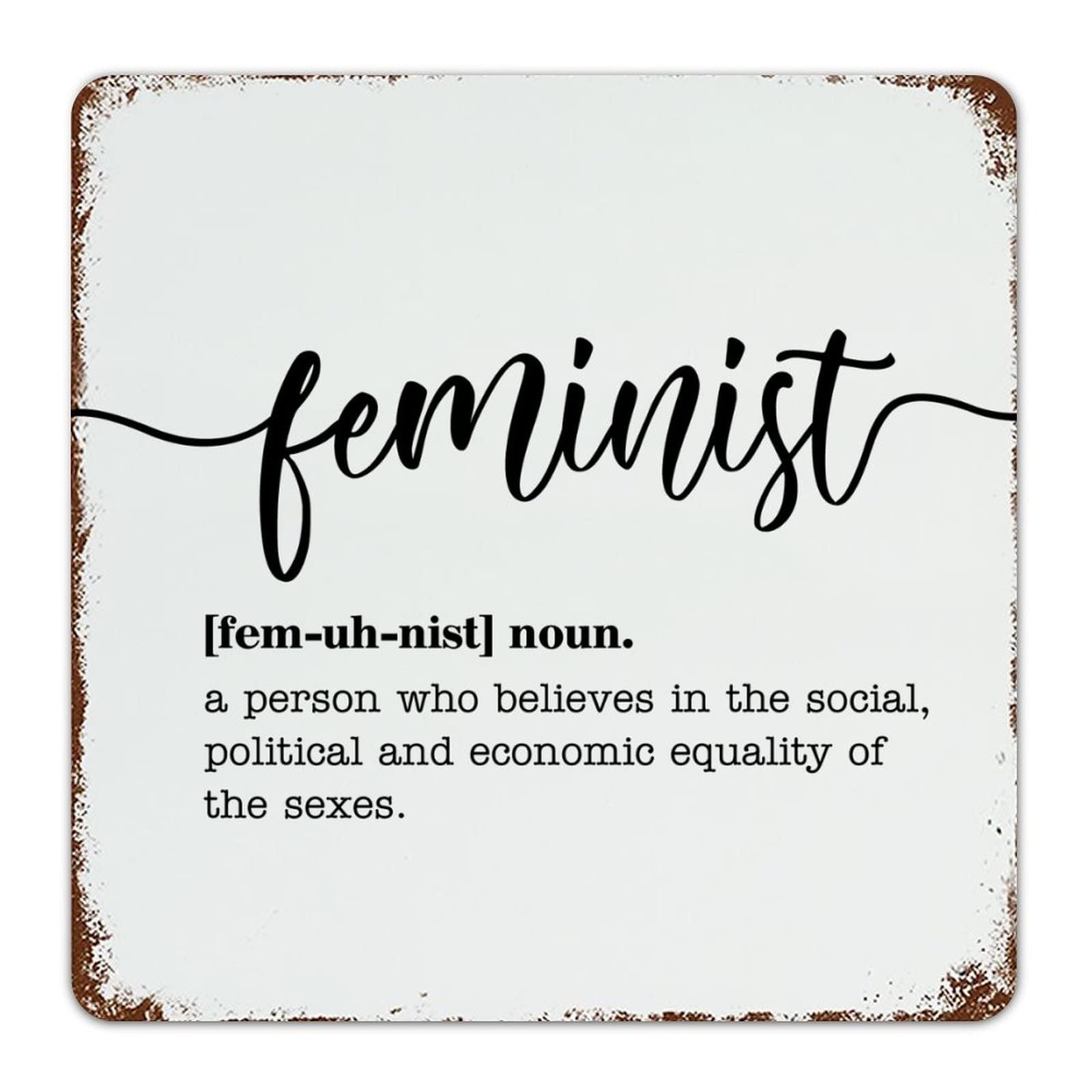
A feminist brand strategy utilizes imagery that reflects real life: diverse body types, varying age groups, and non-traditional gender roles. This visual representation is a strategic choice that signals to the consumer that the brand “sees” them. When a brand’s website and app design avoid stereotypical tropes and instead prioritize accessibility and broad representation, it reinforces a brand identity rooted in the feminist principle of equality.
Case Studies: Brands Redefining the Feminist Narrative
To truly understand what defines a feminist brand, we must look at organizations that have successfully integrated these values into their corporate DNA. These brands have turned social principles into a competitive advantage.
Bumble: Flipping the Script on Social Dynamics
Bumble is a quintessential example of a brand defined by feminist principles. Founded by Whitney Wolfe Herd, the brand’s core strategy was to “change the rules of the game” by requiring women to make the first move. This wasn’t just a gimmick; it was a brand identity built on the concept of female agency and safety.
By centering its marketing and product functionality on the empowerment of women, Bumble created a distinct “Brand Moat.” It wasn’t just another dating app; it was a space that addressed the specific safety concerns and social fatigue of women. This clear definition of values allowed Bumble to expand into Bizz (networking) and BFF (friendship), maintaining a consistent brand identity of “kindness and empowerment” across all verticals.
Dove: The Real Beauty Campaign and Lasting Brand Loyalty
While many brands have recently jumped on the empowerment bandwagon, Dove’s “Real Beauty” campaign, launched in 2004, remains a landmark in brand strategy. By choosing to define “beauty” through the lens of real women rather than airbrushed models, Dove fundamentally shifted its corporate identity.
The success of Dove’s strategy lies in its longevity. They didn’t just run one ad; they created a decades-long narrative that includes the “Self-Esteem Project.” This long-term commitment defines Dove as a feminist-adjacent brand because it actively works to dismantle the harmful beauty standards that the marketing industry spent decades building. It is a case study in how a brand can pivot its identity to align with evolving social consciousness.
Navigating the Challenges of Feminist Branding in a Global Market
Defining a brand as feminist is not without its risks. As brands become more vocal, they also become more vulnerable to scrutiny. To maintain a successful feminist brand identity, companies must navigate the complexities of global politics and the demand for intersectionality.
Balancing Social Activism with Profitability
The primary challenge for any brand adopting a feminist identity is the “Authenticity Gap.” If a brand takes a stand on a controversial issue—such as reproductive rights or gender pay equity—it must be prepared for potential backlash from segments of the market. However, a strong brand strategy recognizes that “trying to please everyone is a recipe for being invisible.”
A feminist brand is defined by its willingness to prioritize its values over short-term “safe” marketing. In the long run, this builds a community of “brand evangelists”—consumers who feel a personal connection to the brand’s mission. This emotional loyalty is far more profitable than the fleeting attention garnered by neutral, personality-less branding.

Future Trends: The Shift Toward Intersectional Brand Identity
As the conversation around feminism evolves, the definition of a feminist brand is moving toward intersectionality. This means recognizing that gender cannot be separated from race, class, and sexual orientation. For a brand to be defined as feminist in the 2020s and beyond, its strategy must be inclusive of all women.
The future of feminist branding lies in “Action-Based Branding.” Consumers are no longer satisfied with brands that just “speak”; they want brands that “do.” This includes brands that donate to grassroots organizations, brands that use their platform to lobby for policy change, and brands that ensure their environmental impact doesn’t disproportionately affect women in the Global South.
In conclusion, what defines a feminist brand is a holistic integration of equity and empowerment into every facet of the business. It is a strategy that begins with internal corporate culture, informs product design, and culminates in authentic, purpose-driven marketing. In an era where identity is the new currency, the brands that thrive will be those that don’t just use feminism as a trend, but adopt it as a defining, unbreakable commitment to their audience.
aViewFromTheCave is a participant in the Amazon Services LLC Associates Program, an affiliate advertising program designed to provide a means for sites to earn advertising fees by advertising and linking to Amazon.com. Amazon, the Amazon logo, AmazonSupply, and the AmazonSupply logo are trademarks of Amazon.com, Inc. or its affiliates. As an Amazon Associate we earn affiliate commissions from qualifying purchases.