
Determining which credit card is “good” is not a one-size-fits-all endeavor. In the modern financial ecosystem, a credit card is far more than a convenient way to defer payment; it is a sophisticated financial instrument that, when used correctly, can provide significant capital leverage, consumer protection, and lucrative rewards. However, the sheer volume of options—ranging from high-yield cash-back cards to premium travel rewards programs—can make the selection process overwhelming. To identify the right card, one must move beyond marketing slogans and analyze how specific features align with individual spending habits, credit profiles, and long-term financial goals.
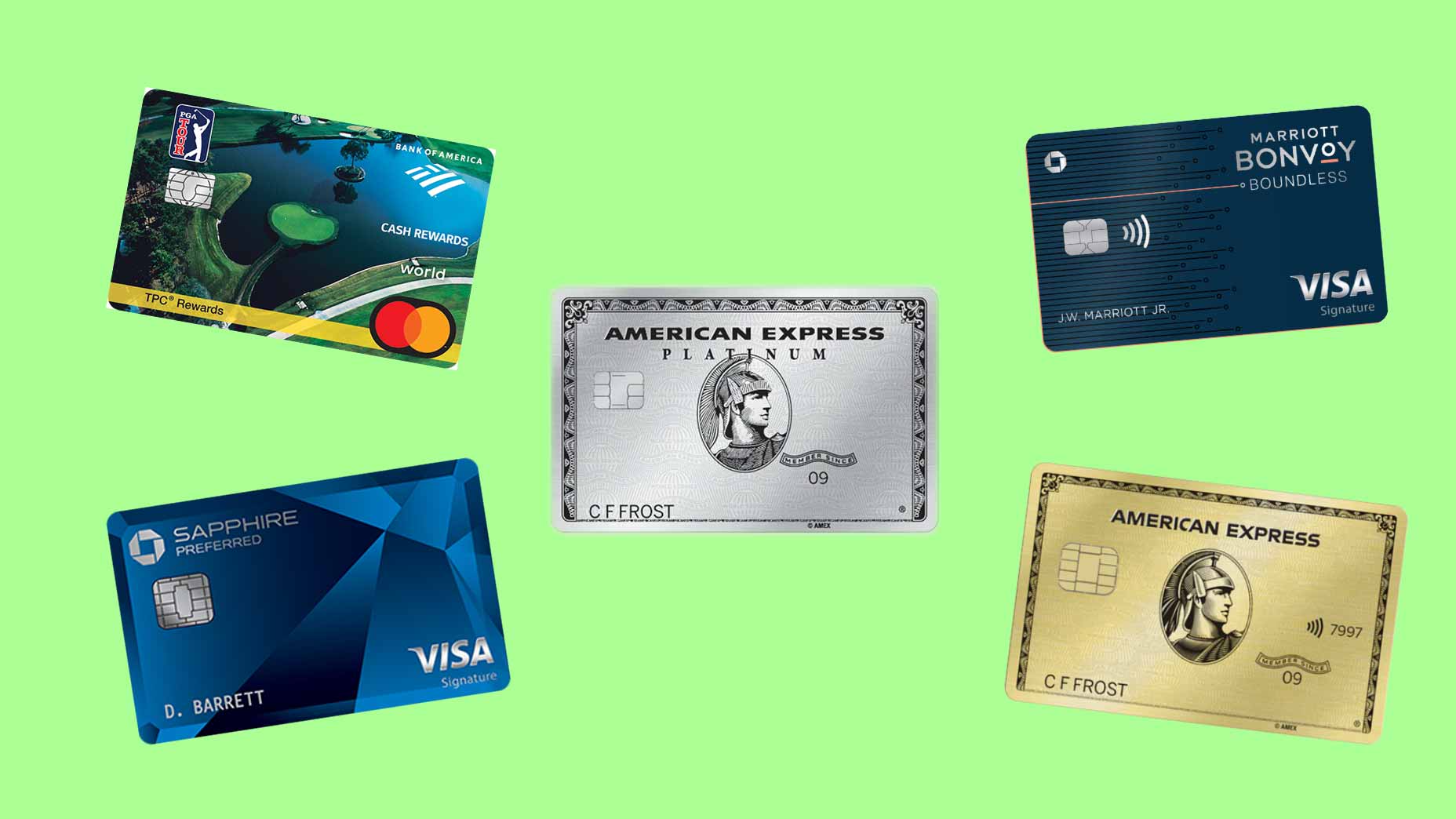
Identifying Your Spending Profile and Financial Goals
The first step in determining which credit card is good for you is a rigorous audit of your monthly expenditures. Different cards are engineered to reward specific types of behavior. A card that offers 5% back on office supplies is an excellent tool for a small business owner, but it is effectively useless for a student whose primary expenses are groceries and streaming services.
The Everyday Optimizer: Maximizing Cash Back
For those who prefer simplicity and tangible value, cash-back cards are often the superior choice. These cards typically operate on either a flat-rate or a tiered system. A flat-rate card might offer 2% back on every purchase, regardless of the category. This is ideal for individuals who do not want to track rotating categories or manage complex point systems. Conversely, tiered cards offer higher percentages (e.g., 3% or 4%) on specific categories like gas, groceries, or dining, while offering a standard 1% on everything else. If your budget is heavily weighted toward a specific category, a tiered card will almost always outperform a flat-rate card.
The Global Explorer: Leveraging Travel Rewards
For frequent travelers, the “good” card is often one that earns transferable points or miles. Unlike cash back, which has a fixed value, travel points can often be “outsized” in value when transferred to airline or hotel partners. A traveler might redeem 50,000 points for a business-class flight that would otherwise cost $3,000, effectively giving each point a value of 6 cents—far higher than the standard 1-cent-per-point valuation of cash-back programs. These cards also frequently come with travel-specific perks such as airport lounge access, primary rental car insurance, and no foreign transaction fees.
The Debt Rebuilder: Seeking Low Interest and Balance Transfers
If you are currently carrying a balance on a high-interest card, the “best” card for you is not one with rewards, but one with a 0% introductory APR on balance transfers. These cards are designed to help consumers consolidate debt and pay it down without the burden of accruing interest for a set period, often ranging from 12 to 21 months. In this context, the value of the card is measured by the hundreds or thousands of dollars saved in interest charges rather than the points earned on new purchases.
Key Features to Evaluate Before Applying
Once you have identified your primary goal, you must look under the hood of the various offerings. A card that looks attractive on the surface may have hidden costs or restrictive terms that diminish its overall utility.
Annual Fees vs. Value Proposition
One of the most common dilemmas is whether to pay an annual fee. Many of the most rewarding cards carry fees ranging from $95 to $695. To determine if such a card is “good,” you must perform a break-even analysis. For example, if a card has a $95 annual fee but offers a $100 annual hotel credit and earns 3x points on groceries, it effectively pays for itself before you even consider the points earned. However, if you do not travel or use the specific credits provided, a no-fee card is a much more logical choice, even if its earning rates are slightly lower.
APR and Interest Rate Implications
While the goal of savvy credit card use is to pay the balance in full every month to avoid interest, life is unpredictable. The Annual Percentage Rate (APR) is the cost of borrowing the money. For those who may need to carry a balance occasionally, a card with a lower ongoing APR is essential. It is important to note that cards with the most robust rewards programs typically have the highest APRs, often exceeding 20% or 25%. If there is a high probability of carrying debt, the rewards earned will be quickly eclipsed by interest payments, making the card a net negative for your finances.
Sign-up Bonuses and Introductory Offers
The sign-up bonus (SUB) is often the most significant influx of value a cardholder will receive. Banks use these “carrots” to entice new customers, often offering 50,000 to 100,000 points if a certain spending threshold is met within the first three months. While a large SUB can make a card very attractive, it should not be the only reason to apply. A good card is one that provides value long after the initial bonus has been spent. Ensure that the spending requirement for the bonus aligns with your natural budget; forcing extra spending to “earn” a bonus is a losing financial strategy.
Category Deep Dives: Which Card Wins for Your Lifestyle?
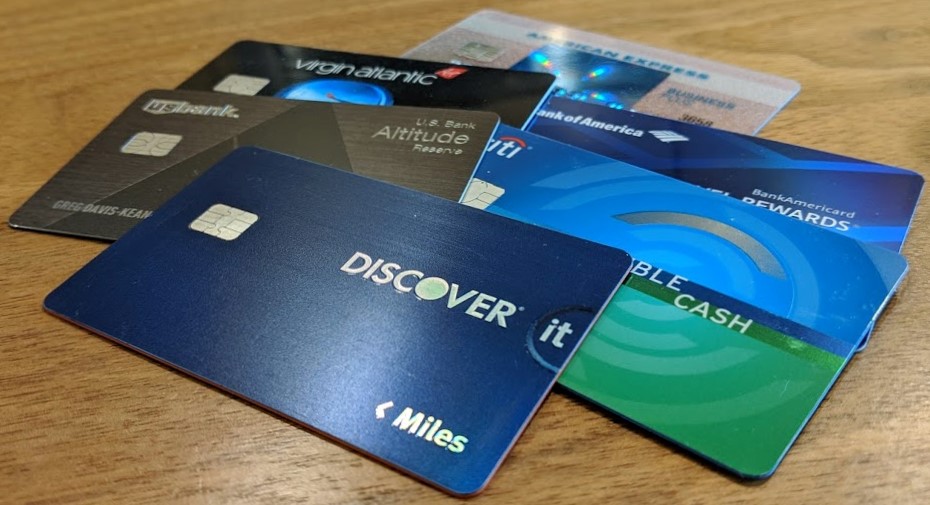
To further refine the search, we can look at how specific card types serve different demographics. The “good” card for a high-earning corporate executive is rarely the same as the “good” card for a college student building their first line of credit.
Best for Domestic Stability: The Grocery and Dining Powerhouses
For most families, the two largest discretionary spending categories are food-related. Cards that offer 4% to 6% back at U.S. supermarkets or on dining out can result in hundreds of dollars in annual savings. These cards often serve as “anchor” cards in a financial portfolio—the reliable workhorses used for the majority of household transactions.
Best for the Frequent Flyer: Premium Travel Tier
If you spend more than a few weeks a year on the road, a premium travel card is almost mandatory. Beyond the points, these cards offer “soft perks” that drastically improve the quality of travel. This includes Global Entry or TSA PreCheck credits, which allow you to bypass long security lines, and access to airport lounges which provide complimentary food, drink, and a quiet work environment. When these perks are factored in, the “effective” annual fee often drops to near zero.
Best for Credit Builders and Students
If you have a limited credit history, the “good” card is the one that says “yes.” Secured credit cards, where the user provides a cash deposit that serves as the credit limit, are excellent tools for establishing a footprint with credit bureaus. For students, many issuers offer specific student cards that have lower approval hurdles and provide small rewards for maintaining good grades or practicing responsible spending. The goal here is not rewards, but the steady increase of a FICO score.
Understanding the Fine Print: Beyond the Surface Rewards
The true utility of a credit card is often found in the protections it offers—features that many cardholders overlook until a crisis occurs.
Purchase and Travel Protections
High-quality cards often include “hidden” insurance policies. Purchase protection covers your new items against theft or accidental damage for a set period (usually 90 days). Extended warranty protection can add an extra year to a manufacturer’s warranty. On the travel side, trip delay and cancellation insurance can reimburse you for hotels and meals if your flight is grounded. These protections can save you thousands of dollars, yet they are rarely the headline feature in advertisements.
Foreign Transaction Fees
If you plan to use your card outside your home country, you must ensure it does not charge foreign transaction fees. Many standard cards charge a 3% fee on every purchase made in a foreign currency. This effectively wipes out any rewards you might be earning. A “good” card for an international traveler must, by definition, have a 0% foreign transaction fee policy.
Strategy for Success: How to Manage Your Chosen Card
A credit card is only “good” if it improves your financial standing. Mismanagement can turn even the most rewarding card into a financial liability.
The Importance of On-Time Payments and Utilization
Your payment history is the single most important factor in your credit score. Setting up autopay for at least the minimum balance is a critical safety net, though paying in full is always the objective. Furthermore, you should be mindful of your credit utilization ratio—the amount of credit you are using compared to your total limit. Keeping this ratio below 30% is generally recommended for maintaining a healthy credit score.
Avoiding the “Minimum Payment Trap”
The math of credit card interest is designed to keep you in debt if you only pay the minimum. By paying only the minimum, you are primarily covering the interest while the principal balance remains largely untouched. A good card user views the “minimum payment” as a catastrophic failure of strategy and strives to treat the card as a debit instrument, only spending what is already in their bank account.
In conclusion, the quest for a “good” credit card requires a balance of self-awareness and technical comparison. By identifying whether you value cash back, travel perks, or debt management, and by carefully weighing annual fees against actual benefits, you can select a tool that acts as a catalyst for your financial growth. The best card is not the one with the flashiest metal design or the loudest marketing campaign; it is the one that puts the most money back in your pocket while providing the security and flexibility you need to navigate the modern economy.
aViewFromTheCave is a participant in the Amazon Services LLC Associates Program, an affiliate advertising program designed to provide a means for sites to earn advertising fees by advertising and linking to Amazon.com. Amazon, the Amazon logo, AmazonSupply, and the AmazonSupply logo are trademarks of Amazon.com, Inc. or its affiliates. As an Amazon Associate we earn affiliate commissions from qualifying purchases.