
In the modern financial landscape, a credit card is far more than just a piece of plastic or a digital entry in a mobile wallet. It is a sophisticated financial tool that, when used correctly, can enhance your purchasing power, provide robust security, and offer significant rewards. However, the sheer volume of options available—ranging from high-end travel cards with hefty annual fees to basic no-frills cards for building credit—can make the selection process feel overwhelming. To determine “what credit card is best for me,” you must look beyond the glossy marketing and evaluate how a card aligns with your personal spending habits, financial goals, and current credit profile.
Understanding Your Spending Habits and Financial Goals
The journey to finding the right credit card begins not with a bank’s website, but with an honest look at your own bank statement. Every credit card is designed for a specific “persona” or consumer behavior. To maximize the value you receive, you must identify which persona you embody.
Analyzing Your Monthly Budget
Before applying for any card, categorize your spending over the last three to six months. Are you spending a significant portion of your income on groceries and gas? Or are your expenses concentrated in dining out and entertainment? Many cards offer “accelerated rewards” in specific categories. For instance, if you spend $800 a month on groceries, a card offering 6% cash back on supermarkets will provide far more value than a travel card that only offers 1% on general purchases. Conversely, if your lifestyle involves heavy business travel, the perks of an airline-branded card may outweigh the benefits of a grocery-centric card.
Defining Your Primary Objective: Cash Back vs. Travel vs. Low Interest
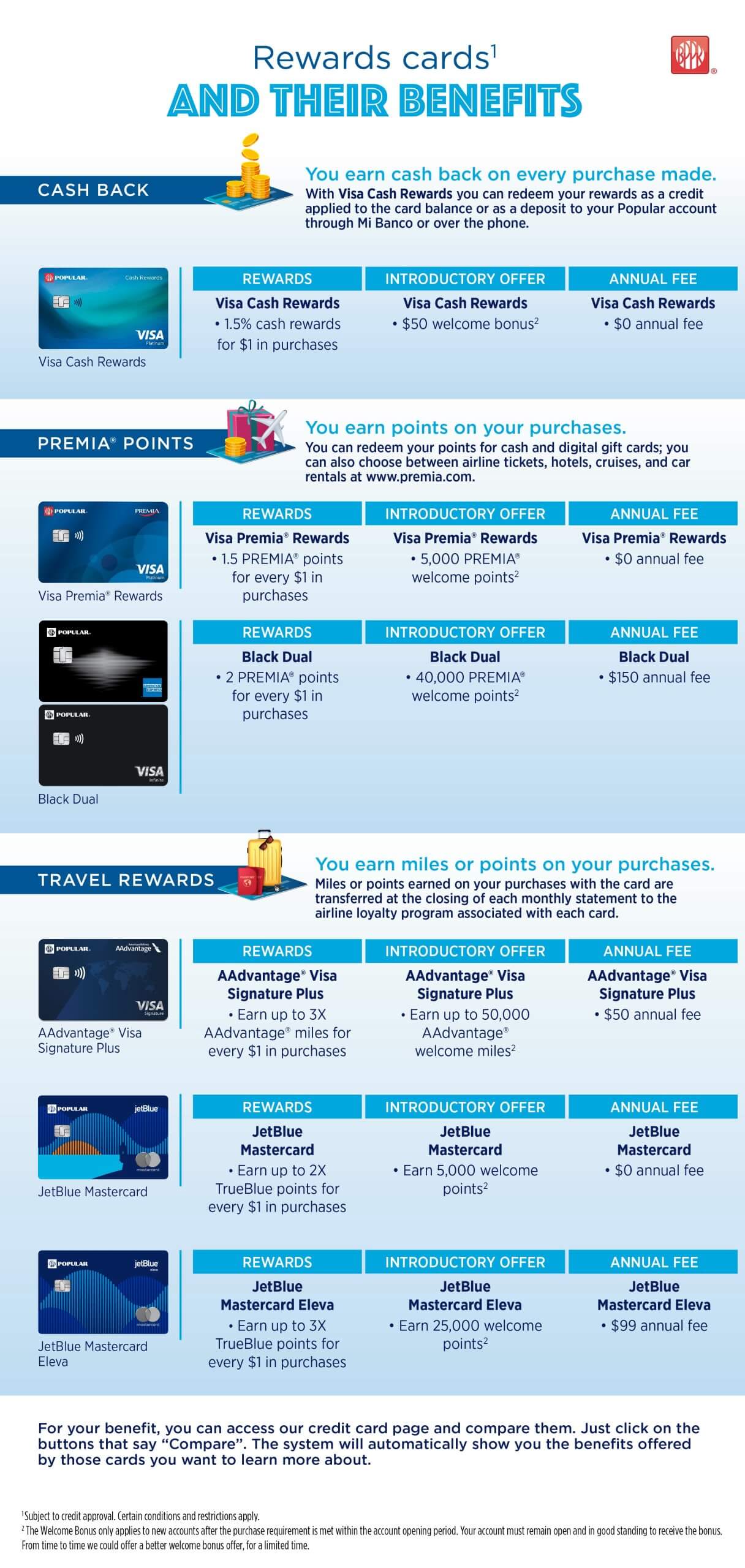
Financial goals vary from person to person. If you value simplicity and want to see an immediate reduction in your monthly expenses, a Cash Back card is likely your best fit. These cards provide a straightforward return on your investment, usually ranging from 1% to 5% of your purchase price.
If you have a “wanderlust” mindset and want to use your daily spending to fund luxury vacations, Travel Reward cards are the superior choice. These cards earn points or miles that can be transferred to airline or hotel partners, often yielding a higher “per point” value than cash back.
Finally, if you are currently carrying a balance on another high-interest card, your primary objective should be debt reduction. In this case, a Balance Transfer card with a 0% introductory APR is the most logical choice, as it allows you to pay down the principal without accruing additional interest.
Decoding the Different Types of Credit Cards
Once you understand your goals, you can navigate the various categories of cards. Each category serves a different purpose within the “Money” niche of personal finance.
Cash Back Cards: Simple and Effective
Cash back cards are the workhorses of the credit world. They generally fall into three sub-types:
- Flat-Rate: These cards offer a consistent percentage (e.g., 2%) on every purchase. They are ideal for those who don’t want to track spending categories.
- Tiered: These offer higher rewards in specific areas (e.g., 3% on dining, 2% on gas, 1% elsewhere).
- Rotating Categories: These provide high rewards (often 5%) on categories that change every quarter. While lucrative, they require active management to “activate” the categories.
Travel Reward Cards: For the Frequent Flyer
Travel cards are divided into “General Travel” and “Co-branded” cards. General travel cards earn points that can be spent on any travel expense (flights, hotels, car rentals) or transferred to various partners. Co-branded cards are tied to a specific airline (like Delta or United) or hotel chain (like Marriott or Hilton). These are best for brand-loyal consumers who want specific perks like free checked bags, airport lounge access, or elite status upgrades.
Balance Transfer and Low-Interest Cards: Debt Management Tools
These cards are less about rewards and more about financial health. If you are paying 20% interest on a $5,000 balance, you are losing money every month. A balance transfer card allows you to move that debt to a new card with 0% interest for 12 to 21 months. This is a powerful tool for those committed to becoming debt-free, provided they don’t use the new card for additional spending.
Secured Cards: Building Credit from Scratch
For individuals with no credit history or a damaged credit score, secured cards are the “entry-level” option. They require a refundable security deposit, which usually serves as your credit limit. While they rarely offer high rewards, their primary value is the reporting of positive payment history to credit bureaus, which eventually allows the user to graduate to more lucrative “unsecured” cards.
Evaluating the Fine Print: Fees, APR, and Terms
A card that looks great on the surface can be a financial liability if you don’t understand the underlying terms. To truly know if a card is right for you, you must calculate the “Net Value.”
The Impact of Annual Fees
Many of the best reward cards come with an annual fee, ranging from $95 to over $600. It is a common mistake to avoid annual fees entirely. Instead, perform a “break-even” analysis. If a card costs $95 a year but provides a $200 annual hotel credit and higher reward tiers that earn you an extra $300 in cash back, the card is effectively “paying” you $405 to hold it. However, if you don’t use the specific perks (like Uber credits or lounge access), a no-annual-fee card is the smarter financial move.
Understanding APR and Interest Charges
The Annual Percentage Rate (APR) is the cost of borrowing. If you plan to pay your balance in full every month—which is the golden rule of responsible credit card use—the APR is largely irrelevant. However, if you occasionally carry a balance, a high APR can quickly negate any rewards you’ve earned. For those who cannot guarantee a zero balance every month, prioritizing a “Low-Interest” card over a “Rewards” card is essential for long-term financial stability.
Hidden Terms: Foreign Transaction Fees and Late Penalties
If you travel internationally, a card with a 3% foreign transaction fee can be a costly surprise. Always look for “No Foreign Transaction Fee” cards if you spend money outside your home country. Additionally, check the “Schumer Box”—the standardized table of fees—to understand the penalties for late payments, which can include both a flat fee and a “Penalty APR” that spikes your interest rate to nearly 30%.
The Strategy of Maximizing Card Benefits
Choosing the right card is only half the battle; the other half is utilizing it strategically to optimize your personal finances.
Welcome Bonuses and Sign-up Offers
The fastest way to see a return on a new credit card is through the “Sign-up Bonus” (SUB). These offers typically grant a large lump sum of points or cash back after you spend a certain amount (e.g., $3,000) within the first three months. For a strategic spender, timing a new card application with a large planned purchase—like a new appliance or a vacation—can result in a “discount” of 10% to 20% in the form of the bonus.
Utilizing Purchase Protections and Insurance
Beyond points and cash, high-quality credit cards offer “invisible” benefits that can save you thousands. These include:
- Extended Warranty: Adding an extra year of protection to electronics or appliances.
- Purchase Protection: Covering items that are stolen or damaged shortly after purchase.
- Trip Cancellation Insurance: Reimbursing you for non-refundable travel expenses if your trip is interrupted.
- Cell Phone Protection: Providing insurance against theft or damage simply for paying your monthly bill with the card.
Credit Score Maintenance and Responsible Utilization
Your credit card is a reflection of your financial trustworthiness. To keep the card “good for you” in the long term, you must manage your Credit Utilization Ratio. This is the amount of credit you are using compared to your total limit. Keeping this ratio below 30%—and ideally below 10%—is the most effective way to maintain a high credit score, which in turn gives you access to the best interest rates on mortgages and car loans in the future.
Conclusion: Making Your Final Selection
The question of “what credit card is best for me” does not have a single answer; it has a personalized one. The best card for you is the one that rewards the spending you were already going to do, fits within your ability to manage debt, and provides benefits that exceed any annual cost.
By identifying your spending categories, choosing the right reward structure (cash vs. travel), and carefully vetting the fees and APR, you transform the credit card from a potential debt trap into a powerful engine for wealth and convenience. Remember, the goal of personal finance is to make your money work for you—and the right credit card is one of the most effective ways to do exactly that. Take the time to compare, read the fine print, and choose a card that reflects where you are today and where you want your finances to be tomorrow.
aViewFromTheCave is a participant in the Amazon Services LLC Associates Program, an affiliate advertising program designed to provide a means for sites to earn advertising fees by advertising and linking to Amazon.com. Amazon, the Amazon logo, AmazonSupply, and the AmazonSupply logo are trademarks of Amazon.com, Inc. or its affiliates. As an Amazon Associate we earn affiliate commissions from qualifying purchases.