
The question “What credit card can I get?” is often the starting point for a broader journey toward financial literacy and empowerment. With thousands of options on the market, from basic secured cards to elite travel rewards programs, the landscape can appear overwhelming. However, the answer is not determined by the banks alone, but by a combination of your financial history, your current income, and your long-term goals. Navigating this selection process requires a strategic approach that balances your immediate needs with the long-term impact on your credit health.
Choosing a credit card is more than a simple transaction; it is a partnership with a financial institution that can either accelerate your wealth-building or hinder your progress with high-interest debt. To find the right fit, you must look inward at your credit profile and outward at the competitive offerings designed for different consumer personas.
Understanding Your Credit Profile: The Starting Point
Before you begin browsing the glossy marketing pages of major lenders, you must understand the data they will use to evaluate you. Your credit profile is the primary filter that determines which cards are within your reach.
The Role of Credit Scores
The most significant factor in your eligibility is your credit score, typically calculated using the FICO or VantageScore models. These scores range from 300 to 850 and serve as a shorthand for your creditworthiness. Generally, the market is segmented into five tiers:
-
Excellent (800–850): At this level, you have the pick of the litter. You are eligible for the lowest interest rates and the most prestigious rewards cards.
-
Very Good (740–799): You will qualify for the vast majority of cards, including premium travel and high-yield cashback options.
-
Good (670–739): This is the “average” range. You are likely to be approved for most mid-tier cards, though you may not get the highest credit limits.
-
Fair (580–669): Options become more limited. You may be approved for “unsecured” cards, but they often come with higher interest rates and fewer rewards.
-
Poor (300–579): Approval for traditional cards is difficult. You will likely need to start with a secured card to build your history.
Knowing where you stand allows you to target cards that align with your score, preventing unnecessary “hard inquiries” on your report that can temporarily lower your score.
Analyzing Your Credit History
A score is just a number, but your credit report is the story behind it. Lenders look at the length of your credit history, your payment consistency, and your credit utilization ratio—how much of your available credit you are actually using. If you have a 720 score but only six months of history, you might still be declined for a high-end card that requires several years of established management. Conversely, a history marked by late payments or collections will weigh more heavily than a slightly lower score caused by high utilization.
Categorizing Cards Based on Financial Goals
Once you know your score, you must define the purpose of the card. Are you looking to earn money back on daily purchases, fund a vacation, or repair a damaged financial reputation?
Rewards and Cashback for Optimizers
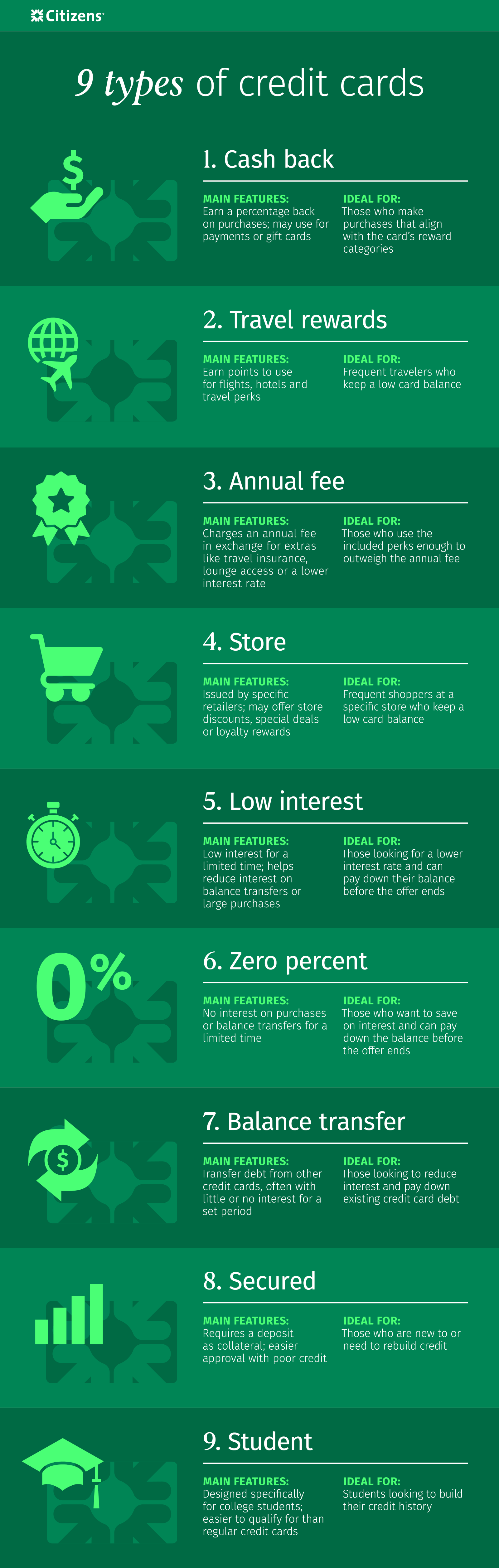
For those with good to excellent credit, rewards cards are the gold standard. These are divided into two main types: cashback and points/miles.
Cashback cards provide a straightforward return on investment. Some offer a flat rate (e.g., 2% on every purchase), which is ideal for those who want a “set it and forget it” strategy. Others offer tiered rewards, providing 3% to 5% on specific categories like groceries, gas, or dining. This requires more management but can yield higher returns if your spending aligns with the categories.
Points and miles cards are geared toward travelers. Instead of cash, you earn currency that can be redeemed for flights, hotel stays, or transfers to travel partners. The value of these points often exceeds the value of cashback if you are willing to navigate the complexities of redemption.
Low-Interest and Balance Transfer Cards for Debt Management
If you are carrying a balance on a high-interest card, the best card you can get is one that helps you pay it off. Balance transfer cards offer a 0% introductory APR period, often ranging from 12 to 21 months. By moving high-interest debt to one of these cards, every dollar of your payment goes toward the principal rather than interest.
It is important to note that these cards often charge a balance transfer fee (usually 3% to 5%). However, for most people, the savings on interest far outweigh the initial fee. The key to success with these cards is discipline; they are tools for debt elimination, not for further spending.
Secured Cards for Credit Building
For those with poor credit or no credit history at all, the “what can I get” answer is often a secured credit card. Unlike traditional cards, these require a refundable security deposit that typically acts as your credit limit.
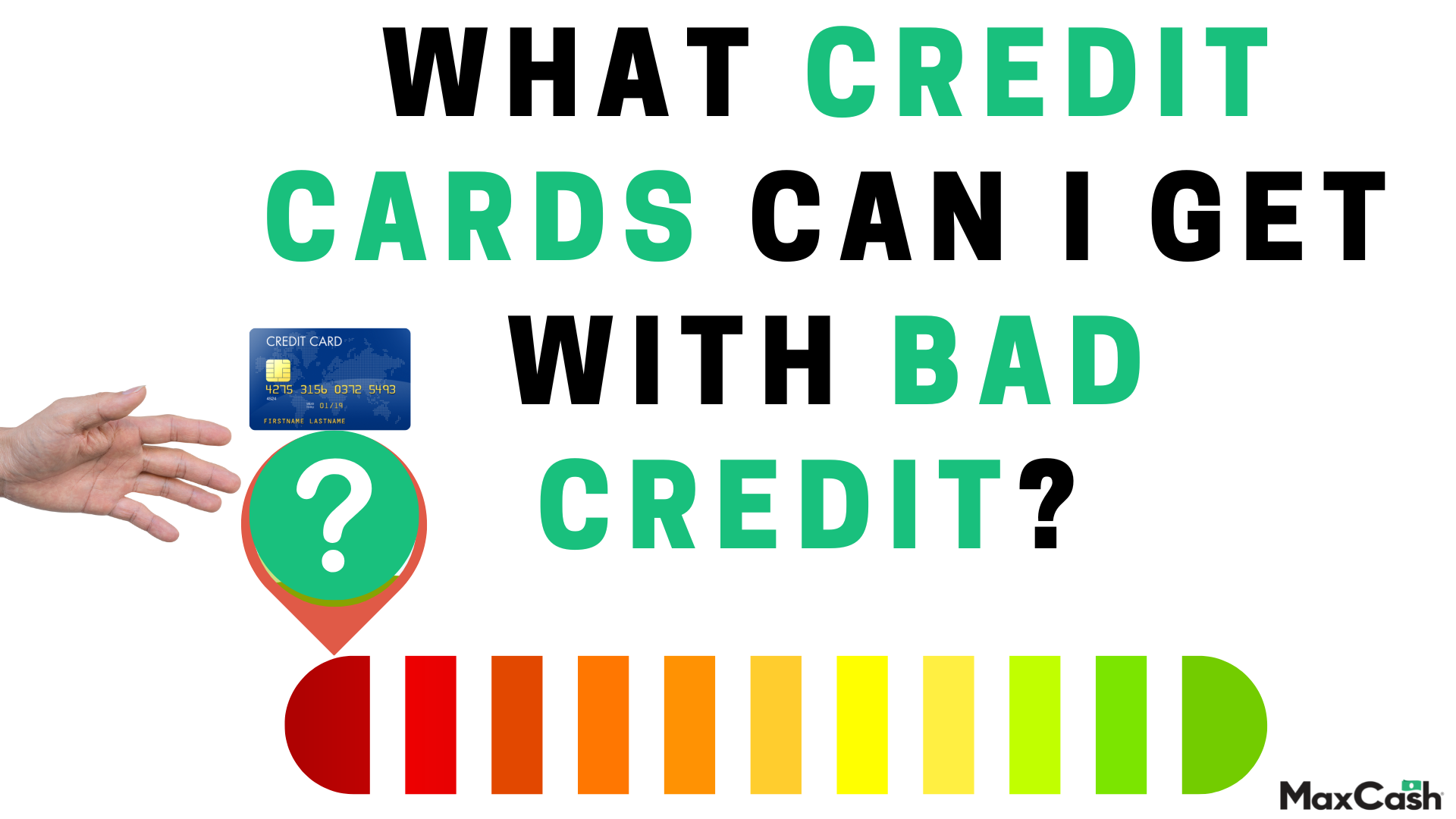
Secured cards are low-risk for the bank but high-reward for the user. Because the lender reports your activity to the credit bureaus, consistent on-time payments will gradually increase your score. Many modern secured cards now offer paths to “graduate” to an unsecured card, where your deposit is returned and your limit is increased after a period of responsible use.
Navigating the Approval Process
The mechanics of applying for a card have evolved. It is no longer a matter of “apply and hope.” There are strategic steps to take to maximize your chances of approval.
Pre-qualification vs. Pre-approval
Many major issuers offer pre-qualification or pre-approval tools on their websites. These tools use a “soft pull” of your credit report, which does not affect your score. By entering a few basic details, you can see which cards the bank thinks you are likely to be approved for. While not a guarantee, it significantly narrows the field to cards that are realistic for your profile.
Understanding Income Requirements and Debt-to-Income Ratios
Lenders are required by law to ensure that a borrower has the ability to repay their debt. This means your income is a vital part of the application. For those under 21, the rules are stricter, often requiring proof of independent income. For those over 21, you can often include “household income”—money you have a reasonable expectation of access to, such as a spouse’s salary.
Furthermore, lenders look at your Debt-to-Income (DTI) ratio. If a large portion of your monthly income is already going toward rent, car loans, or student debt, a bank may be hesitant to extend further credit, even if your credit score is high.
Matching Lifestyle to Card Benefits
The “best” card is subjective. A card that is perfect for a consultant who spends 100 nights a year in hotels is likely a poor choice for a suburban family focused on minimizing their grocery bill.
Travel Seekers and Premium Perks
Premium travel cards often come with high annual fees, ranging from $95 to $695. For the casual traveler, these fees can be daunting. However, for those who value lounge access, global entry credits, and high-multiplier rewards on travel bookings, the benefits often pay for the fee several times over. When evaluating these, you must perform a “breakeven analysis”: if the fee is $250, does the card provide at least $250 in tangible value through credits and rewards?
Daily Essentials: Groceries, Gas, and Dining
For the majority of consumers, the most effective cards are those that reward “everyday” spending. Look for cards that offer “bonus categories” that match your highest budget items. If you spend $800 a month on groceries, a card offering 6% back at supermarkets is a powerful tool. If you commute long distances, a card with 4% back on gas is a priority. The goal is to turn your mandatory expenses into a revenue stream.
The Long-Term Impact of Your Choice
Selecting a credit card is the beginning of a long-term financial relationship. Beyond the initial sign-up bonus or the sleek metal design of the card, the long-term impact on your financial health should be the deciding factor.
Avoiding Common Pitfalls: Fees and Interest
The most dangerous aspect of any credit card is the interest rate (APR). Unless you are using a 0% APR card for a specific period, you should treat the interest rate as if it doesn’t exist by paying your balance in full every month. If you anticipate carrying a balance, a rewards card is the wrong choice, as the interest will quickly cancel out any rewards earned.
Additionally, be wary of “hidden” fees. Beyond the annual fee, look at foreign transaction fees (essential if you travel or buy from international sites), late payment fees, and over-limit fees. A card that seems lucrative but is riddled with fees can quickly become a liability.
Strategic Card Management
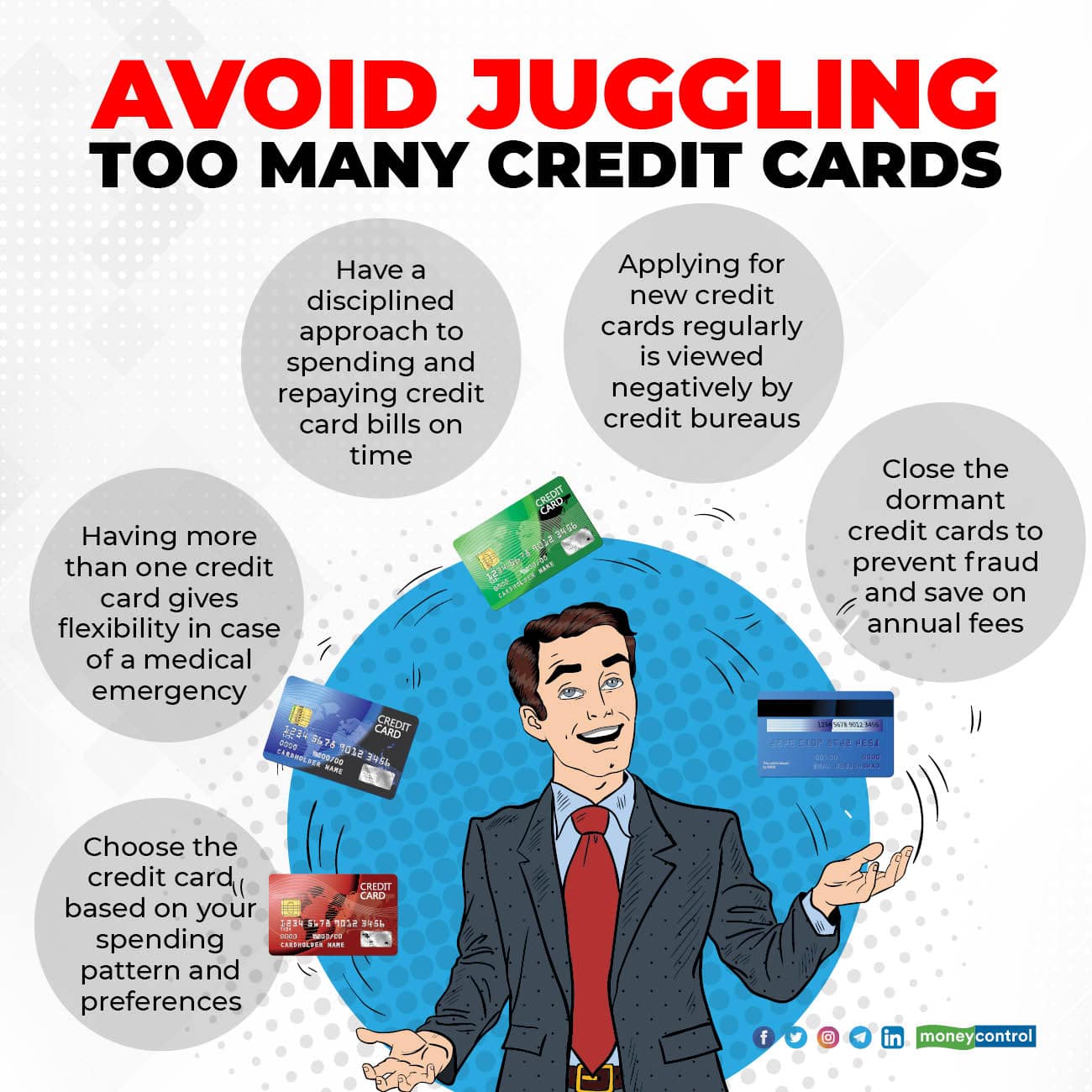
Once you have determined what card you can get and have successfully applied, the focus shifts to management. Your credit score is dynamic. By obtaining a card and using it responsibly—keeping utilization below 30% and never missing a payment—you improve your profile.
As your credit improves, the answer to “What credit card can I get?” changes. You may start with a secured card, move to a basic cashback card after a year, and eventually qualify for a premium travel card. This progression is a hallmark of a healthy financial life.
In conclusion, finding the right credit card requires an honest assessment of your current financial standing and a clear vision of your goals. By understanding the tiers of credit, leveraging pre-approval tools, and matching card benefits to your actual spending habits, you can transform a simple piece of plastic into a sophisticated engine for financial growth. The right card is not the one with the most prestige, but the one that provides the most utility while strengthening your overall credit health.
aViewFromTheCave is a participant in the Amazon Services LLC Associates Program, an affiliate advertising program designed to provide a means for sites to earn advertising fees by advertising and linking to Amazon.com. Amazon, the Amazon logo, AmazonSupply, and the AmazonSupply logo are trademarks of Amazon.com, Inc. or its affiliates. As an Amazon Associate we earn affiliate commissions from qualifying purchases.