
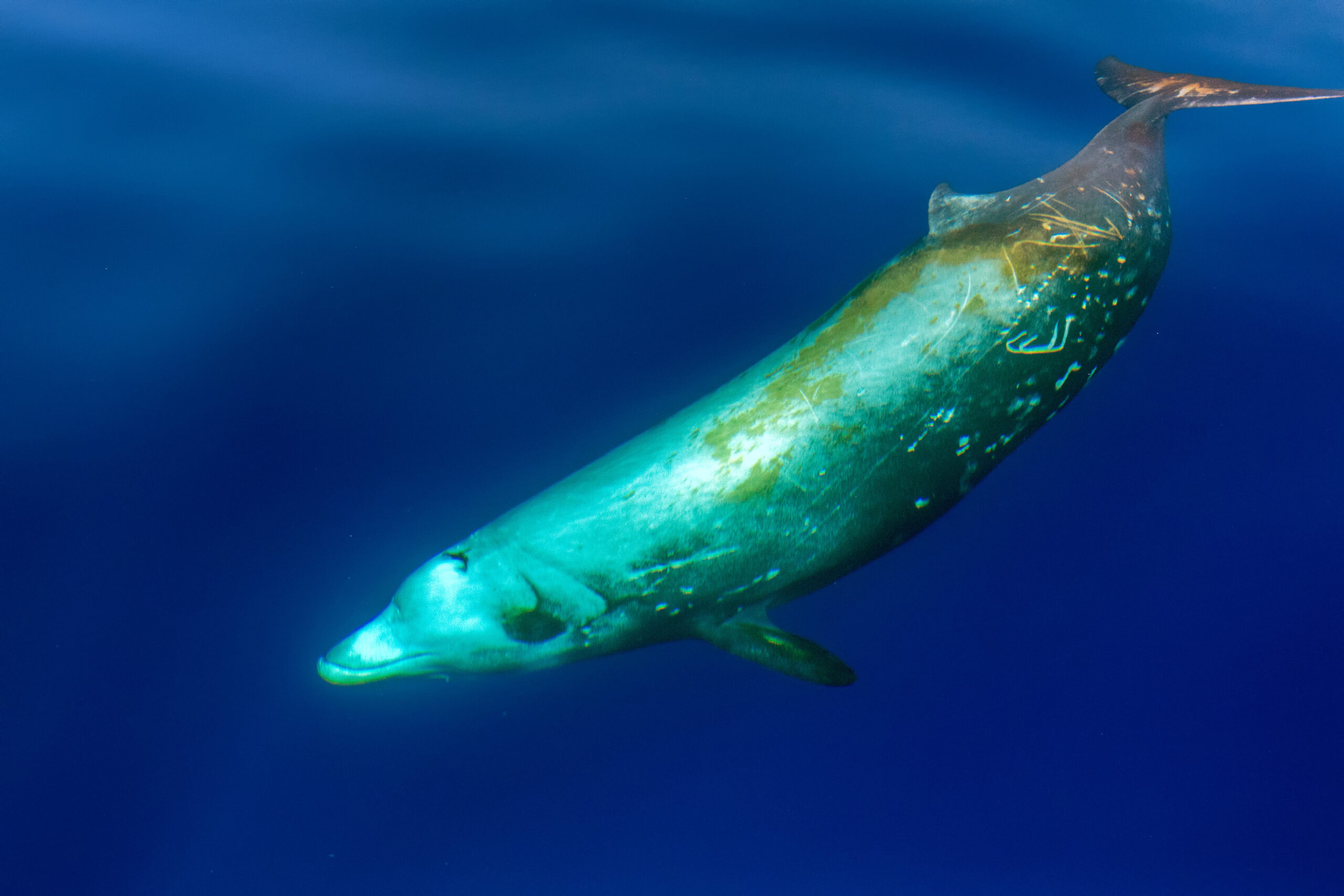
The question of what creature can hold its breath underwater for an astounding 30 minutes might conjure images of mythical sea serpents or incredibly rare, deep-sea dwellers. However, the answer lies within a familiar and remarkably capable group of mammals: whales. Specifically, while many whale species possess impressive breath-holding abilities, the champion in this regard, and the likely subject of our inquiry, is the sperm whale.
While 30 minutes is a significant duration, sperm whales are known to surpass this mark, with some observations suggesting dives lasting up to 90 minutes. This incredible feat isn’t just a party trick; it’s a sophisticated adaptation essential for their survival, enabling them to hunt deep-sea prey in a world where air is a luxury. Understanding how these colossal marine mammals achieve such prolonged submersion offers a fascinating glimpse into the intersection of biology, adaptation, and even the potential for technological inspiration.

This exploration will delve into the physiological marvels that allow sperm whales to thrive underwater, touching upon how these natural abilities might inspire advancements in technology, marketing, and financial strategies. While the immediate answer points to biology, the implications of such extreme adaptation resonate across various domains that our website explores.
The Biological Engineering of a Champion Breath-Holder
The sperm whale’s ability to hold its breath for extended periods is a testament to evolutionary engineering. It’s not simply a matter of having large lungs; rather, it’s a complex interplay of physiological adaptations that minimize oxygen consumption and maximize oxygen storage and utilization.
Oxygen Storage: More Than Just Lungs
One of the primary secrets to a sperm whale’s breath-holding prowess lies in its blood and muscle oxygen storage. While humans have a limited oxygen capacity primarily in their lungs, whales have significantly higher concentrations of oxygen-binding proteins.
- Myoglobin in Muscles: Sperm whales possess an extraordinary amount of myoglobin in their muscles. Myoglobin is a protein that stores oxygen directly in muscle tissue, allowing the muscles to continue functioning even when the blood supply is restricted or oxygen levels are low. This is crucial for the immense muscular effort required for deep dives. The concentration of myoglobin in a sperm whale’s muscles can be ten to thirty times higher than in terrestrial mammals. This means their muscles are essentially giant oxygen reservoirs.
- Hemoglobin in Blood: Similarly, their blood is highly oxygenated, thanks to a greater volume of blood and a higher concentration of hemoglobin. Hemoglobin is the protein in red blood cells responsible for transporting oxygen from the lungs to the rest of the body. The sheer volume of blood they carry, coupled with the efficiency of their hemoglobin, allows them to carry a substantial oxygen load.
Minimizing Oxygen Consumption: A Masterclass in Efficiency
Beyond storage, sperm whales are masters of reducing their oxygen demand during dives. This involves a series of physiological responses that prioritize essential functions and shut down or reduce non-critical ones.
- Bradycardia (Slowing Heart Rate): During a dive, a sperm whale’s heart rate dramatically slows down. This reduces the rate at which oxygenated blood is circulated throughout the body, conserving precious oxygen. This bradycardia can be so profound that their heart rate can drop to just a few beats per minute.
- Peripheral Vasoconstriction: Blood flow is shunted away from extremities and non-essential organs towards the heart, brain, and muscles. This ensures that the most vital organs receive the oxygenated blood they need to function. The skin, for example, receives significantly less blood flow, which also helps to minimize heat loss in the cold ocean depths.
- Lungs Collapse: While their lungs are not the primary oxygen store, they do play a role. During deep dives, the lungs are allowed to collapse to reduce the buoyancy of the whale and to prevent nitrogen from dissolving into the bloodstream under the immense pressure of the deep sea. This also forces residual air from the lungs into the upper airways, reducing the risk of decompression sickness (the “bends”).
Other Adaptations:
- Efficient Exhalation: Sperm whales exhale a significant portion of their lung volume before diving, which helps to prevent nitrogen absorption and reduces buoyancy.
- Tolerating High CO2 Levels: Their bodies are adapted to tolerate much higher levels of carbon dioxide than humans, which is a byproduct of respiration. This allows them to continue functioning without the immediate urge to breathe.
These biological mechanisms work in concert to enable sperm whales to undertake some of the deepest and longest dives of any mammal on Earth, a truly remarkable feat of natural engineering.
Technological Inspiration: From Marine Mammals to Human Innovation
The extraordinary abilities of sperm whales have long captivated scientists and engineers, sparking ideas for technological advancements. The principles behind their efficient oxygen management and deep-diving capabilities offer a rich source of inspiration for various tech sectors.
Biomimicry in Submersible Design and Life Support Systems
The concept of biomimicry, where human designs are inspired by nature, is directly applicable here. The engineering challenges faced by sperm whales – operating under extreme pressure, managing limited oxygen, and navigating vast, dark environments – are remarkably similar to those faced by submersibles and divers.
- Advanced Life Support Systems: Imagine life support systems in spacecraft or submarines that can mimic the whale’s ability to conserve and re-utilize oxygen. Instead of relying on bulky oxygen tanks, future systems might employ more efficient oxygen regeneration technologies, inspired by the whale’s physiological adaptations. This could lead to longer mission durations and reduced payload weight.
- Pressure Management: The whale’s ability to withstand immense pressure without collapsing offers insights into material science and structural design for deep-sea exploration vehicles. Understanding how their flexible yet robust bodies cope with crushing forces could inform the development of more resilient and efficient submersible hulls.
- AI for Navigation and Hunting: The sperm whale’s sophisticated echolocation system, used for navigation and hunting in the dark depths, is a marvel of biological sonar. This can inspire advancements in underwater robotics, autonomous underwater vehicles (AUVs), and sonar technology used for exploration, surveying, and even military applications. AI algorithms designed to interpret complex acoustic data could be trained using principles derived from whale echolocation.
Data Compression and Efficient Communication
While not directly related to breath-holding, the sheer volume of data a sperm whale’s brain processes for echolocation and communication is immense. This can inspire research into more efficient data compression techniques and bio-inspired communication protocols. In an age of ever-increasing data streams, finding novel ways to encode and transmit information, perhaps by drawing parallels with biological signaling, is a significant area of technological pursuit.
The application of these principles can extend beyond pure engineering. The efficiency and resilience demonstrated by these marine mammals can inform strategic thinking in fields like marketing and finance, albeit through a more abstract lens.
Brand Strategy and Reputation: The Unseen Power of Depth and Resilience
While a sperm whale’s breath-holding ability is a direct biological function, its implications can be metaphorically applied to the strategic thinking behind brands and their reputation. The principles of endurance, efficient resource management, and deep exploration resonate strongly in the business world.
Deep Dive into Market Research and Consumer Understanding
Just as a sperm whale dives deep into the ocean to find its prey, a successful brand must “dive deep” into understanding its market and consumers. This involves more than superficial surveys; it requires uncovering the underlying needs, desires, and pain points of the target audience.
- Unearthing Hidden Needs: A brand that can identify unmet or latent consumer needs, much like a sperm whale finding prey in the deep, gains a significant competitive advantage. This requires sophisticated market research methodologies, qualitative analysis, and a willingness to explore beyond the obvious.
- Long-Term Brand Vision: The sperm whale’s sustained dives suggest a long-term strategy. Similarly, brands need to cultivate a long-term vision, rather than focusing solely on short-term gains. This involves building a strong brand identity, fostering customer loyalty, and adapting to market changes without compromising core values.
Reputation Management: The Resilience of a Deep Diver
A brand’s reputation is akin to its ability to navigate challenging environments. A strong reputation, like a sperm whale’s robust physiology, can withstand significant pressure and scrutiny.
- Crisis Management as a Deep Dive: When a brand faces a crisis, its response strategy can be informed by the principles of efficient oxygen management. Just as a whale conserves oxygen for essential functions, a brand in crisis must prioritize clear, honest communication and decisive action to protect its core values and its relationship with stakeholders. This means shunting resources (attention, efforts) towards critical issues, rather than being flustered by peripheral noise.
- Building Enduring Trust: The sperm whale’s consistent ability to return to the surface and breathe underscores reliability. Brands that consistently deliver on their promises, maintain transparency, and act with integrity build enduring trust with their audience. This resilience, honed over time, is what allows a brand to weather storms and maintain a strong market position.
The comparison highlights that true strength and success often come from deep-seated capabilities and strategic resilience, not just surface-level appearances.
Financial Strategies: Mastering the Depths of Investment and Income
The concept of “holding one’s breath” for extended periods can also be a powerful metaphor for financial planning, particularly in the realms of investment and income generation. It speaks to patience, strategic resource allocation, and the ability to withstand market volatility.
Long-Term Investing: The “Deep Dive” Approach
Just as a sperm whale can’t afford to surface frequently for air, long-term investors cannot afford to be overly reactive to short-term market fluctuations.
- Patience as a Virtue: The ability to hold one’s breath for 30 minutes or more is a testament to incredible patience. In investing, this translates to a patient approach to wealth building. Instead of chasing quick gains through speculative trading, a “deep dive” investor focuses on solid, long-term growth opportunities, understanding that markets ebb and flow.
- Diversification as Oxygen Storage: A sperm whale has multiple oxygen stores. Similarly, a well-diversified investment portfolio acts as a form of financial “oxygen storage.” By spreading investments across different asset classes (stocks, bonds, real estate, etc.), investors reduce their reliance on any single sector and can better withstand downturns.
- Understanding Risk and Reward at Depth: The sperm whale endures the pressure of the deep for a reward. Investors must similarly understand and accept the inherent risks associated with different investment strategies to achieve potentially higher rewards. This involves thorough research and a clear understanding of one’s risk tolerance.
Side Hustles and Online Income: Sustained Effort for Long-Term Gains
The concept of holding one’s breath can also apply to the sustained effort required to build successful side hustles and online income streams.
- The Marathon, Not the Sprint: Building a profitable online business or side hustle often requires consistent, dedicated effort over an extended period. Like a whale’s dive, it’s a marathon, not a sprint. Early efforts might not yield immediate, significant results, but persistent work, fueled by a clear strategy, can lead to substantial long-term income.
- Resourcefulness and Efficiency: Sperm whales are incredibly efficient with their oxygen. Similarly, individuals building online income need to be resourceful and efficient with their time, energy, and any capital they invest. This might involve leveraging free tools, automating processes, and continuously learning to optimize their efforts.
- Navigating Market “Pressures”: The online world, like the ocean, can have its own “pressures” – algorithm changes, increased competition, economic shifts. A resilient online entrepreneur, much like a whale, can adapt and continue to perform by understanding these pressures and adjusting their strategy without panicking.
By drawing parallels with the biological marvel of the sperm whale, we can glean valuable insights into how to approach technological innovation, build robust brands, and cultivate sound financial strategies. The answer to “what creature can hold its breath underwater for 30 minutes” is not just a biological curiosity, but a wellspring of inspiration for human ingenuity and perseverance.
aViewFromTheCave is a participant in the Amazon Services LLC Associates Program, an affiliate advertising program designed to provide a means for sites to earn advertising fees by advertising and linking to Amazon.com. Amazon, the Amazon logo, AmazonSupply, and the AmazonSupply logo are trademarks of Amazon.com, Inc. or its affiliates. As an Amazon Associate we earn affiliate commissions from qualifying purchases.