
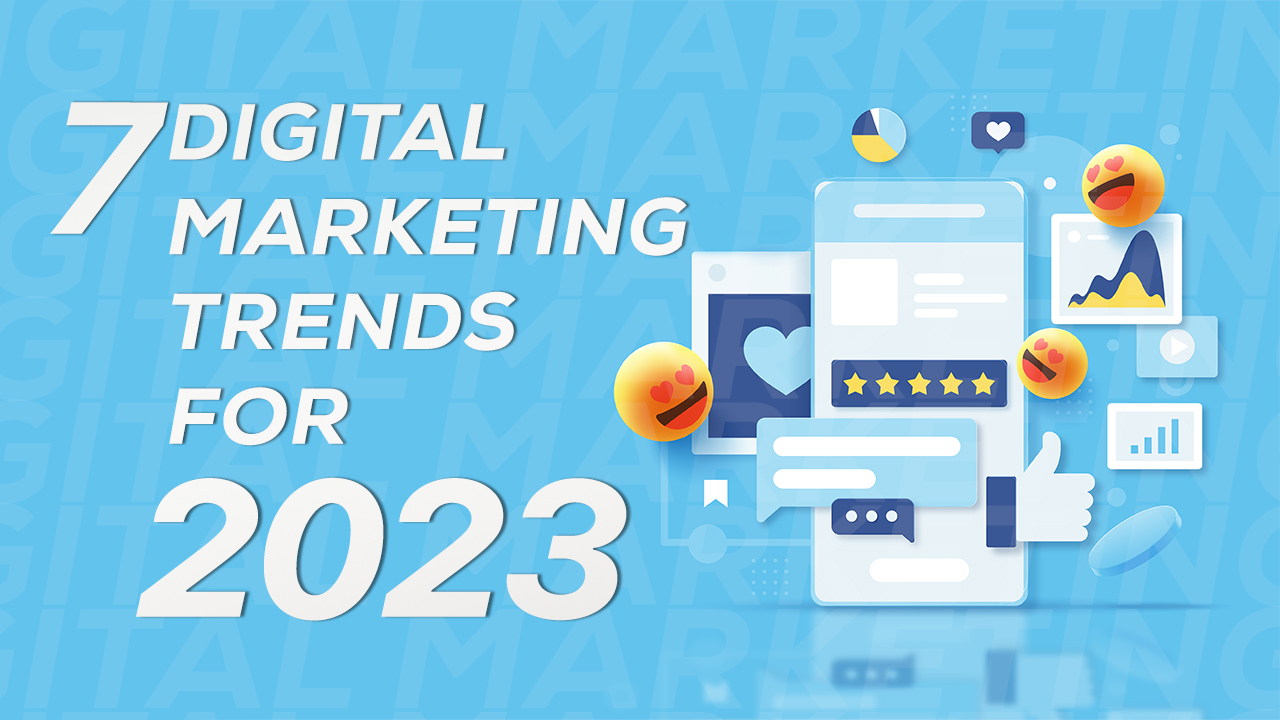
The digital landscape is a relentless torrent of innovation, constantly reshaping how businesses connect with their audiences. For marketers, 2023 is not just another year; it’s a pivotal moment demanding agility, strategic foresight, and an embrace of emerging technologies. From the burgeoning power of artificial intelligence to the renewed emphasis on data privacy and the exciting prospects of immersive digital worlds, understanding these shifts is paramount. In this article, we’ll explore the key digital marketing trends that are defining 2023, analyzing how they intertwine with technological advancements, brand strategy, and the ultimate goal of driving financial success. As we navigate these trends, we’ll see how integrating cutting-edge tech, building robust brand narratives, and optimizing for tangible financial returns are no longer separate endeavors but integral components of a cohesive and successful digital marketing strategy.
The AI Revolution: Intelligence at the Core of Digital Strategy
Artificial Intelligence (AI) has transcended its buzzword status to become an indispensable engine for digital marketing. In 2023, AI is not just automating tasks; it’s providing unprecedented insights, enabling hyper-personalization, and transforming content creation workflows. Its integration across various marketing functions is fundamentally altering the competitive landscape, making it a cornerstone for any forward-thinking brand.
Hyper-Personalization and Customer Experience
One of AI’s most profound impacts is its ability to facilitate hyper-personalization at scale. Gone are the days of one-size-fits-all messaging. AI-powered analytics can process vast amounts of customer data – including browsing history, purchase patterns, demographic information, and real-time behavior – to create highly individualized customer profiles. This allows marketers to deliver tailored content, product recommendations, and offers that resonate deeply with each individual. From personalized email campaigns to dynamic website content and customized ad experiences, AI drives engagement by making every interaction feel unique and relevant. This isn’t just about making customers feel special; it’s about increasing conversion rates and fostering deeper loyalty, directly impacting a brand’s financial bottom line through improved customer lifetime value. For businesses, adopting AI tools that can interpret complex customer journeys and predict future needs is no longer optional but a strategic imperative to craft superior customer experiences.
Content Creation and Optimization at Scale
The demand for fresh, engaging content is insatiable, yet the resources for creating it are often limited. Here, AI tools are emerging as game-changers. Generative AI, for instance, can assist in drafting blog posts, social media captions, email subject lines, and even video scripts, significantly accelerating the content production process. While human oversight remains crucial for maintaining brand voice and ensuring accuracy, AI frees up creative teams to focus on higher-level strategy and innovative concepts. Furthermore, AI-driven tools can analyze content performance in real-time, identifying what resonates best with specific audiences, optimizing headlines, image choices, and call-to-actions for maximum impact. This extends beyond text, with AI capable of assisting in image generation, video editing, and even voiceovers. The ability to produce high-quality, optimized content more efficiently translates directly into cost savings and increased productivity, allowing brands to maintain a consistent and compelling presence across all digital channels without overstretching their budgets.
Predictive Analytics and Strategic Decision-Making
Beyond creating content and personalizing interactions, AI’s analytical capabilities are empowering marketers with a level of foresight previously unattainable. Predictive analytics, powered by machine learning algorithms, can forecast future trends, anticipate customer churn, identify emerging market opportunities, and optimize campaign spending. By analyzing historical data and identifying patterns, AI can help businesses make more informed, data-driven decisions about everything from product development to media buying. It can pinpoint which marketing channels offer the highest ROI, identify potential leads with the greatest conversion likelihood, and even predict the optimal time to launch a campaign. This strategic application of AI directly contributes to better financial planning, reduced marketing waste, and a higher return on investment for marketing initiatives. Embracing these AI tools allows brands to move from reactive marketing to proactive, intelligent strategies that drive sustainable growth.
Engaging Audiences: Visual Storytelling and Immersive Experiences
In an increasingly crowded digital space, capturing and retaining audience attention requires more than just compelling messages; it demands captivating experiences. 2023 is seeing a surge in visual storytelling and immersive content formats that draw users into a brand’s world, creating deeper connections and fostering stronger communities.
The Dominance of Short-Form Video Content
Short-form video continues its reign as a dominant force in digital marketing. Platforms like TikTok, Instagram Reels, and YouTube Shorts have conditioned audiences to consume information in quick, digestible, and highly entertaining snippets. For brands, this presents an unparalleled opportunity to convey personality, showcase products, and tell stories in authentic and engaging ways. The ephemeral nature and rapid virality of short videos make them ideal for trendjacking, behind-the-scenes glimpses, educational content, and quick promotions. Success in this format hinges on creativity, authenticity, and understanding platform-specific nuances. Brands that master short-form video can achieve massive reach, foster direct interaction, and build a vibrant community around their content, transforming casual viewers into loyal followers and ultimately, customers. The ability to quickly produce and iterate on video content, often with minimal budgets, offers a high return on engagement for savvy marketers.
Interactive Experiences and Augmented Reality
Beyond passive viewing, interactive content is stepping into the spotlight, inviting users to actively participate rather than just observe. Quizzes, polls, interactive infographics, and choose-your-own-adventure narratives are proving highly effective in boosting engagement and gathering valuable first-party data. A significant driver of this trend is Augmented Reality (AR). AR filters on social media platforms, virtual try-on features for fashion and beauty brands, and AR-enhanced advertising experiences are bridging the gap between the digital and physical worlds. Users can virtually place furniture in their homes, try on glasses, or see how makeup looks on their face – all from their smartphone. This not only enhances the customer experience but also reduces buyer friction, leading to higher conversion rates and fewer returns. Brands leveraging AR are seen as innovative and user-centric, building a modern reputation and providing memorable, shareable experiences that naturally extend their reach.
Exploring the Metaverse and Web3 for Brand Building
While still in its nascent stages, the metaverse represents the next frontier for immersive digital experiences, and brands are cautiously exploring its potential. This interconnected web of virtual worlds, powered by Web3 technologies like blockchain and NFTs, offers unprecedented opportunities for brand building. Imagine virtual storefronts, immersive product launches, branded events within virtual worlds, or even creating digital goods (NFTs) that offer exclusive access or experiences. Brands like Nike, Gucci, and Coca-Cola have already dipped their toes in, launching virtual products or experiences within platforms like Roblox and Decentraland. While a mainstream metaverse experience for all is still some years away, savvy brands are experimenting now, establishing an early presence and learning how to navigate these new digital economies. This exploration isn’t just about technology; it’s about crafting entirely new corporate identities and brand strategies for a persistent, interconnected virtual future, potentially unlocking new revenue streams and deepening community engagement through digital asset ownership.
Trust and Transparency: The Foundation of Modern Marketing
In an era of increasing data breaches, privacy concerns, and information overload, trust has become the most valuable currency in digital marketing. Consumers are more discerning than ever, demanding transparency, authenticity, and ethical practices from the brands they support.
First-Party Data Strategies in a Privacy-First World
The impending deprecation of third-party cookies by major browsers has thrust first-party data strategies into the forefront. This shift forces brands to directly collect and manage customer data, fostering a more transparent and trust-based relationship. Investing in Customer Data Platforms (CDPs) and robust data management systems is crucial for gathering, unifying, and activating this valuable information ethically. When customers willingly share their data, knowing it will be used to enhance their experience, it builds significant trust. This also presents an opportunity for brands to take ownership of their customer relationships, reducing reliance on external ad networks and potentially reducing marketing costs in the long run. Digital security practices become paramount here, ensuring that the personal information entrusted to a brand is protected against breaches, thereby safeguarding reputation and preventing costly legal and financial repercussions.
Authentic Influencer Marketing and Community Building
Influencer marketing continues to evolve, moving beyond mega-influencers to a greater emphasis on authenticity and niche expertise. Consumers are savvier, preferring genuine recommendations from trusted voices over overly polished endorsements. This has led to a rise in micro and nano-influencers, who, while having smaller followings, often boast significantly higher engagement rates and deeper connections with their specific communities. Brands are increasingly partnering with these authentic voices to tap into highly targeted audiences in a credible way. Beyond individual influencers, fostering organic brand communities – through forums, social media groups, or loyalty programs – builds a sense of belonging and advocacy. User-generated content (UGC) is another powerful tool, allowing customers to become brand storytellers. This approach not only builds stronger brand loyalty but also often delivers a higher ROI compared to traditional advertising, as content feels more genuine and less intrusive.
Ethical Marketing and Sustainability Messaging
Today’s consumers, particularly younger generations, are increasingly making purchasing decisions based on a brand’s values and ethical stance. This trend has elevated ethical marketing and sustainability messaging from a nice-to-have to a critical component of brand strategy. Brands that demonstrate genuine commitment to social responsibility, environmental stewardship, and fair practices resonate deeply with conscious consumers. This includes transparent supply chains, sustainable product development, responsible advertising practices, and contributions to social causes. However, it’s crucial that these efforts are authentic and not merely “greenwashing.” Brands must walk the talk, backing up their claims with verifiable actions and transparent reporting. Integrating sustainability into corporate identity and communicating it effectively builds a strong, positive reputation, attracts a values-aligned customer base, and can even command premium pricing, contributing positively to long-term financial health and brand equity.
Maximizing Impact: Performance, Productivity, and Profitability
In the dynamic world of digital marketing, every strategy, every campaign, and every dollar spent must be optimized for maximum impact. In 2023, the focus is squarely on measurable results, enhancing operational efficiency, and leveraging technology to drive tangible financial growth.
Data-Driven Performance Marketing and ROI Optimization
The ability to track, analyze, and optimize campaign performance in real-time is a hallmark of modern digital marketing. Performance marketing, with its emphasis on measurable outcomes like clicks, leads, and sales, is more critical than ever. In 2023, marketers are employing sophisticated analytics tools and attribution models to understand the true impact of their efforts across multiple touchpoints. This involves meticulously tracking KPIs, conducting A/B testing on everything from ad copy to landing page designs, and utilizing advanced marketing analytics platforms to pinpoint inefficiencies. The goal is clear: maximize the return on investment (ROI) for every marketing dollar spent. By continuously refining campaigns based on hard data, businesses can ensure their advertising budget is allocated most effectively, converting spend into profit and bolstering their overall financial health. This data-first approach enables agile adjustments, allowing brands to quickly capitalize on opportunities and mitigate underperforming strategies.
Marketing Automation for Enhanced Productivity
The sheer volume of tasks involved in digital marketing – from email sequences and social media scheduling to lead nurturing and customer support – can be overwhelming. Marketing automation is the antidote to this complexity, freeing up valuable human resources for strategic thinking and creative endeavors. In 2023, advanced marketing automation platforms are integrating more deeply with AI, enabling more intelligent task execution. This includes automated personalization of content, triggered email campaigns based on user behavior, AI-powered chatbots for instant customer service, and seamless integration across various marketing channels. By automating repetitive and time-consuming tasks, teams can significantly boost their productivity, reduce operational costs, and ensure consistent communication with customers around the clock. This not only makes marketing more efficient but also ensures that no lead is left unattended and that customer interactions are timely and relevant, directly impacting conversion rates and customer satisfaction.
Leveraging Technology for Financial Growth and Online Income
Digital marketing in 2023 is not just about promoting products; it’s about creating new avenues for financial growth and online income. The integration of various technological tools and platforms provides unprecedented opportunities for businesses and individuals to monetize their digital presence. This ranges from optimizing e-commerce platforms with AI-driven recommendation engines to exploring affiliate marketing and creating digital products or courses that leverage one’s expertise. Side hustles are being transformed by digital marketing principles, allowing individuals to build personal brands, attract audiences, and generate income through content creation, consulting, or selling unique digital assets. Furthermore, sophisticated financial tools are enabling better budgeting, forecasting, and investment decisions within marketing departments, linking marketing spend directly to business finance objectives. By strategically leveraging apps, software, and online tools, digital marketers are not just spending money, but actively building robust models for sustained financial growth and diverse online income streams.
The digital marketing landscape of 2023 is dynamic, demanding an integrated approach that weaves together technological prowess, compelling brand narratives, and a keen eye on financial outcomes. From the transformative power of AI in personalizing experiences and scaling content creation to the critical importance of trust in a privacy-first world, and the immersive potential of short-form video and the metaverse – each trend offers both challenges and immense opportunities. Brands that succeed will be those that embrace innovation, prioritize transparency, and consistently optimize for measurable impact. The intersection of tech advancements, strategic brand building, and savvy financial management is no longer a future concept but the present reality for achieving sustained success in the digital arena. Staying ahead in this evolving environment means continuous learning, agile adaptation, and a readiness to harness the next wave of digital transformation for growth and profitability.
aViewFromTheCave is a participant in the Amazon Services LLC Associates Program, an affiliate advertising program designed to provide a means for sites to earn advertising fees by advertising and linking to Amazon.com. Amazon, the Amazon logo, AmazonSupply, and the AmazonSupply logo are trademarks of Amazon.com, Inc. or its affiliates. As an Amazon Associate we earn affiliate commissions from qualifying purchases.