
Potholes. The bane of drivers, the nemesis of cyclists, and a surprisingly potent symbol of neglected infrastructure. While their formation might seem like a simple act of nature, a closer examination reveals a complex interplay of environmental factors and, crucially, financial decisions. The persistent presence of potholes on our roadways isn’t just an inconvenience; it’s a visible symptom of underlying financial realities that dictate how our infrastructure is built, maintained, and ultimately, how it degrades. From the initial funding allocated for road construction to the ongoing budgeting for repairs and preventative maintenance, financial strategies, or the lack thereof, are the silent architects of our pothole-ridden landscapes. This exploration delves into the financial underpinnings that contribute to the creation and perpetuation of potholes, revealing how fiscal policies and investment choices directly impact the integrity of our road networks.
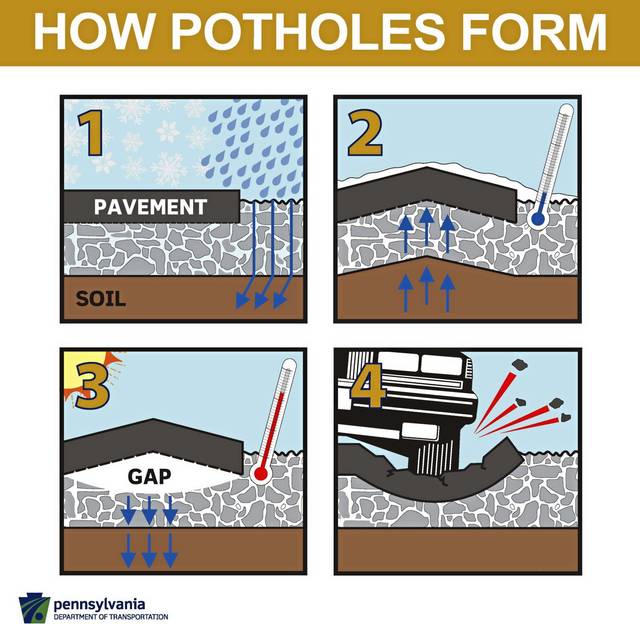
The Foundation of Funding: Initial Construction and Material Economics
The genesis of a pothole can often be traced back to the very inception of the road. The financial decisions made during the construction phase profoundly influence a road’s long-term resilience. These decisions encompass everything from the quality of materials used to the initial investment in robust engineering and construction practices.
Material Costs and Compromises
The asphalt and concrete that form our roads are not created equal. The cost of high-quality, durable materials can be a significant barrier, especially when budget constraints are tight. Developers and public works departments are often faced with a choice: opt for premium, long-lasting materials that will require less frequent repair, or select more economical alternatives that may compromise longevity.
- Asphalt Mix Design: The specific blend of aggregate (stones and sand) and bitumen (the binder) in asphalt is critical. Higher quality bitumen and carefully graded aggregates create a more stable and flexible pavement that can better withstand the stresses of traffic and temperature fluctuations. However, these premium mixes are more expensive. Budgetary pressures can lead to the use of cheaper, less durable binders or aggregates that are more susceptible to fracturing under load or weathering. This initial cost-saving measure directly seeds the ground for future pothole formation.
- Concrete Durability: Similarly, in concrete construction, the strength of the concrete mix, the quality of reinforcing steel, and the proper curing process are vital. Cutting corners on cement content, using substandard aggregates, or inadequate curing can result in concrete that is more prone to cracking and spalling, the precursors to potholes. The upfront savings on these materials and processes can seem appealing in a tight fiscal environment, but they inevitably lead to higher maintenance costs down the line.
- Sub-base and Base Layers: The foundation beneath the asphalt or concrete is equally important. A well-compacted, properly drained sub-base and base layer provides essential support for the pavement. Insufficient investment in these foundational elements, perhaps due to a desire to reduce upfront project costs, means the pavement bears a disproportionate load. This can lead to premature fatigue, cracking, and ultimately, the formation of potholes, especially in areas with heavy traffic or unstable soil conditions.
The Bid Process and Lowest Bidder Syndrome
In public infrastructure projects, the procurement process often prioritizes the lowest bid. While intended to ensure fiscal responsibility, this can inadvertently encourage contractors to find cost-cutting measures during construction.
- Incentives for Cost Reduction: A contractor who wins a bid based on being the lowest often has a strong incentive to minimize costs throughout the project. This can manifest as using slightly less material than specified, opting for faster but less thorough compaction techniques, or minimizing the depth of excavation for the base layers. These decisions, while not necessarily illegal or fraudulent, can lead to a road that is not built to its optimal structural integrity.
- Long-Term Cost vs. Short-Term Savings: The financial model of awarding contracts based solely on the lowest upfront cost fails to account for the total cost of ownership. A slightly higher initial bid from a contractor using superior materials and construction methods could result in a road that lasts significantly longer, requiring fewer expensive repairs over its lifespan. The “lowest bidder” mentality often prioritizes short-term budget adherence over long-term financial sustainability, creating a cycle of recurring repair expenditures.
The Erosion of Assets: Maintenance Budgets and Deferred Investments
Beyond initial construction, the ongoing financial commitment to road maintenance is arguably the most critical factor in pothole prevention and mitigation. When maintenance budgets are insufficient or poorly allocated, the inevitable decay of road surfaces accelerates, directly leading to increased pothole formation.
The Paradox of Deferred Maintenance
Deferred maintenance is a ubiquitous financial challenge in public works. The temptation to postpone routine repairs or preventative treatments, especially when facing budget shortfalls, seems like a short-term solution. However, this approach is financially detrimental in the long run.
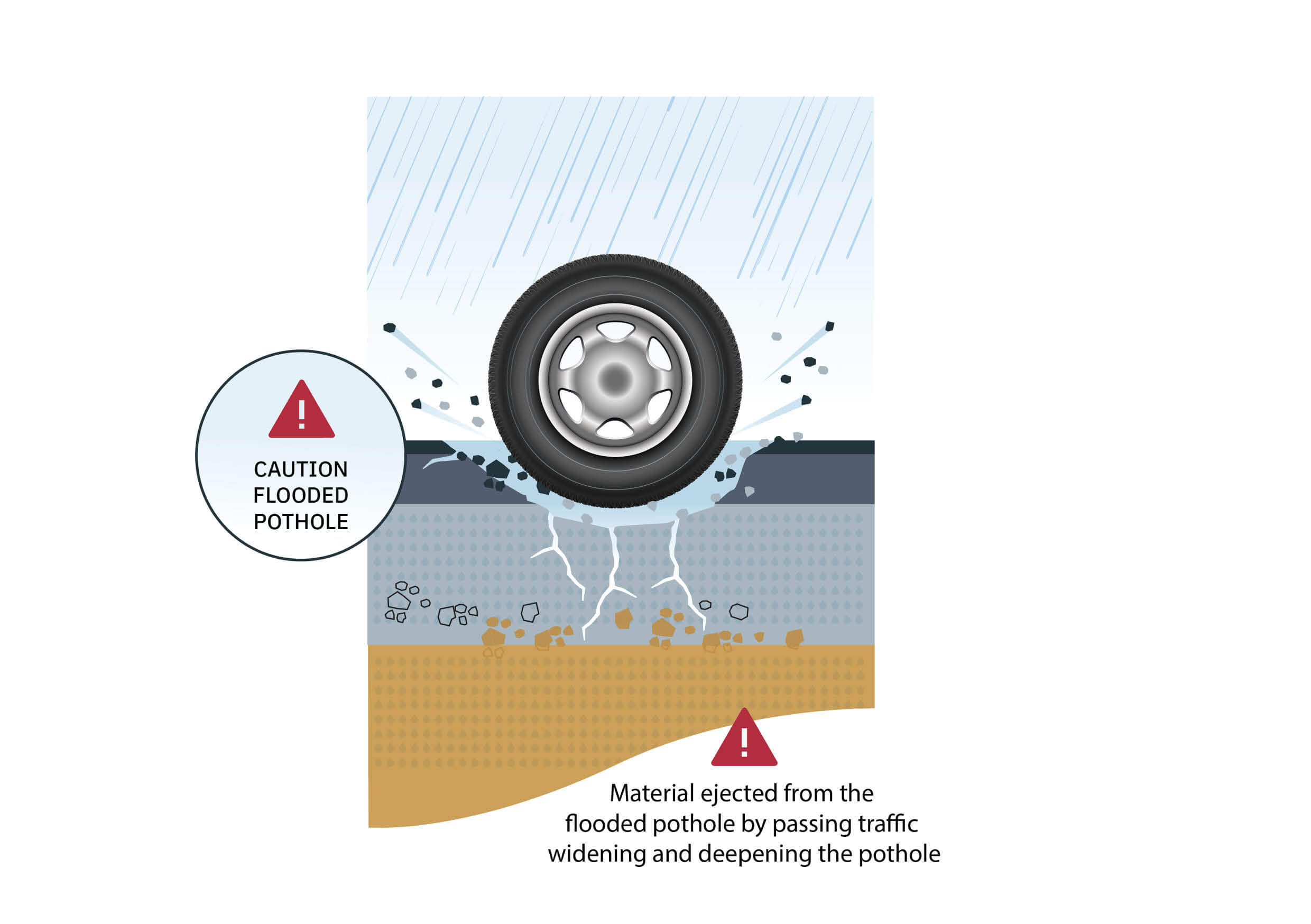
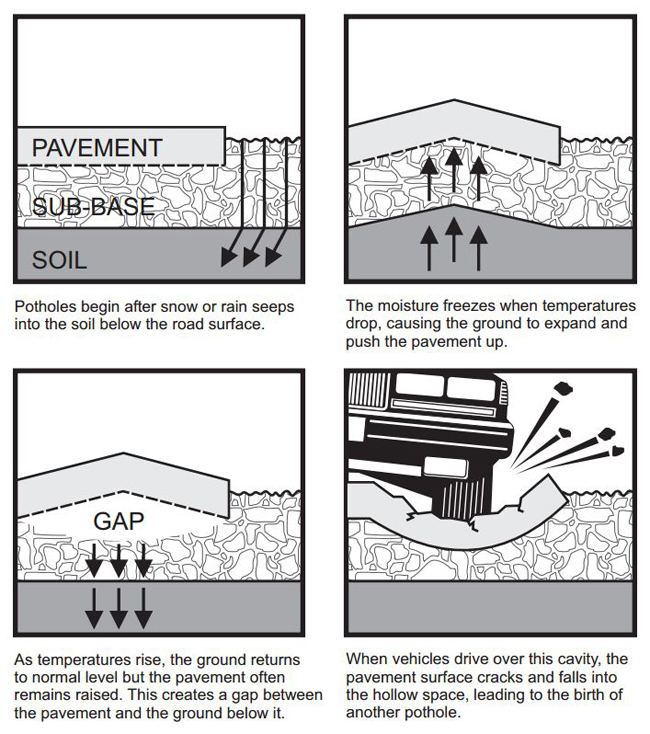
- The Cost of Neglect: A small crack, if sealed promptly, can prevent water infiltration and the subsequent freeze-thaw cycles that exacerbate damage. A minor patch, if applied before a pothole fully forms, is far cheaper and less disruptive than repairing a gaping hole. When these minor issues are ignored, they develop into larger, more complex problems that require significantly more resources, time, and labor to fix. The financial principle of “a stitch in time saves nine” is rarely more evident than in road maintenance.
- Compounding Degradation: The longer maintenance is deferred, the more the road structure degrades. Water seeps into the base layers, weakening them. Traffic loads cause further cracking and deformation. What began as a surface-level issue can compromise the entire structural integrity of the road. Each unaddressed issue contributes to the overall decline, making future repairs exponentially more expensive and leading to a higher frequency of pothole formation.
- Impact on Lifecycle Costs: Every road has a designed lifespan. Insufficient maintenance shortens this lifecycle dramatically. A road that might have lasted 20 years with proper care could degrade to the point of requiring complete reconstruction after just 10-12 years due to the accumulation of unaddressed damage. From a financial perspective, this means incurring the full cost of a new road sooner than anticipated, rather than spreading the investment over a longer period through routine maintenance.
Budget Allocation and Prioritization
The way municipal and governmental budgets are allocated for infrastructure reveals much about a community’s priorities and its financial planning. A consistent underfunding of road maintenance signifies a deeper issue.
- Competition for Limited Funds: Public works departments are often in competition with other essential services like schools, public safety, and social programs for limited public funds. In a tight fiscal climate, road maintenance can be perceived as less urgent than immediate human needs. However, this perspective overlooks the economic cost of poor infrastructure, which impacts commerce, transportation efficiency, and emergency response times.
- Political Influence on Funding: Budgetary decisions can also be influenced by political cycles and public perception. Immediate, highly visible projects might receive more funding attention than the less glamorous, but more critical, task of ongoing maintenance. This can lead to a scenario where roads are built or significantly reconstructed, only to fall into disrepair due to a lack of sustained funding for upkeep. The financial allure of grand projects can overshadow the pragmatic, long-term financial benefits of consistent maintenance.
- Performance-Based Budgeting: A more financially astute approach involves performance-based budgeting for infrastructure. This means allocating funds based on measurable outcomes, such as the condition of the road network, the rate of deterioration, and the cost-effectiveness of different maintenance strategies. This data-driven approach ensures that funds are directed towards the most impactful interventions, rather than being subject to arbitrary cuts or shifts in priority.
The Hidden Costs of Poor Infrastructure: Economic and Social Ramifications
The financial implications of potholes extend far beyond the direct costs of repair. They permeate through the broader economy and impact the daily lives of citizens, creating a ripple effect of financial strain.
Direct Costs to Vehicle Owners
The most immediate financial burden of potholes falls upon the individuals who navigate them daily.
- Vehicle Damage: Potholes are notorious for causing significant damage to vehicles. Tires can be blown out, rims can be bent or cracked, suspension components can be damaged, and alignments can be thrown off. The cost of these repairs, which can range from a few hundred dollars to several thousand, is a direct financial consequence of inadequate road maintenance. Insurance claims for pothole damage are a tangible representation of this economic drain.
- Increased Fuel Consumption and Wear: Driving on roads riddled with potholes forces drivers to slow down, swerve, and brake more frequently. This inefficient driving pattern leads to increased fuel consumption and accelerated wear and tear on vehicle components beyond just tires and suspension. The cumulative effect of this inefficiency across a population represents a substantial economic cost.
Impact on Commerce and Transportation
For businesses and the transportation sector, potholes are not merely an annoyance but a significant impediment to economic efficiency.
- Supply Chain Disruptions: Trucks and delivery vehicles that are forced to navigate damaged roadways experience delays, increased maintenance needs, and higher operating costs. This can lead to disruptions in supply chains, increased shipping costs, and ultimately, higher prices for consumers. The financial health of businesses, particularly those reliant on logistics, is directly impacted by the state of the road infrastructure.
- Reduced Productivity: The time lost by commercial drivers and commuters due to navigating damaged roads represents a loss of productivity. Businesses may face challenges with timely deliveries or employee punctuality, impacting their bottom line. The economic cost of this lost productivity, while harder to quantify directly, is substantial.
- Deterrent to Investment: In areas with notoriously poor road infrastructure, it can act as a deterrent to new business investment. Companies may choose to locate in areas with more reliable transportation networks, leading to lost economic opportunities and tax revenue for communities struggling with infrastructure deficits.
The Financial Case for Proactive Investment
The prevailing financial approach often treats road maintenance as an expense to be minimized. However, a more strategic financial perspective views it as an investment with significant returns.
- Lifecycle Cost Analysis: Implementing lifecycle cost analysis for road projects allows for a more accurate assessment of the total financial outlay over the road’s lifespan. This involves factoring in not just construction costs but also projected maintenance, repair, and eventual reconstruction expenses. A road designed with higher upfront costs for better materials and construction techniques often proves to be more financially advantageous over its entire life.
- Preventative Maintenance Programs: Investing in robust preventative maintenance programs, such as crack sealing, surface treatments, and timely patching, is significantly more cost-effective than addressing widespread damage. These programs are designed to extend the life of the pavement and prevent the formation of major issues like potholes. From a financial standpoint, these proactive measures represent a wise allocation of resources, preventing much larger expenditures in the future.
- Economic Multipliers of Infrastructure Investment: Investments in infrastructure, including road maintenance and construction, have a well-documented multiplier effect on the economy. They create jobs, stimulate demand for materials and services, and improve the overall efficiency of economic activity. Therefore, allocating sufficient financial resources to road infrastructure is not just about fixing potholes; it’s about investing in economic growth and stability.
In conclusion, the creation of potholes is a deeply financial phenomenon. From the initial economic decisions made in material selection and construction bidding to the ongoing budgetary battles for maintenance funds, the financial architecture of our road systems directly dictates their resilience. The “lowest bidder” mentality, the paradox of deferred maintenance, and the competition for limited public funds all contribute to a cycle where the cost of neglect ultimately far outweighs the cost of timely, strategic investment. Recognizing potholes not merely as a physical nuisance but as a financial indicator of infrastructure health is crucial for fostering sustainable, economically sound communities.
aViewFromTheCave is a participant in the Amazon Services LLC Associates Program, an affiliate advertising program designed to provide a means for sites to earn advertising fees by advertising and linking to Amazon.com. Amazon, the Amazon logo, AmazonSupply, and the AmazonSupply logo are trademarks of Amazon.com, Inc. or its affiliates. As an Amazon Associate we earn affiliate commissions from qualifying purchases.