
For centuries, the visual inspection of biological fluids was a rudimentary cornerstone of medical practice. Doctors would hold a glass vial to the light, peering at the hue of a patient’s urine to guess at their internal health. Today, that ancient practice is undergoing a radical digital transformation. The question “what colour is your urine” is no longer just a query for a GP; it is a data point being captured by sensors, analyzed by artificial intelligence, and integrated into the broader ecosystem of the Internet of Things (IoT).
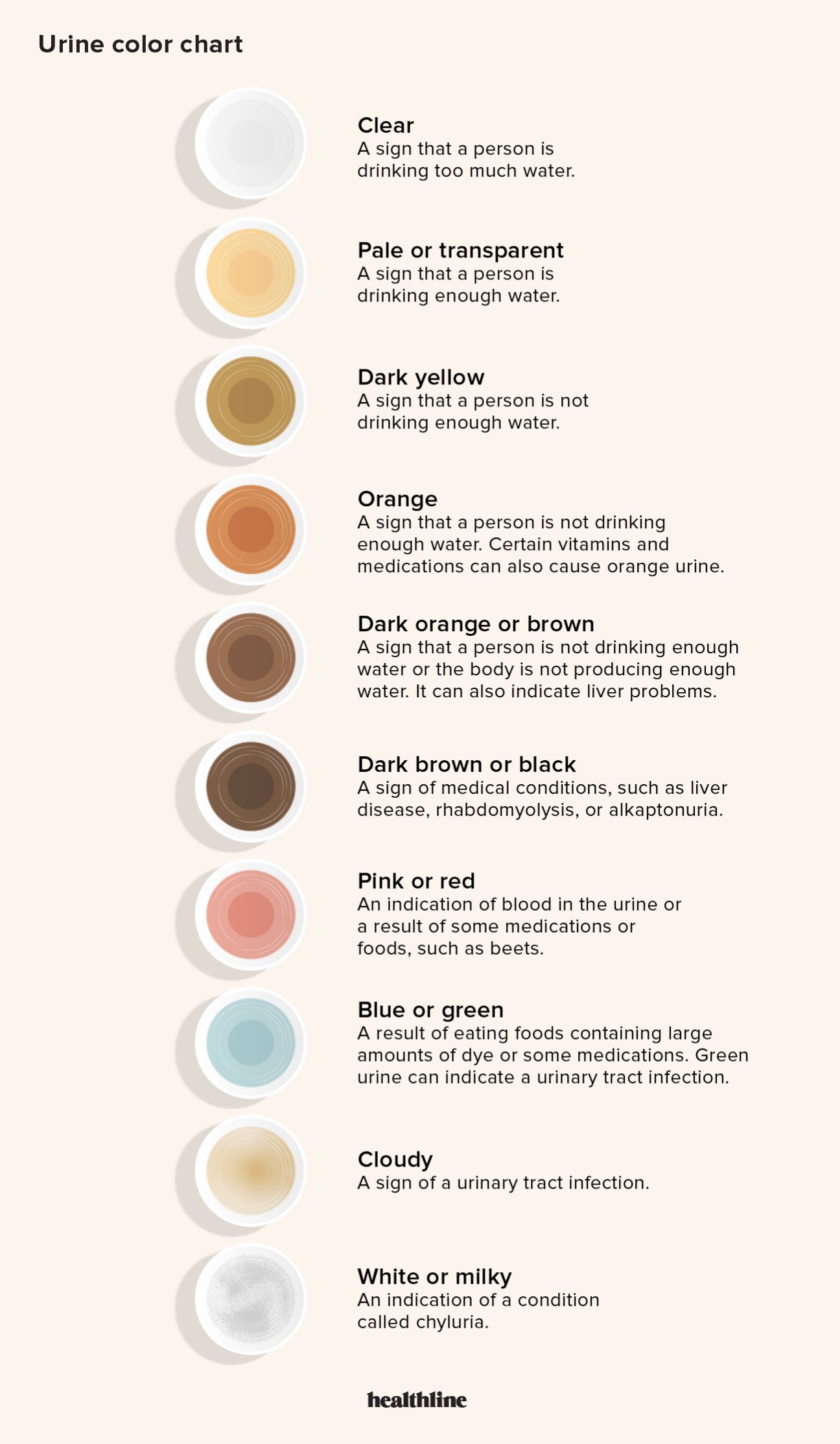
As we move deeper into the era of the “Quantified Self,” technology is bridging the gap between clinical diagnostics and daily wellness. We are witnessing the rise of the smart bathroom—a technological frontier where hardware and software converge to turn a standard biological function into a stream of actionable health insights.
The Bio-Digital Frontier: Beyond the Visual Spectrum
The core of this technological shift lies in moving beyond simple human observation. While a person might notice their urine is “dark” or “clear,” technology can quantify these nuances with a level of precision that was previously reserved for high-end pathology labs.
From Subjective Sight to Optical Spectrophotometry
Modern health-tech startups are leveraging optical spectrophotometry to analyze the composition of fluids in real-time. This technology works by passing specific wavelengths of light through a liquid sample and measuring the absorption. In the context of the “urine colour” question, these sensors can detect subtle shifts in urochrome—the pigment responsible for the yellow hue—identifying dehydration or chemical imbalances long before they are visible to the naked eye. By integrating these miniaturized sensors into consumer devices, the tech industry is providing a level of granular detail that transforms a subjective observation into a hard data set.
The Role of Microfluidics and Lab-on-a-Chip
A major trend in current medical hardware is “Lab-on-a-Chip” (LOC) technology. These are devices that integrate one or several laboratory functions on a single integrated circuit only millimeters to a few square centimeters in size. In the digital health space, LOC tech is being used to analyze not just the color, but the molecular makeup of urine. This allows for the tracking of glucose levels, pH balance, and protein presence. For the tech enthusiast, this represents the ultimate integration of mechanical engineering and biochemistry, providing a continuous stream of biometric data that can be synced directly to a smartphone.
The Smart Toilet Revolution: IoT in the Bathroom
The most logical place for this technology to live is within the existing infrastructure of the home. We have seen smart fridges and smart thermostats, but the “Smart Toilet” is arguably the most significant development in domestic health technology.
Real-Time Biometric Tracking via Integrated Sensors
Major players in the tech space, such as Withings and various high-tech Japanese plumbing firms, have begun prototyping and releasing “smart pucks” or integrated sensors that sit within the toilet bowl. These devices are designed to identify individual users (often via “analprinting” or smartphone proximity) and conduct an automated analysis of the urine stream. The data is then encrypted and sent via Wi-Fi to a centralized dashboard. This is the pinnacle of frictionless technology; the user does not need to wear a device or remember to log an entry. The environment itself becomes the diagnostic tool.
Hardware Challenges and Connectivity Solutions
Developing hardware for this niche presents unique challenges, primarily regarding the corrosive and variable nature of the environment. Engineers are utilizing medical-grade plastics and hydrophobic coatings to ensure sensor longevity. Furthermore, the connectivity aspect—integrating these devices with Apple HealthKit or Google Fit—requires robust API development. The goal is to create a seamless ecosystem where your bathroom talk to your fitness tracker, adjusting your suggested water intake or nutritional goals based on the chemical analysis of your morning routine.

AI and Pattern Recognition in Personal Health
Raw data is useless without interpretation. This is where Artificial Intelligence (AI) and Machine Learning (ML) play a critical role. When a digital sensor determines the exact hexadecimal code of your urine color and its chemical density, it is the AI that provides the “so what?”
Predictive Analytics for Early Detection
The true power of AI in this tech niche is its ability to recognize patterns over time. A single instance of dark urine might just mean you forgot to drink water after a workout. However, a machine learning model can correlate three weeks of subtle color shifts with heart rate data from a smartwatch and sleep patterns from a smart bed. By analyzing these multi-modal data points, AI can predict the onset of kidney issues, urinary tract infections, or metabolic shifts before symptoms manifest. We are moving from reactive medicine to predictive, tech-driven wellness.
Data Privacy and the Ethics of Biological Information
With the collection of such intimate data comes a massive responsibility regarding digital security. Biological data is the most sensitive information an individual possesses. Leading tech firms in this space are implementing end-to-end encryption and decentralized data storage to protect users. As this tech becomes more mainstream, the conversation around “Biometric Privacy” will become as central to the tech industry as “Data Privacy” is today. Ensuring that your “urine data” isn’t sold to insurance companies or advertisers is a hurdle that the software industry must leap to gain widespread consumer trust.
Wearable Synergy: Connecting the Dots of the Quantified Self
While the smart toilet is a stationary hub, the trend of hydration-tracking wearables is taking the “what colour is your urine” inquiry on the road. These devices aim to provide the same insights but through different biological markers.
Sweat Sensors and Hydration Algorithms
Companies like Gx (Gatorade) and various sports-tech startups have developed wearable patches and sensors that analyze sweat composition. While not measuring urine directly, these devices use algorithms to predict what the user’s urine color and concentration likely are, based on electrolyte loss. This is particularly relevant in the “Prosumer” and professional athlete markets, where maintaining peak physiological status is a matter of performance and revenue. The software behind these wearables uses complex fluid-dynamics models to provide real-time hydration alerts to an athlete’s watch.
The Future of Remote Patient Monitoring (RPM)
The integration of this tech into the broader healthcare system represents a massive shift in Remote Patient Monitoring (RPM). For elderly patients or those with chronic conditions, a smart sensor that monitors urine color and composition can be a literal lifesaver. Instead of requiring a patient to travel to a clinic for a urinalysis, the data is streamed directly to the provider’s dashboard. If the “digital color” of the urine shifts into a danger zone, an automated alert can trigger a telehealth consult. This is a prime example of how software and IoT are democratizing healthcare and reducing the burden on physical infrastructure.

The Convergence of Biology and Bitrate
The question “what colour is your urine” has evolved from a simple visual check into a complex technological challenge involving sophisticated sensors, IoT connectivity, and AI-driven analysis. As the tech industry continues to shrink sensors and expand the capabilities of artificial intelligence, our homes will increasingly function as passive diagnostic centers.
We are entering an era where our “digital twin”—a virtual model of our biological health—is updated in real-time by the very fixtures of our houses. The color of your urine is no longer just a fleeting observation; it is a permanent, secure, and insightful digital record that forms a vital part of your personal health stack. In this tech-driven future, the bathroom is not just a room for hygiene; it is the most advanced hardware lab you own, providing the data necessary to optimize the most important piece of “tech” you will ever operate: your own body.
aViewFromTheCave is a participant in the Amazon Services LLC Associates Program, an affiliate advertising program designed to provide a means for sites to earn advertising fees by advertising and linking to Amazon.com. Amazon, the Amazon logo, AmazonSupply, and the AmazonSupply logo are trademarks of Amazon.com, Inc. or its affiliates. As an Amazon Associate we earn affiliate commissions from qualifying purchases.