
In the competitive landscape of modern marketing, color is far more than an aesthetic choice; it is a psychological trigger and a foundational pillar of brand communication. When a designer or brand strategist asks, “What colors together make black?” they are rarely looking for a simple art-class answer. Instead, they are delving into the technicalities of the subtractive color model—the system that dictates how physical brand assets, from luxury packaging to corporate stationery, are perceived by the human eye.
Understanding how to construct black is essential for maintaining brand consistency across various media. Whether it is the deep, obsidian void of a high-end fashion logo or the crisp, legible text of a financial report, the “black” we see is often a complex orchestration of multiple primary colors.
The Foundation of Subtractive Theory: Creating Black in Physical Branding
In the world of physical branding—anything that involves ink on paper or dye on fabric—we operate within the subtractive color model. Unlike the digital world, where light creates color, physical media rely on pigments that subtract (absorb) wavelengths of light.
The CMYK Core: Cyan, Magenta, and Yellow
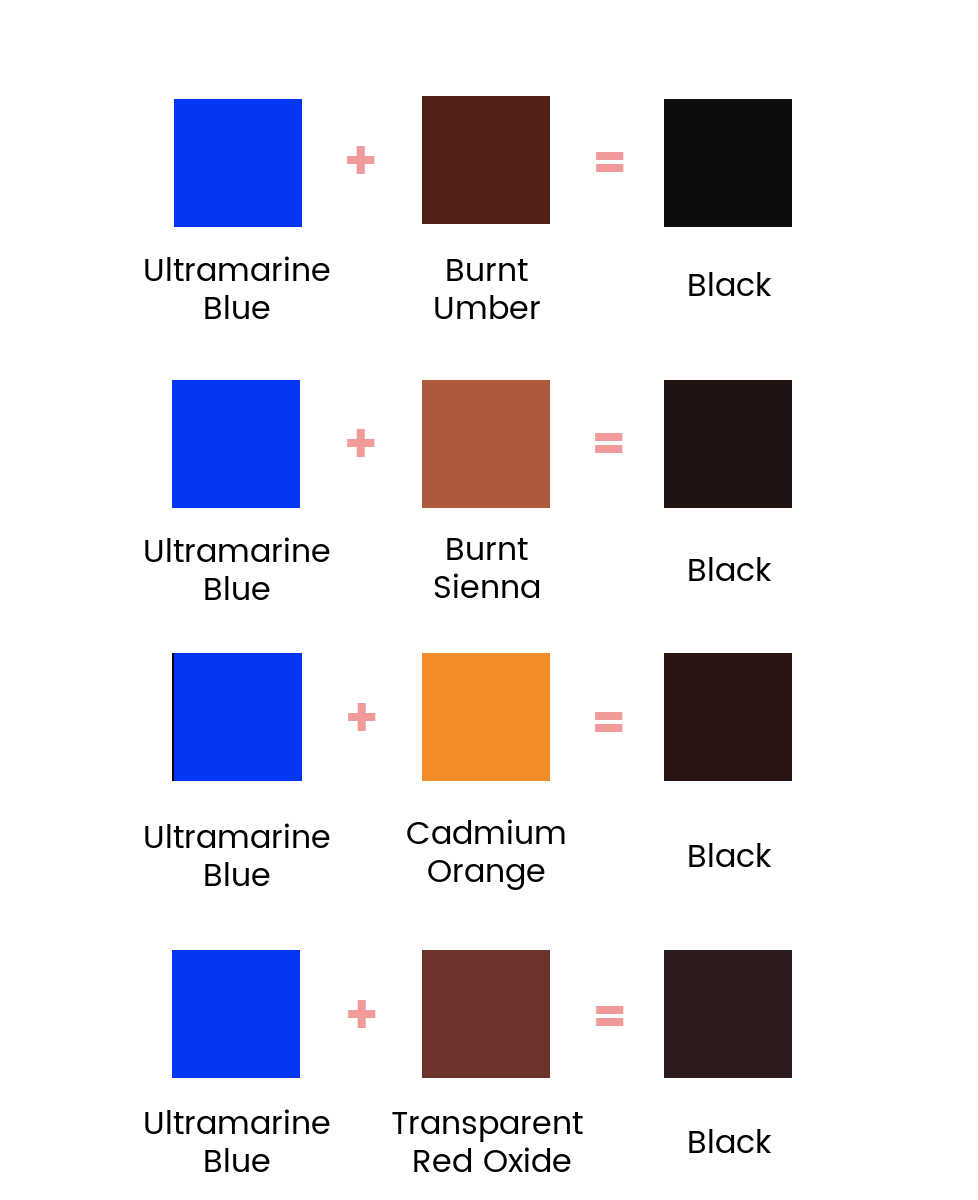
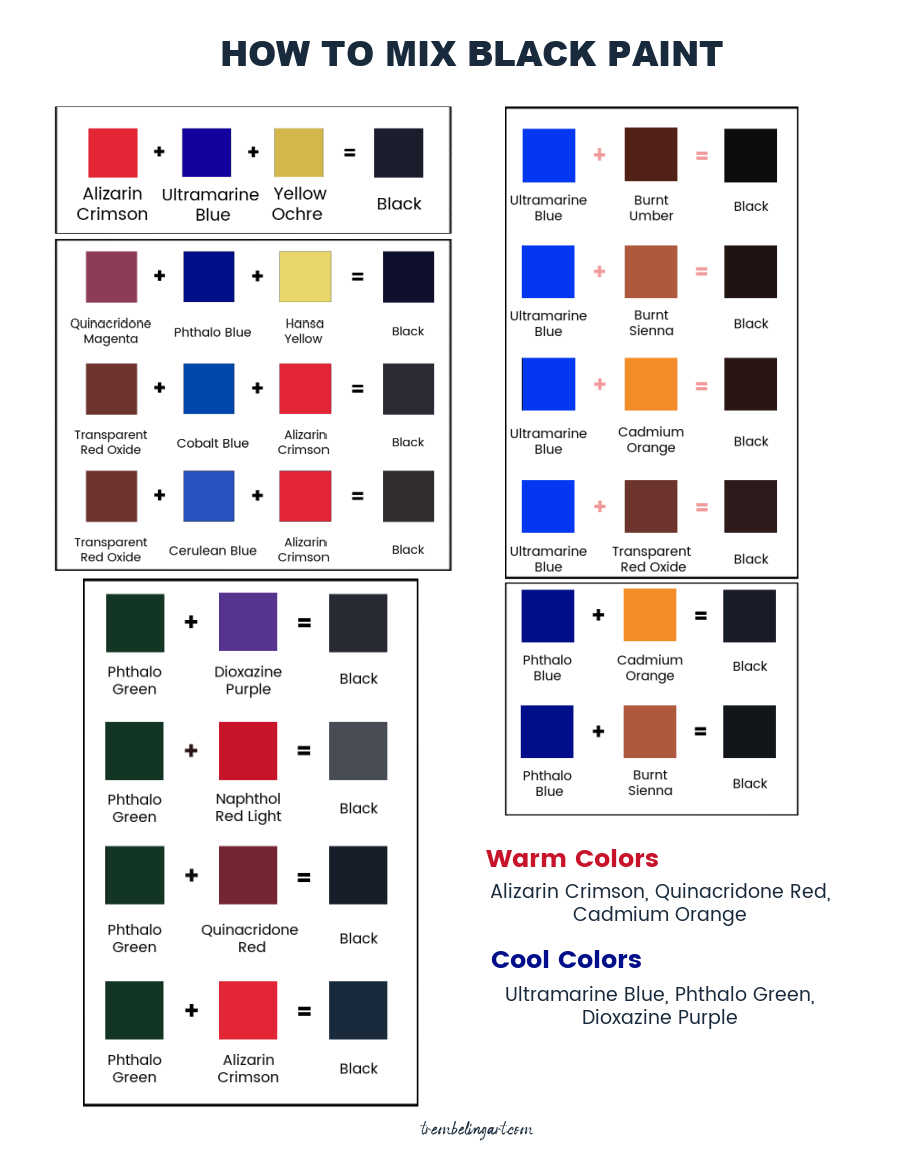
In theory, the three primary colors of the subtractive model—Cyan, Magenta, and Yellow—should combine to create a perfect black. When these three pigments are mixed in equal, high-intensity proportions, they absorb the entire spectrum of visible light, reflecting nothing back to the viewer. In a branding context, this is known as “composite black.”
However, because of the chemical impurities in real-world pigments, mixing pure Cyan, Magenta, and Yellow often results in a muddy, dark brown rather than a true, deep black. This limitation is why the printing industry introduced the “K” (Key) to the CMYK model.
The Role of the “Key” in Corporate Identity
The “K” in CMYK stands for “Key,” which is the black ink plate used to add depth and detail. For brand managers, relying solely on a mixture of colors to create black is risky. To achieve the sharp, high-contrast black required for logos and typography, professional printers use a dedicated black pigment. This ensures that the brand’s visual identity remains crisp and authoritative, preventing the “fuzziness” that occurs when three separate ink plates try to align perfectly to create a dark line.
The Psychology of Depth: Why Choosing the Right Black Matters for Your Brand
In brand strategy, “black” is not a singular destination. It is a spectrum. The specific colors you choose to mix together to reach black will alter the subconscious message your brand sends to its audience. Black is synonymous with luxury, power, elegance, and mystery, but its “temperature” can change its meaning entirely.
Cool Blacks and the High-Tech Aesthetic
By mixing a higher percentage of Cyan into your black base, you create a “Cool Black.” This variation is frequently utilized by technology and digital security firms. It evokes feelings of efficiency, modernization, and precision. When a brand like Apple or a cybersecurity firm uses a cool-toned black, they are leveraging the “blue” undertones to project stability and trustworthiness.
Warm Blacks and the Luxury Experience
Conversely, adding a higher percentage of Magenta and Yellow creates a “Warm Black.” This is the palette of heritage brands, high-end hospitality, and artisanal products. A warm black feels more organic, inviting, and opulent. It mimics the deep shadows found in natural environments and high-quality leathers. For a luxury brand looking to emphasize comfort and classic sophistication, the mixture of colors used to achieve black must lean toward the red and yellow end of the spectrum.

Technical Precision: Navigating “Rich Black” for Premium Brand Collateral
One of the most common mistakes in brand execution is the failure to distinguish between “Flat Black” and “Rich Black.” This distinction is where the question of what colors make black becomes a matter of professional-grade design.
The Formula for Rich Black
A “Flat Black” is simply 100% black ink (K: 100). On a computer screen, this looks fine. However, when printed on a large surface—such as a trade show banner or a luxury shopping bag—100% K often looks washed out or grey.
To solve this, designers use “Rich Black,” a mixture that adds percentages of Cyan, Magenta, and Yellow underneath the black ink to give it body and depth. A standard formula for a neutral Rich Black is often 60% Cyan, 40% Magenta, 40% Yellow, and 100% Black. This combination ensures the final product looks like a deep, bottomless void, reflecting the premium nature of the brand.
Avoiding the Pitfalls of Over-Saturation
While mixing colors makes for a better black, there is a technical limit known as “Total Ink Coverage” (TIC). If a brand strategist specifies too much of every color (e.g., 100% of all four), the paper becomes oversaturated, leading to smearing, long drying times, and a loss of detail. Understanding the chemistry of color mixing allows a brand to push the limits of visual impact without sacrificing the physical quality of the marketing materials.
Global Consistency: Bridging the Gap Between Digital and Physical Black
In the modern era, a brand exists simultaneously on a 4K smartphone screen and a matte-finish business card. The challenge for personal and corporate branding is ensuring that the black created by light (RGB) matches the black created by pigments (CMYK).
The Additive Model (RGB) and Digital Branding
In the digital space (Tech and Web Design), we use the Additive Model. Here, “black” is the absence of color. When the Red, Green, and Blue pixels of a screen are all turned off, we see black. However, because modern screens (like OLED) can produce “true blacks” while older LCDs produce a “glowing grey-black,” brand designers must be careful.
When designing a digital interface, using a “hex color” that is slightly off-black (like #010101) can sometimes provide a better user experience and softer contrast than a pure #000000 black, which can cause eye strain.
Managing the Transition
The most sophisticated brands have a comprehensive “Brand Style Guide” that dictates exactly which colors make black for different environments. They will have:
- An RGB value for digital apps and websites.
- A Hex code for web development.
- A CMYK formula for standard brochures.
- A Pantone (PMS) spot color for high-end packaging to ensure the black is identical whether it’s printed in New York or Tokyo.
Conclusion: The Strategic Value of Color Mastery
The question of “what colors together make black” is the gateway to professional brand management. It reveals the transition from amateur design to strategic identity systems. By understanding that black is a composite of Cyan, Magenta, and Yellow—and by learning how to manipulate those ratios—brand owners can control the “temperature” and “depth” of their visual presence.
In the world of branding, black is never just black. It is a tool for storytelling. Whether you are aiming for the cold, clinical precision of a tech giant or the warm, enveloping luxury of a legacy fashion house, the secret lies in the mix. Mastering these nuances ensures that your brand doesn’t just fade into the background but stands out with the weight, authority, and clarity that only a perfectly engineered black can provide.
aViewFromTheCave is a participant in the Amazon Services LLC Associates Program, an affiliate advertising program designed to provide a means for sites to earn advertising fees by advertising and linking to Amazon.com. Amazon, the Amazon logo, AmazonSupply, and the AmazonSupply logo are trademarks of Amazon.com, Inc. or its affiliates. As an Amazon Associate we earn affiliate commissions from qualifying purchases.