
In the intricate world of brand strategy and marketing, understanding your audience is paramount. This goes beyond superficial demographics; it necessitates a deep dive into the formative experiences, values, and cultural touchstones that shape a generation. Among the various cohorts, Generation X, often dubbed the “middle child” between the Baby Boomers and Millennials, holds a unique and increasingly influential position. Yet, there remains a persistent ambiguity around their precise birth years, a foundational piece of information critical for brands aiming to connect authentically. This article seeks to clarify the defining birth years of Gen X and illuminate why this seemingly simple demographic detail is a cornerstone for effective brand engagement, strategic marketing, and product development in today’s dynamic marketplace.

Understanding when a generation begins and ends is not merely an academic exercise; it provides the crucial framework for segmenting markets, identifying consumer behaviors, and crafting messages that resonate. For Gen X, these birth years demarcate a period of profound societal change, setting the stage for a distinct brand persona that savvy marketers ignore at their peril.
Defining Generation X: The Core Birth Years
The first step in engaging any demographic effectively is to accurately identify its boundaries. For Generation X, this definition is rooted in a specific range of birth years that delineate their collective entry into the world and the shared environment of their youth.
The Conventional Range: 1965-1980
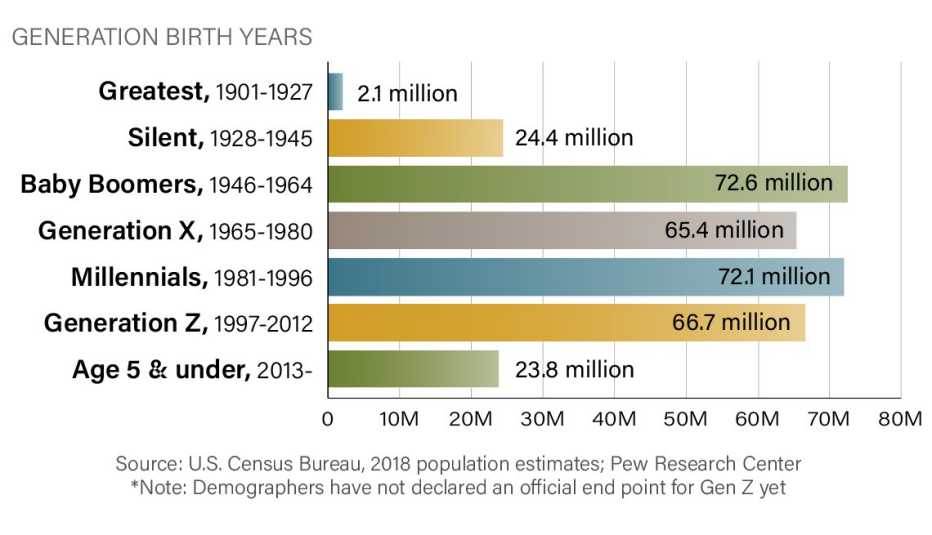
While slight variations exist among researchers and demographic institutions, the most widely accepted and conventionally used birth year range for Generation X is 1965 to 1980. This 15-year span captures the vast majority of individuals who share the defining characteristics of this cohort. This definition is adopted by institutions like the Pew Research Center, a leading authority on generational studies, and serves as the industry standard for marketers and sociologists alike. Recognizing this core range allows brands to precisely target their efforts, ensuring that communication strategies are aligned with the life stages, cultural references, and prevailing attitudes of this influential group.
Nuances and Variations: Why Definitions Differ
Despite the conventional wisdom, it’s not uncommon to encounter slightly different ranges for Gen X. Some sources may extend the start year to 1961 or the end year to 1981 or 1982. These minor discrepancies often arise from differing methodologies in generational research, which might prioritize specific historical events, economic shifts, or technological adoption curves as defining markers. For instance, some definitions might push the start year earlier to include those who experienced key cultural shifts of the late 1960s as adolescents, or extend the end year to fully encompass those born just before the widespread internet adoption that characterized the earliest Millennials.
However, for practical brand strategy, focusing on the 1965-1980 range offers the most robust and actionable segmentation. These nuances, while interesting for academic discussion, should not detract from the strategic utility of the widely accepted core definition. The key takeaway for brands is consistency and clarity in their chosen demographic framework.
The Societal Context: Shaping a Generation
The definition of Gen X by its birth years is intrinsically linked to the societal and historical context in which these individuals grew up. Born into a post-Baby Boomer world, Gen X children were often the beneficiaries and, at times, the casualties of societal shifts. They experienced a decline in traditional two-parent households, a rise in dual-income families, and a general sense of being less supervised, earning them the moniker “latchkey kids.” This era was characterized by the end of the Vietnam War, the Cold War, the rise of MTV, and the nascent stages of personal computing. These collective experiences, occurring during their formative years, are far more significant than individual birth years alone in shaping their unique brand persona and consumer psychology.
The Formative Experiences That Shaped The Gen X Brand Persona
The specific birth years of Gen X are significant because they correspond to a unique set of formative experiences that molded their worldview, values, and, consequently, their interactions with brands. Understanding these foundational elements is crucial for any brand aiming to build genuine connections.
Latchkey Kids and Self-Reliance: A Distrust of Institutions
Growing up in an era where parents were increasingly career-focused and divorce rates climbed, many Gen Xers spent significant time unsupervised, returning to empty homes after school. This “latchkey kid” phenomenon fostered an unparalleled sense of self-reliance, independence, and a healthy skepticism towards institutions. Unlike the more optimistic and group-oriented Baby Boomers or the institutionally engaged Millennials, Gen X often views grand promises and overt corporate messaging with a discerning eye.
For brands, this translates into a need for authenticity and transparency. Over-the-top marketing campaigns or insincere corporate social responsibility initiatives are likely to fall flat. Brands that demonstrate genuine value, deliver on their promises, and operate with integrity will earn the trust and loyalty of Gen X consumers. They appreciate straightforward communication and proof points over hype.
Analogue Roots in a Digital Revolution: Adaptability and Pragmatism
The Gen X cohort represents a bridge generation. They experienced a childhood deeply rooted in analogue technology—rotary phones, cassette tapes, broadcast television, and handwritten letters. Yet, they were also the first generation to truly adapt to and integrate the digital revolution into their adult lives, witnessing the advent of personal computers, the internet, and mobile phones unfold from infancy to widespread adoption.
This dual experience imbues Gen X with a unique blend of technological fluency and practical discernment. They are digitally savvy and comfortable with online shopping, social media (though often preferring platforms like Facebook over TikTok for personal use), and digital services. However, their analogue upbringing means they value tangible quality, face-to-face interactions, and offline experiences more than younger generations. Brands should recognize this adaptability and offer multi-channel experiences, ensuring their digital presence is seamless and user-friendly, while also respecting Gen X’s preference for quality and real-world utility.
Cultural Touchstones: Music, Movies, and Media Consumption
The cultural landscape of Gen X’s formative years was distinct. They witnessed the birth of MTV, the rise of independent film, the grunge music movement, and television shows that often explored themes of cynicism and angst. Icons like Nirvana, Pearl Jam, and directors like Quentin Tarantino resonated deeply, reflecting their anti-establishment leanings and desire for authenticity.
These cultural touchstones inform their media consumption habits and their response to advertising. Gen X is not easily swayed by fleeting trends; they seek substance and originality. Brands can effectively reach them by referencing their cultural heritage subtly and respectfully, using music, visual styles, or narrative approaches that evoke their era without being overly nostalgic or cliché. Understanding their media diet—which often includes a mix of traditional television, streaming services, and curated online content—is key to strategic placement and message delivery.
Why Understanding Gen X’s Birth Years is Crucial for Modern Brands
Pinpointing the birth years of Gen X is not an academic exercise; it’s a strategic imperative for any brand seeking sustainable growth and deeper market penetration. These years delineate a powerful consumer segment with unique needs and significant purchasing power.
Identifying a Loyal and Influential Consumer Segment
Gen X, though smaller in number than Baby Boomers or Millennials, wields substantial economic influence. Many are now in their prime earning years, hold senior positions, and have accumulated significant wealth and assets. Crucially, they are often described as a “sandwich generation,” simultaneously supporting aging parents and financially assisting their emerging adult children. This makes them decision-makers for a vast array of products and services, from home goods and financial planning to healthcare and education.

Brands that accurately identify Gen X through their birth years can unlock access to a highly loyal segment. Once a Gen Xer trusts a brand, they tend to stick with it, valuing reliability and consistency over fleeting trends. Their loyalty is a valuable asset, translating into repeat purchases and positive word-of-mouth.
Tailoring Marketing Messages and Channels
Generic marketing often fails to resonate with Gen X. Knowing their birth years allows brands to segment their audience precisely and tailor messages that speak directly to their values and life experiences. As discussed, Gen X appreciates authenticity, pragmatism, and direct communication. They are less impressed by viral stunts and more by genuine product benefits, transparent brand values, and efficient customer service.
Furthermore, understanding their birth years helps optimize channel selection. While digitally present, Gen X might engage differently on social media platforms compared to younger generations. Email marketing, targeted digital ads on platforms they frequent (like Facebook or professional networking sites), and even traditional media can be highly effective. The key is to avoid assumptions and instead use data-driven insights informed by their demographic profile.
Product Development and Service Innovation for Gen X Needs
The insights gleaned from Gen X’s birth years and formative experiences are invaluable for product development and service innovation. Brands can design offerings that cater specifically to the needs of the “sandwich generation”—products that simplify complex tasks, services that offer convenience and efficiency, and solutions that address their unique financial and lifestyle challenges.
For example, a financial institution might develop investment products tailored to Gen Xers planning for retirement while also funding their children’s education. A technology company might design user interfaces that prioritize functionality and ease of use, appealing to their pragmatic nature, rather than solely focusing on cutting-edge aesthetics that might appeal more to Gen Z. By developing with Gen X in mind, brands ensure their offerings meet the demands of a powerful and often overlooked consumer group.
Marketing to the Gen X Mindset: Strategies for Engagement
Leveraging the knowledge of Gen X’s birth years demands specific marketing strategies that align with their distinct mindset and purchasing psychology. Effective engagement requires nuance and a departure from approaches designed for other generations.
Valuing Authenticity and Transparency
Above all, Gen X values authenticity. They grew up questioning authority and media narratives, fostering a deep-seated skepticism. For brands, this means communication must be honest, direct, and transparent. Avoid hyperbole, marketing jargon, or overly curated brand images. Instead, focus on clear benefits, factual information, and genuine testimonials. Brands that admit mistakes, show vulnerability, and operate with integrity will earn trust. User-generated content and peer reviews hold significant sway with this group, as they trust the experiences of others more than brand-issued statements.
Embracing Nostalgia (with a Twist)
While Gen X appreciates references to their past, outright nostalgia marketing can feel inauthentic or manipulative if not handled correctly. They don’t want to live in the past; they appreciate smart, subtle nods to their cultural touchstones that resonate with their current lives. For instance, using a classic song from their youth in a commercial that promotes a forward-thinking product can be effective. The “twist” is that the nostalgia serves to build a connection and evoke positive sentiment, but the brand’s core message remains relevant to their contemporary needs and aspirations. It’s about recognizing their history without defining them by it.
Digital Savvy, But Discerning: Reaching Them Online
Gen Xers are highly active online, but their digital habits differ. They are sophisticated internet users who prioritize efficiency and relevance. While they may not be early adopters of every new social media platform, they are highly engaged on established platforms like Facebook, LinkedIn, and YouTube, where they seek out information, connect with peers, and follow brands. Email marketing remains a powerful tool, provided the content is valuable and not overly promotional.
Brands should focus on creating accessible, user-friendly digital experiences. Optimize websites for speed and mobile use, offer clear calls to action, and provide comprehensive customer support options. Avoid overly noisy or complex interfaces. Content marketing that offers practical advice, problem-solving solutions, or deep insights resonates well with their pragmatic nature.
The “Sandwich Generation” Influence: Family-Focused Messaging
As the “sandwich generation,” Gen X often balances the needs of their children and aging parents. This unique position means their purchasing decisions are frequently influenced by family considerations. Brands marketing products or services related to family, home, health, education, or financial planning should tailor their messaging to acknowledge these multifaceted responsibilities. Highlighting benefits that offer convenience, time-saving, cost-effectiveness, or multi-generational utility will resonate powerfully. Emphasizing solutions that alleviate stress or support family well-being can tap into their deep sense of responsibility.
Gen X and the Future of Branding: Enduring Relevance
Despite being sometimes overshadowed by the larger Boomer and Millennial cohorts, Generation X’s birth years mark them as an enduringly relevant and influential demographic. Their impact on the market and their continued evolution demand consistent attention from brands.
Their Ongoing Economic Clout
As Gen Xers move into their peak earning and spending years, their economic clout is set to remain significant for decades. They are investing for retirement, upgrading homes, spending on leisure and travel, and influencing the purchasing decisions of their families. Brands that cultivate loyalty with Gen X now will reap long-term rewards, benefiting from their stability and consistent spending habits. Ignoring this demographic means overlooking a substantial and reliable revenue stream.
Influencing Younger Generations
Gen X parents are often influential in the purchasing decisions of their Millennial and Gen Z children, especially for larger investments like homes, cars, or education. They act as trusted advisors and gatekeepers, making their opinions crucial. Brands that win over Gen X can often gain an indirect but powerful endorsement that extends to younger generations. This makes Gen X a critical conduit for intergenerational marketing strategies.
Adapting to Evolving Lifestyles
As Gen X approaches and enters retirement, their lifestyles and priorities will continue to evolve. Brands must remain agile and responsive, adapting their offerings and messaging to meet these changing needs. Whether it’s focusing on health and wellness, travel, leisure activities, or services that support active aging, understanding the trajectory of Gen X’s life stages, informed by their birth years, will ensure brands remain relevant and valued partners in their journey.
In conclusion, knowing the precise birth years of Generation X—conventionally defined as 1965 to 1980—is far more than a simple demographic fact. It is a foundational insight that unlocks a deeper understanding of a pivotal consumer cohort. These years define a generation shaped by self-reliance, adaptability, and a discerning skepticism, all of which profoundly influence their brand perceptions and purchasing behaviors. For brands aiming for sustained success, embracing the unique mindset of Gen X through authentic communication, tailored marketing, and responsive product development is not just beneficial; it is an essential strategy for thriving in an increasingly competitive marketplace.
aViewFromTheCave is a participant in the Amazon Services LLC Associates Program, an affiliate advertising program designed to provide a means for sites to earn advertising fees by advertising and linking to Amazon.com. Amazon, the Amazon logo, AmazonSupply, and the AmazonSupply logo are trademarks of Amazon.com, Inc. or its affiliates. As an Amazon Associate we earn affiliate commissions from qualifying purchases.