
The seemingly simple question of “what colors make red paint” opens a fascinating gateway into the foundational principles of color theory, a domain deeply intertwined with technological innovation and creative application. While traditionally an art and design concern, understanding the underlying mechanics of color creation is increasingly vital for technologists working in digital interfaces, virtual reality, game development, and even hardware design. This article delves into the science and practice of producing red hues, exploring the additive and subtractive color models, the role of pigments and light, and how these principles translate into the digital realm, empowering technologists to wield color with greater precision and impact.

The Fundamental Pillars of Color Mixing
To truly grasp how red is achieved, we must first understand the two primary systems of color mixing: additive and subtractive. Each operates on distinct principles and is relevant to different technological applications.
Additive Color Mixing: The Realm of Light
Additive color mixing deals with the combination of light. In this model, colors are created by adding different wavelengths of light together. The primary colors of light are red, green, and blue (RGB). When these primary colors are mixed in equal proportions, they create white light. Conversely, the absence of all light results in black.
The RGB Model and Digital Displays
The RGB color model is the bedrock of all digital displays, from your smartphone screen to the largest cinema projectors. Each pixel on these devices is composed of tiny red, green, and blue light emitters. By varying the intensity of each of these primary lights, a vast spectrum of colors can be generated.
- Creating Red: In the RGB system, pure red is achieved by emitting red light at its maximum intensity while keeping the green and blue light emitters off or at their minimum intensity. Different shades and intensities of red are then created by adjusting the levels of red light relative to green and blue. For instance, a desaturated red might have a significant amount of green or blue light mixed in.
- Technological Implications: For technologists, understanding additive color is crucial for designing user interfaces that are accessible and visually appealing across various devices. It informs color palette selection for websites, apps, and games, ensuring consistency and readability. Furthermore, in the realm of augmented and virtual reality, precise control over light emission is paramount for creating immersive and realistic visual experiences. Developers need to understand how light interacts with virtual objects and how to simulate the perception of color in different lighting conditions.
Subtractive Color Mixing: The World of Pigments
Subtractive color mixing, in contrast, deals with pigments and inks. Here, colors are created by subtracting or absorbing certain wavelengths of light from white light. The primary colors in this model are cyan, magenta, and yellow (CMY). When these primary pigments are mixed, they absorb specific wavelengths, reflecting the remaining ones. The theoretical combination of all three primary pigments in equal amounts would result in black, though in practice, a dark brown or grey is often achieved, necessitating the addition of black (K) in printing to produce true blacks (CMYK).
Pigments, Dyes, and Their Digital Analogues
While technologists primarily work with light (additive color), understanding subtractive color is still relevant, particularly when designing for print or when dealing with physical product design that interacts with light. The principles of how pigments absorb light inform our understanding of how colors are perceived.
- The Genesis of Red Pigments: Historically, red pigments were derived from natural sources like ochre, cinnabar, or insects. Today, synthetic pigments and dyes offer a far wider range of reds with varying properties, including opacity, lightfastness, and hue.
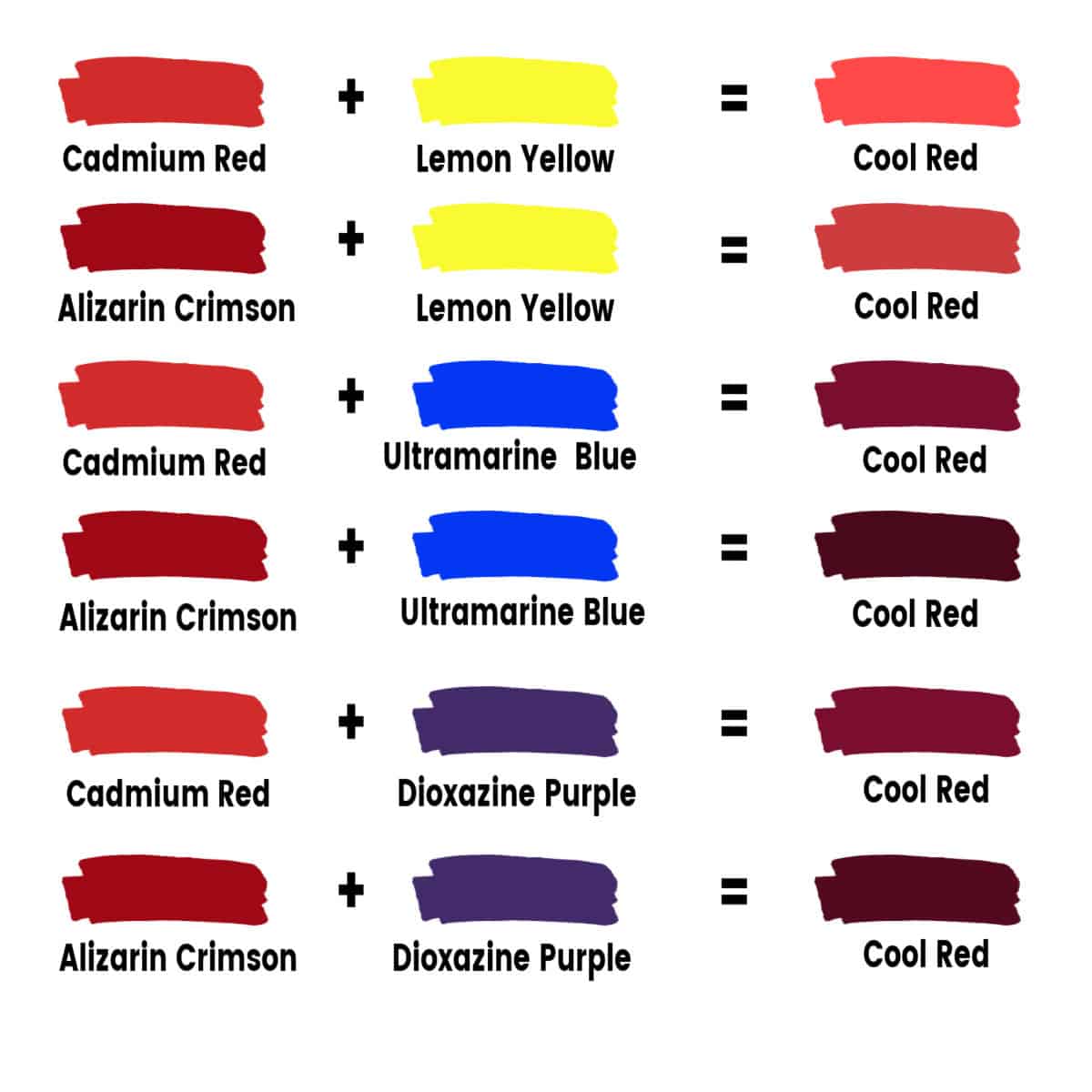
- Translating to Digital Design: When designing for print, designers use CMYK color values. Understanding how CMY pigments interact informs the creation of vibrant and accurate reds in printed materials. For example, a rich, deep red might require a specific balance of magenta and yellow ink, with minimal or no cyan. Even in digital design, the perception of color is influenced by the physical world. Technologists creating physical products, such as smart home devices or wearable technology, must consider how the chosen materials and their inherent colors will interact with ambient light.
The Physics of Perception: Wavelengths and Hue
At the heart of all color is light and its interaction with matter. Color is not an inherent property of an object but rather a perception created by our eyes and brains as they interpret the wavelengths of light reflected or emitted by that object.
Understanding the Electromagnetic Spectrum
Visible light is a small portion of the electromagnetic spectrum, with wavelengths ranging approximately from 380 to 750 nanometers (nm). Different wavelengths within this range are perceived by our eyes as different colors.
- The Red Spectrum: Red light occupies the longer wavelength end of the visible spectrum, typically ranging from about 620 to 750 nm. When an object appears red, it means it is absorbing most of the shorter wavelengths (blues and greens) and reflecting the longer wavelengths that our brains interpret as red.
- Technological Applications in Spectrometry and Color Calibration: For technologists, understanding these wavelengths is crucial in fields like color science, spectroscopy, and color calibration. In manufacturing, precise color matching is essential for product consistency. In scientific instruments, the ability to analyze the spectral composition of light allows for identification and quantification of substances. For software developers working with image processing or color manipulation, a deep understanding of wavelengths can lead to more sophisticated algorithms for color correction, enhancement, and analysis. Imagine developing an AI that can accurately identify ripeness in fruit based on subtle shifts in its spectral signature – this relies on understanding the physics of color.
Practical Applications and Digital Color Management
The theoretical understanding of color mixing and perception directly translates into practical applications for technologists, particularly in digital color management and creative tool development.
Mastering Digital Color Palettes
The way colors are represented and manipulated in digital environments is governed by specific standards and tools. Effective digital color management ensures that colors appear consistently across different devices and media.
- Color Spaces and Models: Beyond RGB and CMYK, other color spaces like HSL (Hue, Saturation, Lightness) and HSV (Hue, Saturation, Value) offer alternative ways to define and manipulate colors. These models can be more intuitive for creative professionals and are often incorporated into software interfaces. For example, a designer might want to adjust the saturation of a red without altering its hue or lightness.
- Tools for Technologists: For technologists developing design tools, visual effects software, or even color-aware algorithms, a thorough understanding of these color models is essential. This includes implementing accurate color conversions between different spaces, providing intuitive color pickers, and enabling sophisticated color grading features. Think about a developer building a new photo editing app; they need to ensure their color tools are robust and allow users to precisely achieve their desired red, whether it’s a vibrant Ferrari red or a muted terracotta.
- Accessibility and Color Blindness: A critical aspect of digital color management is ensuring accessibility. Technologists must consider users with various forms of color blindness. This involves selecting color combinations that are distinguishable for a wide range of users, employing contrast checkers, and providing alternative visual cues beyond color alone. For example, a system that uses only red and green to indicate status might be problematic; introducing different shapes or icons alongside the colors ensures everyone can understand the information.

The Future of Red: AI and Generative Design
The integration of Artificial Intelligence (AI) is revolutionizing how we create and interact with color. AI is not just a tool for manipulating existing colors but for generating entirely new ones, and for understanding color in unprecedented ways.
- AI-Powered Color Generation: Generative AI models are now capable of creating novel color palettes based on learned patterns, user input, or even specific emotional responses. These tools can suggest unique shades of red for branding, product design, or digital art, pushing the boundaries of creative expression.
- Algorithmic Color Theory: AI is also being used to develop more sophisticated understandings of color perception and preference. This can lead to algorithms that can predict how a certain shade of red might be perceived by different user groups or how it might evoke specific emotions. For example, an AI could be trained to generate shades of red that are associated with trust for a financial institution’s branding, or shades that evoke excitement for a gaming interface.
- Personalized Color Experiences: In the future, AI could enable highly personalized color experiences. Imagine an app that dynamically adjusts the color of a digital interface based on your mood or the time of day, all while ensuring the core “reds” are still recognizable and effective. This level of sophisticated color control requires deep algorithmic understanding of color theory and human perception.
In conclusion, the question of “what colors make red paint” is far more than a simple artistic query. For the modern technologist, it’s an entry point into understanding the fundamental principles of light, pigment, and perception that underpin our visual world. From the precise control of pixels on a screen to the complex algorithms that generate new visual experiences, the mastery of color – and specifically the creation and manipulation of reds – is an indispensable skill in the ever-evolving landscape of technology. By delving into the science and practical applications of color mixing, technologists are empowered to build more intuitive, accessible, and visually compelling digital realities.
aViewFromTheCave is a participant in the Amazon Services LLC Associates Program, an affiliate advertising program designed to provide a means for sites to earn advertising fees by advertising and linking to Amazon.com. Amazon, the Amazon logo, AmazonSupply, and the AmazonSupply logo are trademarks of Amazon.com, Inc. or its affiliates. As an Amazon Associate we earn affiliate commissions from qualifying purchases.