
The very question “What colors are Christmas colors?” might seem simple at first glance. Red, green, gold, silver, perhaps a touch of blue and white – these are the hues that immediately spring to mind, deeply ingrained in our collective cultural consciousness. They evoke feelings of warmth, joy, tradition, and anticipation, painting a vivid picture of holiday cheer. But to truly understand the significance and enduring power of these festive shades in our modern world, we must move beyond mere aesthetics. In an era dominated by technological advancement, strategic branding, and intricate financial ecosystems, Christmas colors are far more than just decorative elements; they are powerful tools, data points, and economic drivers.
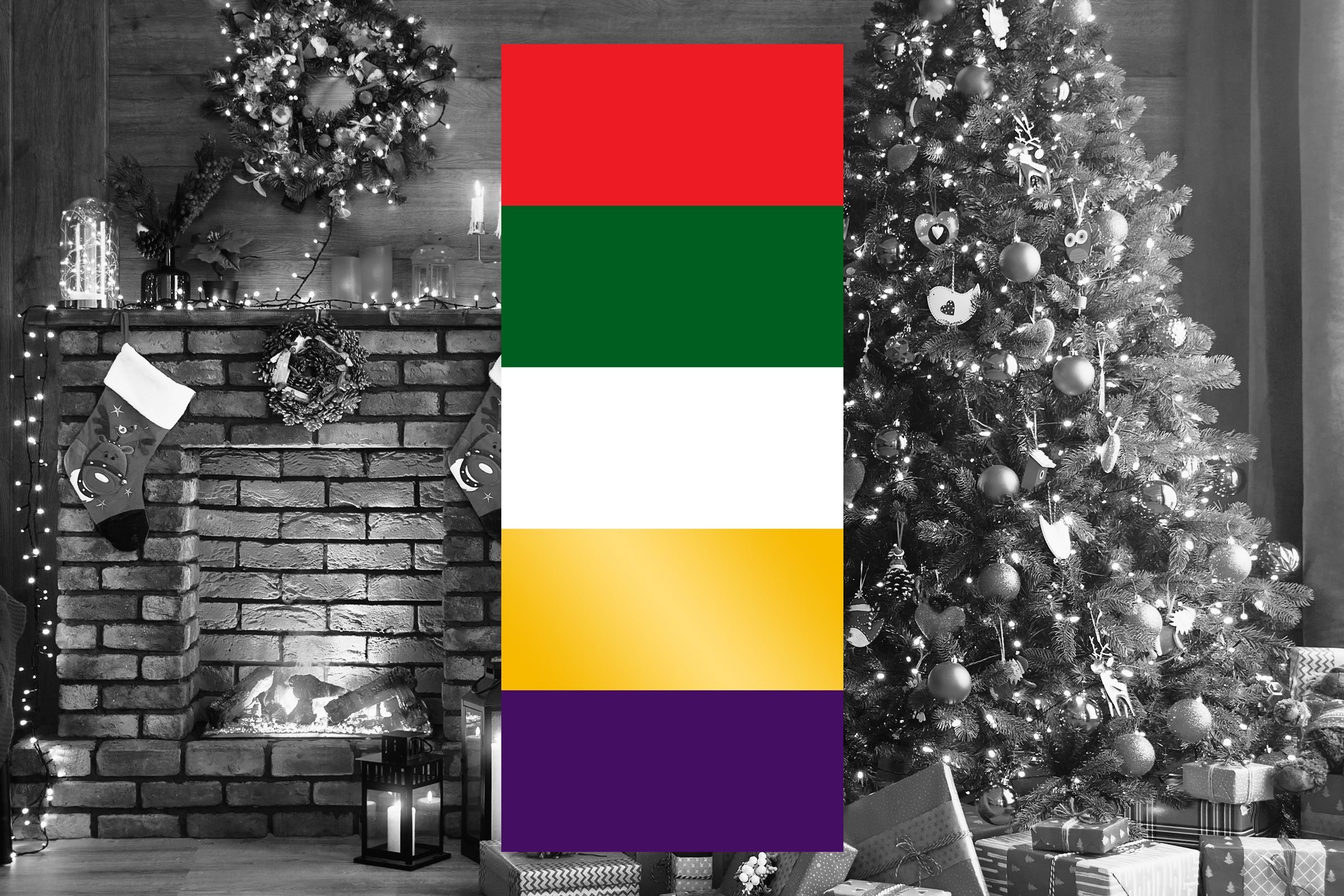
This article delves into the multi-faceted identity of Christmas colors, exploring their psychological impact, their crucial role in brand strategy, their technological applications in the digital age, and their profound financial implications. From the algorithms that predict consumer trends to the sophisticated branding campaigns that shape our festive spending, we will uncover how these traditional hues are continuously reinterpreted and leveraged across the domains of Tech, Brand, and Money, making them as relevant and impactful today as they ever were.
The Psychology and Branding of Christmas Colors: Crafting Emotional Connections
The traditional Christmas palette didn’t emerge by accident; it evolved through centuries of cultural, religious, and commercial influences, culminating in a powerful visual language that triggers specific emotional responses. For businesses and brands, understanding this psychology is paramount. It’s about more than just festive cheer; it’s about strategic communication and forging deep, resonant connections with consumers during the most critical retail season of the year.
Red and Green: The Power Duo’s Enduring Legacy
The dominance of red and green as the quintessential Christmas colors is a testament to their deep historical roots and potent psychological impact. Red, with its associations of warmth, love, passion, and excitement, harks back to pagan traditions celebrating holly berries and the later Christian symbolism of Christ’s blood and Santa Claus’s iconic suit. Psychologically, red is an attention-grabber, stimulating energy and urgency – qualities highly prized in retail environments. Brands leverage this by incorporating red into their holiday logos, advertisements, and product packaging to create a sense of festivity and encourage impulse purchases.
Green, on the other hand, symbolizes nature, life, growth, and renewal, traditionally linked to evergreen trees that remain vibrant even in winter, representing eternal life and hope. It also evokes feelings of calm, harmony, and balance, providing a soothing counterpoint to red’s intensity. Together, red and green create a dynamic yet balanced visual identity that is instantly recognizable as “Christmas.” For brands, this duo offers a powerful, universally understood shortcut to communicate holiday spirit. A tech company might use red and green accents in its app UI during December, while a financial institution could feature them in marketing materials for holiday savings accounts. The brand recognition is so strong that even a subtle hint of this combination can prime consumers for holiday-themed interactions.
Gold and Silver: Symbolism of Value and Modern Luxury
Beyond the primary red and green, gold and silver introduce an element of luxury, value, and celebration. Gold, historically associated with royalty, divinity, and precious metals, symbolizes wealth, prosperity, and generosity. In a Christmas context, it reflects the star of Bethlehem, angels, and the gifts of the Magi. Psychologically, gold communicates quality, premium status, and success, making it a natural choice for brands aiming to position their products as high-end gifts. A tech gadget adorned with gold accents for the holidays, or a luxury brand using gold foil on its packaging, immediately elevates its perceived value.
Silver, while also associated with precious metals, often carries connotations of modernity, sophistication, and magic. It’s cooler than gold, suggesting elegance, purity, and often technology. Think of glittering snow and shimmering tinsel. Brands utilize silver to convey a sleek, contemporary festive feel. For example, a fintech company might use silver in its holiday campaign to emphasize cutting-edge financial solutions, while a gadget retailer might use it to highlight the sleek design of its latest products. Together, gold and silver offer brands a way to tap into aspirational desires, suggesting that their products are not just gifts, but investments in joy and status, directly connecting to the “Money” aspect through perceived financial value.
Beyond Tradition: Blue, White, and the Cool Palette’s Market Appeal
While red, green, gold, and silver form the core, other colors like blue and white have increasingly found their place in the Christmas palette, offering brands more nuanced ways to appeal to diverse audiences and contexts. White, symbolizing purity, peace, and snow, provides a minimalist and serene backdrop. It can convey a sense of crisp winter wonder and purity, often used by brands looking for a clean, sophisticated holiday aesthetic. A tech brand might use a white-dominated UI with subtle color accents to convey elegance and user-friendliness during the holidays.
Blue, particularly icy blues and deep navies, evokes calmness, wisdom, and often has strong religious connotations (e.g., the Virgin Mary). For Christmas, it frequently symbolizes winter nights, frost, and sometimes a more spiritual, less commercialized aspect of the holiday. Brands leverage blue to differentiate themselves, offering a cooler, more tranquil alternative to the vibrant warmth of red and green. This can be particularly effective for brands in the wellness, digital security, or professional services sectors that want to convey reliability and peace of mind even amidst festive excitement. The expansion of the Christmas color palette allows for greater brand diversification, enabling companies to maintain their unique identity while still participating in the holiday spirit, appealing to different consumer segments, and avoiding visual fatigue from traditional schemes.
Leveraging Christmas Colors in the Digital Age: A Tech Perspective
The digital realm has revolutionized how we experience and interact with colors, especially during the holidays. Tech is not just a medium for displaying Christmas colors; it’s a dynamic environment where these hues are optimized, personalized, and even generated through advanced algorithms and immersive technologies. The interplay between traditional colors and cutting-edge tech creates new opportunities for engagement, marketing, and user experience.
Digital Palettes and User Experience: UI/UX Design for Festive Tech
In the digital world, colors are fundamental to User Interface (UI) and User Experience (UX) design. During the Christmas season, apps, websites, and software undergo festive transformations, carefully integrating holiday colors to enhance user engagement and create a celebratory atmosphere. UI/UX designers meticulously select hexadecimal codes and RGB values to ensure that reds are vibrant yet not aggressive, greens are rich but not overwhelming, and golds and silvers shimmer without causing digital strain. The goal is to evoke the comfort and joy of traditional Christmas while maintaining readability and usability.
For example, e-commerce sites might temporarily switch their navigation buttons to a festive red, or an email marketing campaign might feature a snow-dusted green banner. Productivity apps might introduce holiday-themed icon sets, and social media platforms offer festive filters. Beyond aesthetics, designers must consider accessibility – ensuring sufficient contrast for users with visual impairments, even with the new festive palette. This involves using color-checking tools and adhering to WCAG guidelines, demonstrating how tech enables both creative expression and inclusive design in the application of Christmas colors. The success of these digital color adaptations directly impacts user dwell time, conversion rates, and brand perception during the critical holiday shopping period.
AI and Data Analytics: Predicting Color Trends and Consumer Engagement
Artificial intelligence and data analytics have become indispensable tools for understanding and predicting how Christmas colors influence consumer behavior. AI algorithms can analyze vast datasets, including past sales figures, social media trends, search queries, and even sentiment analysis related to specific color schemes, to identify emerging color preferences and optimize marketing strategies. For instance, an AI might detect a surge in interest for “midnight blue Christmas decor” or “rose gold ornaments,” prompting retailers to adjust their inventory and marketing campaigns accordingly.
Machine learning models can predict which color combinations are most likely to drive clicks, conversions, or social media shares. This allows brands to personalize color experiences, tailoring ad creatives or website themes based on individual user data. An AI-powered recommendation engine might suggest gift ideas presented with a user’s preferred holiday color palette. This move from broad strokes to hyper-personalization, driven by data, ensures that brands are not just guessing what colors will resonate but are making informed, data-driven decisions that maximize impact and ROI.
Augmented Reality and Virtual Worlds: Immersive Color Experiences

Augmented Reality (AR) and Virtual Reality (VR) are ushering in a new era for experiencing Christmas colors, moving beyond flat screens into immersive, interactive environments. AR apps allow users to virtually “try on” holiday decorations in their homes, seeing how different color schemes would look before making a purchase. Imagine using your phone to place a virtual red and green wreath on your front door, or to see how gold and silver ornaments would sparkle on your virtual Christmas tree. This reduces purchase hesitation and enhances the shopping experience.
In virtual worlds and the metaverse, Christmas colors take on new dimensions. Users can decorate their virtual homes, attend festive events in richly colored digital spaces, or even customize their avatars with holiday-themed attire. Brands are creating virtual storefronts where products are displayed in dazzling festive settings, allowing consumers to interact with holiday aesthetics in entirely new ways. This technology transforms passive viewing into active participation, making Christmas colors a dynamic part of digital identity and social interaction. For instance, a gaming company might introduce holiday-themed skins or environments featuring traditional festive colors, enhancing player immersion and engagement. The ability of AR/VR to bring colors to life, allowing users to experience them in three dimensions and interact with them, opens up unprecedented opportunities for brands to create memorable and engaging holiday campaigns.
The Economic Impact and Financial Strategy of Holiday Hues
Christmas colors are not merely symbolic; they are powerful economic catalysts, influencing consumer spending, driving retail strategies, and even inspiring new avenues for income generation. The financial implications of these hues are vast, touching everything from inventory management to personalized financial advice.
Color-Driven Consumer Spending: Impulse Buys and Emotional Connections
The strategic deployment of Christmas colors is a cornerstone of holiday retail. Colors are known to trigger emotional responses that can directly influence purchasing decisions, often leading to impulse buys. A display bathed in warm reds and inviting greens creates a sense of urgency and comfort, making shoppers more likely to linger and spend. Gold and silver accents on products signal luxury and gift-worthiness, prompting consumers to perceive higher value and justify premium purchases. Retailers carefully design their store layouts, window displays, and online product pages to maximize the emotional pull of these colors.
Moreover, the emotional connection consumers have with Christmas colors extends beyond mere aesthetics; it taps into nostalgia, tradition, and the desire to create cherished memories. Brands understand that they are not just selling products, but also the “feeling” of Christmas. A red toy car or a green holiday sweater leverages this emotional resonance to drive sales. This phenomenon is amplified in e-commerce, where a website’s festive design, color-coded promotions, and holiday-themed banners are critical for converting browsers into buyers, directly impacting a company’s bottom line during its most profitable quarter.
Investing in Holiday Aesthetics: From E-commerce to Physical Retail
Businesses make significant financial investments in holiday aesthetics, recognizing the substantial return these investments can yield. This includes budgets for seasonal decorations, holiday packaging design, festive marketing campaigns, and even temporary staffing to handle the increased demand driven by holiday cheer. For physical retailers, this means elaborate window displays, in-store signage, and ambient lighting designed to highlight products against a backdrop of traditional Christmas colors. These visual investments aim to create an immersive shopping experience that encourages longer visits and higher spending.
In the e-commerce space, investments are focused on digital aesthetics: professional photography of products in festive settings, development of holiday-themed website templates, and extensive digital advertising campaigns using optimized Christmas color palettes. Brands invest in UX/UI designers to ensure their online presence is not just functional but also aesthetically appealing and emotionally engaging during the holiday season. Furthermore, inventory management and supply chain logistics are often color-coded, with popular festive hues dictating stock levels and promotional strategies. These investments are a calculated financial strategy, designed to capitalize on the heightened consumer spending that characterizes the holiday period, demonstrating that aesthetic choices are deeply intertwined with financial success.
The Side Hustle Economy: Monetizing Color Trends and Festive Creativity
The widespread appeal and distinct visual language of Christmas colors also fuel a vibrant side hustle economy. Individuals and small businesses leverage their creativity and understanding of festive aesthetics to generate income, often utilizing digital tools and platforms. Freelance graphic designers create holiday-themed digital assets, social media templates, and custom illustrations for businesses and individuals, all heavily relying on traditional or trending Christmas color schemes. Crafters sell handmade decorations, apparel, and gifts, where color choice is paramount to desirability.
Online platforms like Etsy, Shopify, and even social media marketplaces become bustling hubs for entrepreneurs monetizing Christmas colors. From creating personalized digital greeting cards with specific color palettes to offering virtual event planning services that incorporate festive themes, the opportunities are diverse. Content creators on platforms like YouTube and Instagram generate revenue by sharing DIY holiday decor tutorials, festive makeup looks, or Christmas-themed recipes, all showcasing and relying on the visual power of these colors. Even financial tools and apps facilitate this, enabling easy payment processing for small businesses and tracking income generated from these festive endeavors. The “Money” aspect here is direct – Christmas colors provide a tangible framework for entrepreneurial ventures, demonstrating how a traditional concept can be a modern economic engine.
The Future of Festive Palettes: Innovation and Sustainability
As we look ahead, the relevance of Christmas colors will continue to evolve, influenced by ongoing technological advancements, shifting brand values, and increasing consumer consciousness around sustainability and personalization. The future promises a fusion of tradition with innovation, making festive palettes more dynamic, ethical, and individually tailored than ever before.
Sustainable Pigments and Ethical Production: A Green Future for Red and Green
The growing global emphasis on sustainability is set to transform how Christmas colors are produced and utilized. Consumers and brands are increasingly demanding eco-friendly products and ethical supply chains. This means a move towards sustainable pigments derived from natural sources, reducing reliance on synthetic dyes that can have environmental impacts. Tech plays a crucial role here, with advancements in material science creating biodegradable glitter, plant-based dyes, and recycled materials that can still achieve vibrant reds, greens, golds, and silvers.
For brands, embracing sustainable color practices becomes a key differentiator and a pillar of their corporate identity. Marketing campaigns highlighting eco-friendly holiday decorations or gifts made with ethically sourced, naturally colored materials resonate deeply with environmentally conscious consumers. While initial investments in sustainable production might be higher, the long-term brand reputation benefits and appeal to a growing market segment can justify the financial outlay. This shift represents not just a trend but a fundamental re-evaluation of what it means to be festive, aligning traditional Christmas colors with modern values of responsibility and stewardship.
Personalization through AI: My Christmas, My Colors
The future of Christmas colors will be increasingly personalized, driven by the power of artificial intelligence. Beyond predicting trends, AI will enable truly bespoke festive experiences. Imagine AI analyzing your past holiday purchases, social media aesthetic, and even your mood to suggest a personalized color palette for your digital and physical decorations. E-commerce platforms could offer AI-generated holiday gift recommendations that are not just product-specific but also color-optimized for the recipient’s known preferences.
This level of personalization extends to digital interfaces, where apps and websites might automatically adjust their festive themes to match individual user preferences – perhaps a minimalist white and silver for one user, and a vibrant traditional red and green for another. AR/VR applications could allow users to design entire virtual Christmas environments based on their unique color choices, offering unparalleled creative freedom. For brands, this means moving away from a one-size-fits-all holiday approach to a hyper-targeted strategy, where products and marketing messages are not just relevant but visually tailored to the individual. This will empower consumers to define “their” Christmas colors, ensuring that the holiday aesthetic remains deeply personal and meaningful in an ever-more digital world.

Conclusion
The question “What colors are Christmas colors?” unveils a surprisingly complex and dynamic landscape when viewed through the lenses of Technology, Branding, and Money. What began as traditional symbols steeped in history and folklore has evolved into a sophisticated array of tools and strategies that shape our modern holiday experience. Red, green, gold, and silver are no longer just decorative; they are data points analyzed by AI, psychological triggers in brand campaigns, and economic drivers fueling a multi-billion dollar industry.
From the meticulous UI/UX design of festive apps to the strategic financial investments in holiday aesthetics, and from the burgeoning side hustle economy built on festive creativity to the future of sustainable pigments and AI-driven personalization, Christmas colors are deeply integrated into the fabric of our contemporary world. They demonstrate how deeply culture, commerce, and innovation intertwine, proving that even the most cherished traditions continue to adapt, thrive, and exert profound influence in the digital age. As we continue to celebrate the holidays, these enduring hues will undoubtedly continue to evolve, promising new technological marvels, branding triumphs, and economic opportunities for years to come.
aViewFromTheCave is a participant in the Amazon Services LLC Associates Program, an affiliate advertising program designed to provide a means for sites to earn advertising fees by advertising and linking to Amazon.com. Amazon, the Amazon logo, AmazonSupply, and the AmazonSupply logo are trademarks of Amazon.com, Inc. or its affiliates. As an Amazon Associate we earn affiliate commissions from qualifying purchases.