
In the intricate world of personal and corporate branding, every detail contributes to the overarching narrative you present to the world. While a gray suit serves as a versatile and sophisticated foundation, the choice of tie color is far more than a mere aesthetic preference; it’s a strategic decision that can subtly yet powerfully influence perceptions, communicate values, and reinforce your unique brand identity. Understanding the psychological implications of color and applying them judiciously allows professionals to wield their attire as a potent tool for visual communication, aligning their personal presentation with their overarching branding objectives.

The Psychology of Color in Personal Branding
Color is an instantaneous communicator, evoking emotions, signaling intentions, and shaping judgments before a single word is spoken. When selecting a tie to complement a gray suit, you’re not just picking a hue; you’re choosing a message. Gray itself is a neutral, representing balance, professionalism, and understated elegance. Its inherent versatility makes it an ideal canvas for projecting specific brand attributes through the deliberate introduction of color.
Gray: The Foundation of Sophistication
A gray suit, whether charcoal, medium, or light, inherently conveys a sense of seriousness, maturity, and a grounded presence. It sidesteps the formality of black while retaining a high degree of professionalism, making it suitable for a vast array of business environments. From a branding perspective, wearing gray positions you as reliable and composed. The subtle variations in gray also allow for nuanced brand expressions; a darker charcoal suit might project more authority and gravitas, while a lighter gray could suggest approachability and modern innovation. The critical branding task, therefore, is to leverage the tie to either amplify these inherent qualities or introduce complementary attributes that round out your personal brand message.
The Power of Contrast and Harmony
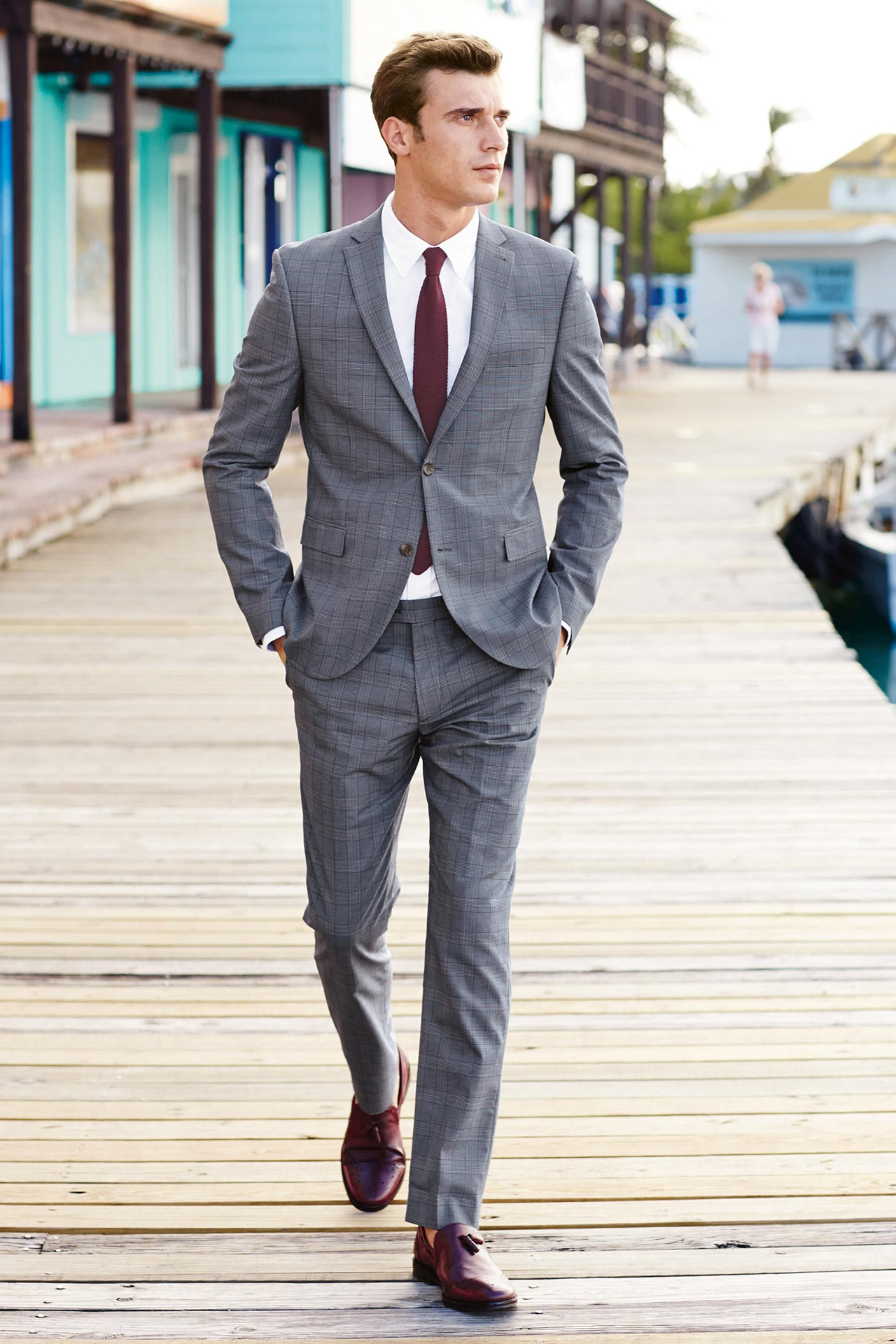
The interaction between the gray suit and the tie color creates either harmony or contrast, both of which can be strategically employed. Harmonious pairings, such as lighter gray suits with ties in similar cool tones (e.g., sky blue, soft lavender), can project a calm, collected, and approachable brand. Contrast, on the other hand, utilizes the gray as a stable backdrop to make the tie, and by extension, the message it carries, stand out. A vivid red tie against a dark gray suit, for instance, immediately signals assertiveness, ambition, and a memorable presence, which can be invaluable for a leader or someone aiming to make a distinct impression in a competitive market. Understanding this interplay is fundamental to harnessing the full branding potential of your ensemble.
Strategic Tie Color Choices for Diverse Professional Settings
The optimal tie color is rarely universal. Instead, it’s a function of the context, the audience, and the specific brand message you wish to convey in a given situation. A dynamic personal brand adapts its visual presentation to maximize impact and resonance, and the tie offers a highly flexible means to achieve this.
Boardroom Authority: Deep Hues and Classic Patterns
In high-stakes environments like board meetings, investor pitches, or negotiations, projecting authority, credibility, and unwavering confidence is paramount for a strong personal brand. Here, a gray suit paired with deep, saturated tie colors is often the most effective choice.
- Navy Blue: A timeless classic, navy blue communicates trust, stability, and intelligence. It’s an ideal choice for professionals in finance, law, or any field where reliability is a cornerstone of their brand. Against a gray suit, a navy tie offers a sophisticated contrast without being overly assertive.
- Burgundy/Deep Red: These shades project power, ambition, and determination. A burgundy tie with a gray suit can command attention and convey strong leadership qualities, making it suitable for executives and those in persuasive roles. However, it’s crucial to ensure it aligns with an assertive yet approachable brand; overuse might be perceived as overly aggressive.
- Forest Green/Emerald: Less common but highly impactful, deep greens suggest prosperity, growth, and a connection to nature—qualities that can be leveraged by brands focused on sustainability, long-term vision, or innovation. Against gray, it adds a touch of understated sophistication and distinction.
- Charcoal/Black (with texture): While monochromatic, a charcoal or black tie with a subtle texture or pattern against a lighter gray suit can project extreme sophistication, gravitas, and a sleek, modern authority. This choice is particularly effective for brands aiming for minimalist elegance and serious intent.
Classic patterns like subtle stripes, paisleys, or polka dots in these colors can further enhance the professional brand without detracting from the primary message of authority.
Creative Collaboration: Textures and Subtle Statements
For roles that demand creativity, innovation, or a collaborative spirit, a personal brand often benefits from a presentation that is approachable yet distinct. The gray suit remains a solid base, but the tie can introduce elements of personality and creative flair.
- Lighter Blues/Teals: Sky blue, light navy, or teal ties can signify openness, creativity, and a calm, cooperative demeanor. These colors pair beautifully with lighter gray suits, projecting an image of modern professionalism and approachability. A brand focused on fostering collaboration might find these hues particularly effective.
- Subtle Purples/Lavenders: Purple, historically associated with royalty and wisdom, can also convey creativity, vision, and ingenuity. Lighter shades like lavender or lilac, especially with a textured fabric, can suggest a thoughtful, imaginative personal brand without being overtly flashy.
- Earthy Tones (Olive, Rust, Brown): For brands emphasizing authenticity, groundedness, or a connection to craft, ties in sophisticated earthy tones can provide a warm, inviting contrast to a gray suit. These colors can communicate a down-to-earth yet refined brand persona, appealing to industries related to design, artisanal products, or sustainable practices.
- Textured Fabrics: Beyond color, ties made from wool, linen, or knit silk can add a tactile dimension that speaks to a brand’s attention to detail and creative depth. These fabrics inherently feel less formal than highly polished silk, signaling a more relaxed yet still highly professional and discerning brand identity.
Client-Facing Engagement: Approachable and Trustworthy Tones
When the goal is to build rapport, instill confidence, and convey reliability to clients, the personal brand needs to be both authoritative and exceptionally approachable. The tie choice here should strike a balance, fostering trust while reflecting professionalism.
- Medium Blues (Cobalt, French Blue): These versatile blues offer a perfect blend of trustworthiness and accessibility. They project competence without being intimidating, making them excellent choices for consultants, sales professionals, and account managers whose brands revolve around client relationships.
- Soft Greens (Sage, Mint): Greens are often associated with growth, harmony, and balance. A soft green tie can communicate a calm, reassuring presence, making it ideal for brands in advisory roles, healthcare, or client support, where empathy and stability are key.
- Patterned Ties with Controlled Colors: A tie with a subtle pattern incorporating 2-3 colors, such as a neat foulard or regimental stripe, can add interest and personality without overwhelming. For example, a navy tie with subtle light blue and silver stripes on a gray suit can project a dynamic yet dependable brand. The key is patterns that are not distracting but rather add a layer of sophistication.
- Silver/Light Gray: A tie in a lighter shade of gray or silver can create an elegant, monochrome look with a darker gray suit, suggesting understated confidence and sophistication. This choice is excellent for brands that value clean lines, modern aesthetics, and quiet authority.
Aligning Your Tie with Corporate Identity and Brand Messaging

A crucial aspect of personal branding within an organizational context is ensuring alignment with the overarching corporate identity. Your attire, particularly your tie, can be a subtle yet powerful reinforcement of the company’s values, mission, and visual brand.
Reflecting Brand Colors (Subtly)
While it’s rarely appropriate to wear a tie that exactly matches a company’s vibrant logo color, you can subtly integrate corporate brand colors. If a company’s primary color is a specific shade of blue, for instance, a tie in a complementary or slightly darker shade of that blue, perhaps with a subtle pattern, can demonstrate brand loyalty and cohesion. This shows that you understand and embody the corporate brand, positioning you as a true brand ambassador. The goal is not to be a walking billboard but to subtly echo the brand’s visual language, reinforcing a unified front. For companies with very specific color palettes, choosing a tie that pulls a secondary or tertiary color from their brand guidelines can be incredibly effective and sophisticated.
Projecting Company Values through Personal Presentation
Beyond color, the overall presentation of your tie—its fabric, pattern, and the care with which it’s worn—communicates professionalism that reflects positively on the company. A well-knotted, clean, and appropriately chosen tie demonstrates meticulousness, respect for the occasion, and attention to detail. These are often core values for successful businesses. If the corporate brand emphasizes innovation, a tie with a modern print or unique texture might align better than a traditional striped tie. If the company brand is about heritage and tradition, a classic silk tie in a conservative pattern would be more fitting. Your personal presentation becomes an extension of the corporate brand, reinforcing its values through your embodiment of them.
Beyond Color: Fabric, Pattern, and Knot as Brand Elements
While color is primary, the tactile and structural elements of your tie also contribute significantly to your visual brand message, offering further layers of communication when paired with a gray suit.
The Tactile Message of Fabric
The fabric of your tie speaks volumes about your brand’s subtlety and attention to detail.
- Silk: The quintessential tie fabric, polished silk projects refinement, luxury, and traditional professionalism. A crisp silk tie with a slight sheen is ideal for formal business settings where a polished and authoritative brand image is crucial.
- Wool/Cashmere: Ties made from wool or cashmere offer a more subdued, textured look. They convey warmth, approachability, and an appreciation for quality without overt flashiness. These are excellent for creative industries, casual business environments, or for brands aiming for an understated, intellectual elegance.
- Linen/Cotton: More casual and breathable, linen or cotton ties suggest a relaxed, perhaps even artisanal, brand. They can be particularly effective in warmer climates or for creative professionals who want to project a sophisticated yet unpretentious image.
Pattern as a Personality Statement
Patterns can inject personality and nuance into your brand presentation:
- Solid: A solid tie is clean, minimalist, and direct, projecting confidence and clarity. It allows the color to speak most powerfully.
- Stripes (Regimental/Repp): These are classic and convey tradition, order, and authority. The direction and thickness of the stripes can slightly alter the message; upward-sloping stripes (from wearer’s left to right) are traditionally seen as more assertive in some cultures.
- Paisley/Foulard: These intricate patterns suggest creativity, sophistication, and a discerning eye. They can soften a rigid suit without sacrificing professionalism, ideal for a brand that combines traditional authority with a touch of artistic flair.
- Geometric/Micro-patterns: Modern and often subtle, these patterns project a contemporary, precise, and forward-thinking brand. They can add visual interest without being distracting, suitable for tech or design-oriented brands.
The Knot: A Detail of Precision
Even the tie knot contributes to your brand. A crisp, well-formed knot (e.g., Four-in-Hand, Half Windsor, Full Windsor) indicates attention to detail and meticulousness. A knot that is too loose or sloppy can detract from an otherwise impeccable ensemble, sending a message of carelessness. The size of the knot should also complement your collar and facial structure, ensuring overall visual harmony that reinforces a thoughtful and put-together brand image.
Practical Application: Developing Your Tie Wardrobe as a Brand Asset
Building a versatile tie collection is an investment in your personal brand. It allows you to strategically adapt your visual identity to meet diverse professional demands, always ensuring that your presentation aligns with your objectives.
Building a Versatile Collection
Start with foundational colors like navy blue, burgundy, and a sophisticated solid gray or charcoal for your gray suits. These provide the essential tools for projecting authority and trustworthiness. Gradually expand to include lighter blues, greens, and perhaps a subtle patterned tie that speaks to your unique personality and industry. Consider different fabrics for different seasons or levels of formality. Think of your tie wardrobe not as an expense, but as a strategic asset that enhances your professional opportunities and strengthens your personal brand equity.
The Investment in Impeccable Presentation
Ultimately, the choice of “what color tie with a gray suit” transcends mere fashion. It is an act of deliberate branding, a non-verbal declaration of who you are, what you represent, and the values you bring to the professional arena. By understanding the psychology of color, the nuances of fabric and pattern, and the importance of context, you can leverage this seemingly small detail to significantly amplify your professional image and achieve your branding goals. An impeccable presentation is a commitment to excellence, a visible testament to your attention to detail, and a powerful tool in shaping perceptions.
aViewFromTheCave is a participant in the Amazon Services LLC Associates Program, an affiliate advertising program designed to provide a means for sites to earn advertising fees by advertising and linking to Amazon.com. Amazon, the Amazon logo, AmazonSupply, and the AmazonSupply logo are trademarks of Amazon.com, Inc. or its affiliates. As an Amazon Associate we earn affiliate commissions from qualifying purchases.