
Embarking on the journey of stock market investing can seem daunting, yet it remains one of the most powerful avenues for building long-term wealth. For beginners, the sheer volume of information and the perceived complexity can be overwhelming. However, by breaking down the process into manageable steps, anyone can confidently begin their investment career. This guide aims to demystify the initial stages, providing a clear roadmap to understanding, preparing for, and executing your first stock purchases.
Laying the Foundation: Understanding Stock Market Basics
Before you even consider placing a trade, it’s crucial to grasp the fundamental concepts that underpin the stock market. A solid understanding will build confidence and inform your investment decisions.
What is a Stock?
At its core, a stock (also known as equity) represents a small ownership stake in a company. When you buy a share of stock, you become a part-owner of that business. Publicly traded companies issue shares to raise capital, which they then use to grow their operations, develop new products, or expand into new markets. As an owner, you have a claim on the company’s assets and earnings, proportionate to the number of shares you hold.
Why Invest in Stocks?
People invest in stocks primarily for two reasons:
- Capital Appreciation: The hope that the value of the stock will increase over time, allowing you to sell it for more than you paid. This growth is typically driven by the company’s success, market demand, and economic factors.
- Dividends: Some companies distribute a portion of their profits to shareholders in the form of dividends. These are typically paid quarterly and can be a steady source of income, or they can be reinvested to buy more shares, further accelerating your wealth accumulation through compounding.
Investing in stocks also offers a hedge against inflation. Over long periods, the stock market has historically outpaced inflation, preserving and growing your purchasing power.
Key Terminology for Beginners
Navigating the stock market requires familiarity with certain terms:
- Market Capitalization (Market Cap): The total value of a company’s outstanding shares. It’s calculated by multiplying the current share price by the number of shares outstanding. Companies are often categorized by market cap (e.g., small-cap, mid-cap, large-cap).
- P/E Ratio (Price-to-Earnings Ratio): A common valuation metric, it compares a company’s current share price to its per-share earnings. A higher P/E ratio might indicate higher growth expectations, while a lower one could suggest a company is undervalued or has slower growth.
- Dividend Yield: The annual dividend payment per share divided by the stock’s current share price, expressed as a percentage. It indicates the return on investment from dividends alone.
- Volatility: The degree of variation of a trading price series over time. High volatility means prices fluctuate widely, implying higher risk but also potentially higher returns.
- Liquidity: How easily an asset can be converted into cash without affecting its market price. Highly liquid stocks can be bought and sold quickly without significant price impact.
Distinguishing Between Trading and Investing
It’s vital to differentiate between “trading” and “investing.”
- Investing is typically a long-term strategy, focusing on buying and holding stocks for years or even decades, aiming for growth and dividends. The mindset is rooted in fundamental analysis of a company’s value and future prospects.
- Trading involves short-term strategies, often buying and selling stocks within days, weeks, or months, to profit from immediate price fluctuations. Traders often rely on technical analysis and market timing.
For beginners, a long-term investing approach is generally recommended due to its lower stress, reduced transaction costs, and historical track record of wealth creation.
Essential Preparations Before Your First Purchase
Before you commit any capital to the market, several critical preparatory steps will ensure you’re investing responsibly and strategically.
Define Your Financial Goals
What do you hope to achieve with your investments? Are you saving for retirement, a down payment on a house, your children’s education, or simply building general wealth? Clear, specific financial goals (e.g., “I want to have $500,000 invested for retirement in 25 years”) will guide your investment strategy, risk tolerance, and time horizon. Without goals, your investment journey lacks direction.
Assess Your Risk Tolerance
Every investment carries some degree of risk. Your risk tolerance is your ability and willingness to take on financial risk. Are you comfortable with the possibility of your portfolio’s value declining significantly in exchange for potentially higher long-term returns? Or do you prefer more stable, lower-growth investments? Understanding your comfort level with risk is crucial for selecting appropriate investments and avoiding emotional decisions during market downturns. There are various online questionnaires that can help you gauge your risk tolerance.
Build an Emergency Fund
Before you invest, ensure you have a robust emergency fund. This is typically three to six months’ worth of living expenses saved in an easily accessible, liquid account (like a high-yield savings account). An emergency fund acts as a financial safety net, preventing you from having to sell investments at an inopportune time (e.g., during a market dip) to cover unexpected expenses like job loss or medical emergencies.
Budget for Investing
Determine how much you can realistically and consistently afford to invest each month without compromising your essential living expenses or emergency fund. A common strategy is to “pay yourself first,” setting aside a portion of your income for investing immediately after you receive it. Even small, consistent contributions can grow significantly over time due thanks to the power of compounding.
Educate Yourself Continuously
The world of finance is dynamic. Commit to ongoing learning. Read reputable financial news, books, and articles. Follow experienced investors and financial educators. The more you understand about the economy, industries, and specific companies, the better equipped you’ll be to make informed decisions.
Navigating Investment Account Options
To buy stocks, you’ll need an investment account. The type of account you choose will depend on your financial goals and tax situation.
Choosing a Brokerage Platform
A brokerage firm provides the platform and services necessary to buy and sell stocks. You’ll typically choose between:
- Discount Brokers: These are often online platforms (e.g., Fidelity, Charles Schwab, E*TRADE, Vanguard, Robinhood) that offer lower fees (many now offer commission-free stock and ETF trades) and a wide array of self-service tools. They are ideal for investors who prefer to manage their own portfolios.
- Full-Service Brokers: These offer personalized advice, research, and portfolio management from a financial advisor. They charge higher fees, typically suitable for high-net-worth individuals or those who prefer a hands-off approach.
When choosing a platform, consider fees, available investment products, research tools, customer support, and user interface.
Understanding Account Types

- Taxable Brokerage Accounts: These are general investment accounts with no contribution limits or restrictions on withdrawals. However, any capital gains or dividends are subject to taxes in the year they are realized or received. They offer maximum flexibility.
- Retirement Accounts (IRAs, 401(k)s): These accounts offer significant tax advantages, designed to help you save for retirement.
- Traditional IRA/401(k): Contributions are often tax-deductible, and investments grow tax-deferred until retirement when withdrawals are taxed as ordinary income.
- Roth IRA/401(k): Contributions are made with after-tax dollars, but qualified withdrawals in retirement are entirely tax-free.
These accounts typically have annual contribution limits and penalties for early withdrawals, but their long-term tax benefits are substantial.
- Robo-Advisors: These are automated, algorithm-driven financial advisors that manage your portfolio based on your risk tolerance and goals. They typically invest in low-cost ETFs and offer rebalancing, making them an excellent choice for passive investors seeking low-fee, diversified portfolios. Examples include Betterment and Wealthfront.
Opening and Funding Your Account
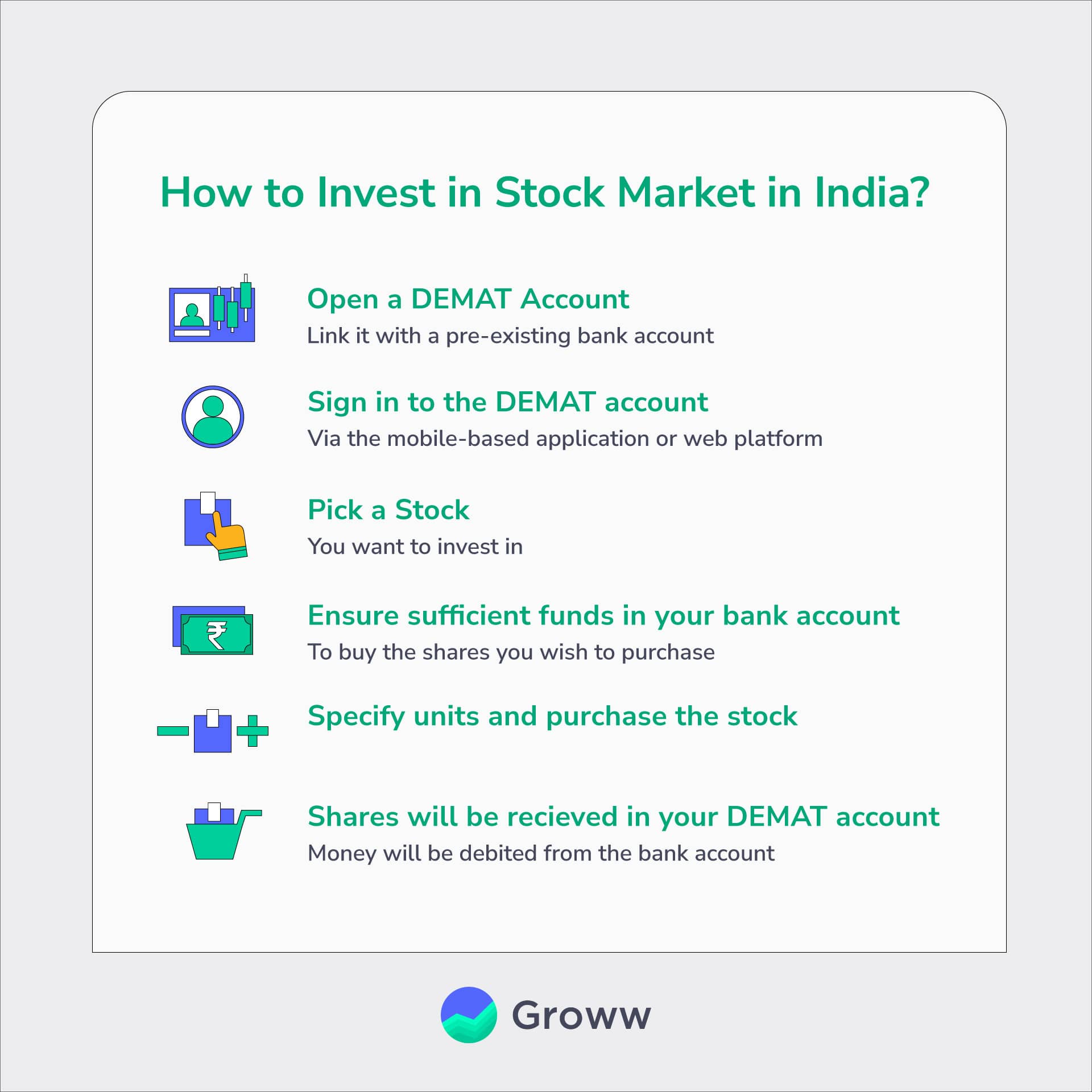
Once you’ve selected a brokerage and account type, you’ll go through an account opening process, which usually involves providing personal information (Know Your Customer or KYC), linking your bank account, and funding the account through electronic transfers, wire transfers, or checks. This process typically takes a few business days.
Strategies for Stock Selection and Portfolio Construction
With your account ready, the next step is deciding what to invest in. A thoughtful approach to stock selection and portfolio construction is key to long-term success.
The Power of Diversification
Diversification is the most fundamental principle of risk management in investing. It means spreading your investments across various assets, industries, and geographies to reduce the impact of poor performance from any single investment. “Don’t put all your eggs in one basket” is the adage. A diversified portfolio might include stocks from different sectors (e.g., technology, healthcare, consumer staples), various market capitalizations, and even different asset classes (e.g., bonds, real estate, international stocks).
Fundamental Analysis for Beginners
For long-term investors, fundamental analysis involves evaluating a company’s financial health, management, and industry to determine its intrinsic value.
- Company Performance: Look at key financial statements. Are revenues growing consistently? Is the company profitable? How much debt does it carry?
- Industry Outlook: Is the industry in which the company operates growing or declining? What are the competitive forces?
- Management Quality: Assess the leadership team’s experience, track record, and vision for the company’s future. Good management is crucial for long-term success.
While deep fundamental analysis can be complex, beginners can start by focusing on well-established companies with strong balance sheets, consistent earnings, and a clear competitive advantage.
Considering Index Funds and ETFs
For many beginners, individual stock picking can be overwhelming and risky. This is where index funds and Exchange Traded Funds (ETFs) shine.
- Index Funds: Mutual funds designed to match the performance of a specific market index (e.g., S&P 500). They provide instant diversification by holding a basket of stocks that represent the entire index.
- ETFs: Similar to index funds but trade like individual stocks on an exchange. They offer diversification, low expense ratios, and flexibility.
Both options provide broad market exposure and diversification at a low cost, making them excellent starting points for new investors who want to gain market returns without the intensive research required for individual stocks.
Avoiding Common Pitfalls
- Chasing Hot Stocks: Resist the urge to invest in stocks purely because they’ve seen rapid recent gains or are trending. Often, by the time a stock is “hot,” much of its potential growth has already occurred.
- Emotional Decisions: Fear and greed are powerful emotions that can lead to poor investment choices. Stick to your investment plan and avoid making impulsive decisions based on short-term market fluctuations.
- Over-Concentration: Putting too much of your portfolio into a single stock or a few related stocks significantly increases your risk. Always prioritize diversification.
Making Your First Trade and Cultivating a Long-Term Mindset
After thorough preparation, it’s time to take the plunge. Understanding how to execute your first trade and maintaining a disciplined long-term perspective are vital.
Placing an Order
When you decide to buy a stock, you’ll typically have a few order types to choose from:
- Market Order: This instructs your broker to buy or sell shares immediately at the best available current market price. While it guarantees execution, the exact price might fluctuate slightly from what you see on screen, especially in volatile markets.
- Limit Order: This allows you to specify the maximum price you’re willing to pay for a stock (when buying) or the minimum price you’re willing to accept (when selling). Your order will only execute if the stock reaches your specified price or better. This offers more control over the price but doesn’t guarantee execution.
For most beginners buying established stocks, a market order is often sufficient, especially for long-term holds where minor price differences won’t significantly impact overall returns.
Dollar-Cost Averaging
A highly recommended strategy for beginners is dollar-cost averaging (DCA). This involves investing a fixed amount of money at regular intervals (e.g., $100 every month) regardless of the stock’s price. When the price is high, your fixed amount buys fewer shares; when the price is low, it buys more shares. Over time, this strategy averages out your purchase price, reduces the risk of investing a large sum at an unfortunate market peak, and fosters consistent investment habits.
Monitoring Your Investments (Without Obsessing)
While it’s important to periodically review your portfolio’s performance and ensure it aligns with your goals, constantly checking stock prices can lead to anxiety and impulsive decisions. Focus on the long-term trend, not daily fluctuations. Rebalance your portfolio annually or as needed to maintain your desired asset allocation.
Reinvesting Dividends
Many brokerage accounts offer a Dividend Reinvestment Plan (DRIP), which automatically uses your dividend payments to buy more shares of the same stock or ETF. This is a powerful way to accelerate your wealth accumulation through compounding, as your dividends earn more dividends.
The Importance of Patience and Discipline
The stock market is a marathon, not a sprint. Short-term volatility is normal, but historically, the market has trended upwards over long periods. Patience, discipline, and a commitment to your long-term investment strategy are paramount. Avoid panicking during market downturns; these can often present opportunities to buy quality assets at lower prices.

Understanding Taxes on Investments
As your investments grow, you’ll need to consider the tax implications.
- Capital Gains: When you sell a stock for a profit, that profit is considered a capital gain. Short-term capital gains (assets held for one year or less) are taxed at your ordinary income tax rate. Long-term capital gains (assets held for more than one year) typically qualify for lower, preferential tax rates.
- Dividends: Dividends are also taxable income, though qualified dividends may be taxed at the lower long-term capital gains rates.
It’s always wise to consult with a qualified tax advisor to understand how investment income and capital gains affect your specific tax situation.
Beginning your journey into stock investing is a significant step towards financial independence. By understanding the basics, preparing diligently, choosing the right tools, and committing to a long-term, disciplined approach, you can build a robust investment portfolio that serves your financial goals for years to come.
aViewFromTheCave is a participant in the Amazon Services LLC Associates Program, an affiliate advertising program designed to provide a means for sites to earn advertising fees by advertising and linking to Amazon.com. Amazon, the Amazon logo, AmazonSupply, and the AmazonSupply logo are trademarks of Amazon.com, Inc. or its affiliates. As an Amazon Associate we earn affiliate commissions from qualifying purchases.