
For decades, the question “What color is my skin tone?” was answered through subjective observation, physical makeup swatches, or the rudimentary lighting of a department store mirror. However, as we move deeper into the decade of ambient computing and hyper-personalization, the process of identifying one’s skin tone has transitioned from a guessing game to a high-tech discipline. Today, computer vision, artificial intelligence (AI), and advanced spectral imaging are redefining how we perceive, measure, and digitize human skin.
The intersection of dermatology and digital technology has birthed a new sector: Beauty-Tech. This field leverages sophisticated hardware and software to provide users with an objective, data-driven answer to their skin tone queries. Understanding the technology behind these tools is essential for grasping how digital accuracy is replacing human error in the multibillion-dollar skincare and cosmetics industries.
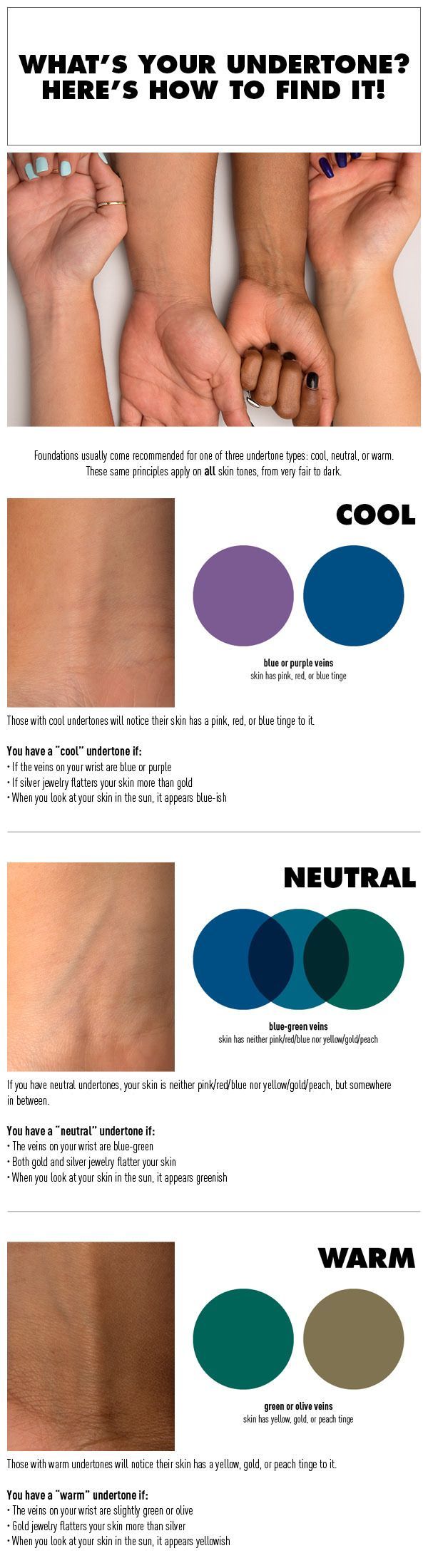
The Evolution of Skin Tone Identification Technology
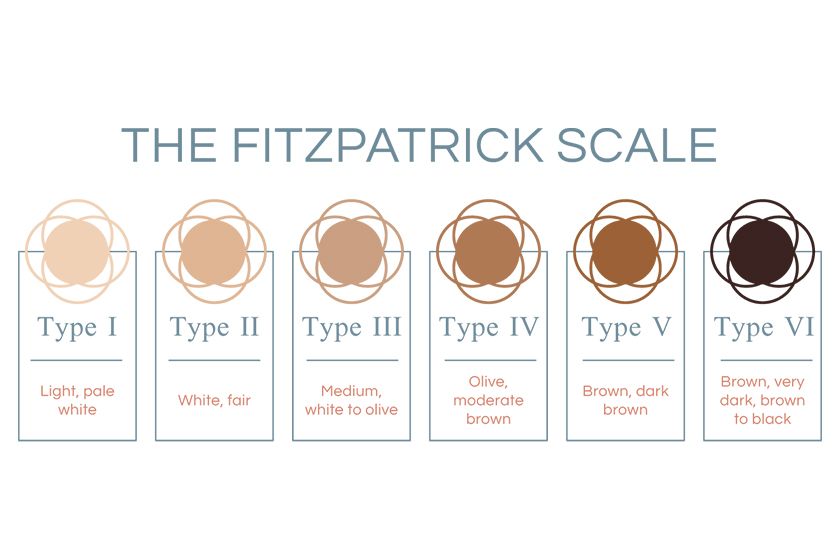
The journey from manual color matching to digital precision began with a fundamental shift in how we quantify color. Traditionally, the beauty industry relied on the Fitzpatrick scale—a six-point classification system developed in 1975. While useful for clinical dermatology, it lacked the granularity required for modern digital applications.
From Manual Swatches to Digital Pixels
Early digital attempts at skin tone identification were limited by the quality of consumer-grade cameras. A smartphone camera in 2010 could not distinguish between a warm undertone and a cool undertone under fluorescent lighting. Today, however, image sensors have reached a level of sensitivity that allows software to analyze the “sub-surface scattering” of light—the way light penetrates the skin and reflects off the layers beneath the epidermis. This leap in hardware allows algorithms to look past surface redness or temporary tanning to find the “true” biological pigment.
The Role of Spectrophotometry in Modern Hardware
At the professional level, the gold standard for answering “What color is my skin tone?” is the spectrophotometer. This device works by emitting a full spectrum of light onto the skin’s surface and measuring the intensity of the light that reflects back at specific wavelengths. In the tech space, these industrial sensors are being miniaturized. We are seeing the emergence of “skin-scanning” gadgets that sync with smartphones via Bluetooth, utilizing multi-spectral sensors to provide a Lab color space reading—a three-dimensional model that maps color far more accurately than the standard RGB (Red, Green, Blue) values used by computer monitors.
Artificial Intelligence and Computer Vision Algorithms
Software is the brain that interprets the data captured by the hardware. When a user takes a “selfie” to determine their skin tone, a complex series of events occurs within the device’s processor in a matter of milliseconds.
How Convolutional Neural Networks (CNNs) Process Skin Data
Modern skin-tone apps utilize Convolutional Neural Networks (CNNs), a type of deep learning specifically designed for processing structured arrays of data such as images. These networks are trained on millions of diverse images to recognize patterns in human skin. The algorithm doesn’t just look at one pixel; it analyzes the relationship between pixels across different areas of the face—the forehead, the jawline, and the inner wrist—to calculate a median skin tone that accounts for hyperpigmentation or shadows.
Overcoming Lighting Variables with Edge Computing
One of the greatest technical hurdles in digital skin tone detection is “white balance.” The same skin can look orange under incandescent light and blue under a cloudy sky. To solve this, developers use AI-driven “auto-white balance” (AWB) correction. By utilizing edge computing, the smartphone processes the image locally to identify a neutral reference point within the frame. Some high-end apps now require the user to hold a white piece of paper next to their face; the algorithm uses the known properties of the paper to calibrate the camera’s sensors in real-time, ensuring the resulting skin tone reading is mathematically accurate regardless of environmental lighting.
The Rise of Beauty-Tech and Personalization Apps
The practical application of this technology has revolutionized the consumer experience. The quest to find a “perfect match” in foundation or concealer has shifted from the physical store to the digital interface, powered by massive databases and real-time rendering.
Augmented Reality (AR) and Virtual Try-Ons
Companies like L’Oréal (via ModiFace) and Perfect Corp (YouCam Makeup) have pioneered the use of AR to simulate how products interact with specific skin tones. These platforms use “Skin Tone Mapping” to overlay digital pigments onto a live video feed. This requires the tech to track the movement of the face in 3D space while maintaining the color accuracy of the digital product. The challenge here is “blending”—the software must use alpha-compositing to ensure the digital makeup looks like it is sitting on the skin, rather than floating above it, which requires precise knowledge of the user’s base skin tone.
Hyper-Personalized Product Recommendations
Once the AI has answered “What color is my skin tone?”, the data is fed into recommendation engines. These are not simple filters; they are sophisticated Big Data tools that cross-reference a user’s unique hex code or Lab value against a brand’s entire inventory. This “Match-Tech” reduces the return rate of products and increases consumer trust. For the tech industry, this represents a successful merger of computer vision and e-commerce logistics, creating a seamless loop from data acquisition to physical delivery.
Ethical Engineering and the Problem of Algorithmic Bias
As we rely more on technology to define human traits, the tech industry faces a significant challenge: ensuring that these algorithms are inclusive. Historically, many digital imaging technologies were optimized for lighter skin tones, leading to “algorithmic bias” where darker skin tones were either misidentified or ignored by sensors.
The Fitzpatrick Scale vs. Modern Digital Diversity
Engineers are now moving away from the limited Fitzpatrick scale toward more inclusive frameworks like the Monk Skin Tone (MST) Scale. Developed in partnership with Google, the MST Scale offers 10 distinct shades that better represent the global population. By integrating more diverse scales into the training sets of AI models, tech companies are ensuring that the question “What color is my skin tone?” is answered with equal accuracy for a user in Lagos as it is for a user in Oslo.
Building More Inclusive Datasets for Global Tech
The quality of an AI is only as good as its training data. Tech giants are now investing in “Data Diversity Initiatives,” where they collect thousands of high-resolution images of varying skin tones under controlled lighting. This commitment to “Inclusive AI” is not just a social imperative but a technical one. For a computer vision system to be truly robust, it must be able to navigate the entire spectrum of human melanin without losing fidelity.
The Future of Skin-Sensing Wearables and Diagnostic Tools
We are moving toward a future where “skin tone” is not just a static color, but a dynamic data point used for health and wellness. The technology is migrating from the smartphone screen to wearable devices and integrated sensors.
Real-Time UV Monitoring and Health Integration
The next generation of wearables will likely include sensors that monitor how your specific skin tone reacts to UV exposure in real-time. By knowing your precise melanin levels (your skin tone), a smart-watch can calculate exactly how much Vitamin D you are absorbing or when you are at risk of a burn. This shifts the conversation from cosmetics to preventative medicine. The tech involved uses “Reflectance Pulse Oximetry” to not only look at color but also at blood flow and oxygenation, providing a holistic view of skin health.

The Convergence of Dermatology and Generative AI
Generative AI is also entering the space. Soon, instead of just identifying your skin tone, AI will be able to predict how your skin tone will change over time due to aging, sun exposure, or skincare treatments. By using “Generative Adversarial Networks” (GANs), software can create high-fidelity simulations of a user’s future skin state. This allows for a level of proactive “Skin Strategy” that was previously impossible.
In conclusion, the simple question of “What color is my skin tone?” has become a catalyst for some of the most impressive advancements in modern technology. From the physics of light capture to the ethics of machine learning, determining skin tone is a complex digital feat. As these tools become more accessible, they will continue to empower users with objective data, bridging the gap between our physical selves and our digital identities. The future of skin tone identification is not just about a shade on a chart—it is about a sophisticated digital ecosystem that understands the unique biological signature of every individual.
aViewFromTheCave is a participant in the Amazon Services LLC Associates Program, an affiliate advertising program designed to provide a means for sites to earn advertising fees by advertising and linking to Amazon.com. Amazon, the Amazon logo, AmazonSupply, and the AmazonSupply logo are trademarks of Amazon.com, Inc. or its affiliates. As an Amazon Associate we earn affiliate commissions from qualifying purchases.