
The question “what color is hickory?” transcends a simple aesthetic query; for brands, designers, and marketers, it delves into a critical aspect of material selection, product positioning, and brand identity. Hickory, renowned for its strength and distinctive grain, offers a complex palette that is far more nuanced than a singular “brown.” Understanding its natural variations, how it responds to finishes, and its psychological impact on consumers is paramount for any business leveraging this versatile wood. Its color contributes directly to a product’s perceived quality, its market appeal, and ultimately, a brand’s visual language.
The Natural Palette of Hickory: More Than Just Brown
Hickory wood, sourced primarily from North America, possesses a natural color spectrum that is both rich and varied, making it a dynamic choice for product development and interior design. This inherent variability is not a limitation but rather a unique characteristic that, when understood and strategically utilized, can become a powerful brand differentiator.

Unveiling Hickory’s Inherent Hues
At its core, raw hickory wood presents a striking contrast between its heartwood and sapwood. The heartwood, the older, denser central portion of the tree, typically ranges from a light to medium reddish-brown, often displaying warm, earthy undertones. This rich hue can sometimes veer into darker chocolatey browns or even possess faint hints of gray, depending on the specific species of hickory and the conditions of its growth. In contrast, the sapwood, the younger, outer portion of the trunk, is characteristically much lighter, often appearing as a creamy white, pale yellow, or even a very light tan. This stark natural two-tone effect is a hallmark of hickory and is frequently celebrated in “natural” or “rustic” finishes, allowing the material’s authentic character to shine through. For brands aiming for an organic, unrefined aesthetic, showcasing this natural duality can convey authenticity and connection to nature.
Grain and Texture: A Design Element in Itself
Beyond its color, hickory’s prominent and often wavy grain pattern significantly influences its visual impact. The grain lines are typically straight but can exhibit distinctive waves, burls, and knots, contributing to a busy yet captivating surface. This strong grain pattern, combined with the color variations, creates a highly textured visual field. Unlike woods with a uniform, subtle grain, hickory demands attention. For product designers, this means considering how the grain will interact with the product’s form and function. In flooring, for instance, the active grain can hide minor imperfections and add a sense of movement to a space. In furniture, it can become the focal point, emphasizing craftsmanship and the natural origin of the material. Brands utilizing hickory must account for this inherent visual busyness; it can either complement a minimalist design by providing natural contrast or integrate seamlessly into more ornate, rustic, or traditional aesthetics. The interaction between color and grain dictates the overall aesthetic and emotional response evoked by the product, shaping brand perception and market appeal.
Strategic Color Selection: Leveraging Hickory in Product Design
The decision to use hickory, and how its color is presented, is a strategic one that directly impacts product design, target audience appeal, and a brand’s overall market positioning. It’s not just about what color hickory is, but what color it can be and how that transformation serves a brand’s objectives.
Beyond Raw Wood: Stains, Finishes, and Brand Alignment
While raw hickory offers a beautiful natural palette, its versatility truly shines through the application of various stains and finishes. These treatments allow brands to manipulate hickory’s inherent color to align perfectly with specific design trends, interior schemes, and brand identities. For a modern, minimalist brand, a light, clear, or whitewash finish can mute the strong contrast between heartwood and sapwood, resulting in a cleaner, more contemporary appearance that emphasizes texture over bold color differences. This approach can elevate hickory from a rustic material to one suitable for sleek, modern applications, broadening its market appeal. Conversely, a deep, rich stain – such as an espresso, cherry, or dark walnut – can transform hickory’s natural brown tones into a sophisticated, luxurious statement. This dark finish can enhance the wood’s inherent strength, making it ideal for brands targeting an upscale, classic, or traditionally opulent market. The choice of finish directly influences the emotional response to the product, communicating values like warmth, tradition, modernity, or ruggedness. Therefore, selecting the right stain is a critical branding decision, ensuring consistency across product lines and reinforcing the brand’s desired image.
Interior Design and Brand Storytelling
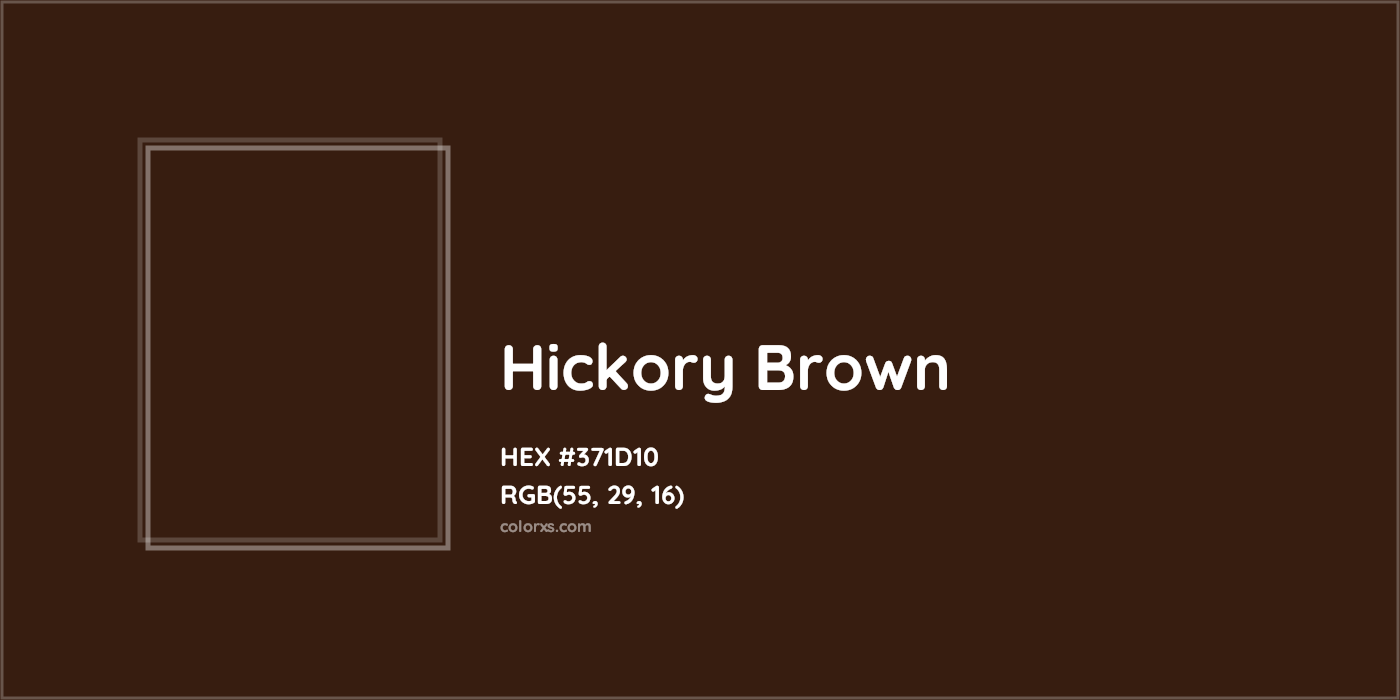
In interior applications, such as flooring, cabinetry, or wall paneling, hickory’s color and finish become integral to the overall spatial narrative a brand wishes to tell. A brand specializing in rustic farmhouse aesthetics might opt for a distressed, natural, or lightly stained hickory to evoke warmth, history, and authenticity. The visible color variation and active grain would reinforce a connection to tradition and craftsmanship. Conversely, an architectural firm designing contemporary spaces might specify a very light, almost bleached, hickory for its clean lines and airy feel, contrasting its organic texture with sleek, man-made materials. Here, hickory contributes to a narrative of natural materials integrated into modern living. Beyond aesthetics, the perceived durability of hickory, often associated with its robust nature, is subtly reinforced by its natural color and grain. Brands that emphasize longevity and quality can leverage hickory’s inherent strength, and its color selection can further communicate these attributes. The deliberate manipulation of hickory’s color spectrum allows brands to effectively “tell their story” through material choice, creating environments and products that resonate deeply with their target demographic and solidify their brand message.
Marketing Hickory: Communicating Color and Value
Effectively marketing products made from hickory requires a nuanced understanding of its color characteristics and how to translate these visual attributes into a compelling value proposition for consumers. The way a brand presents hickory’s color can significantly impact perceived value, target audience attraction, and ultimately, sales.
Visual Merchandising and Digital Presentation
In both physical retail spaces and digital storefronts, the accurate and appealing portrayal of hickory’s color is paramount. For visual merchandising, brands must invest in high-quality photography and display samples that truly capture the wood’s natural variations and how it appears under different lighting conditions. Display environments should be curated to highlight hickory’s unique grain and color palette, perhaps by contrasting it with complementary materials or colors that bring out its best features. In the digital realm, this challenge is amplified. High-resolution images, 360-degree views, and even augmented reality tools can help consumers visualize hickory products in their own spaces, bridging the gap between a flat screen and a tangible material. Providing multiple angles and close-ups that show the heartwood/sapwood contrast and the distinct grain patterns is crucial. Furthermore, clear descriptions of color tones (e.g., “warm reddish-brown with creamy sapwood streaks,” “deep espresso with subtle grain,” “light natural with pronounced character”) help manage customer expectations and reduce returns. Brands must ensure color consistency across all marketing channels, from website to social media to print catalogs, to build trust and a cohesive brand image.
Targeting Demographics Through Aesthetic Choices
The strategic use of hickory’s color allows brands to specifically target different consumer demographics and market segments. For a brand aiming at homeowners seeking a rustic or traditional aesthetic, showcasing hickory with its full natural color variation, perhaps with a matte or hand-scraped finish, will resonate most strongly. The authenticity and “imperfections” become selling points, appealing to those who value natural beauty and a lived-in feel. Conversely, a brand targeting a younger, more modern demographic might feature hickory with a uniform, lighter stain and a smooth, semi-gloss finish. This approach minimizes the rustic elements and emphasizes a clean, contemporary look, positioning hickory as a sophisticated material suitable for modern interiors. Even within the same product category, say, flooring, different color applications of hickory can appeal to distinct income brackets or lifestyle choices. A premium brand might offer custom stains that enhance specific undertones, while an affordable brand might focus on classic, widely appealing natural finishes. Understanding these demographic preferences allows brands to tailor their product offerings and marketing messages, ensuring that the communicated color story aligns with the aspirations and tastes of their intended audience.
The Brand Identity Impact: Consistency and Perception
The color of hickory, whether in its raw form or expertly finished, plays a significant role in shaping a brand’s identity and how it is perceived in the marketplace. Consistent application and clear communication about this key material attribute can solidify a brand’s position and build lasting consumer recognition.
Creating a Distinctive Look with Hickory
For brands whose products extensively feature hickory, its color becomes an integral part of their visual signature. Imagine a furniture brand known for its robust, heirloom-quality pieces; if they consistently utilize a dark, rich stain on hickory that highlights its strength and intricate grain, this specific aesthetic becomes synonymous with their brand. This creates a distinctive “look” that differentiates them from competitors and allows consumers to instantly recognize their products. Similarly, a flooring company that specializes in reclaimed or naturally varied hickory might build its identity around the unique, “story-rich” appearance of each plank, emphasizing the authentic color contrasts and natural marks. This visual distinctiveness is a powerful asset in crowded markets, enabling brands to carve out a unique niche. The deliberate choice of how much heartwood and sapwood contrast to include, whether to use a clear coat that enhances natural tones, or a heavy stain that unifies them, all contribute to this visual branding. Consistency in this choice across product lines, marketing materials, and even store displays reinforces this unique identity, making the brand instantly identifiable by its signature use of hickory’s color.

Durability and Aesthetics: A Value Proposition
Beyond mere aesthetics, hickory’s color and grain patterns implicitly communicate its renowned durability and strength. When consumers see the distinctive, active grain and the contrasting tones of hickory, there’s often an unconscious association with resilience and longevity. Brands can leverage this inherent perception in their value proposition. By presenting hickory in a way that emphasizes its natural beauty – perhaps through finishes that protect without obscuring its character – they can reinforce the message that their products are built to last. This marriage of aesthetic appeal and functional strength is a powerful selling point. For example, a brand selling outdoor furniture might choose a weather-resistant finish on hickory that retains its natural, rugged appeal, thereby communicating both toughness and timeless design. The perceived value of a hickory product is not just in its initial appearance but also in the implicit promise of enduring quality that its visual characteristics convey. By strategically showcasing hickory’s color variations and grain, brands can effectively communicate a message of investment-worthy durability, positioning their products as premium choices that combine natural beauty with exceptional performance.
aViewFromTheCave is a participant in the Amazon Services LLC Associates Program, an affiliate advertising program designed to provide a means for sites to earn advertising fees by advertising and linking to Amazon.com. Amazon, the Amazon logo, AmazonSupply, and the AmazonSupply logo are trademarks of Amazon.com, Inc. or its affiliates. As an Amazon Associate we earn affiliate commissions from qualifying purchases.