
Aluminum. The word conjures images of sleek appliances, sturdy aircraft, and the ubiquitous soda can. We interact with it daily, often without a second thought. But when we pause to consider this ubiquitous metal, a simple question arises: what color is aluminum? The answer, it turns out, is far more nuanced than a single, definitive hue. Its color is a fascinating interplay of its natural state, its processing, and the very way we perceive it, touching upon themes relevant to technology, branding, and even our understanding of value.
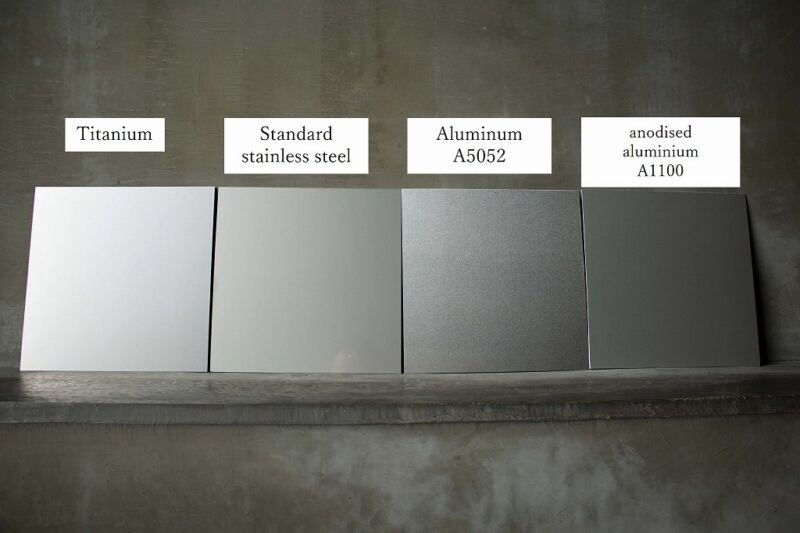
The Natural Hue: A Subtle, Earthy Undertone
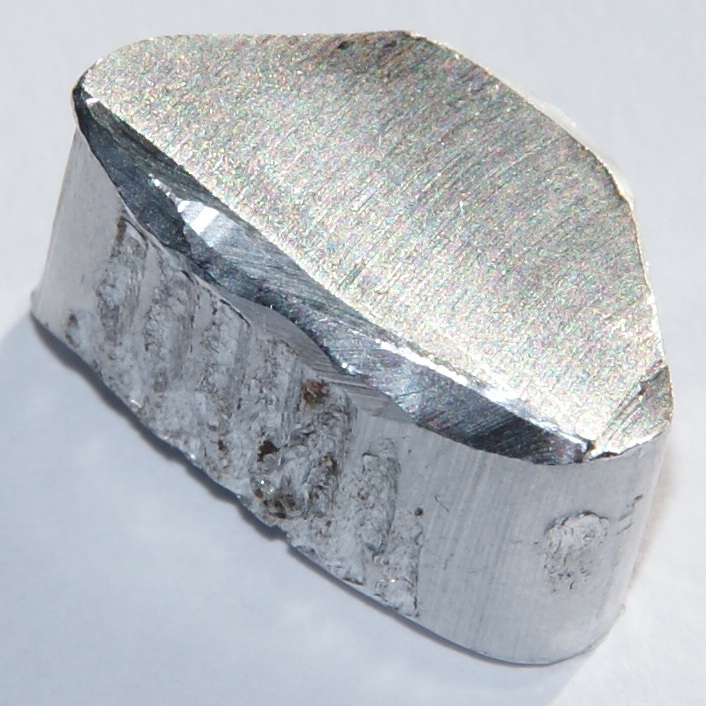
In its purest, most fundamental form, aluminum is not the blindingly bright silver we often associate with it. The raw, unadulterated element, as it’s extracted from bauxite ore, possesses a subtle, almost dull, grayish-white appearance. This is its intrinsic color, a reflection of its atomic structure and composition. Think of it as the foundational layer, the canvas upon which its more familiar metallic character is built.
This natural hue is rarely seen in everyday applications because aluminum is almost always refined and processed. The intense processes required to isolate aluminum from its ore are energy-intensive and highly controlled. The resulting metal, however, retains a memory of its origins in its subtle tonal qualities.
From Ore to Metal: The Alchemical Transformation
The journey from bauxite ore to usable aluminum is a remarkable feat of human ingenuity, a testament to our ability to manipulate materials for our needs. This process, primarily the Hall-Héroult process, involves electrolysis, a method that uses electrical current to drive a non-spontaneous chemical reaction.
Bauxite Extraction and Refining: The journey begins with bauxite, a reddish-brown rock rich in aluminum oxides. This ore undergoes a Bayer process to refine it into alumina (aluminum oxide, Al₂O₃), a white powder. This alumina is the direct precursor to metallic aluminum.
Electrolysis: The Heart of Production: The alumina is then dissolved in molten cryolite and subjected to electrolysis in large, carbon-lined pots. Here, a powerful electric current passes through the mixture, separating the aluminum from the oxygen. This is where the metal takes its form, molten and then cast into ingots or other shapes.
The energy demands of this process are immense, making aluminum production a significant consumer of electricity. This has driven innovation in sourcing renewable energy for smelters, aligning the “money” aspect of sustainability with the “tech” of advanced manufacturing. Furthermore, the very concept of transforming a common earth material into a high-value commodity has implications for brand perception – demonstrating how significant technological investment can elevate a raw material’s perceived worth.
The Many Faces of Aluminum: Color Through Surface Treatment and Application
The “silver” we commonly perceive is not aluminum’s natural color, but rather a result of its reflectivity and surface finishes. The way aluminum interacts with light, and the treatments it undergoes, dramatically alter its visual appearance, leading to a spectrum of “colors.”
Polished and Anodized: The Bright and the Bold
One of the most common ways aluminum is presented is through polishing and anodizing.
Polished Aluminum: When aluminum is polished to a high sheen, its surface becomes highly reflective. This reflectivity bounces ambient light back, creating the characteristic bright, silvery appearance. The smoother the surface, the more mirror-like the reflection, and the more “silver” the aluminum appears. This is the metallic luster we often associate with quality and modernity. In the realm of branding, a polished aluminum finish on a product communicates sophistication, durability, and a premium feel. Think of high-end audio equipment or luxury car interiors.
Anodized Aluminum: Anodizing is an electrochemical process that thickens the naturally occurring oxide layer on aluminum. This process not only enhances corrosion resistance and durability but also opens up a world of color. During anodization, dyes can be introduced into the porous oxide layer, allowing for a wide range of colors to be permanently bonded to the surface.
- Natural Anodized: Even without added dyes, the anodizing process itself can impart subtle variations in color. The oxide layer can range from a clear, almost glassy finish to a slightly darker, smoky gray. This subtle variation can be leveraged in design to create sophisticated, understated looks.
- Colored Anodizing: This is where aluminum truly showcases its versatility in color. Through the use of inorganic pigments or electrolytic coloring, aluminum can be dyed virtually any color imaginable – from deep blues and vibrant reds to subtle bronzes and even black. This is a powerful tool for product differentiation and personal branding. A tech gadget with a striking anodized blue casing immediately grabs attention and conveys a distinct brand identity. The durability of the anodized color ensures that this brand statement remains vibrant over time.
Painted and Powder-Coated: The Spectrum of Possibilities
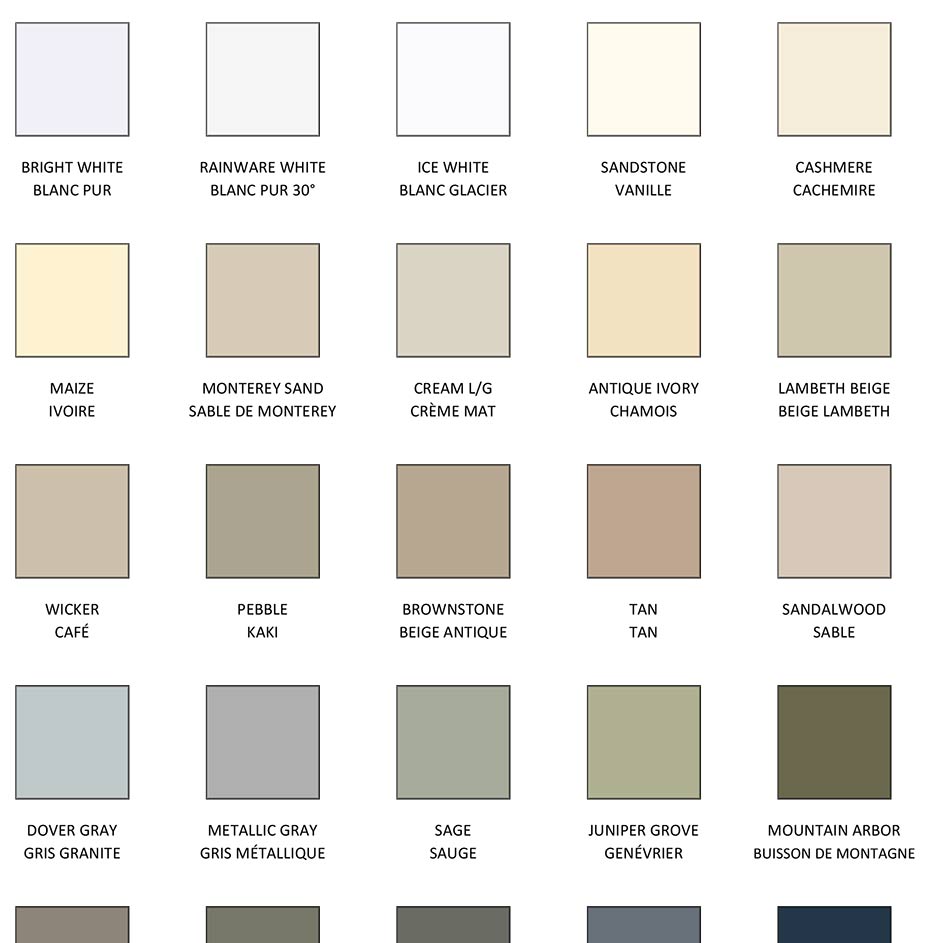
Beyond anodizing, aluminum can also be painted or powder-coated, offering an even broader palette of colors and textures.
Painted Aluminum: Traditional liquid paints can be applied to aluminum surfaces, providing a vast array of colors, finishes (gloss, matte, satin), and special effects. This is a common method for architectural applications, appliances, and automotive parts. The choice of paint can dramatically influence the perceived quality and style of the product. A bright red painted aluminum frame for a bicycle, for instance, conveys sportiness and energy.
Powder Coating: Powder coating involves applying a dry powder electrostatically to the aluminum surface, which is then cured under heat. This process creates a durable, uniform, and attractive finish. Powder coating is known for its excellent resistance to chipping, scratching, and fading, making it ideal for outdoor furniture, window frames, and industrial equipment. The color options for powder coating are virtually limitless, allowing for extensive customization. This makes it a popular choice for businesses looking to create unique product lines or for individuals wanting to personalize their possessions.
From a branding perspective, paint and powder coating offer immense flexibility. Companies can align product colors with their corporate identity, creating a cohesive and recognizable brand image across their entire product range. The longevity and durability of these finishes also contribute to a positive brand reputation, as products maintain their aesthetic appeal over time.
The Psychology of Aluminum’s Color: Perception and Value
The color of aluminum, in its various forms, taps into our psychological associations and influences our perception of value, especially in the context of technology and branding.
Silver and Gray: The Language of Technology and Sophistication
The classic “silver” of polished or naturally anodized aluminum has become intrinsically linked with technology and modernity. It’s perceived as:
- Sleek and Futuristic: The clean, reflective surface evokes images of advanced engineering and cutting-edge innovation. This is why many tech gadgets, from laptops to smartphones, feature aluminum in this finish.
- Durable and High-Quality: The solid, metallic feel of aluminum, combined with its silvery sheen, communicates a sense of robustness and longevity. This makes it a preferred material for premium products.
- Neutral and Versatile: The silver tone acts as a neutral backdrop, allowing other design elements to stand out. It’s also a color that generally appeals to a wide audience.
The prevalence of silver aluminum in the tech industry has established a strong psychological association. When we see a product in this material and color, we often subconsciously attribute qualities of sophistication, reliability, and advanced functionality to it. This is a prime example of how material choice and color directly contribute to a brand’s narrative and consumer perception.
Color as a Brand Differentiator: Standing Out in a Crowded Market
In a world saturated with similar products, color becomes a critical tool for differentiation. Aluminum’s ability to be anodized or coated in virtually any color empowers brands to:
- Establish a Unique Identity: A signature color can become synonymous with a brand. Think of the iconic red of Coca-Cola or the distinctive blue of Tiffany & Co. Similarly, a brand might choose a specific shade of anodized aluminum for its product line to create a recognizable visual signature.
- Target Specific Demographics: Different colors evoke different emotions and appeal to various consumer groups. A bright, vibrant color might attract a younger, trend-conscious audience, while a muted, earthy tone might appeal to a more mature or environmentally conscious demographic.
- Enhance Product Appeal: A well-chosen color can make a product more visually attractive and desirable. This is crucial in competitive markets where consumers often make purchasing decisions based on aesthetics.
Consider the tech world again. While silver and gray dominate, brands have experimented with vibrant anodized aluminum finishes to create statement pieces. These colored devices not only stand out on shelves but also allow consumers to express their personal style through their technology. This blurs the lines between functionality and personal expression, a key driver in contemporary consumerism.
The “Value” of Aluminum’s Color: Beyond the Material Itself
The perceived “color” of aluminum is not just about its physical hue; it’s about the value we ascribe to it.
- Technological Investment: The sophisticated processes required to achieve specific finishes, especially anodizing with precise color control, represent a significant technological investment. This investment is often reflected in the product’s price and perceived value.
- Design Intent: The deliberate choice of an aluminum color is a design decision. It signals intentionality and attention to detail, contributing to the overall premium feel of a product.
- Emotional Connection: Color has a profound impact on our emotions. A well-chosen aluminum color can evoke feelings of excitement, trust, professionalism, or even tranquility, forging a deeper emotional connection between the consumer and the product.
Ultimately, the question “what color is aluminum?” is an invitation to explore a material that is far more than its elemental composition. It’s a material whose color is a testament to human ingenuity, a powerful tool for brand expression, and a significant factor in how we perceive value and beauty in the world around us. From the subtle gray of its natural state to the vibrant hues it can assume through technological innovation, aluminum’s color story is a continuous evolution, reflecting our ever-changing aesthetic and technological landscape.
aViewFromTheCave is a participant in the Amazon Services LLC Associates Program, an affiliate advertising program designed to provide a means for sites to earn advertising fees by advertising and linking to Amazon.com. Amazon, the Amazon logo, AmazonSupply, and the AmazonSupply logo are trademarks of Amazon.com, Inc. or its affiliates. As an Amazon Associate we earn affiliate commissions from qualifying purchases.