
In the world of visual identity, color is more than a decorative choice; it is a psychological tool that dictates how a consumer perceives a company’s reliability, innovation, and values. When designers ask, “What color does blue and brown make?” they are rarely looking for a simple answer found on a painter’s palette. While the literal mixing of these pigments usually results in a deep, sophisticated dark grey, a desaturated navy, or a rich “blackened” earth tone, the strategic fusion of these two colors in branding represents one of the most powerful combinations in the modern corporate landscape.
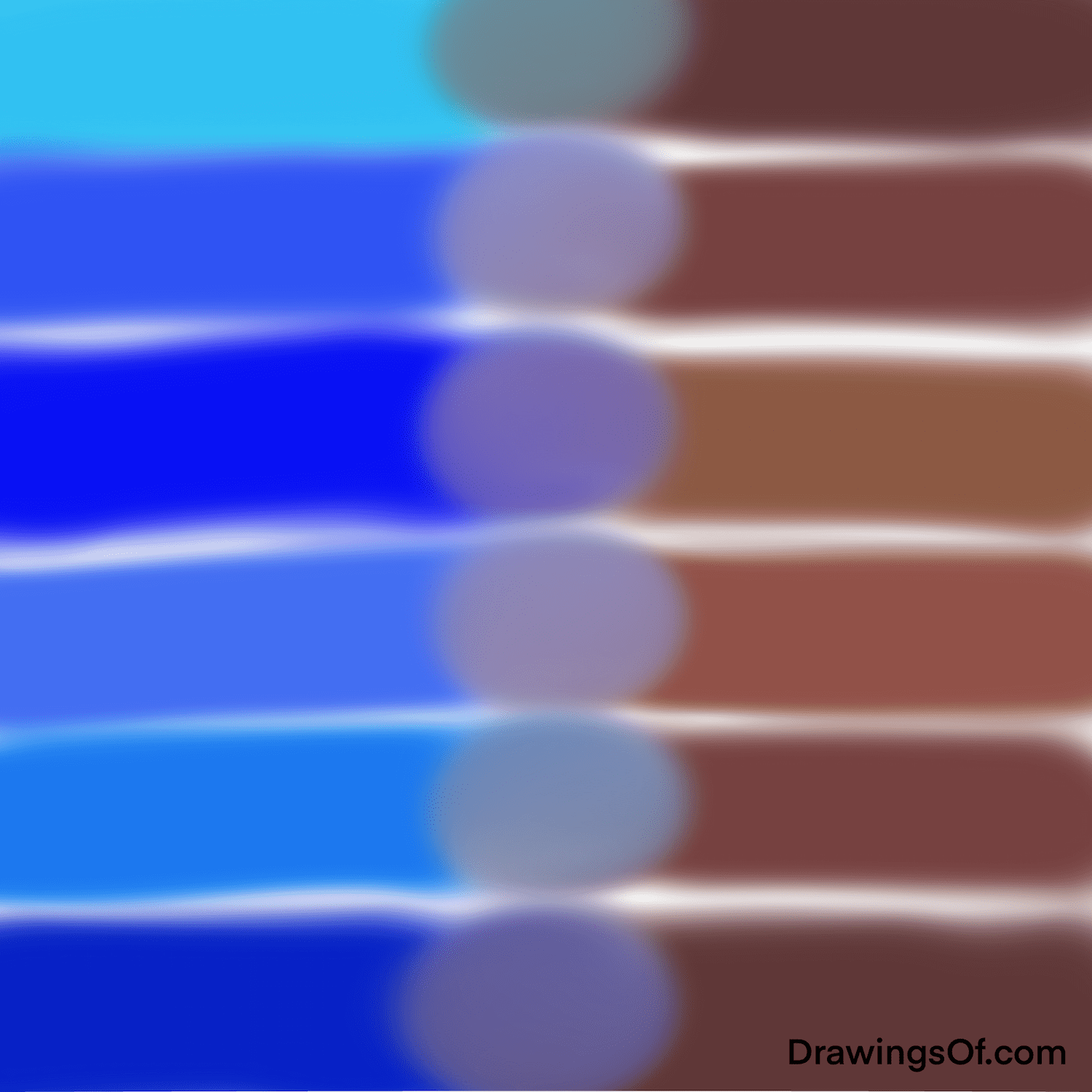
This article explores the intersection of blue and brown through the lens of brand strategy, examining how this unique color marriage fosters trust, signals sustainability, and creates a timeless corporate identity.
The Alchemy of Color: Understanding the Blue and Brown Fusion in Design
The technical process of mixing blue and brown is a study in color theory balance. Because brown is often a composite of all three primary colors (red, yellow, and blue) with a heavy leaning toward the warmer spectrum, adding more blue acts as a cooling agent. The result is a muted, professional shade that avoids the harshness of pure black while retaining the authority of a dark neutral.
The Technical Mix: From Muddy Neutrals to Sophisticated Slates
When mixing blue and brown in digital environments (RGB) or print media (CMYK), the outcome depends entirely on the base tones. A warm, reddish-brown mixed with a bright cyan will yield a neutral grey. However, a deep chocolate brown mixed with an ultramarine blue creates a “midnight” shade that feels expensive and intentional. In brand design, this is known as a “near-black” strategy. Brands often move away from true black (#000000) because it can feel “dead” or overly aggressive on screen. By utilizing the shade created by blue and brown, companies can achieve visual depth that feels organic and premium.
Color Psychology: Why Blue and Brown Resonate with Consumers
Color psychology is the cornerstone of brand strategy. Blue is globally recognized as the color of trust, intelligence, and calm. It is the color of the sky and the sea—vast, dependable, and constant. Brown, conversely, represents the earth, wood, and stone. It evokes feelings of resilience, comfort, and honesty.
When these two are combined or layered, they create a psychological synergy. The blue provides the “intellect,” while the brown provides the “foundation.” For a brand, this communicates: “We are smart and innovative, but we are also grounded and reliable.” This is why we see this palette frequently in industries that require high levels of consumer confidence, such as wealth management, high-end home goods, and organic luxury.
Building a Corporate Identity with Earth and Sky Tones
In a marketplace saturated with neon “tech” blues and minimalist white spaces, the combination of blue and brown offers a refreshing return to “New Traditionalism.” This aesthetic choice allows a brand to stand out by looking established, even if it is a startup.
Trust and Stability: The Symbolic Weight of Blue and Brown
For a brand strategy to be effective, it must mitigate the consumer’s fear of risk. Blue and brown are the “safest” colors in the spectrum, but together they are anything but boring. The “blue” element speaks to the corporate standard—professionalism and efficiency. The “brown” element softens the corporate edge, making the brand feel approachable and artisanal.
Consider the luxury automotive or high-end apparel industries. A deep navy paired with cognac leather (brown) is the universal language of “premium.” It signals to the customer that the brand values heritage as much as it values forward-thinking performance. This hybrid identity is essential for brands that want to justify a higher price point through the perception of craftsmanship.
Case Studies in Successful Earth-Tone Branding
To understand the efficacy of this palette, we can look at major players who have utilized variations of blue and brown to dominate their niches.

- JP Morgan Chase & Co: While their primary logo is blue, their interior design and premium marketing materials frequently utilize rich wood grains and brown textures. This grounds their “digital” blue in a physical world of vaults and mahogany, reinforcing a sense of historic security.
- The Rugged Tech Sector: Companies like Filson or Yeti often blend deep blues with earthy tans and browns. This isn’t just about aesthetics; it’s a strategic alignment with their “outdoor” identity. The blue represents the elements (water/sky), and the brown represents the gear and the earth.
- Sustainable Logistics: Many shipping and logistics firms are moving away from aggressive reds and yellows toward blue and brown to signal a commitment to eco-friendly practices. The brown represents the cardboard/recycling and the earth, while the blue represents the clean air and global reach.
Strategic Implementation: Applying the Palette Across Marketing Channels
Integrating a blue and brown color story requires more than just picking two hex codes. It requires a deep understanding of how these colors behave across different mediums—from a high-resolution smartphone screen to a recycled cardboard shipping box.
Digital vs. Print: Maintaining Consistency in Color Mixing
One of the primary challenges in brand strategy is maintaining “brand equity” through color consistency. Brown is notoriously difficult to reproduce in print (CMYK) without it looking “muddy.” Blue, particularly on screens (RGB), can often appear more vibrant than it does on paper.
To successfully implement a blue-brown strategy, brand managers must define specific “Bridge Colors.” These are the shades created when the two colors overlap. By defining these “mixed” shades in a brand style guide, a company ensures that their social media graphics feel harmonious with their physical packaging. Using “spot colors” (Pantone) for the brown elements is often a necessary investment to ensure the earthy tone doesn’t shift toward an unappealing green or purple during large-scale printing runs.
Accessibility and UI/UX Considerations for Darker Palettes
In modern brand strategy, digital accessibility is no longer optional—it is a legal and ethical requirement. When blue and brown are mixed to create dark backgrounds, designers must be cautious about text contrast.
A “blue-brown” dark mode can be much more soothing to the eye than a pure black dark mode. However, ensure that the typography uses high-contrast off-whites or creams (which fall into the brown/tan family) rather than stark white. This creates a “warm” digital environment that reduces eye strain and encourages longer user engagement on apps and websites.
Future Trends: The Evolution of Organic Minimalism in Brand Design
As we look toward the next decade of branding, the “tech-cold” aesthetic of the 2010s is being replaced by “Organic Minimalism.” This trend favors colors that could be found in nature, moving away from the synthetic neons of the early AI era.
Sustainability and the Shift Toward Natural Pigments
The rise of the “Green Economy” has paradoxically made blue and brown more relevant than green itself. While green is the literal color of nature, blue and brown represent the stewardship of nature. Brands that focus on “Blue Beauty” (ocean conservation) or “Regenerative Agriculture” (soil health) naturally gravitate toward this palette.
Strategic branding is now moving toward “living palettes”—visual identities that use dyes and pigments derived from actual earth and minerals. A brand that uses a “soil-brown” and an “indigo-blue” isn’t just picking colors; it’s telling a story about its supply chain and its respect for raw materials.

Balancing Tradition with Innovation in Visual Storytelling
The ultimate goal of using blue and brown in brand strategy is to achieve a “timeless” status. These colors are not subject to the whims of fast-fashion trends. They represent a middle ground between the old world and the new.
In an era where AI and automation can make brands feel ephemeral and “fake,” the grounded nature of brown and the authoritative nature of blue provide a much-needed anchor. For a brand to survive in the modern economy, it must prove it has a soul. By mixing the reliable blue of the future with the honest brown of the past, a brand creates a visual language that speaks to the longevity and the human element of business.
In conclusion, when we ask what blue and brown make, the answer isn’t just a color—it’s a statement of intent. It is the color of a brand that intends to be here for the long haul, rooted in the earth but looking toward the horizon.
aViewFromTheCave is a participant in the Amazon Services LLC Associates Program, an affiliate advertising program designed to provide a means for sites to earn advertising fees by advertising and linking to Amazon.com. Amazon, the Amazon logo, AmazonSupply, and the AmazonSupply logo are trademarks of Amazon.com, Inc. or its affiliates. As an Amazon Associate we earn affiliate commissions from qualifying purchases.