
Gray walls have cemented their status as a cornerstone in modern interior design, offering a sophisticated and versatile backdrop that can elevate nearly any aesthetic. Its inherent neutrality provides a boundless canvas for designers, allowing for a spectrum of moods and styles to be expressed. However, the very versatility of gray can sometimes present a challenge: selecting the perfect carpet color to complement it. This decision isn’t merely about matching; it’s about crafting a cohesive visual narrative, establishing a distinct brand identity for a space, and ensuring the overall design strategy achieves its intended impact.
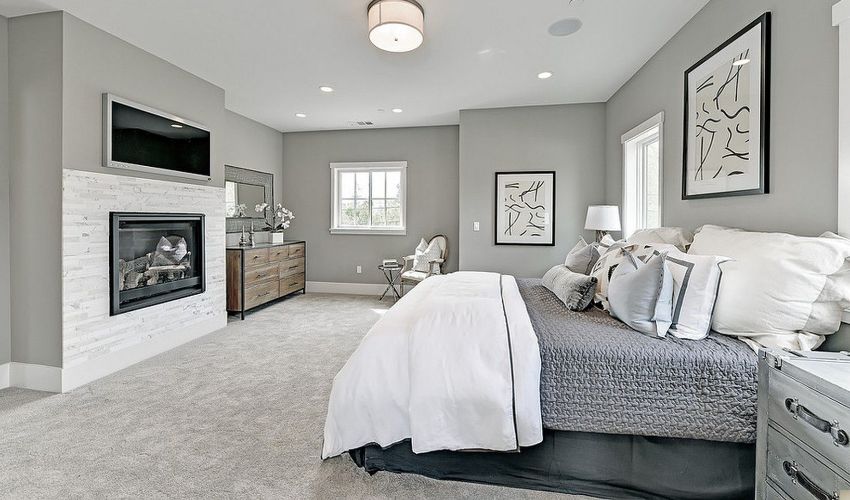
The choice of carpet color, texture, and pattern profoundly influences the perception of a room’s size, its warmth, and its functional elegance. It dictates how light is absorbed or reflected, how other elements in the room are highlighted, and ultimately, the emotional response elicited by the environment. Approaching this decision with a strategic design mindset, considering color theory, desired ambiance, and the overarching brand of the space—whether residential or commercial—is crucial for achieving a truly distinguished outcome.
The Strategic Nuances of Gray Walls: A Design Foundation
Gray is rarely just gray. Its true power lies in its undertones, which can dramatically shift its character and dictate the most harmonious pairings. Understanding these subtleties is the first step in a successful design strategy.
Identifying Gray Undertones: Warm, Cool, and True
Gray can lean warm, cool, or remain a neutral “true” gray.
- Warm Grays (Greige): These grays have yellow, brown, or red undertones, often appearing as “greige.” They exude comfort, warmth, and an inviting ambiance, making them excellent choices for spaces intended for relaxation or casual interaction. Their inherent warmth allows for a broader spectrum of carpet pairings, from equally warm tones to cooler contrasts that provide a subtle tension.
- Cool Grays: Infused with blue, green, or purple undertones, cool grays evoke a sense of calm, sophistication, and modernity. They are often chosen for minimalist, contemporary, or serene environments. When selecting a carpet for cool gray walls, one might lean into the coolness for a monochromatic effect or introduce warmth to balance the coolness and prevent the space from feeling sterile.
- True Grays: These are pure grays with no discernible undertones, sitting squarely between black and white. They offer the ultimate neutral base, allowing for maximum flexibility in design. True grays are like a blank slate, capable of supporting almost any design direction, from vibrant and playful to understated and elegant.
The perception of warmth or coolness in your gray walls sets the stage for your carpet selection, influencing the overall mood and the visual brand you aim to project.
The Emotional and Brand Impact of Gray
Gray, as a color, can convey various brand messages depending on its context and accompanying elements.
- Sophistication & Professionalism: Cool grays, especially when paired with crisp whites or deep blues, lend themselves to a sleek, professional, and intellectual atmosphere. This aesthetic is often favored in corporate settings, high-end retail, or minimalist residential designs.
- Tranquility & Serenity: Lighter, cool grays combined with soft textures and muted colors can create a calming, spa-like environment, promoting relaxation and well-being. This aligns with a brand identity focused on serenity and escape.
- Comfort & Approachability: Warm grays (greige) inherently feel more welcoming and grounded. Paired with natural textures and earthy tones, they establish a sense of comfort, hospitality, and homey appeal. This is ideal for family-centric spaces or businesses that want to convey warmth and approachability.
- Modernity & Innovation: True grays, especially with metallic accents or bold, geometric patterns, can project a forward-thinking, modern, and innovative brand image.
Understanding the psychological and branding implications of your gray walls is crucial for selecting a carpet that reinforces, rather than contradicts, your desired spatial identity.
Strategic Color Pairings: Crafting Your Space’s Palette
Choosing the right carpet color involves more than just personal preference; it’s a strategic decision rooted in color theory and the desired aesthetic outcome.
Harmonious Neutrals: The Foundation of Elegance
For an effortlessly elegant and timeless look, pairing gray walls with other neutrals is a perennially successful strategy.
- Cream & Off-White: These colors introduce immediate warmth and softness, creating a bright and inviting contrast with both cool and warm grays. They make a room feel more expansive and airy, aligning with a brand that values cleanliness, spaciousness, and understated luxury.
- Light Beige & Tan: Similar to cream, these colors bring natural warmth, especially effective with cool gray walls to prevent the space from feeling too stark. They evoke a sense of grounding and natural harmony, ideal for a more organic or casual design brand.
- Taupe: A sophisticated blend of gray and brown, taupe carpets seamlessly bridge warm and cool gray walls. It offers a subtle depth and refinement, perfect for creating a cohesive, upscale brand identity that is both inviting and polished.
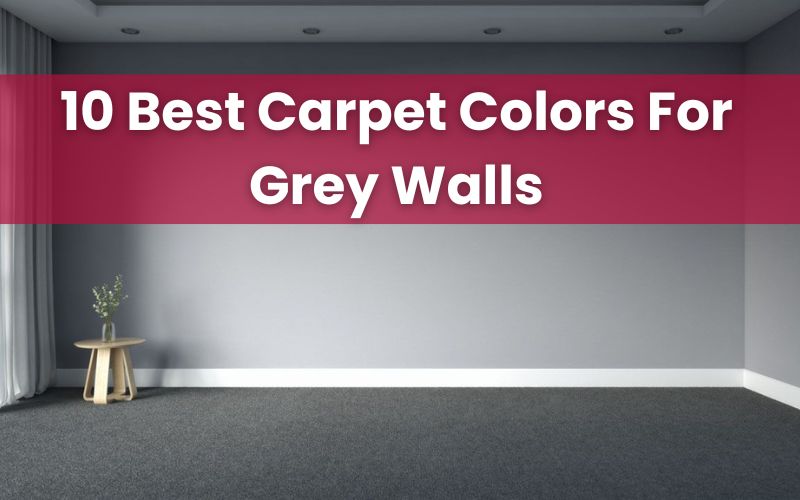
- Charcoal & Dark Gray: For a monochromatic, sophisticated, and often dramatic effect, pairing gray walls with a darker gray or charcoal carpet creates depth and a powerful visual statement. This is a bold choice that speaks to a brand of strong conviction and modern elegance, especially effective in larger spaces or areas where a moody, intimate atmosphere is desired.
Introducing Color: Impactful and Intentional Accents
While neutrals provide a safe and elegant route, introducing color through your carpet can inject personality and reinforce a specific design narrative.
-
Cool-Toned Colors (Blues, Greens, Purples):
- Navy Blue: A deep navy carpet with cool gray walls creates a sense of profound sophistication and calm. It’s a classic pairing that speaks to enduring elegance and a hint of traditionalism, yet remains fresh. This is excellent for a dignified, established brand image.
- Sage Green: With its muted, earthy tones, sage green offers a tranquil and organic complement to gray walls, especially warmer grays. It brings a natural serenity, ideal for a brand emphasizing wellness, nature, or understated charm.
- Dusty Blue/Periwinkle: Softer blues or purple-infused blues can add a subtle pop of color without overwhelming. They create a serene, almost ethereal feel, perfect for spaces designed for contemplation or gentle interaction.
-
Warm-Toned Colors (Yellows, Oranges, Reds):
- Mustard Yellow/Ochre: For a bold and energetic statement, a mustard yellow or ochre carpet can provide a striking contrast to cool gray walls, injecting warmth and vibrant personality. This choice signifies a dynamic, creative, or playful brand identity.
- Terracotta/Rust: These earthy reds and oranges can ground gray walls, particularly cooler grays, with a rich, organic warmth. They evoke a sense of artisanal craftsmanship and rustic elegance, suitable for a brand that values authenticity and depth.
- Blush Pink/Rose: Often overlooked, a soft blush or rose-toned carpet can introduce warmth, softness, and a touch of gentle luxury, especially effective with cool grays. This pairing crafts a sophisticated, romantic, or delicately feminine brand persona.
Beyond Color: Texture, Pattern, and Pile in Design Strategy
The strategic selection of carpet goes beyond color; texture, pattern, and pile height are equally critical in defining the spatial brand and sensory experience.
The Tactile Brand: Texture and Materiality
The feel and visual texture of a carpet significantly contribute to the overall ambiance.
- Plush/Cut Pile: Offers a luxurious, soft underfoot experience, ideal for bedrooms or living areas where comfort and opulence are priorities. This texture speaks to a brand of indulgence and coziness.
- Loop Pile (Berber): Durable and often associated with a more casual or robust aesthetic, Berber carpets offer a tactile, textured appearance. They are suitable for high-traffic areas and align with a brand that values practicality, resilience, and a grounded appeal.
- Frieze/Twist Pile: A shag-like appearance that adds texture and can hide footprints. It offers a contemporary casual elegance, fitting for a modern, relaxed brand.
- Natural Fibers (Wool, Sisal, Jute): These materials bring an organic, earthy texture that complements gray walls beautifully, especially warm grays. They speak to a brand emphasizing natural elements, sustainability, and understated sophistication.
Visual Dynamics: Pattern and Scale
Patterns introduce visual interest, direct the eye, and can define the room’s character.
- Subtle Patterns (Tone-on-Tone): A geometric or organic pattern in a similar shade to the base color of the carpet adds depth without overwhelming the space. This is a sophisticated way to introduce detail, aligning with a refined brand that appreciates subtle complexity.
- Bold Geometrics: For a modern, architectural, or energetic brand, a strong geometric pattern can be a focal point, especially when paired with true gray walls. This signals confidence and a forward-thinking aesthetic.
- Abstract or Organic Patterns: These can soften sharp lines and introduce an artistic, fluid element, ideal for a brand that embraces creativity and uniqueness.
- Stripes: Can be used to visually lengthen or widen a room, a strategic design tool for shaping perception and creating an ordered, classic brand identity.
Pile Height: Defining Function and Form
The height of the carpet pile impacts both its look and its functionality.
- Low Pile: Easy to clean and highly durable, low-pile carpets are practical for high-traffic areas or commercial spaces where a sleek, efficient brand is desired. They offer a neat, structured appearance.
- Medium Pile: A versatile choice that balances comfort with durability, suitable for most residential areas. This is a practical, adaptable choice for a balanced brand.
- High Pile (Shag): Offers maximum comfort and sound absorption, creating a cozy and luxurious atmosphere. Best suited for low-traffic areas like bedrooms or intimate living spaces, for a brand focused on comfort and sensory experience.

Crafting Your Space’s Identity: A Cohesive Design Approach
Ultimately, the choice of carpet with gray walls is a strategic design decision that molds the identity and experience of a space. Consider the complete brand narrative you wish to tell:
- For a Modern Minimalist Brand: Opt for cool gray walls, a charcoal or very light, plain gray low-pile carpet, and crisp lines throughout the decor. Focus on texture over color variation.
- For a Cozy & Inviting Sanctuary: Pair warm gray walls with a plush, cream, beige, or soft sage green carpet. Introduce natural wood furniture, soft lighting, and textiles to reinforce warmth and comfort.
- For a Professional & Polished Environment: Select cool gray walls with a navy blue or dark taupe loop-pile or cut-pile carpet. Integrate metallic accents, structured furniture, and strategic lighting to convey sophistication and efficiency.
- For a Vibrant & Creative Hub: Use true gray walls as a neutral backdrop for a boldly patterned or brightly colored carpet (e.g., mustard yellow, emerald green). Allow the carpet to be a statement piece that reflects creativity and energy.
By thoughtfully considering the undertones of your gray walls, applying principles of color theory, and strategically selecting carpet texture, pattern, and pile, you can ensure your design choices create a harmonious, impactful, and distinctly branded environment. The goal is not just to “match” but to consciously craft an experience that resonates with your vision for the space.
aViewFromTheCave is a participant in the Amazon Services LLC Associates Program, an affiliate advertising program designed to provide a means for sites to earn advertising fees by advertising and linking to Amazon.com. Amazon, the Amazon logo, AmazonSupply, and the AmazonSupply logo are trademarks of Amazon.com, Inc. or its affiliates. As an Amazon Associate we earn affiliate commissions from qualifying purchases.